
Choosing Aluminum Car Parts Manufacturers for EV Production Needs
2026-08-21
Selecting aluminum car parts manufacturers capable of supporting electric vehicle production demands requires more than comparing price lists. Today's EV market challenges sourcing teams to balance lightweight engineering with uncompromising durability, recyclability, and dimensional precision. The right manufacturing partner transforms these specifications into competitive advantages—extended vehicle range, reduced energy consumption, and shortened development cycles. As automotive engineering evolves toward electrification, procurement professionals face mounting pressure to identify suppliers equipped with advanced casting technologies, rigorous quality systems, and responsive supply chains that align with rapid prototyping schedules and volume production scalability.
Understanding the Role of Aluminum Car Parts in EV Production
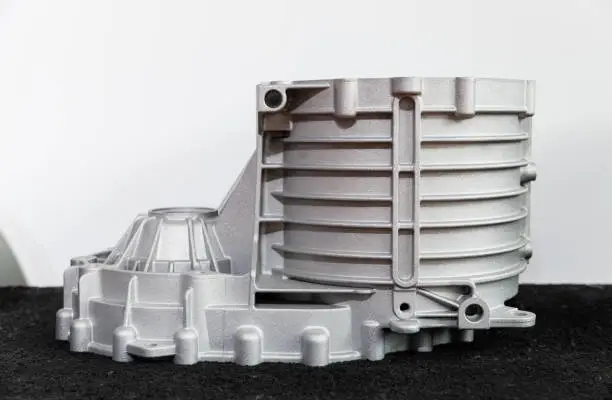
For electric cars to make up for the extra weight that battery packs add, they mostly need aluminum parts. Every kilogram reduction directly leads to better energy economy and a longer driving range, which are important factors that affect customer acceptance and government compliance.
Why Aluminum Outperforms Traditional Materials in EVs
The density of aluminum is about 2.7 g/cm³, which makes it about one-third the weight of steel while still being strong. This ratio of strength to weight lets engineers make strong chassis structures, battery enclosures that can withstand crashes, and thermal management systems that don't affect how the vehicle moves. The natural oxide layer that forms on metal surfaces makes them naturally resistant to corrosion. This means that parts last longer and don't need to be serviced as often, even in harsh settings with road salts and temperature changes.
Key Aluminum Components Driving EV Performance
One of the hardest jobs is making battery enclosures, which need to be very precise in their measurements to protect lithium-ion cells and get rid of the heat that is made during charging and discharging cycles. Aluminum extrusions and high-pressure die casts are used in structural body panels and subframes to cut curb weight by 20–30% compared to steel versions. Aluminum's thermal conductivity (120–180 W/m·K for popular metals) is used to handle heat loads that would otherwise cause thermal throttling in motor housings and electronic control unit cases. Heat exchangers and cooling plates made of aluminum alloys help batteries keep their heat in check, which has a direct effect on how fast they charge and how long they last.
Sustainability Through Closed-Loop Recyclability
Aluminum can be recycled over and over again without losing any of its performance. This supports circular economy efforts that are important to EV makers' environmental pledges. Recycling aluminum uses only 5% of the energy needed to make it in the first place, which cuts carbon footprints by a large amount. We've seen procurement teams give more weight to suppliers who can show that their materials can be tracked and that they use recycled content. This makes sure that the suppliers meet the company's sustainability goals when they source parts.
Key Criteria to Evaluate Aluminum Car Parts Manufacturers for EV Needs
The success of procurement depends on carefully checking things like quality standards, manufacturing skills, and the strength of the supply chain. For buyers working with aluminum car parts manufacturers, these factors help identify suppliers that can meet automotive-grade standards and distinguish them from those that cannot.
Certification Standards and Quality Assurance Systems
IATF 16949 certification is still the minimum standard. It shows that a company follows car quality control systems that cover design, production, and tracking. Manufacturers that work with EV production must also show that they meet the standards for PPAP paperwork, which includes material certifications (EN 10204 3.1), dimensional inspection reports, and capability studies. Coordinate Measuring Machine (CMM) checks make sure that the geometric measurements and tolerances are within ±0.005mm limits, which is very important for sealing and mounting interfaces on battery enclosures. Optical Emission Spectroscopy (OES) testing confirms the composition of the alloy by showing that the amounts of magnesium, silicon, zinc, and copper are in line with grades like 6061-T6 or 7075-T6.
Advanced Manufacturing Capabilities for EV Components
High-pressure die casting technology makes it possible to make complex shapes with wall thicknesses that are best for reducing weight while keeping load paths in place. Porosity is kept to a minimum with vacuum-assist die casting, which is important for pressure-tight uses and the following machining steps. CNC machines with fast wheels and the ability to work on multiple axes can make mounting heads, threaded features, and sealing surfaces with very tight tolerances. Low-pressure casting is best for making bigger structural parts that need better mechanical properties and fewer defects. When manufacturers put all of these skills under one roof, they can speed up the development process and make managing the supply chain easier.
Supply Chain Flexibility and Responsive Support
EV production schedules are shorter than normal car production schedules, so makers need to be able to handle small batches of testing that quickly turn into large batches of serial production. Minimum order amounts that are flexible allow for validation testing steps without committing too much inventory. Global transportation expertise makes sure that all production sites in North America, Europe, and the Asia-Pacific markets send goods in the same way. Technical support after the sale, such as failure analysis, dimensional deviation troubleshooting, and process optimization, sets long-term partners apart from transactional suppliers.
Comparing Manufacturing Processes for EV Aluminum Components
Understanding the factors for process selection helps buying teams clearly state what they need and correctly assess the capabilities of manufacturers.
Die Casting for High-Volume Complex Geometries
High-pressure die casting is great for making complex forms with walls that are always the same thickness, between 2 and 6 mm. This makes it perfect for making motor housings, transmission cases, and structural braces. The process can make more than 100 parts per hour, which meets the volume needs of tier-1 suppliers and original equipment manufacturers. Many aluminum car parts manufacturers recommend vacuum-assist versions for applications that require machining or welding afterward because they reduce gas gaps that could weaken pressure resistance or lead to visual flaws when the surface is finished.
CNC Machining for Precision and Customization
CNC cutting turns cast blanks or extruded stock into final parts that are accurate to within 0.05 mm. Five-axis machining centers make it possible to make complex shapes and undercuts that could not be done with casting alone. This supports lightweight topology-optimized designs that are becoming more common in EV engineering. The method works well for small to medium-sized batches and lets designers make changes to the design quickly while the product is being developed. When removing large amounts of material from heat-sensitive aluminum alloys, high-speed machining centers with through-spindle coolant and ceramic tooling keep the shapes stable.
Extrusion and Forging for Structural Elements
Continuous shapes for battery tray structures, side rails, and crash control parts are made by aluminum extrusion. The process makes good use of the materials and keeps the cross-sectional qualities the same along the length of the part. Forged aluminum parts have better grain structure and mechanical properties for uses that are under a lot of stress, like suspension parts and safety-critical structural nodes. We've found that using both extrusion and precise CNC end-forming operations together saves money on materials and lets us make complex joint geometries.
Procurement Best Practices for Buying Aluminum Car Parts in Bulk
Strategic procurement methods reduce supply risks and improve the total cost of ownership, which goes beyond just looking at unit prices.
Structuring Effective RFQs for EV Aluminum Components
In order to get a full quote, you need to include information about the alloy grades, their mechanical properties (like tensile strength, yield strength, and elongation percentages), their size tolerances (based on ISO 2768 or an equivalent standard), and their surface finish needs, such as the roughness values (Ra/Rz parameters). Forecasts of production volumes should be included for the trial, pilot, and serial production stages so that makers can come up with the right tooling strategies. Make it clear what kind of inspections are needed, such as in-process checks, final dimensional verification using a CMM, or testing of the material by a third party. Clear standards make it easier to compare suppliers objectively and reduce the amount of confusion in quotes.
Negotiating Lead Times and Inventory Strategies
For die casting, it usually takes 8–12 weeks to make the tools, while for extrusion dies, it takes 6–8 weeks before the first product is made. These dates, along with the PPAP approval cycles, must be included in procurement schedules. For high-volume parts, we suggest negotiating consignment inventory arrangements with reliable aluminum car parts manufacturers. This is when manufacturers keep extra stock close to assembly plants. This cuts down on transportation lead times and transfers the costs of carrying inventory. Set up clear ways for people to communicate changes to the production schedule. For aluminum casting operations to get the most out of furnace batching and waste reduction, they need advance notice.
Leveraging Custom Design and Prototyping Services
Time-to-market is sped up when manufacturers offer design-for-manufacturability (DFM) advice during the development of a component. With their knowledge, they can find ways to cut down on the number of steps needed for cutting, improve draft angles for casting, and reduce the number of parts needed by using combined designs. Rapid prototyping lets you test how something works before you spend a lot of money on production tools. For example, you can use 3D-printed aluminum parts or soft tooling for small production runs. This way of working together cuts down on engineering change orders during production ramp-up, which keeps plan delays and expensive tool modifications at bay.
Emerging Trends and Future Directions in Aluminum Car Parts for EVs
New developments in the production of aluminum are constantly changing the design and production costs of electric vehicle parts.
Next-Generation Alloy Development
The main goal of research is to create aluminum-lithium alloys and scandium-modified formulas that are 10-15% lighter than standard 6000-series metals but still have the same strength. These new materials make it possible for battery enclosures and body structures to have thinner walls, which increases the range of the vehicle even more. When automakers invest in partnerships with material scientists, they put themselves at the forefront of the development of next-generation electric vehicle platforms. Every gram of weight reduction gives them a direct edge over their competitors.
Additive Manufacturing Integration
Metal 3D printing is becoming more and more useful in addition to standard casting and cutting for making complicated heat exchangers with lattice structures inside that are best for thermal performance. The high costs of additive manufacturing right now mean that it can only be used for small or complicated parts. However, hybrid processes that combine printed features with cast or machined base structures make design more flexible. We expect more people to use customized prototypes and limited-production performance versions when the costs of the tools can't be spread out over enough numbers.
Circular Economy and Sustainability Initiatives
Automobile companies are requiring more and more recycled aluminum content goals, which is forcing foundries to set up closed-loop material recovery systems. Reusing post-industrial waste is already getting close to 95% efficient, and reusing post-consumer vehicles keeps getting better by using design-for-disassembly principles. Transparency in the carbon footprint of all suppliers is made a requirement for purchases, and manufacturers record energy sources and emissions data at the facility level. When strategic buying decisions are made, suppliers who show measurable changes in sustainability get picked first.
Why Fudebao Technology Stands Out Among Aluminum Casting Specialists
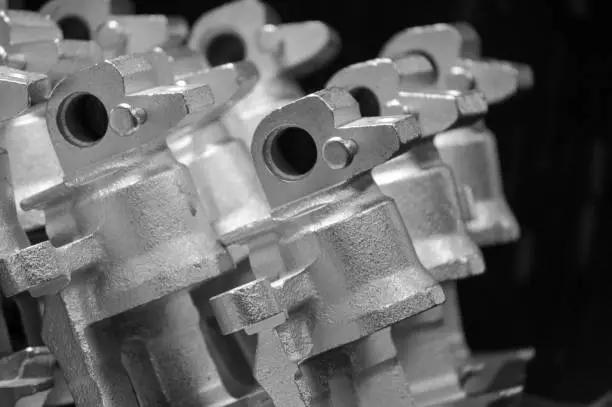
Zhejiang Fudebao Technology Co., Ltd. has built its reputation over many years by specializing in precision CNC machining and castings made of aluminum alloy, copper alloy, and stainless steel. Our integrated manufacturing method includes the whole value chain, from melting to surface treatment. This gets rid of the planning delays that come with having more than one source.
Our building has high-speed machining centers, advanced CNC lathes, low-pressure casting machines, and high-pressure die casting tools, so we can give everything from raw materials to finished parts all in one place. This vertical integration keeps the accuracy of the dimensions within the ±0.05mm range needed for precision applications in the auto industry, battery cases, and electronic housings. We work with global suppliers of aerospace, industrial equipment, and cars that need PPAP documentation, material certifications, and quick technical support throughout the lifecycles of their products.
We have direct supply agreements with foreign names, such as American HAAS automation machine tools and ESS energy storage systems, which proves that we can make things and that our quality control systems work. During the design development process, our engineering team works together to offer design-for-manufacturability ideas that lower the cost of parts while still meeting performance standards. Our flexible production methods and strict quality standards help buyers at all levels of the car industry meet their goals, whether they are prototyping new EV platform components or ramping up to full-scale mass production.
Conclusion
When choosing aluminum car parts manufacturers for making EVs, you need to think about a lot more than just price. The best production partner has certified quality systems, advanced processing skills that range from casting to finishing machining, and a supply chain that is flexible enough to support quick development processes. As bases for electric vehicles keep getting better by having lighter structures and built-in thermal management, buying teams need to make sure that providers are investing in next-generation alloys, environmentally friendly practices, and team-based technical support. Strategic partnerships based on technical know-how, open communication, and a shared commitment to innovation put automakers in a good situation to fight in the fast-moving shift to electric vehicles.
FAQ
What advantages does aluminum offer over steel for EV battery enclosures?
Aluminum is about 40% lighter than steel when it comes to container weight, and it's also a better thermal conductor, so heat can be removed during charging processes. Aluminum's natural resistance to rust means that it doesn't need extra coats to last longer, and its ability to absorb energy makes it safer in crashes. The fact that the material can be recycled fits with the environmental standards that are important for making EVs.
How can we verify a manufacturer's quality certifications?
Ask for up-to-date IATF 16949 certificates that show the casting and machining processes and include information about the accreditation body. Labs that are accredited (ISO/IEC 17025) for spectroscopy and mechanical testing can prove that they can test materials. Check out some examples of PPAP paperwork from past projects that show how to do measurement inspections, process capability studies (Cpk values), and material certifications that meet EN 10204 3.1 standards.
What lead times should we expect for custom aluminum EV components?
Depending on how complicated the part is, tooling development usually takes 8 to 14 weeks. After that, first-article production and PPAP approval take another 2 to 3 weeks. Lead times for production range from 3 to 6 weeks for machined parts and 4 to 8 weeks for cast parts, depending on the number of parts ordered and the level of finishing needed. Set up clear communication rules early on to make sure that the production schedule and the timeline for putting together EVs are in sync.
Partner with Proven Aluminum Component Specialists
For cars to become electric, manufacturers need to work together in relationships based on accuracy, dependability, and technical cooperation. Fudebao Technology offers integrated aluminum casting and CNC machining solutions that are made to meet the specific needs of EV production, ranging from battery enclosures to structural parts and thermal management systems. Our advanced manufacturing tools, IATF-compliant quality systems, and technical support team make sure that your parts meet the necessary material and size limits, as well as delivery dates that are important for making EVs competitive. Get in touch with Hank Shen at hank.shen@fdbcasting.com to talk about your specific aluminum car parts manufacturing needs and receive a detailed technical proposal. Check out fdbcasting.com to learn more about how we can help car OEMs and tier-1 suppliers around the world.
References
1. International Aluminum Institute. (2023). "Aluminum in the Automotive Industry: Enabling Light-Weighting and Electrification." London: IAI Publications.
2. Society of Automotive Engineers. (2022). "Aluminum Alloys for Electric Vehicle Battery Enclosures: Material Selection and Design Considerations." SAE Technical Paper Series, J2758.
3. Hirsch, J. (2023). "Advanced Aluminum Solutions for Sustainable Mobility." Materials Science and Engineering: A, Vol. 862, pp. 144-159.
4. American Foundry Society. (2022). "Die Casting Processes for Automotive Lightweighting Applications: Technical Guide." Des Plaines: AFS Technical Publications.
5. European Aluminum Association. (2023). "Circular Economy and Aluminum Recycling in Automotive Manufacturing." Brussels: EAA Industry Report.
6. Automotive Industry Action Group. (2021). "Production Part Approval Process (PPAP) Manual, 4th Edition." Southfield: AIAG Standards Publications.



YOU MAY LIKE