
Aluminum Die Casting Process, Materials, and Applications
2026-07-15
One of the most reliable ways to make large quantities of complicated, precisely measured metal parts is through the aluminum die casting process. Parts with tight tolerances, smooth surfaces, and nearly net-shape geometries are made by injecting molten aluminum alloy into hardened steel molds at pressures ranging from 1,500 to 30,000 psi. This high-pressure die casting method gets rid of the need for expensive bonding, cuts the weight of parts by up to 40% compared to traditional materials, and makes it much cheaper per unit when making a lot of them. From the automotive industry to the aircraft industry, this method is used for important tasks where strength-to-weight ratios and repeated accuracy are very important.
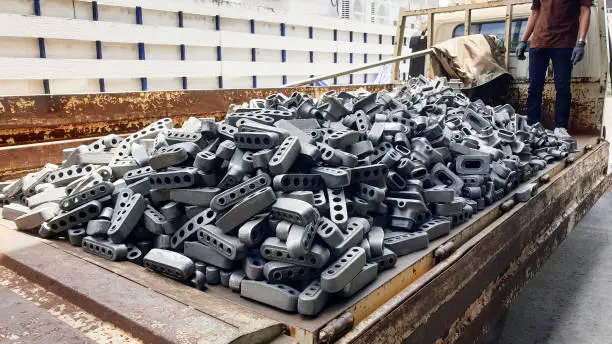
Understanding the Aluminum Die Casting Process
How High-Pressure Die Casting Works
Using a very exact set of steps, high-pressure die casting turns liquid aluminum into finished parts. The process starts when the steel mold is heated to between 300°F and 450°F so that the metal can flow properly and there is less thermal shock. After being heated to 1,200–1,300°F, molten aluminum is pushed into the hole at speeds of up to 100 feet per second. This fast injection stops the material from solidifying too quickly and records fine details down to 0.005 inches. Within seconds, cooling tubes that circulate water or oil harden the casting. The final part is then ejected by hydraulic pins for trimming and other tasks.
Key Process Parameters That Impact Quality
Comparing Die Casting to Alternative Methods
Sand casting is flexible for both small and large parts, but the surface needs to be machined a lot, and the tolerances rarely go beyond ±0.030 inches. Gravity casting has less porosity than sand casting, but it doesn't have the accuracy in measurements or the speed of output that die casting does. Between these two extremes is permanent mold casting, which works well for medium volumes where tooling costs need to stay low. When annual numbers are higher than 5,000 units, tight tolerances are important, and smooth as-cast surfaces don't need to be finished again, die casting is the best choice. This cost advantage is the reason why die casting is always chosen over other methods for making car gearbox housings, electrical motor enclosures, and aircraft brackets.
Materials in Aluminum Die Casting
Popular Alloys and Their Properties
Selecting Alloys for Specific Applications
When choosing materials, they must meet both the needs of the function and the limitations of the production process. Zinc metals can be made at lower temperatures, which means they have tighter tolerances and a longer die life. However, they are 60% denser than aluminum, which means they are not lighter. Magnesium has an even better strength-to-weight ratio than aluminum, but it costs a lot more and needs to be handled in a certain way because it can catch fire. Steel forgings have higher tensile strength, but they make parts 200% heavier and need a lot of cutting. Aluminum is the best choice for uses that need to prioritize resistance to rust, heat conductivity, and cost-effectiveness. Electric vehicle battery enclosures are a good example of this because aluminum's 96 W/m·K thermal conductivity quickly gets rid of heat while keeping the structure strong even after many charge cycles.
How Material Choice Affects Lifecycle Costs
Aside from the cost of the raw material, the aluminum die casting process, and the choice of metal affect how long tools last, how long it takes to machine, and how much finishing is needed. High-silicon alloys like A380 help reduce die wear, allowing molds to last longer than 100,000 shots. Copper-rich compositions, on the other hand, accelerate erosion, requiring molds to be serviced after 60,000 cycles. Better as-cast alloys require less heating, which saves energy and reduces waiting times. Corrosion-resistant materials eliminate the need for protective coatings, lowering finishing costs. When procurement teams evaluate the total cost of ownership, they need to compare these factors with the initial material prices. A356 might cost 15% more per pound than A380 for a component, but avoiding post-casting heat treatment and reducing rejection rates often results in cost savings over the product lifecycle.
Applications of Aluminum Die Casting in Industry
Automotive and Electric Vehicle Components
Aluminum die castings are used to make engine blocks, gearbox cases, steering column brackets, and suspension parts for cars. These parts have to deal with constant shaking, temperature changes from -40°F to 300°F, and corrosive road salts, all while helping the company meet its fuel efficiency goals. These requirements are made even higher for electric vehicle platforms. For example, battery housings need hermetic seals to keep water out, motor housings need precise mounting surfaces to keep bearing alignment within 0.002 inches, and structural members need to be able to absorb crash energy without breaking easily. Leading automakers require processes that are in line with PPAP. They want coordinate measuring machines to confirm dimensions and metallurgical analysis to confirm that the alloy's composition meets ASTM B85 standards.
Industrial Machinery and Heavy Equipment
Core uses in the industrial equipment sector include pump housings, compressor bodies, gearbox covers, and hydraulic valve blocks. These parts work in places where hydraulic pressures can hit 5,000 psi, temperatures change with the seasons, and there isn't much upkeep done for years at a time. In the past, this market was served by sand casting. However, switching to the aluminum die casting process cuts machining time by 60% and improves pressure tightness. Low-pressure casting methods work well for bigger industrial parts because high-pressure equipment gets too expensive for small jobs. They offer better mechanical properties than sand methods while keeping costs low for batches of 500 to 5,000 units per year.
Electrical and Renewable Energy Sectors
Aluminum is used in power transfer equipment, motor housings, heat sinks, and connecting bodies because it is 60% IACS electrically conductive and great at managing heat. These qualities are very important for telecommunications infrastructure—5G base station enclosures need to be able to repeatedly dissipate 500+ watts of power while also blocking electromagnetic interference and keeping out the weather. Solar inverter housings and wind turbine electrical cabinets are two examples of renewable energy applications. The corrosion resistance of these parts guarantees 25 years of service life in outdoor settings. More and more, these industries need CNC machining after casting to make sure that the placement of the mounting holes is accurate to within 0.002 inches. This makes sure that the electrical connections and heat surfaces are lined up correctly.
How to Choose the Right Aluminum Die Casting Partner
Essential Manufacturing Capabilities
Potential partners should show that they can do a lot of different things, like designing molds, optimizing the aluminum die casting process, making castings, using CNC machines, and finishing the outside of things. This vertical integration gets rid of coordination delays between subcontractors and makes sure that everyone is responsible for the accuracy of the final measurements. Production capacity is important. Plants with several die casting machines with clamping forces between 400 and 3,000 tonnes can handle both small batches of prototypes and large batches of mass production. Commitment to zero-defect manufacturing is shown by high-tech quality equipment like X-ray fluoroscopy systems, coordinate measuring machines with 0.0001-inch resolution, and spectrographic analysers that check the chemistry of alloys. Quality management systems are objectively checked by certifications like ISO 9001, IATF 16949 for car suppliers, and AS9100 for aircraft users.
Customization and Development Support
Before investing in manufacturing, responsive partners offer design for manufacturability consultations that find features that lower the quality of castings or raise production costs. Rapid prototyping services that use CNC-machined samples or 3D-printed patterns shorten the time it takes to make something, so you can test how it works before you buy hardened production tools. Flexible minimum order quantities allow for testing the market and ramping up production. Partners who are willing to make initial batches of 500 to 1,000 pieces show that they care about customer service. It's just as important to be clear about lead times. Making realistic plans that account for mold building (which usually takes 8–12 weeks), first item inspection, and production ramp-up keeps the supply chain from getting messed up further down the line.
Evaluating Global Service Networks
Suppliers that do business with other countries should offer localised technical support and know the rules and standards that apply in that area. Understanding the aluminum die casting process, including PPAP documents, DFMEA methods, and dimensional layout reports, means you know how Western car manufacturing practices work. Having long-term partnerships with major suppliers to American and European OEMs shows that you can meet high-quality standards. Building a communication system that lets you get real-time information on output, reports on dimensional inspections, and material certifications boosts trust throughout the procurement process. Being close to major shipping ports and having experience with international logistics can lower the total landed costs while keeping the reliability of delivery.
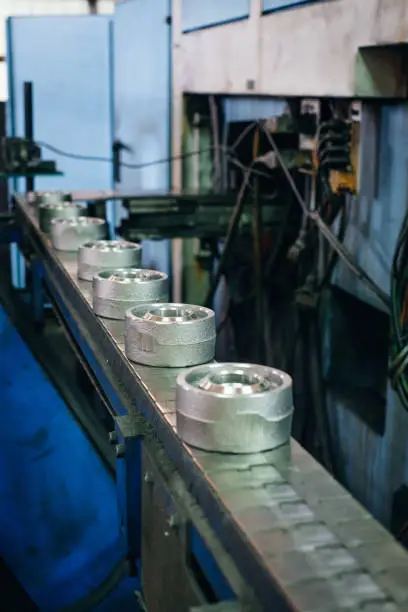
Optimizing Aluminum Die Casting Performance and Quality
Addressing Common Production Challenges
The most common flaw is still porosity, which is caused by trapped air during hollow filling or hydrogen gas taken from moisture during melting. When compared to traditional methods, vacuum-assisted die casting systems get rid of 80% of the porosity by removing air from the cavity before injection. Making the gate design better—the point where the molten metal enters the cavity—ensures smooth flow patterns with little turbulence. During solidification, intensification systems add extra pressure, which squeezes out tiny holes and compacts the metal structure before they turn into lasting flaws.
The Critical Role of Cooling Management
60–70% of the total cycle time in the aluminum die casting process is spent cooling, so managing temperature is important for production. The die's cooling channels are placed in a way that keeps the temperature evenly distributed. This stops hot spots that cause localized shrinkage. By using additive manufacturing to make die inserts, conformal cooling lines can follow the shape of a part more accurately than traditional drilled channels. This cuts cycle times by 15–25%. At important points, temperature sensors provide real-time feedback, which allows coolant flow rates to be adjusted automatically. When parts are removed within the right temperature range, they have less residual stress, which reduces warpage and makes it easier to maintain consistent dimensions across production runs.
Best Practices in Mold Design and Maintenance
When choosing a tool steel, you have to weigh how well it resists wear against how well it transfers heat. H13 tool steel is the best choice because it keeps its hardness at high temperatures and doesn't lose its strength from heat after 100,000 cycles or more. To keep drag marks and sticking from happening, draft angles—the small taper that lets the part eject—must be greater than 1 degree per side. Proper venting keeps air from getting trapped and reduces the chance of flash formation. Vent levels of 0.001 to 0.002 inches let gas leave without letting metal leak. Preventive maintenance plans that include checking for cracks on a regular basis, keeping an eye on erosion at gates, and refurbishing moving parts on a regular basis all help to extend the life of dies and keep part quality high. Facilities that use thermal imaging and ultrasonic testing for predictive maintenance keep production from stopping because of catastrophic failures.
Conclusion
When it comes to making complicated, lightweight parts in large quantities (tens of thousands to millions of units per year), aluminum die casting is the best way to go. Procurement teams can make smart buying choices when they know about the basics of the process, the qualities of the materials, and the needs of the application. Quality partnerships with experienced aluminum die casting process manufacturers guarantee accurate measurements, consistent material properties, and on-time deliveries. As businesses keep asking for parts that are lighter, stronger, and cheaper, die casting technology improves with vacuum systems, new ways to cool the parts, and the ability to combine cutting with casting. Companies that put supplier technical depth, quality systems, and quick service at the top of their list of priorities can compete in the automotive, industrial, electrical, and aerospace markets.
FAQ
What advantages does aluminum die casting offer over other manufacturing methods?
Die casting makes parts that are very accurate in size (within 0.005 inches), have a great finish on the outside (80 to 120 Ra microinches as-cast), and are strong enough for use in applications that need to hold pressure. When compared to sand casting, die casting doesn't need as much cutting and can make walls as thin as 0.060 inches. When compared to CNC machining, die casting wastes 70% less material and costs a lot less per unit when more than 5,000 are made. Complex shapes that can't be made by stamping or forging can be made with this method, such as internal passages, undercuts made possible by slide cores, and fine surface details.
How can manufacturers reduce porosity and shrinkage defects?
Before the metal is injected, vacuum-assisted methods remove air from the die hole. This cuts porosity by up to 80%. The best gate design makes sure that there is laminar flow instead of chaotic filling, which keeps air from getting trapped. When you apply intensification pressure during solidification, the metal structure gets packed down, which reduces the number of shrinkage holes. It's important to choose the right alloy; high-purity melts with controlled gas content have lower hydrogen porosity. Managing temperature by placing cooling channels in a smart way stops hot spots that cause shrinkage. X-ray checks the quality inside, which lets process changes happen before problems spread through production runs.
What are typical lead times and minimum order quantities for custom castings?
Depending on the complexity of the part, making a new tool takes between 8 and 14 weeks. This includes designing the mold, CNC milling the die parts, and testing the first product. After the tool is approved, the production lead time is usually between 4 and 6 weeks. This includes casting, finishing, and quality inspection. Minimum order quantities depend on the size and complexity of the part. For example, to support tooling amortization, simple parts might need 1,000-piece minimums, while big or complicated parts might need 500-unit commitments. Well-known companies offer prototype services with machined samples or soft tooling, which lets you test how well it works before you spend money on a production-grade mold.
Partner with a Trusted Aluminum Die Casting Process Supplier
As a leader in China's aluminum foundry industry, Zhejiang Fudebao Technology serves global automotive OEMs, industrial equipment manufacturers, and aerospace clients with a wide range of services, including melting, casting, precision machining, and surface treatment. Our building has high-speed machining centers, CNC lathes, low-pressure casting equipment, and advanced die casting machines that can produce parts with tolerances of up to 0.05mm. These machines meet the exacting standards needed for precision parts in cars, medical device housings, and structural aerospace parts. We offer PPAP paperwork, metallurgical analysis, and measurement inspection records to help your supply chain work more smoothly. As a result of direct supply agreements with top American and European brands like HAAS automation and ESS energy storage systems, our engineering team works together to improve designs, make prototypes, and increase production levels. Our one-stop delivery plan from blank to finished product takes away the need for complicated organization, whether you need gearbox housings, electrical enclosures, or custom brackets. Visit fdbcasting.com or email Hank Shen at hank.shen@fdbcasting.com to talk about your specific needs and get a detailed technical proposal that fits your application.
References
1. North American Die Casting Association, "Product Specification Standards for Die Castings Produced by the Semi-Solid and Squeeze Casting Processes," 2021 Edition.
2. American Society for Testing and Materials, "ASTM B85 - Standard Specification for Aluminum-Alloy Die Castings," ASTM International Standards.
3. Kaufman, J. Gilbert, "Introduction to Aluminum Alloys and Tempers," ASM International, Materials Park, Ohio, 2000.
4. Jorstad, John L., "Understanding 'Sludge' in Aluminum Die Casting," Die Casting Engineer Magazine, Volume 54, 2010.
5. Drouzy, M., Jacob, S., and Richard, M., "Interpretation of Tensile Results by Means of Quality Index and Probable Yield Strength," AFS International Cast Metals Journal, June 1980.
6. Society of Automotive Engineers, "SAE J452 - General Information on Die Casting Alloys," SAE Technical Standards Board Publication.



YOU MAY LIKE