Aluminum Die Casting Expert Design Advice
2026-05-27
When engineering managers and buying directors look for aluminum die casting options, they all have to deal with the same problem: keeping costs low while ensuring accurate measurements, good material performance, and the ability to make more parts. The answer lies in knowing how this method of making things changes liquid aluminum alloy into high-integrity parts by injecting it under pressure into steel molds. This process makes complex shapes that can be repeated over and over again, which meets important needs in areas like making cars lighter, making industries last longer, and making sure that electricity flows through them. By understanding design principles and criteria for choosing suppliers, buying teams can make their entire portfolios of parts much more efficient and of higher quality.
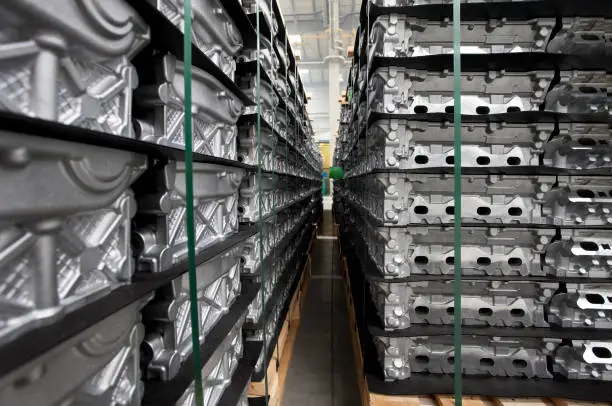
Understanding Aluminum Die Casting and Its Advantages
Aluminum die casting is an important way to make things. It involves pressing liquid aluminum alloys into precise steel molds at pressures higher than 10,000 psi. With this high-pressure die casting (HPDC) method, complex parts can be made with wall thicknesses as low as 1.5 mm, and the dimensions can be accurate to within 0.1 mm when everything is just right. The first step is choosing a metal, which is usually A380, ADC12, or AlSi9Cu3. The next step is controlled melting, injection, cooling, and ejection cycles, which can be finished in less than 60 seconds per part.
How Die Casting Differs from Sand and Gravity Methods?
Sand casting uses granular molds and cools more slowly. Die casting, on the other hand, uses reusable steel tools that make better surface finishes (usually 1.6–3.2 µm Ra) without the need for extra cutting. Because gravity casting uses less pressure, rotation times are greater and the dimensions are not as consistent. The HPDC method also reduces porosity by mixing metals quickly and turbulence, but it needs careful gate design to keep gases from getting trapped. Because of these differences, die casting is perfect for parts like transmission housings and electrical covers that need to be very precise and have smooth surfaces.
Key Benefits: Speed, Conductivity, and Scalability
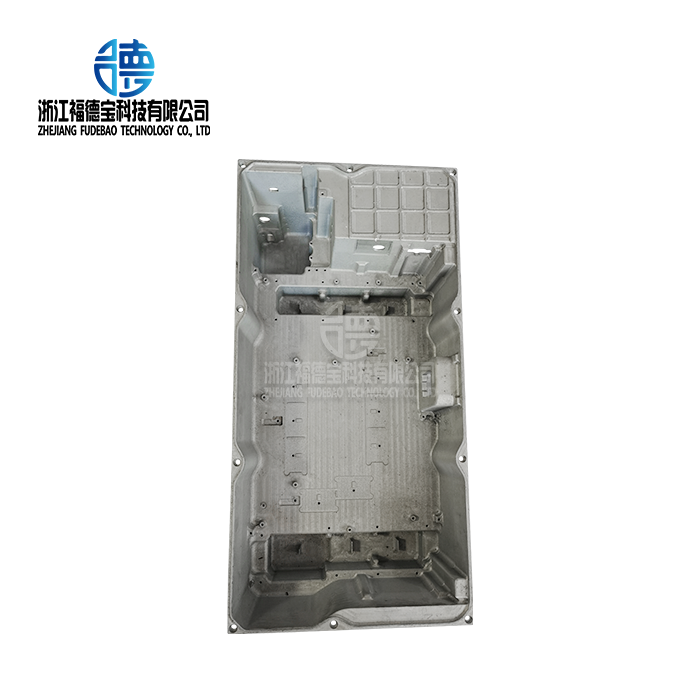
One big benefit is that automatic die casting cells can make 500 or more parts every day, which cuts the cost per unit by a huge amount for orders over 5,000 pieces. Because aluminum conducts heat well (about 120 W/m·K for A380), die-cast heat sinks work 40% better than similar steel designs. This is an important factor for power electronics in green energy systems. The natural oxide layer of the material protects against corrosion at a basic level. For naval or outdoor uses, this protection can be increased by anodizing or powder coating. This mix of speed, thermal management, and protective qualities is why car OEMs are specifying die-cast battery trays for electric vehicles more and more. Less weight means longer driving range.
Common Defects and Design Mitigation Strategies
The most common quality issue that people still have is porosity, which can be caused by trapped air or shrinking during solidification. Engineers get around this problem by using better locking systems to control the speed of the metal and placing spills in just the right places to catch turbulent flow fronts. When uneven wall thicknesses cause different cooling rates, warping happens. To avoid this, keep uniform parts within 20% thickness difference. Cracks that form during solidification are called hot tears. To avoid them, make sure the draft angles are right (at least 1 to 3 degrees) and avoid rapid section changes. When procurement teams know about these failure modes, they can evaluate the skills of suppliers during the RFQ phase. They can do this by specifically asking for process simulation reports and first-article inspection data to check the measures taken to avoid defects.
Expert Design Tips for Optimizing Aluminum Die Casting Parts
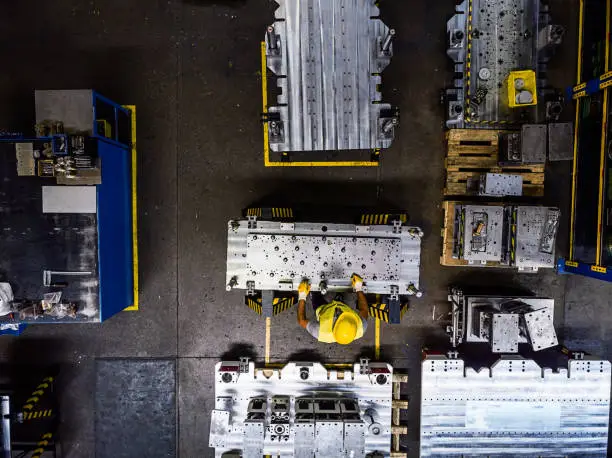
Design for manufacturability (DFM) rules have a direct effect on the cost of tools, the time it takes to make a part, and the quality of the part. Wall thickness uniformity is the most important rule. Keeping parts the same size, between 2.0 and 4.0 mm, makes sure that heat is extracted evenly and reduces the risk of porosity. If changes in thickness are necessary, they should happen slowly over at least three times the difference in thickness. This keeps stress from building up. Draft angles help the part come out; external areas need at least 1–2 degrees, while textured or deep pockets need at least 3–5 degrees to keep them from galling. By thinking about these math issues, you can make tools 30% simpler while still getting better first-pass return rates.
Alloy Selection for Performance Requirements
Which metal to use (A380 or ADC12) depends on the technical needs and working conditions. A380 is great for aluminum die casting and keeping pressure inside, so it can be used for things like car brackets and industrial pump housings that need modest strength (tensile strength of about 320 MPa). ADC12 has better flexibility for thin-wall parts, but it is not as flexible. When corrosion resistance is very important, like in electrical connector housings in marine sites, heat treatment makes A356 (which has 7% silicon and magnesium) more resistant, but it costs more. Material data sheets should help with the choice, and buying teams should ask for mechanical property documents to show that the numbers for yield strength, elongation, and hardness meet the needs of the application.
Mold Design Best Practices
Picking the right steel is the first step in making a mold that works well. When heated to 46–50 HRC, H13 tool steel has the thermal fatigue strength needed for 100,000 cycle lives in high-volume car production. Placing the cooling channels 10–15 mm below the hole sides keeps the mold's temperature stable between 200 and 250°C. This stops the material from solidifying too quickly and cuts down on cycle times. Venting is also very important. 0.025–0.05mm holes that are placed correctly let trapped gases leave without letting metal leak. The right size of runner and gate makes sure that metal flows smoothly at speeds below 40 m/s, which lowers the porosity caused by turbulence. Regularly checking wear-prone areas like cores and slides as part of mold maintenance plans can add 40% to the life of tools, which has a direct effect on the total cost of ownership.
Real-World Case Study: Automotive Bracket Optimization
A tier-1 car supplier came to us with a complicated design for a steering column bracket that had many mounting holes and built-in wire routing channels. The first version had four different wall thicknesses, running from 2.5 mm to 6 mm. This made the thicker parts more porous because they would shrink. We suggested cutting the 6.0 mm bosses down to 4.0 mm and adding internal ribs to make them stronger through a joint DFM study. This change cut the weight of the material by 18%, got rid of flaws in the porosity, and cut the cycle time from 95 seconds to 72 seconds. Because the client got PPAP approval on the first application, they didn't have to pay for expensive tooling changes. This example shows how early teamwork in the design process between buying teams, engineering teams, and casting experts can keep quality problems from happening later on and shorten the time it takes to make something.
Comparing Aluminum Die Casting with Alternative Methods for Informed Procurement
In addition to aluminum die casting, magnesium die casting, zinc die casting, and special plastics are also available as materials. Each of these has its own benefits. Magnesium die casting is 35% lighter than aluminum, which makes it a good choice for structure parts in spacecraft where every gram counts when it comes to fuel economy. But magnesium is more reactive, so it needs to be handled in a neutral atmosphere and machined in a special way, which raises the cost of production by 20–30%. The surface detail and physical accuracy of zinc die casting are very good, making it perfect for small electrical housings and decorative hardware. However, because it melts at 420°C instead of 660°C like aluminum does, it is not very resistant to heat. Plastic injection molding works well for non-structural uses with complicated shapes, but it can't compare to metal's ability to conduct heat or block electromagnetic waves, which is important for 5G base station covers.
Cost and Quality Trade-offs: Investment Versus Gravity Casting
Investment casting (lost-wax method) is great for making complicated aircraft parts with thin sections and internal passages, but the costs of tools and parts are 3–5 times higher than die casting because the wax patterns have to be made by hand, which takes a lot of work. Gravity die casting (permanent mold) is a medium ground. It has lower tooling costs than HPDC, but cycle times are longer and it can't handle as much complexity. The number of pieces being made decides which method is best. For example, investment casting is best for runs of less than 1,000 pieces, gravity casting is best for runs of 1,000 to 10,000 units, and HPDC is best for runs of more than 10,000 units, where the amortized production costs become almost zero. To get a true picture of the total landing costs of all the aluminum die casting methods, quality directors should ask for cost comparisons that take into account equipment amortization, scrap rates, and secondary operations.
Alloy Comparison: A380 Versus ADC12
8.5% silicon and 3.5% copper make up the A380 aluminum alloy. It has good flowability and middling strength, making it useful for a wide range of tasks. Because it doesn't let pressure through, it's best for hydraulic parts in industry machines. ADC12 (its Japanese name) has the same amount of silicon as A380 but less copper (2–3% less), which makes it better at resisting rust in electrical housings that are exposed to moisture. Tensile strength differences are still small—A380 gets 320 MPa and ADC12 gets 300 MPa—but elongation differences are big: A380 gets 3–4% and ADC12 gets 2–3%. The qualities of a metal should be matched to the type of loading it will be used for. For example, the ductility of A380 is good for dynamic uses like engine brackets, while the cost-effectiveness and smooth surface finish of ADC12 are better for static structural elements.
Procuring Aluminum Die Casting Services: A Strategic Approach
Verification of approval is the first step in evaluating a supplier. While ISO 9001 quality management systems offer basic peace of mind, clients in the automotive industry should demand IATF 16949 compliance to show that process controls are tailored to the automotive industry. For aircraft uses, AS9100 certification is now required. This ensures traceability and recording of the material's history. A manufacturing capacity assessment looks at more than just licenses. It also looks at available mass (machines that can hold between 250 and 4,000 tons), annual volume, and the ability to integrate secondary operations like CNC machining and surface treatment. Reliable lead times depend on stable sources of raw materials. Suppliers who keep strategic stocks of aluminum alloy can better handle changes in the market and keep supply schedules.
Geographic Considerations and Supply Chain Planning
Regional buying choices keep cost, quality, and the difficulty of operations in mind. Most North American suppliers have faster lead times (8–12 weeks for tooling) and make it easier to communicate about PPAP paperwork, but their labor costs are higher. European foundries are great at precise engineering, making small batches of prototypes, and using advanced modeling tools to do both. Chinese makers offer reasonable prices for large orders (30–40% less than Western prices) and have strong infrastructures that can support complicated assemblies. Intellectual property protection, product consistency, and shipping wait times, on the other hand, need to be carefully looked at. A strategy plan, prototypes and small-scale production could be done in-house to save time and money. Once designs are stable and quality standards are set, high-volume orders could be sent to cost-effective partners overseas.
Preparing Effective RFQs and Managing Lead Times
Requests for quotes should come with detailed 3D CAD models (STEP or IGES format), dimensional drawings with highlighted important features, yearly volume estimates with phase-in plans, and a list of the exact materials and finishes that are needed. Including useful performance factors, like the conditions for corrosion exposure or pressure tests, helps providers suggest the best alloys and secondary treatments. For complex car casting, a realistic lead time includes designing the tool (2–3 weeks), getting the steel (3–4 weeks), milling and trying it out (4–6 weeks), and inspecting the first piece (1–2 weeks). This adds up to 10–15 weeks. Parallel processing in rush programs can cut down on wait times by 30%, but they usually cost 15–20% more. Clear contract terms that spell out who owns the tool, who is responsible for making changes, and the annual number promises keep disagreements at bay while still allowing for engineering changes.
Conclusion
Engineering and procurement workers can choose parts that meet performance standards and maximize production costs if they understand aluminum die casting design principles and supplier selection criteria. Common flaws can be avoided and cycle times cut by making sure that wall thickness is regular, draft angles are right, and the right alloys are chosen. By comparing casting methods to others, such as investment casting or plastic molding, it is possible to make sure that the materials chosen meet the needs of function and the expected amount. Supply chain risks can be reduced by carefully checking suppliers' credentials, abilities, and past quality standards. Die-cast aluminum parts will be used more in electric vehicles, green energy infrastructure, and next-generation electronics systems as industries continue to focus on making things lighter and better at managing heat.
FAQ
What tolerances can aluminum die casting achieve?
Standard standards for aluminum die casting run from ±0.1mm to ±0.3mm, based on the size and complexity of the shape of the part. Post-casting CNC machining can get to ±0.05mm for critical measurements that need better control. Allowances for linear measurements less than 50 mm are usually ±0.1 mm, while features longer than 200 mm may need ±0.5 mm. Surfaces that are properly supported can meet smoothness requirements of 0.1 mm per 100 mm. Deep pockets and other features that depend on draft often need ±0.2mm limits because of release forces.
How do I prevent porosity in my die-cast parts?
To stop porosity, you need to use vacuum-assisted injection for important jobs, keep the mold temperature between 200°C and 250°C to keep the metal from solidifying too quickly, and control its speed with optimized gate systems. Some design strategies are to avoid thick parts that trap gas, put spills in places that catch turbulent flow fronts, and make sure that splitting lines have enough venting. Before building the tooling starts, suppliers should send process modeling reports that show fill patterns and possible gas trap sites.
What surface treatments work best for die-cast aluminum?
Powder coating provides excellent corrosion protection and aesthetic options, suitable for outdoor enclosures and architectural applications. Anodizing creates a hard, wear-resistant oxide layer ideal for heat sinks and electrical components requiring enhanced conductivity. Chromate conversion coatings offer lightweight protection for automotive under-hood parts. E-coating delivers uniform coverage for complex geometries in electrical assemblies. Treatment selection depends on environmental exposure, aesthetic requirements, and conductivity needs—consultation with finishing specialists during design phases prevents compatibility issues.
Partner with Fudebao Technology for Precision Die Casting Solutions
To find solid die-cast parts, you need a manufacturing partner with both technical knowledge and production control. Our factory has HAAS CNC machining centers and high-pressure aluminum die casting tools that can hold between 280 and 1,250 tons. This lets us finish parts to within 0.05 mm of the original size. To help with fast prototyping and production changes, we keep a specialized collection of aluminum alloys like A380, ADC12, and A356. For uses that need better mechanical properties, our low-pressure casting skills work well with standard HPDC. We offer automotive-grade quality in the transportation, electrical equipment, and industrial machinery sectors thanks to our IATF 16949 approval and direct supply partnerships with top North American automation brands. Our engineering team works together during the whole design process to make sure the parts are easy to make and cost as little as possible, whether you need test tools in two weeks or high-volume production with built-in surface treatments. Email Hank Shen at hank.shen@fdbcasting.com to talk about your aluminum die casting needs and get thorough paperwork that is specific to your situation.
References
American Foundry Society. (2021). Aluminum Casting Technology Handbook: Die Casting Process Fundamentals and Quality Standards. Schaumburg, IL: AFS Publications.
North American Die Casting Association. (2020). Product Specification Standards for Die Castings: Dimensional Tolerances and Surface Finish Guidelines (NADCA 403). Arlington Heights, IL: NADCA Technical Publications.
ASM International. (2019). Casting Design and Performance: Aluminum Alloy Selection and Heat Treatment. Materials Park, OH: ASM Handbooks Online, Volume 15.
Society of Automotive Engineers. (2022). Lightweighting Materials and Manufacturing Processes for Electric Vehicles (SAE Technical Paper 2022-01-0751). Warrendale, PA: SAE International.
Lumley, R. (2018). Fundamentals of Aluminum Metallurgy: Production, Processing and Applications. Cambridge, UK: Woodhead Publishing, Elsevier.
European Aluminium Association. (2020). Die Casting Best Practices: Design Guidelines for Automotive and Industrial Applications. Brussels, Belgium: European Aluminium Technical Reports.



YOU MAY LIKE
_1756352400994.webp "chassis enclosure")