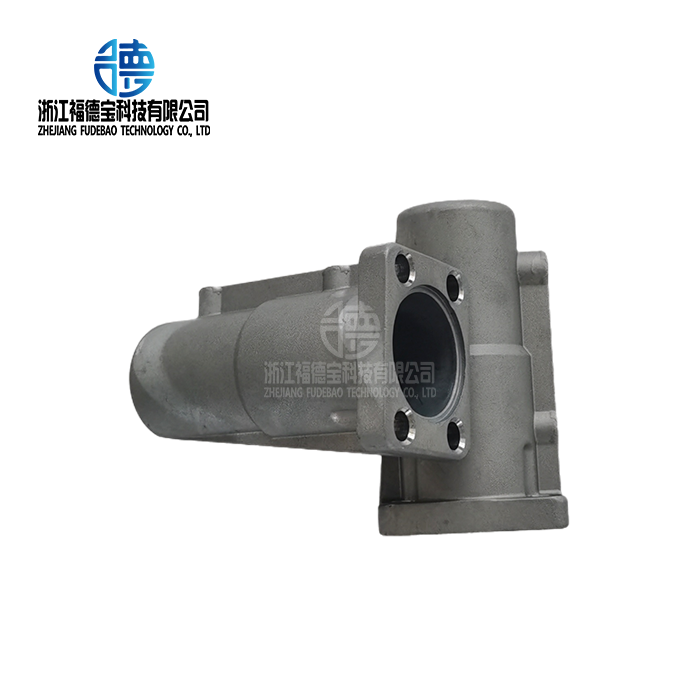
Role of Mesh in Low-Pressure Casting Process
2026-05-27
Today, low-pressure casting is the most popular way to make high-integrity aluminum parts, especially for parts like car wheels, motor housings, and structural parts that need to have good mechanical qualities. Mesh is very important in this controlled metal-filling process because it filters out impurities and controls the flow of molten metal as it goes into the mold cavity. Mesh keeps oxide films, non-metallic particles, and slag from getting into the final casting, which is important for making sure that parts meet the high quality standards needed by automakers, aerospace providers, and companies that make industrial equipment. When mesh technology is strategically added to casting processes, the result goes from being inconsistent to being reliable and defect-free.
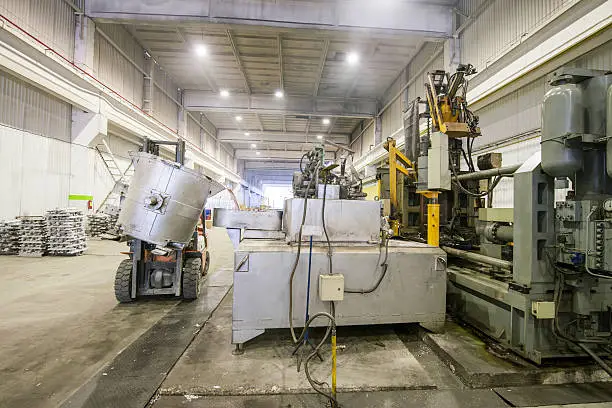
Understanding the Low-Pressure Casting Process and the Role of Mesh
What Makes Low-Pressure Casting Unique?
Learn about the low-pressure casting process and what mesh does. The main idea behind this way of making things is called "counter-gravity filling." Molten magnesium or aluminum metal sits in a holding furnace that is shut off and linked to the mold above by a lift tube. A controlled air pressure of 20 to 100 kPa pushes the liquid metal up into the mold at a steady, laminar pace. This method gets rid of the splashes and turbulence that happen when gravity dumping, which can introduce harmful oxide layers and trapped air.
The controlled filling speed makes it easy for the metal to move through the gates and runners, keeping the melt front together. During solidification, constant pressure from below causes thick parts to shrink, which gets rid of any interior holes that could weaken the structure. Material yield is often higher than 90% because the metal that is still in the feed tube goes back into the furnace when the pressure is released. This is different from traditional gravity methods, which lose material in big risers.
How Mesh Functions Within the System?
Mesh works as a physical barrier that stops solid contaminants from getting into the mold cavity when it is placed in the runner system or at the gate opening. Some of these impurities are oxide flakes that form when the metal melts, clay bits that come from the crucible wearing away, and slag that floats on top of the melt. If there isn't good filtration, these flaws get stuck in the structure of the casting and create stress concentration places that cause it to fail too soon when loaded and unloaded repeatedly.
In addition to filtering, mesh changes how flow moves. The small holes control the speed of the metal, stopping rapid accelerations that could damage the laminar flow pattern. This stabilization lowers the production of new oxides while the hole is being filled. Mesh materials are usually made of stainless steel or a special kind of ceramic foam that can handle the 660°C melting point of aluminum and the heat cycling that happens in settings where production is ongoing.
Engineers choose mesh specs based on the type of metal, the width of the casting wall, and the level of cleanliness that is needed. Tighter mesh holes catch smaller particles but also make flow more difficult, so it needs to be carefully balanced to keep production cycle times the same and quality goals met.
Key Challenges in Low-Pressure Casting and How Mesh Solves Them
Common Defects That Compromise Casting Quality
What are the main problems with low-pressure casting, and how does mesh solve them? Manufacturing teams often run into three types of important defects that make parts less reliable. Oxide inclusions show up in metals as dark bands or groups, and they make them much less flexible and durable over time. When turbulent flow bends the melt surface, it traps layers of aluminum oxide inside the casting. This makes these oxides. In safety-important parts of car suspension, these kinds of flaws can lead to catastrophic failures while the car is running.
Gas porosity shows up as small holes spread out in the part, mostly in the parts that harden last. Some porosity is caused by hydrogen absorption during melting, but air getting trapped in the chaos makes this problem a lot worse. These holes make hydraulic housings less pressure-tight and structural frames less able to hold weight.
Non-metallic inclusions, like pieces of furnace linings, tool debris, or alloying elements that haven't fully dissolved, make hard spots that damage machine tools and show up as flaws on polished surfaces. Such contamination is not acceptable in electrical link housings and motor casings, where accuracy in measurements and surface finish have a direct effect on assembly and performance.
Mesh as a Defect Prevention Mechanism
Using mesh filters to solve these problems works in two ways that work together. Physical straining gets rid of particles that are bigger than the hole in the mesh, which takes solid contaminants straight from the melt stream. A 20-mesh filter with an opening of about 0.85 mm can catch most slag and oxide groups while still letting enough flow through for most car molds.
Flow training is part of the second process. As the liquid metal moves through the mesh structure, differences in local speeds become less noticeable. This makes the flow more even across the gate. This level of regularity stops areas of high instability, which is where oxide films tend to grow. Case studies from top foundries show that using ceramic foam screens in wheel production cuts the number of flaws that can be seen on X-rays by 60–75%, which directly raises the first-pass yield rates.
When procurement managers look at mesh integration, they should look at performance gains that have already been proven. One major car provider said that the rate of scrap fell from 8.3% to 2.1% after they put stainless steel mesh filters in their control arm production line. The money spent on filter consumables was returned within four months through less repair and cost saves on materials. Ongoing benefits include happier customers and fewer warranty claims.
Designing and Selecting the Right Mesh for Your Low-Pressure Casting Needs
Critical Selection Parameters
How to Design and Choose the Right Mesh for low-pressure casting. To specify a mesh, you must first understand how the size of the hole affects the cleanliness standards for the alloy. For aerospace uses that need ASTM E155 Level 1 radiographic quality, particles bigger than 0.6 mm usually need filter that is 30 mesh or smaller. Industrial pump housings that don't have to meet strict standards may work fine with 10-mesh screening, which removes big pieces of slag while keeping flow high.
Material suitability determines how long mesh lasts and how well it always works. When metals first touch, stainless steel mesh can handle the heat, and molten aluminum alloys can't damage it chemically. Ceramic foam filters are better at filtering because their paths are more complicated, but they can only be used once. The choice relies on how much the product costs and how many defects are wanted.
Calculations of permeability show if the chosen mesh will keep acceptable filling times without causing solidification to happen too soon. Engineers have to find the best mix between how well the filter works and how much it blocks flow. To do this, they often test different mesh sizes to find the best compromise. With computational fluid dynamics models, mesh designs can now be tested virtually before investing in real tools.
Placement and Integration Strategies
The best placement of the mesh maximizes its filtering efficiency while minimizing the stoppage of flow. Some common places are the well area between the riser tube and horizontal runner, where the speed of the metal naturally slows down, and right before the gate, where the last filtering happens closest to the hole. Some foundries use two stages of filter, one with a wide mesh in the runner and one with a fine mesh at the gate.
Mesh holding systems need to keep the filter in place against metal pressure without making shapes that cause turbulence. Standard ways to hold things in place are spring clips, clay holders, and die-integrated pockets. Each works best with a different mold shape and production volume. To keep quality uniform across production runs, the retention system should make it easy to change the mesh quickly when the tools need to be serviced.
Maintenance Protocols and Lifecycle Management
During their working life, filters build up contaminants that get stuck inside them. This makes the flow more difficult and could let particles out if the structure breaks down. Setting replacement times based on shot count or eye review stops quality drift caused by filters. Disposable ceramic filters get rid of the need for upkeep, but they cost more per part to replace, so they are best for high-value, low-volume aircraft parts.
Cleaning rules must be followed between uses of reusable stainless steel mesh. Ultrasonic cleaning with alkaline solutions gets rid of particles that are trapped in the mesh while keeping the structure of the mesh. Only filters that can be used again are put back into production after being checked for tears, rust, or permanent distortion. Documenting filter lifecycles and defect links helps improve replacement times and find ways to make specifications better.
Comparing Low-Pressure Casting With and Without Mesh: Business and Quality Perspectives
Measurable Quality Improvements
Low-pressure casting With and Without Mesh: A Look at Quality and Business. The mechanical qualities of parts made with mesh filters are better than those made without filtering. Tensile testing shows that screened casts have 5-12% better elongation values, which is directly due to having less oxide in them. This increase in ductility means that car frames will be better able to handle crashes and industrial gear mounts will be less likely to vibrate.
Pressure-tightness tests reveal big differences, which are especially important for hydraulic lines and electric motor housings. At test pressure, castings that haven't been filtered may leak between 2 and 5 cc/min, but castings that have been filtered through mesh always leak less than 0.5 cc/min. This makes the guarantee less risky and gets rid of the need for expensive post-casting impregnation treatments that many makers use on weak parts.
The benefits of a surface finish go beyond how it looks. When there are fewer subsurface inclusions, machining processes run into similar material. This makes the accuracy of the dimensions better and reduces tool wear. CNC programs work reliably and don't break tools when they hit hard features. This cuts down on unplanned downtime and makes it easier to stick to delivery schedules.
Financial Analysis of Mesh Integration
A look at the costs of mesh integration. The initial investment includes mesh supplies, retention hardware, and possibly changing the shape of the runner to make room for filters. These up-front prices usually add a small amount to the cost of each casting run. But when you figure out the return on investment, you have to take into account more than one benefit stream that builds up over time.
Cutting down on scrap has the most direct cost effect. Cutting the number of defects on a production line that makes 100,000 units a year by 6% saves enough material, energy, and labor to make 4,000 good parts. At the average cost of making aluminum, this saves a lot of money each year, more than the cost of filter consumables.
The removal of rework adds more value. Parts that needed to be weld repaired, impregnated, or inspected again now pass the first quality gates, which cuts down on handling costs and speeds up production. Quality teams spend less time getting rid of useless parts and more time on activities that improve the process and lead to ongoing growth.
Supplier Landscape and Procurement Considerations
It's harder to measure gains in downstream customer happiness, but they are just as important. OEMs that get regular, defect-free parts build trust with their suppliers, which leads to more business and preferred seller status. This strategic stance explains why operational discipline is needed to keep mesh filter programs running smoothly.
A number of specialized companies make filtration items that are specifically made for aluminum casting processes. Ceramic foam filter makers offer different pore sizes and chemistries that work best with different metals and temperature ranges. Suppliers of stainless steel mesh offer both weaved and sintered structures with exact hole measurements and material certificates that can be shown.
Procurement pros should ask for statistics on filtration efficiency, certifications on thermal stability, and case studies that show how well the product worked in similar situations when they were reviewing sellers. To make sure that lots can be tracked and managed, supplier quality systems must match either the IATF 16949 standard for cars or the AS9100 standard for aircraft. Long-term supply deals with performance promises protect the continuation of production and hold people responsible for how well the filtration system works.
Future Trends and Innovations in Mesh Technology for Low-Pressure Casting
Advanced Material Development
New ideas and trends in mesh technology for low-pressure casting in the future. High-performance alloy mesh research looks into making mixtures that don't break down when exposed to liquid metal for a long time. Nickel-based superalloys and ceramic matrix composites offer longer service lives in high-temperature casting settings. This is especially important for copper alloy uses where temperatures are higher than 1000°C. These materials would make it possible for filtration systems to be used more than once in situations where throwaway filters are currently only used.
Protective coats put on mesh surfaces make them easier to release and stop aluminum from wetting, which keeps the filter from getting clogged and extends its life. Yttria and zirconia surfaces show promise in pilot tests, but they need more work to make them cost-effective for mass production in the car industry. As coating technologies get better, the cost balance may change in favor of screens that can be used more than once in a wider range of situations.
Smart Manufacturing Integration
Projects for Industry 4.0 are now hitting foundry floors, adding sensor technology and data analytics to the process of casting. Upstream and downstream pressure sensors of mesh filters measure flow resistance in real time. This allows predictive maintenance to change filters based on their true state instead of arbitrary shot counts. This optimization cuts down on filter changes that aren't needed and stops quality drops caused by filters that aren't working well.
During tool changes, automated vision systems check the state of the mesh and flag any broken filters before they stop production. In order to find the best filtering methods for different part shapes and metal compositions, machine learning algorithms connect filter specs, replacement intervals, and defect rates. Filtration goes from being a rigid part of the process to a dynamic quality control system that can adapt to changes in production thanks to this intelligence.
Temperature tracking in the filter zone finds early solidification, which means flow is being slowed down or there isn't enough superheat. Early notice systems tell workers to change the process settings before making any defective parts. This keeps production efficient and cuts down on the amount of waste. When furnace control systems are integrated, the whole casting process can be managed in a closed loop.
Sustainability and Environmental Benefits
Mesh filtration immediately helps with environmental goals by cutting down on scrap production and the energy needed for remelting it. Every 1% increase in first-pass yield gets rid of the furnace energy, labor, and pollution that come with reworking bad casts. In the world aluminum casting business, using mesh on a large scale saves a lot of energy and lowers the carbon footprint.
When compared to throwaway clay filters, reusable mesh systems produce less waste. Ceramic screens work better in important situations, but the damage they do to the environment makes people want cleanable, long-lasting options. How widely reuse systems can replace disposable filters will depend on how well cleaning methods and damage spotting tools are improved.
Recycling programs are looking more closely at casting scrap streams for pollution that makes secondary aluminum processing harder. Castings that were made with good screening have fewer oxide spots and non-metallic contaminants, which makes them a better choice for recycling. This premium for cleanliness could finally create market benefits that reward investments in filtering by raising the values of scrap metal.
Conclusion
Integrating mesh into low-pressure casting processes is a tried-and-true way to make the defect-free parts that the automobile, aircraft, and industrial equipment industries need. Through physical filter and flow conditioning, the technology solves basic problems like oxide inclusions, gas pores, and non-metallic contamination. When choosing the right mesh, you should think about how well it works with the alloys, the quality standards, and the cost of production. The mesh should then be placed strategically and maintained in a strict way. Quality changes directly help businesses by cutting down on waste, getting rid of extra work, and making customers happier. New developments in materials, smart production integration, and environmentally friendly practices are expected to make mesh more useful and useful to manufacturing companies that are looking to the future.
FAQ
What mesh size works best for automotive aluminum castings?
20-mesh stainless steel or 20 ppi ceramic foam filters work well for most car uses because they remove oxide films and slag well while keeping production cycle times the same. To meet strict radiographic standards, safety-critical suspension parts may need tighter 30-mesh filters. The optimal standard relies on how clean the alloy is, how complicated the part is, and the quality goals that were set by foundry engineers and customer quality teams working together.
How often should mesh filters be replaced during production?
Ceramic screens that are disposable need to be replaced after every casting cycle. Stainless steel mesh that can be used again and again usually lasts between 50 and 200 shots, based on how clean the alloy is and how hot the metal is. Foundries decide how often to change parts by keeping an eye on flow resistance, visible inspection, and how often defects happen. Condition-based repair is now possible with smart production systems. This makes the best use of filters while protecting quality.
Can mesh filtration eliminate the need for degassing?
Mesh gets rid of solid particles but doesn't get hydrogen that's dissolved in liquid aluminum. Degassing the right way to get rid of gas pores and mesh filtering the right way to get rid of oxide films are both important for quality control. Both of these methods are needed to make high-quality castings that meet aerospace and car standards, even though they deal with different types of defects.
Partner with Fudebao Technology for Superior Low Pressure Casting Solutions
Join forces with Fudebao Technology to get the best low-pressure casting solutions. Precision aluminum castings from Zhejiang Fudebao Technology are backed by advanced mesh filter systems that make sure the parts are consistent and free of flaws. We can do low-pressure casting, CNC machining, and surface treatment all in one building, so we have full control over quality from the time the metal is liquid to the time the part is finished. Our knowledge in mesh design and placement optimization can help your engineering teams meet the needs of your unique components. Quality systems that meet standards for the car and aircraft industries give you the records and tracking you need for your purchases. Get in touch with our technical experts at hank.shen@fdbcasting.com to talk about how our low-pressure casting and filter skills can help you make better parts and save time on production.
References
Campbell, J. (2015). Complete Casting Handbook: Metal Casting Processes, Metallurgy, Techniques and Design. Butterworth-Heinemann, Oxford, United Kingdom.
American Foundry Society. (2018). Aluminum Casting Technology: Principles and Applications for Permanent Mold and Low-Pressure Casting. AFS Technical Publications, Schaumburg, Illinois.
Dai, X., Yang, X., Campbell, J., & Wood, J. (2012). "Influence of oxide film defects generated in filling on mechanical strength of aluminium alloy castings." Materials Science and Technology, 28(9-10), 1031-1040.
Dispinar, D., & Campbell, J. (2011). "Effect of casting conditions on the reliability of Al-based alloys." Journal of Alloys and Compounds, 509(8), 3375-3381.
Kaufman, J.G., & Rooy, E.L. (2004). Aluminum Alloy Castings: Properties, Processes, and Applications. ASM International, Materials Park, Ohio.
Skallerud, B., & Iveland, T. (2019). "Quality assessment of low-pressure die-cast aluminum automotive components using advanced filtration systems." International Journal of Metalcasting, 13(4), 891-904.



_1756345939856.webp "Aluminum casting chassis")
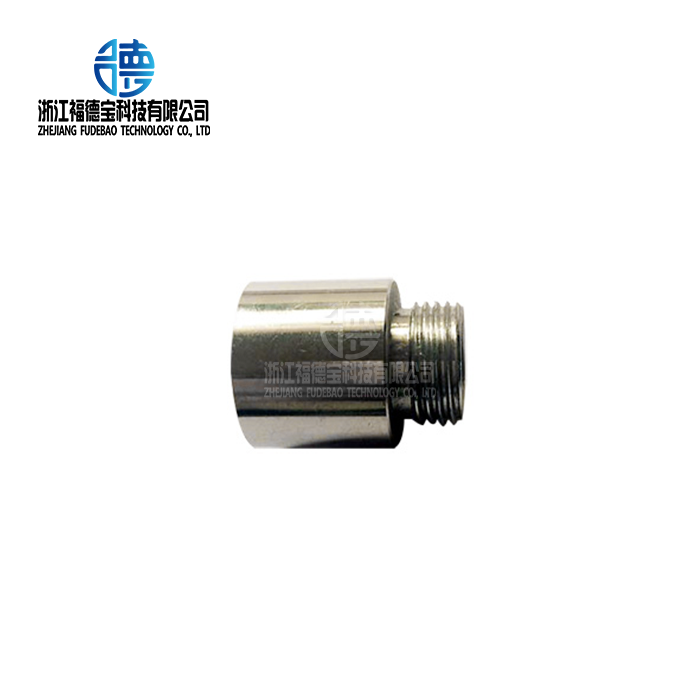
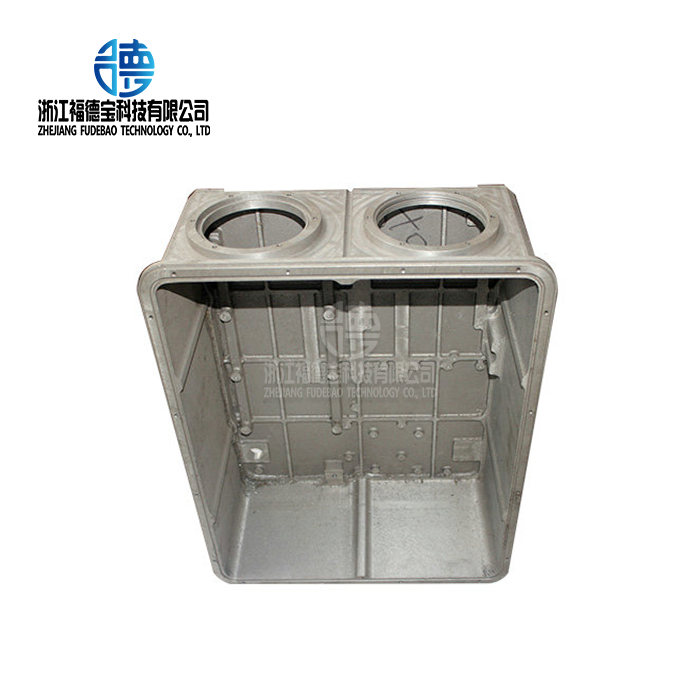
_1756348711711.webp "anti surge turbo housing")
_1756348227989.webp "Aluminum casting movable U frame")
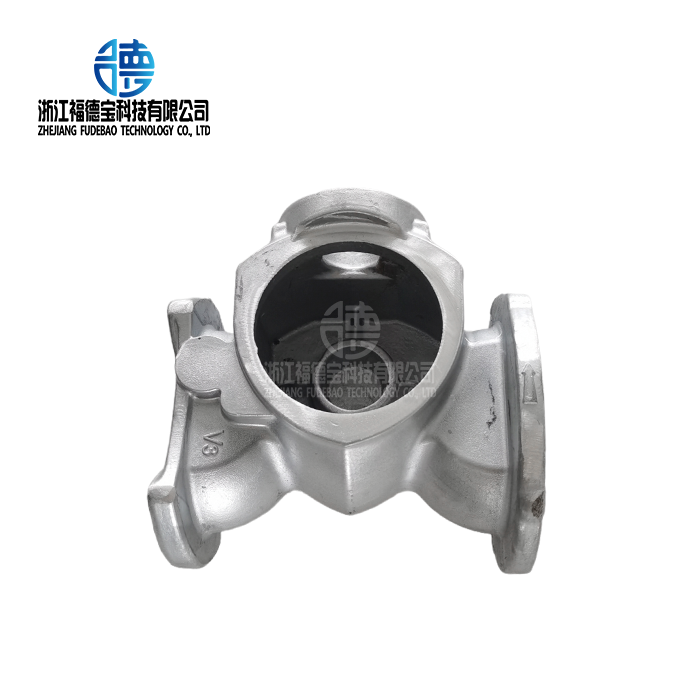
_1756346613780.webp "Aluminum tent base Casting")