Care and Feeding of your Aluminum Die Casting
2026-05-20
Taking good care of and feeding aluminum die castings can have a big effect on how long they last, how reliable they are, and how much it costs to own them in all industrial settings. High-pressure injection of liquid aluminum alloy into precise steel molds is how complicated, dimensionally stable metal parts are made by aluminum die casting. This process is very repeatable and very close to net-shape accurate, but how well finished parts work rests a lot on how they are stored, handled, inspected, and managed over the course of their lifetime. Setting up structured care procedures lowers the number of defects, stops failures before they happen, and makes it easier for procurement teams and manufacturing suppliers to work together in the supply chain.
Understanding Aluminum Die Casting and Its Key Challenges
By pressing liquid aluminum alloy (usually A380, ADC12, or AlSi9Cu3) through hardened steel dies at pressures above 10,000 psi, aluminum die casting turns molten metal into complex parts. The fast solidification makes parts with a smooth surface and tight tolerances, usually within 0.05 mm. These metals have a good strength-to-weight ratio, can conduct heat at a rate of 96–120 W/m·K, and don't rust naturally because an oxide layer forms around them.
Despite these benefits, die-cast parts still have to deal with problems. Porosity happens when trapped gases make tiny holes in a structure, which makes it less stable. When molten metal streams don't bond fully, leaving seams that can be seen, this is called a cold shut. Flash, which is extra material squished between the die halves, needs to be trimmed again. Mistakes in shrinkage happen when the material cools down, leading to differences in size. Changes in the injection speed, mold temperature, or holding pressure make these problems worse, which is why strict quality control is so important.
Common Defect Types and Their Root Causes
Most of the time, poor vacuum systems or bad gate design cause porosity, which traps air areas inside the casting. It means that the melt temperature wasn't high enough or that the die contact happened too soon. Flash points to worn die surfaces or gear that isn't lined up right. The shrinkage happens when cooling rates are not controlled or when there is not enough feed metal. Each type of defect affects mechanical traits in a different way. For example, porosity lowers tensile strength, while cold shuts create stress concentration places where cracks can start to spread when the structure is loaded.
Material Properties Influencing Maintenance Needs
When exposed to different environments, different aluminum metals react in different ways. The A380 has great fluidity and die-filling properties, but the surface needs to be treated to make it more resistant to rust in chemical or marine settings. Because A356 has better mechanical qualities and can be machined easily, it can be used in aerospace uses that need to be able to track the material's makeup and make sure it is safe. Knowing these differences helps procurement teams choose the right metals and post-treatment methods that will work in real-world situations.
Best Practices for the Care and Feeding of Aluminum Die Castings
Die-cast parts need to be maintained long before they are put together or used in the field. Systematic routines for storage, handling, cleaning, and checking stop mistakes that could have been avoided and make the aluminum die castings service last longer.
Storage and Environmental Controls
Castings made of aluminum should be kept in climate-controlled spaces that keep the temperature between 15°C and 25°C and the relative humidity between 40 and 60%. When different metals touch the surface, too much wetness speeds up rusting and encourages galvanic corrosion. Direct sunlight can damage protective layers and make precise parts expand and contract too much.
To keep surfaces from getting scratched, parts should rest on non-abrasive materials like foam-lined racks or plastic bins. When stacking heavy parts without separator layers, be careful not to damage thin-wall sections due to touch pressure. Cloths used for packaging must not contain chlorides, sulfates, or any other harmful chemicals that can damage the oxide layer on aluminum.
Before putting these controls in place, we saw that a lot of procurement teams didn't think about how storage conditions would affect things over time. A major automotive tier-1 supplier cut the number of cases of surface corrosion by 67% by tracking humidity and switching from cardboard boxes to sealed polyethylene packages. These natural protections keep your investment safe from the moment the parts leave the factory.
Handling Guidelines to Prevent Damage
Handling by hand offers big risks to the quality of the casting. To keep skin oils and salts from getting on surfaces, workers should wear clean cotton or nitrile gloves. Fingerprints cause localized rust sites that damage finishes and speed up the breakdown of materials.
Lifting methods need to take part shape into account. To keep them from bending, thin-walled housings need support that is spread out. Threaded plugs and mounting bosses should never be used as rising points unless they were made that way. Automated material handling systems that use vacuum grippers or custom fixtures get rid of human mistake and make sure that movement is always uniform and damage-free.
Cleaning Methods and Compatible Agents
Alkaline cleaners made for aluminum metals can be used to get rid of machining fluids, cutting chips, and handle residues. Do not use strong acids or chlorinated liquids because they damage the oxide layer and make pitting erosion more likely. Most cleaning solutions are pH-neutral soaps that have been adjusted according to the manufacturer's instructions and are used in ultrasonic tanks or spray washing at 50–60°C.
It's important to rinse well, because cleaning agents that get stuck in holes or complicated shapes cause rust to happen later. Rinsing with deionized water and then drying with forced air at controlled temperatures stops water spots and makes sure all the wetness is gone. Solvent vapor degreasing may be needed to get parts that will be used in electrical or precision assembly uses very clean.
These cleaning steps get parts ready for surface treatments that will make them last even longer. Anodizing makes an oxide layer that is stronger, more regular, and more resistant to wear. Powder coating lets you choose from different colors and adds extra shield protection. E-coating gives better coverage in tight spaces. Choosing the right treatment depends on the needs of the product, like how well it conducts electricity, how well it handles heat, or how it looks.
Inspection Protocols for Early Defect Detection
Visual inspection can find flaws like surface cracks, dimensional distortion, and layer damage, but non-destructive testing (NDT) is needed to find flaws below the surface. On X-ray radiography, internal porosity and shrinkage holes can be seen. Delamination and changes in wall thickness can be found with ultrasonic testing. Dye penetrant inspection shows flaws that break the surface that can't be seen with the naked eye.
By setting check times based on production volume and importance, you can keep bad parts from getting into assemblies. High-volume automotive parts may go through a fully automatic optical inspection, while aerospace parts are certified individually and come with full paperwork for their tracking. Statistical process control plans keep an eye on changes in dimensions, which lets mold maintenance happen before limits get out of whack.
Optimizing Aluminum Die Casting Performance Through Process Control
Disciplined process management during production is what makes part quality consistent. Important factors combine in complicated ways in aluminum die casting, so they need to be able to be tracked in real time and changed quickly.
Mold Temperature and Cycle Time Management
Die temperature has a direct effect on how metal flows, how fast it solidifies, and how parts come out of the die. Depending on the metal and the shape of the part, the best mold temperatures are usually between 150°C and 250°C. Not enough preheating leads to solidification and cold shuts happening too soon. Too high of temperatures lengthen the cycle time and help bonding, which is when liquid aluminum sticks to die surfaces.
Cycle time optimization makes sure that quality and output are both good. Faster processes increase output, but there is a chance that the tanks won't be fully filled or cooled enough. Slower cycles make mechanical features better, but they also make less use of the tools. Advanced die temperature controls keep the temperature profile even across complicated mold shapes, getting rid of hot spots that cause flaws in specific areas.
Alloy Selection and Geometry Considerations
To choose the right aluminum alloy, you have to weigh the cost, the ability to be made, and the metal's mechanical qualities. The A380 is the most popular choice for general-purpose tasks that need good flow and modest power. A383 is a little better at keeping air inside. ADC12 makes it more resistant to rust. When heat-treated, A356 has better tensile strength and flexibility.
Part shape has a big effect on how easy it is to make and how often it needs to be maintained. Even cooling and less warping are helped by walls that are all the same thickness. Large draft angles make removal easier without damaging the surface. Rounded corners get rid of stress points that cause fatigue cracks. Ribbing and gussets make clothes stiffer without making them too heavy. It's better for procurement teams to work with providers during design-for-manufacturing reviews than to impose strict standards without considering the process.
Automation and Real-Time Monitoring Integration
In modern die casting cells, sensors keep track of the cycle times, mold temperature, input pressure, and hydraulic pressure. Data analytics systems check current measurements against past norms, showing any differences before they lead to the production of faulty parts. Nonconforming parts are sent to different areas without any help from a person because of automated quality gates that use vision systems and coordinate measuring machines.
By connecting process factors with failure patterns, these technologies help with efforts to make things better all the time. Machine learning algorithms find small connections that traditional statistical methods miss, like how humidity in the air affects the effectiveness of mold release agents. This leads to smaller process windows, less waste, and a better ability to meet the strict requirements of customers in the automotive, aerospace, and electronics industries.
Procurement Considerations: Choosing the Right Aluminum Die Casting Partner
Comparing quotes is only one part of choosing a skilled seller for aluminum die casting. Long-term relationship success depends on technical skills, quality processes, and the ability to change how things are done.
Evaluating Certifications and Technical Capabilities
Industry certificates show that a provider is qualified and will follow quality standards. Getting IATF 16949 certification shows that your automotive quality control system is up to code. Certification to AS9100 shows that you can work with aerospace. ISO 9001 is a basic standard for quality security. Being a member of NADCA means you agree to follow best practices in the die casting business.
Technical skills are more than just a list of tools. Check out the company's in-house design and production of tools, which allow for quick prototypes and design changes. Check to see what secondary operations, like CNC cutting, surface treatment, and assembly, can be done to support single-source supply systems. Check the metrology tools and checking methods to make sure that dimensional proof meets your needs.
Comparing Alternative Manufacturing Methods
Depending on the number of parts and how complicated they are, aluminum die casting can compete with sand casting, permanent mold casting, investment casting, and CNC machining. Sand casting works well for both small and large parts, but the surfaces are rougher and the tolerances are larger. Permanent mold casting has better qualities than sand casting and costs about the same for the tools. Investment casting can make complex shapes, but it takes longer to make and costs more per piece. CNC machining is the most accurate way to make things, but it's not cost-effective for making a lot of complicated parts.
Die casting works best when the number of units made each year is more than a few thousand, the parts are complicated enough to warrant investing in tools, and the required level of accuracy in dimensions is within the range of what die casting can handle. When procurement pros understand these trade-offs, they can choose the best process for each job instead of forcing all needs into a single manufacturing method.
Understanding Cost Structures and Pricing Components
In die casting programs, the biggest up-front cost is the tooling. Multi-cavity dies for making a lot of car parts can cost a lot of money, while single-cavity tools for making industry parts are much cheaper. Tooling prices are found by spreading them out over the expected number of pieces that will be made. The cost of materials depends on the metal you choose. For example, A380 usually costs less than A356 or other specialized alloys. Extra handling costs are added by secondary processes. Through setup amortization and material buying savings, the number of orders affects the price.
Cost talks with possible suppliers that are open and honest show how well they understand your business's goals. Partners who are good at what they do don't just give numbers; they explain what causes costs and suggest value engineering options. This helpful method shows the kind of working relationship that is needed for long-term success.
Case Studies and Real-World Applications of Proper Aluminum Die Casting Care
Implementations in the real world show that systematic care practices for aluminum die casting have clear business benefits in a wide range of fields.
Automotive Powertrain Applications
After getting a lot of warranty claims for seal failures caused by corrosion, a North American transmission maker improved how they store and handle die-cast clutch housings. The updated plan called for storage with controlled humidity, the removal of cardboard packages with corrosive adhesives, and the use of white-gloved handling during assembly. Within six months, warranty claims dropped by 73%, which saved millions of dollars in repair costs and kept the brand's good name. The connection between the buyer and the seller got stronger when both sides agreed that they were responsible for more than just making sure the dimensions were met.
Electronics Thermal Management Components
A company that makes telecom equipment and 5G base station heat sinks found that their cleaning methods weren't always constant, leaving behind cutting fluids that made it harder for the materials to stick together properly. Using ultrasonic cleaning with rinse rounds of deionized water increased thermal conductivity readings by 12% and got rid of field failures caused by too much heat. All suppliers were required to follow the stricter cleaning requirements. This shows how process improvements at one site can raise standards across an entire business.
Industrial Equipment Pump Housings
An OEM for heavy machinery was having castings fail early in mine pump uses because porosity wasn't being found. By using 100% X-ray radiography screening to find faulty castings before they were machined, scrap costs were cut by 45%. Working together with the die casting source to improve the gating design and vacuum systems led to a drop in the number of instances of porosity, which created a positive circle of quality improvement. The method that combined process improvement and review worked better than either one by itself.
Conclusion
For aluminum die castings to be properly cared for and fed, they need to be stored, handled, cleaned, inspected, and the process needs to be optimized throughout the product's existence. Understanding how common defects work lets you stop them before they happen instead of fixing them after the fact. Protecting the integrity of castings from production to field deployment includes controlling the climate, following the right handling processes, and using cleaning methods that are compatible. Strategic source selection based on technical skills, quality systems, and a willingness to work together guarantees access to knowledge that enhances internal capabilities. The real-life case studies show that following strict maintenance routines pays off in the form of lower warranty costs, higher reliability, and better relationships in the supply chain. If procurement workers learn these rules, their companies will have an edge in demanding situations in the automotive, industrial, electronics, and aerospace industries.
FAQ
How often should aluminum die castings be inspected during storage?
Check for surface darkening, rust spots, or coating degradation once a month on aluminum die castings that will be stored for a long time. Parts that are valuable or used in important ways should be inspected more often. Monitoring the environment by keeping track of things like humidity and weather gives early warning of problems that make things worse. Before going into production lines, parts that are getting close to their planned use date should go through a full checkup that includes checking their dimensions.
What cleaning agents should be avoided when maintaining aluminum castings?
Do not use strong acids, chlorinated liquids, or cleaners that have copper or mercury chemicals in them. These chemicals break down the protective oxide layer on aluminum and start galvanic rusting. Abrasive cleaners with silica or alumina bits damage surface finishes and make places where stress cracks can start. Make sure the pH of the cleaning solution stays between 6.5 and 8.5, and test for compatibility before going live.
How can procurement teams verify supplier capabilities before committing to production tooling?
Ask for sample parts from current production runs so that you can use damaging tests to check the accuracy of the dimensions, the finish on the surface, and the quality inside. Look over the quality paperwork, which includes the process FMEA, control plans, and the results of the capability study. Do on-site audits to check the condition of the tools, the training of operators, and the application of a quality system. Before approving full-scale production, you should make test runs using tools and methods designed for production to make sure they work.
Partner with Fudebao Technology for Superior Aluminum Die Casting Solutions
Zhejiang Fudebao Technology Co., Ltd. is a specialized aluminum die casting company that works with companies around the world in the automotive, industrial machinery, electrical, and aerospace industries. Our integrated manufacturing plant has high-speed CNC machining centers, precision die casting tools, and low-pressure casting equipment that help with the whole production process, from melting the metal to treating the surface. We keep dimensional limits of ±0.05mm, which meets the strict needs for precision automotive parts, motor housings, and structural elements. Our PPAP paperwork and traceability tools meet the quality standards of automotive OEMs and aerospace companies. You can email our technical team at hank.shen@fdbcasting.com or visit fdbcasting.com to talk about the details of your project, ask for samples, or get quick quotes for both prototypes and full production runs.
References
North American Die Casting Association (NADCA). "Product Specification Standards for Die Castings Produced by the Semi-Solid and Squeeze Casting Processes." Fifth Edition, 2019.
ASM International. "ASM Handbook Volume 15: Casting." Materials Park, Ohio: ASM International, 2008.
American Society for Testing and Materials. "ASTM B85: Standard Specification for Aluminum-Alloy Die Castings." ASTM International, West Conshohocken, PA, 2021.
Society of Automotive Engineers. "SAE J452: General Information on Die Casting Processes." SAE International, Warrendale, PA, 2016.
Kaufman, J. Gilbert and Rooy, Elwin L. "Aluminum Alloy Castings: Properties, Processes, and Applications." ASM International, Materials Park, Ohio, 2004.
Rohatgi, Pradeep and Samuel, F. "Quality Control and Testing of Aluminum Die Castings: Methods and Standards." Journal of Materials Processing Technology, Volume 235, 2016.



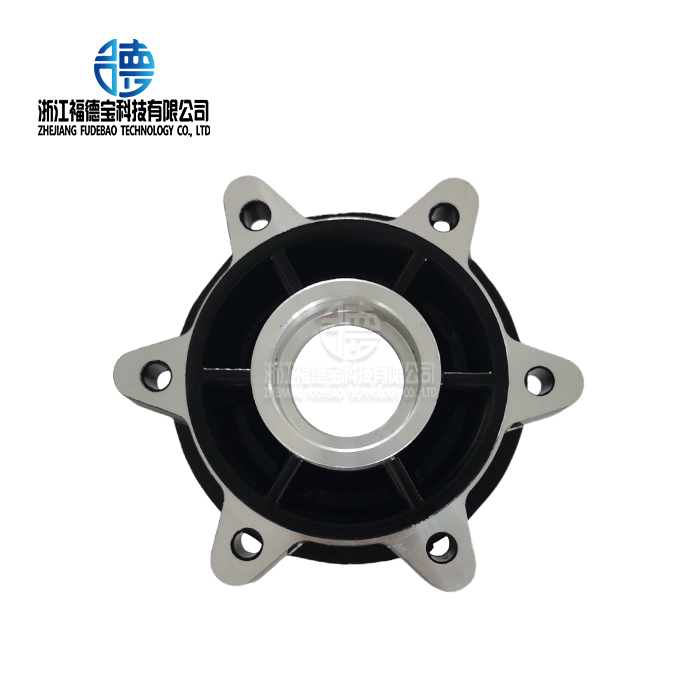
_1756348543350.webp "Automotive Turbine Casting")
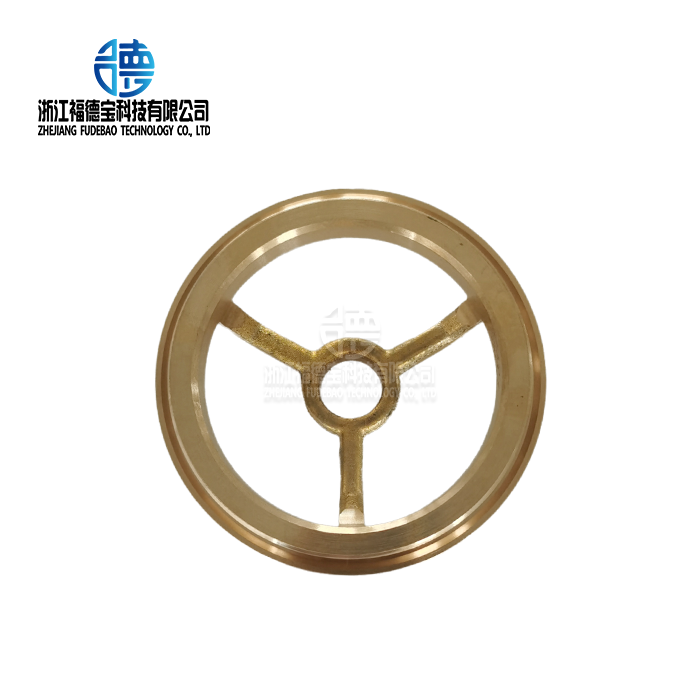
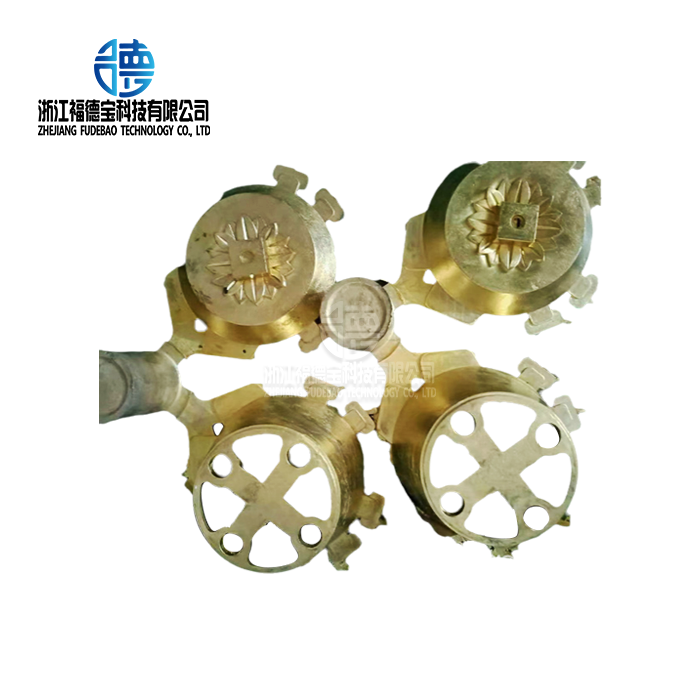
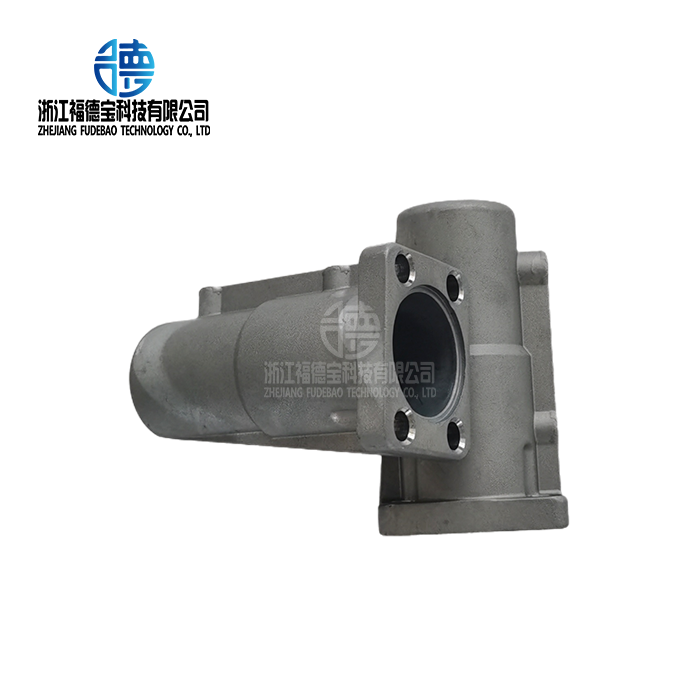
_1756349146076.webp "Lawn mower case casting")
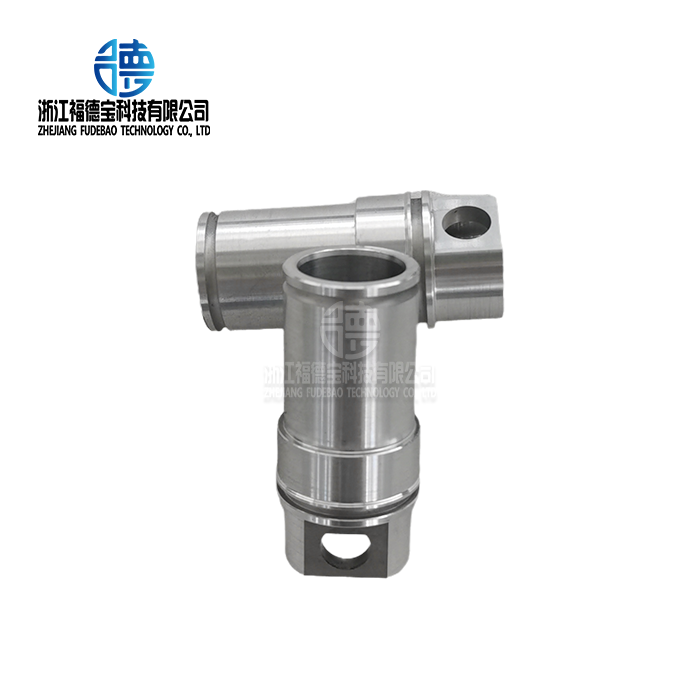
_1756346421748.webp "Aluminum casting telescopic bracket Parts")