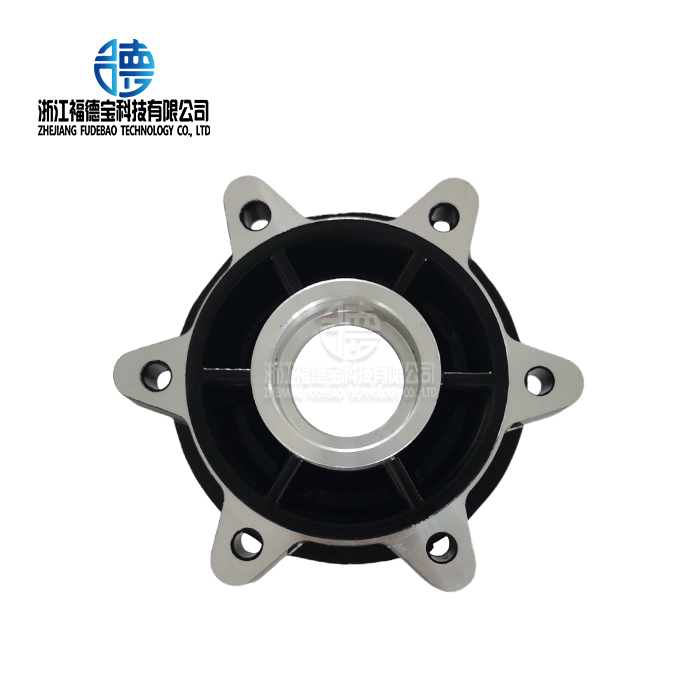
How Aerospace Manufacturers Reduce Weight with Aluminum Die Cast Parts
2026-06-23
By injecting molten aluminum metals under high pressure into precise steel molds, aerospace makers can use aluminum die casting to reduce the weight of their products. This method creates parts that are very strong for their weight, making them about one-third the density of steel while still keeping their structural integrity. The technology makes it possible for thin-wall designs, complicated combined shapes, and consistent dimensional accuracy, all of which are important for improving airplane speed, fuel economy, and cargo.
Understanding Aluminum Die Casting in Aerospace Applications
What Makes Aluminum Die Casting Suitable for Aerospace Weight Reduction
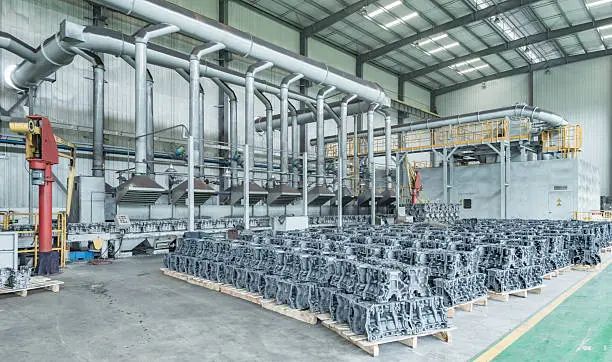
Under pressures ranging from 1,500 to over 30,000 psi, liquid aluminum alloys are poured into steel molds during the precise manufacturing process known as aluminum die casting. This high-pressure method makes near-net-shape parts that are very consistent in size and have a good surface. The process solves weight problems in aircraft by using precise manufacturing techniques and material qualities that are hard to get with other methods.
The technology does more than just reduce mass; it solves important problems in flight. Complex shapes with built-in mounting features, ribs, and bosses can be cast as a single piece, which gets rid of the need for screws and welded parts that add weight and could fail. Because die-cast aluminum parts are naturally stable in their dimensions, they don't need to be machined again, which keeps the weight benefits while keeping flight tolerances.
Aerospace-Grade Aluminum Alloys and Their Properties
Aluminum alloys like A380, A360, ADC12, and A356 are mostly used in aerospace because they have well-balanced dynamic qualities. The specific gravity of these metals is about 2.7 g/cm³, and their tensile strengths are high enough for structural and semi-structural uses. The natural oxide layer that forms on metal surfaces makes them resistant to rusting. This is important for parts that are exposed to air pressure and changing temperatures during flight operations.
Because they can conduct heat between 96 and 120 W/m·K, aluminum die-cast parts are useful for cooling down aircraft housings and power system cases. The electromagnetic shielding properties of the material protect delicate gadgets while adding very little weight. Because of these qualities, aircraft engineers are choosing die-cast aluminum more and more for parts that are usually made from heavy metals or put together from several machined parts.
Advantages Over Alternative Manufacturing Methods
Aluminum die casting offers better dimensional accuracy with tolerances usually within 0.05mm, compared to sand casting and investment casting. Surface finish quality right from the die cuts down on finishing steps and keeps weight goals in mind. Because walls can be made as thin as 1.5 mm, aggressive lightweighting techniques are possible that would not be possible with traditional casting methods, which need thicker parts to keep the structure together.
For high-volume production, die casting is better than CNC cutting because it cuts down on material waste and cycle times by a huge amount. Machining gives you more design options, but the buy-to-fly ratio—the weight of the raw material compared to the weight of the finished part—can hit 10:1 or higher, which is a big waste of weight and money. Die casting can make shapes that are very close to net shapes with little material loss, so the weight benefits stay the same during production.
Step-by-Step Aluminum Die Casting Process for Lightweight Aerospace Parts
Mold Design and Engineering for Weight Optimization
Engineers use modeling tools to find the best wall thickness distribution, rib placement, and material flow paths when they are designing molds. This is the first step in reducing weight. The goal is to get the lowest mass possible while still meeting the standards for structural load and manufacturing limits. Mold makers include features that allow for thin-wall sections, complicated undercuts, and built-in fastening points that make assembly easier.
Precision tools made from hardened steel can handle the heat and mechanical pressures of high-pressure aluminum die casting processes that happen over and over again. The tool life has a direct effect on the cost of production and the accuracy of the dimensions across production runs. Conformal cooling channels are an example of an advanced mold technology that keeps the temperature evenly distributed. This cuts down on cycle times while improving part quality and physical stability.
Injection, Solidification, and Ejection Phases
At the start of the die casting cycle, liquid aluminum with temperatures between 660°C and 720°C is poured into a mold that is already closed. The injection speeds and pressures are carefully managed to make sure that all of the cavities are filled without catching air or creating turbulent flow that could lead to porosity problems. The high pressure squeezes the metal as it solidifies, making parts with better mechanical properties and few empty spaces inside.
After injection, controlled solidification happens, and designed cooling systems take heat out at rates that make microstructure development best. Rapid solidification creates fine grain structures that improve the mechanical qualities while keeping the accuracy of the dimensions. Then, ejection systems take out the hardened part without any damage, getting the mold ready for the next cycle. Cycle times that range from 30 seconds to several minutes make it possible to make a lot of things while keeping the quality good.
Secondary Operations Preserving Weight Advantages
Most aircraft die-cast parts need to be machined again to get them to the right size and finish on the outside. CNC machines with multiple axes can perfectly make threaded holes, mounting surfaces, and bearing bores while removing as little material as possible. When machining, the goal is to keep the lightweight design that was set during casting.
Surface processes like anodizing, powder coating, and chemical conversion coatings make things more resistant to rust and wear without adding a lot of weight. These finishing steps protect parts over their entire useful life while keeping the basic weight benefits that aluminum die casting offers. Before parts get into aircraft supply lines, they are checked for quality using coordinate measuring machines, X-ray radiography, and other non-destructive testing methods to make sure they are the right size and sound inside.
Comparing Aluminum Die Casting with Other Manufacturing Methods in Aerospace
Performance Versus Zinc and Magnesium Die Casting
Zinc die casting has great surface finish and accuracy in measurements, but it is denser than aluminum, which limits its ability to reduce weight. Zinc alloys are better at being cast, which lets walls be even thinner. However, because they are weaker than they are light, they can't be used for load-bearing aircraft uses. The density of magnesium die casting is about 1.8 g/cm³, which makes it very light. However, it is prone to rusting, and the higher costs of the raw materials make the total cost of purchase more expensive.
aluminum die casting is the best material for aircraft uses that need middling to high strength, good resistance to corrosion, good thermal qualities, and a lot of weight saves. Aluminum is the material of choice for aircraft lightweighting projects because it has a long history of being used, a mature supply chain, and clear material specifications.
Aluminum Die Casting Versus Sand and Investment Casting
Die casting can make bigger parts and more complicated shapes, but sand casting and investment casting don't get as good at accuracy and surface quality. Because of their slower production rates and higher labor costs, these methods are not as cost-effective for making a lot of aircraft parts. Wall thickness limits in sand and investment casting are usually higher than die casting limits. This makes parts heavy for the same level of structural performance.
Die casting has better dimensional stability, so there is less difference between production lots. This makes assembly easier and makes parts more interchangeable. Die casting allows for better tolerances, which means that machining gaps are kept to a minimum. This keeps the weight benefits while lowering the cost of production. Because of these reasons, die casting is better for making large quantities of aircraft parts that support investing in tools.
Aluminum Extrusion and Machining Alternatives
Die casting can make complicated three-dimensional shapes, but aluminum extrusion can only make pieces with a constant profile that can be used for structural parts and frames. For extrusions, you have to do more cutting, joining, and putting together, which adds weight, cost, and possible failure modes. CNC machining from solid billet gives you endless geometry freedom, but it wastes a lot of material and takes longer to make things.
When choosing between die casting and other ways to make something, you should think about the total cost, the amount of parts you need to make, how complicated the shapes are, and the tolerances that need to be met. When choosing manufacturing methods for different parts, aerospace buying teams look at these things along with weight limits, certification needs, and the supplier's skills.
How Aerospace OEMs and Procurement Managers Choose Aluminum Die Casting Suppliers
Critical Certification and Quality System Requirements
Aerospace companies must keep their AS9100 quality management system approval, which shows that they meet industry-specific requirements that go beyond ISO 9001 standards. Achieving NADCAP certification for certain processes, such as non-destructive testing, heat treatment, and chemical processing, gives you even more peace of mind about the scientific and process control. These licenses are the bare minimum needed to work in the aircraft supply chain.
Traceability systems keep track of certifications for materials, process parameters, and test results throughout production. This allows for full paperwork that meets airworthiness standards. Aerospace suppliers use statistical process control to keep an eye on important measurements and mechanical features, and they have clear systems in place to fix problems that come up. Purchasing teams check these quality systems with initial audits, ongoing monitoring, and a look at source performance data.
Production Capabilities and Capacity Evaluation
When buying aerospace products, you need suppliers with the right tools, expert know-how, and production flexibility. The amount of tonnage, mold space, and additional machining tools that are available for an aluminum die casting machine must match the size, complexity, and volume needs of the parts. Suppliers who can do everything, from designing tools to finishing them, in-house shorten supply lines and make deliveries more reliable.
Batch size flexibility allows for the creation of prototypes, low-rate beginning production, and the switch to full-rate manufacturing that is common in aircraft projects. Rapid hardware development, prototype iteration, and production scale experience from suppliers lower program risk and speed up time-to-market. Teams in charge of buying things look at how much they can make compared to how much people think they will need and how well suppliers can meet delivery dates without lowering quality.
Global Sourcing Considerations and Supplier Selection
Aerospace aluminum die casting companies work all over the world, but the US, China, and Europe are where most of them are located. Each of these places has its own benefits. Sourcing strategy planning is based on knowing what the area can do, how much it costs, how long lead times are expected, and how to handle logistics. Suppliers in established aerospace manufacturing regions usually have more certifications and more aerospace-specific knowledge. On the other hand, suppliers in new manufacturing areas may be able to offer lower prices and more up-to-date tools.
Zhejiang Fudebao Technology is a good example of how modern Chinese makers can make aerospace supply chains. The company offers full services, from raw materials to final parts, as its facilities include melting, casting, precise machining, and surface treatment. High-speed machining centers, CNC lathes, low-pressure casting machines, and die casting machines are some of the tools that can achieve tolerances of up to ±0.05mm, which meets the strict standards of the aerospace industry. Direct supply agreements with foreign aerospace projects show that a company has the technical know-how and quality system maturity that aerospace OEMs look for.
Case Studies: Weight Reduction Success with Aluminum Die Cast Aerospace Parts
Structural Bracket Redesign Reducing Component Mass
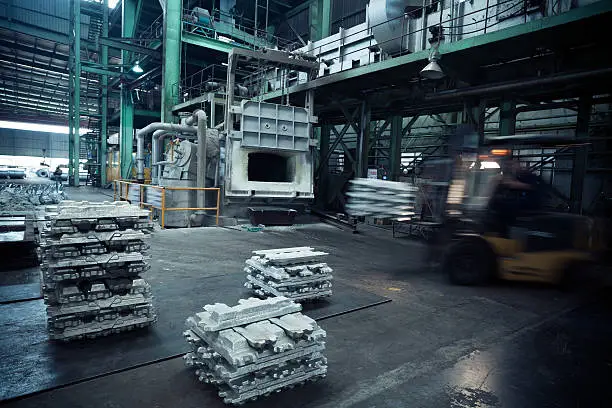
An aerospace OEM used aluminum die casting technology to rethink aluminum structural brackets that support electronics mounting. This made it possible to combine six machined parts and twelve screws into a single die-cast piece. The combined design got rid of the need for assembly, and compared to the original finished assembly, the weight of the parts was cut by 42%. Finite element analysis proved that the structure would work under the earthquake and shock stress conditions that were required for the installation site.
The weight decrease helped all of the planes in a measured way. The change saved 3.2 kilograms per plane because each plane now has eight frames instead of seven. During the creation of 500 planes, more than 1,600 tons of weight were saved, which meant that less fuel was used and more cargo could be carried. The streamlined design cut down on the number of pieces needed, the complexity of the inventory, and the amount of work needed to put the parts together. This shows that die casting is useful for more than just lowering weight.
Engine Bay Housing Optimizing Thermal Management
A single-cast part was used instead of a multi-piece welded aluminum assembly in an engine accessory box that was rebuilt for die casting. The die-cast form had built-in cooling fins and better wall thickness distribution, which made it better at removing heat while lowering its mass by 35%. The better temperature performance made the parts last longer and made them more reliable in the harsh engine bay environment.
The costs of production got a lot better with the die-cast form. The cost of the tools was paid back during the production run by cutting down on redundant welding, grinding, and scrap. For better assembly fit, consistent dimensions cut down on repairs and problems during installation in the field. The case shows how die casting technology can meet many performance and cost goals at the same time. This makes it appealing for aircraft uses that need to balance technical and financial needs.
Quantified Fuel Savings and Operational Benefits
Aerospace weight-reduction projects in aerospace that aim to use aluminum die-cast parts in a variety of flight systems achieve benefits that are greater than the sum of the benefits of each part. According to figures from the industry, taking away one kilogram of structural weight from a commercial aircraft saves about 1,500 liters of fuel per year based on normal use trends. Not only do they save money on fuel, but they also cut down on carbon pollution, which helps meet aircraft sustainability goals.
Operational benefits are a longer range that opens up new routes, a higher carrying capacity that makes it easier to make money, and longer component service lives that lower the cost of upkeep. These measurable benefits make it worth spending money on developing die casting tools and qualifying suppliers. When procurement teams use total cost of ownership analysis, they see that die casting's benefits go far beyond the cost of buying the first parts.
Conclusion
aluminum die casting has been shown to reduce weight, which is important for making high-quality aircraft parts. The technology makes parts that are strong, light, and meet very strict standards for mechanical properties, surface quality, and accuracy in measurements that are needed in aerospace uses. Die casting makes it possible for airplane designs to balance performance, efficiency, and cost-effectiveness by using the best alloys, precise process control, and integrated production capabilities.
Procurement workers choosing die-cast aluminum parts can work with suppliers who have AS9100 quality systems, modern production tools, and knowledge about aerospace. A careful evaluation of suppliers that looks at their certifications, technical skills, output flexibility, and possibility for partnerships helps make sure that the supply chain is reliable, which is important for the success of the program. Aluminum die casting is essential for aerospace lightweighting techniques due to its documented weight savings, cost savings, and performance gains.
FAQ
What are typical lead times for aerospace aluminum die-cast components?
Lead times depend on how complicated the part is, how many tools are needed, and how much is being made. It usually takes 8 to 12 weeks for prototype tooling and first samples, but it can take 12 to 16 weeks for production casting for complex aircraft parts. Production wait times vary on the size of the batch and the amount of machining that needs to be done. For regular orders, they are usually between 4 and 8 weeks. When a program needs faster delivery, suppliers with established flight programs and enough capacity can often work with shortened plans.
How durable are aluminum die-cast parts in aerospace applications?
When developed, produced, and finished correctly, aluminum die-cast parts last a very long time. The fine-grain microstructure that forms when the material solidifies quickly has mechanical qualities that meet the needs of aircraft structures. Using the right surface treatments, like anodizing or sealing systems, will keep things from rusting for as long as they are used. As long as the right material certifications, process controls, and inspection procedures are used and the parts are made according to AS9100 quality systems, they can safely last 20 to 30 years in aerospace uses.
Does aluminum die casting meet aerospace certification requirements?
When providers keep up with the right quality systems and process controls, aluminum die casting fully meets the requirements for aerospace approval. AS9100-certified providers follow inspection, paperwork, and traceability procedures that meet government standards. Aerospace quality systems need proof, and material approvals, first article inspection reports, and ongoing production documents give it. Getting NADCAP approval for certain processes adds more depth to certification. During seller qualification efforts, procurement teams should check that suppliers have the right certifications and that their quality systems are up to date.
Partner with Fudebao Technology for Aerospace-Grade Aluminum Die Casting Solutions
Aerospace programs demand manufacturing partners combining technical excellence with unwavering quality commitment. Zhejiang Fudebao Technology brings decades of precision casting and machining expertise serving global aerospace customers requiring lightweight, high-strength components. Our integrated manufacturing capabilities spanning melting, die casting, CNC machining, and surface treatment deliver complete solutions from concept to certified flight-ready parts. Equipped with advanced HAAS machining centers and comprehensive quality systems, we achieve aerospace tolerances to ±0.05mm while maintaining production efficiency. As a trusted aluminum die casting manufacturer for international aerospace OEMs, we understand certification requirements, traceability protocols, and documentation standards your programs require. Contact our aerospace team at hank.shen@fdbcasting.com to discuss your lightweight component requirements and discover how our manufacturing capabilities support your weight reduction objectives with reliability and precision.
References
Campbell, J. (2015). Complete Casting Handbook: Metal Casting Processes, Metallurgy, Techniques and Design. Butterworth-Heinemann, Oxford.
Kaufman, J.G. and Rooy, E.L. (2004). Aluminum Alloy Castings: Properties, Processes, and Applications. ASM International, Materials Park, Ohio.
SAE International Aerospace Standards. (2020). AMS 4291: Aluminum Alloy Die Castings, 8.5Si-3.5Cu-1.0Mg-1.0Fe, Society of Automotive Engineers.
Staley, J.T. and Tiryakioğlu, M. (2013). Physical Metallurgy and the Effect of Alloying Additions in Aluminum Alloys, in Fundamentals of Aluminum Metallurgy, Elsevier.
North American Die Casting Association. (2018). Product Specification Standards for Die Castings Produced by the Semi-Solid and Squeeze Casting Processes, NADCA Standards.
Mouritz, A.P. (2012). Introduction to Aerospace Materials, Woodhead Publishing, Cambridge, United Kingdom.



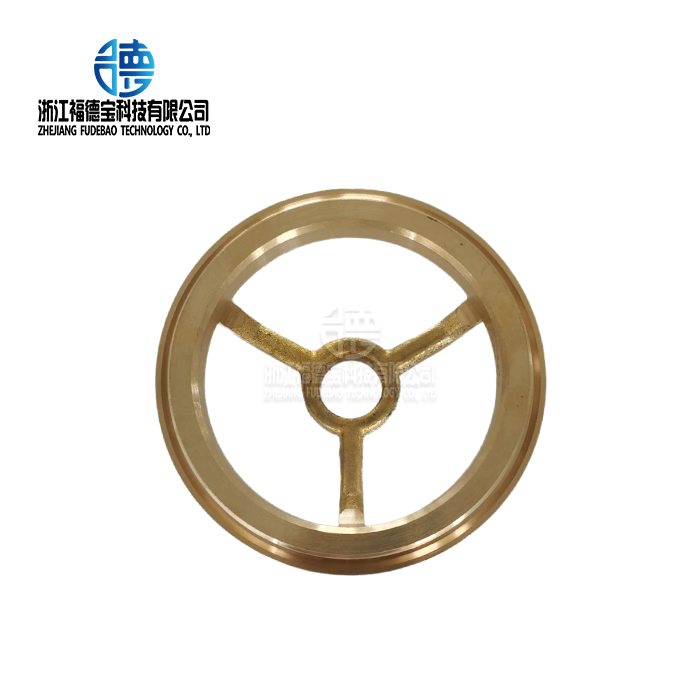
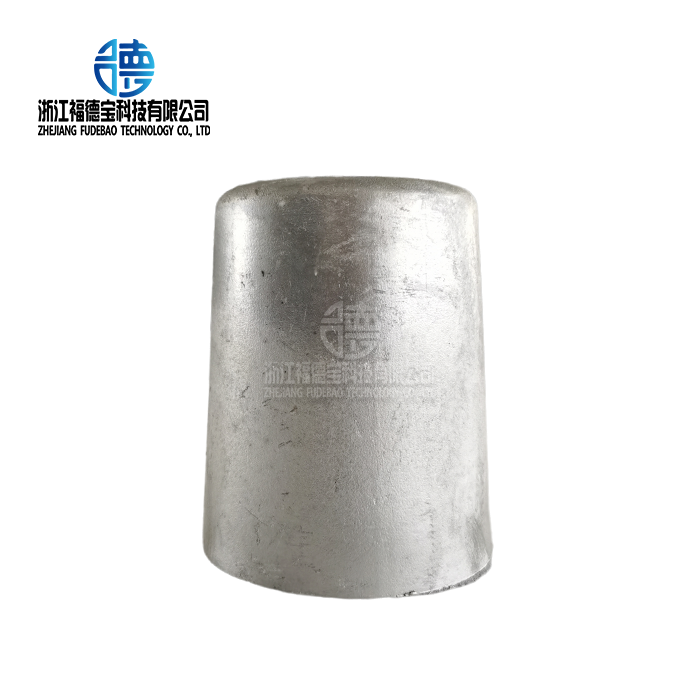
_1756350092126.webp "radiator cover")
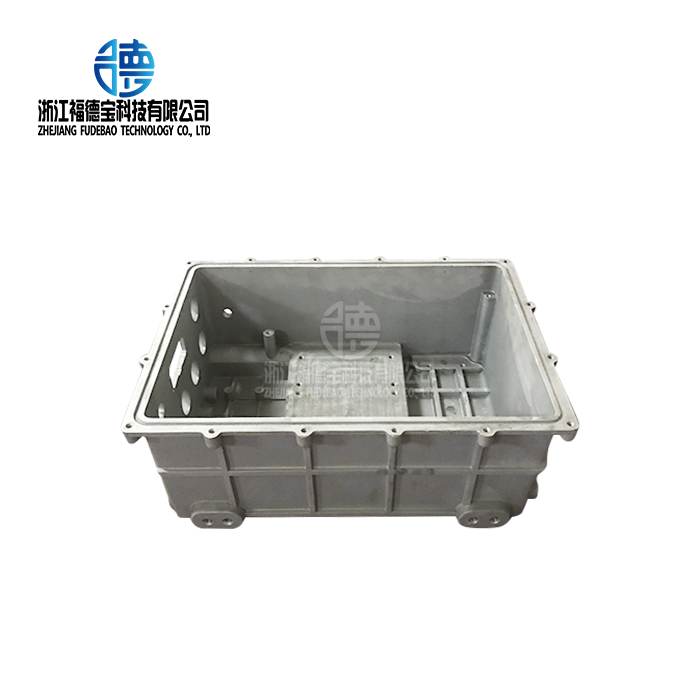
_1756348300182.webp "Aluminum die-cast housing")
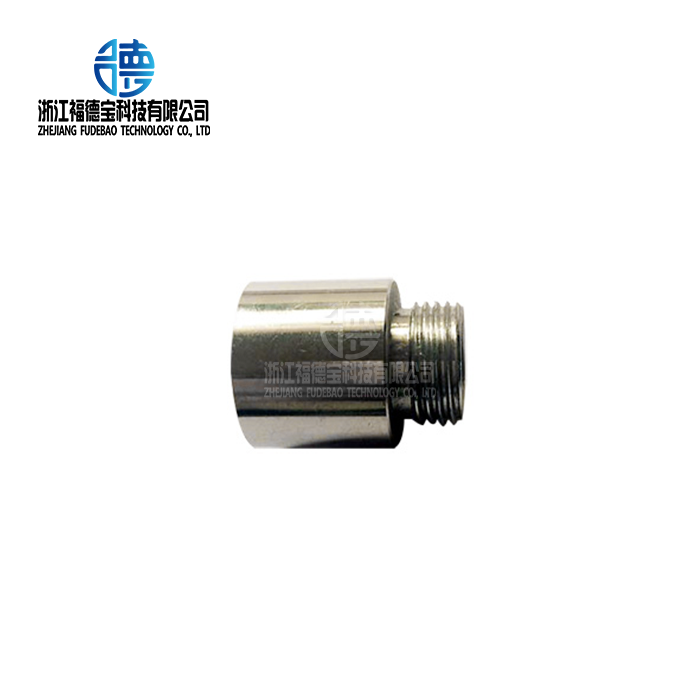
_1756346043433.webp "guardrail connecting block")