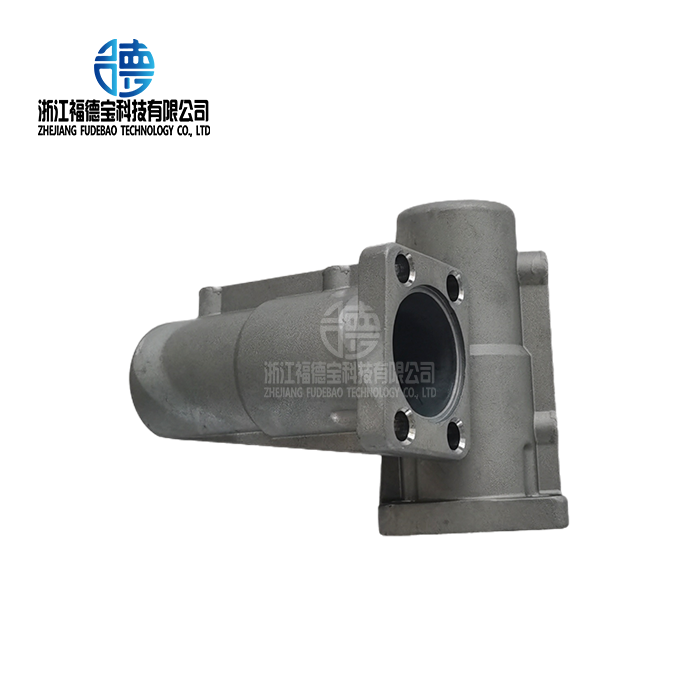
Why Sand Casting Copper and Aluminum is Still the Best Choice for Large Components
2026-07-07
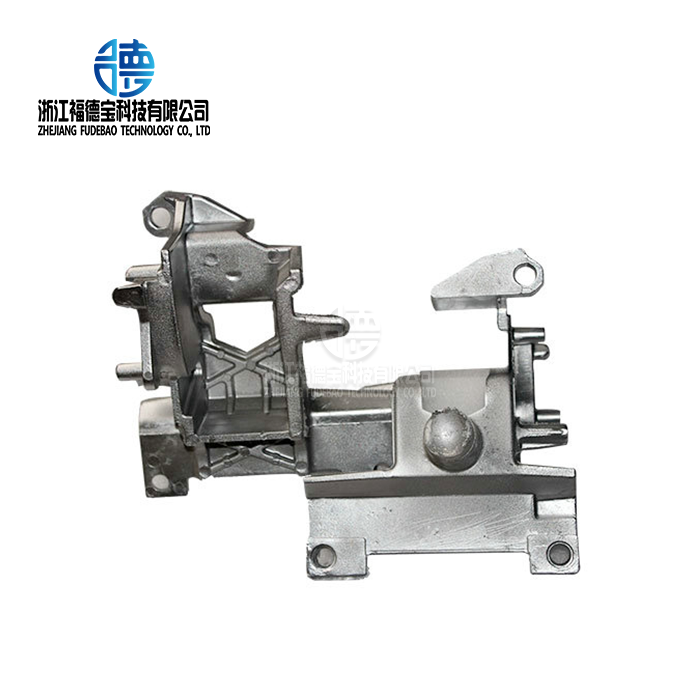
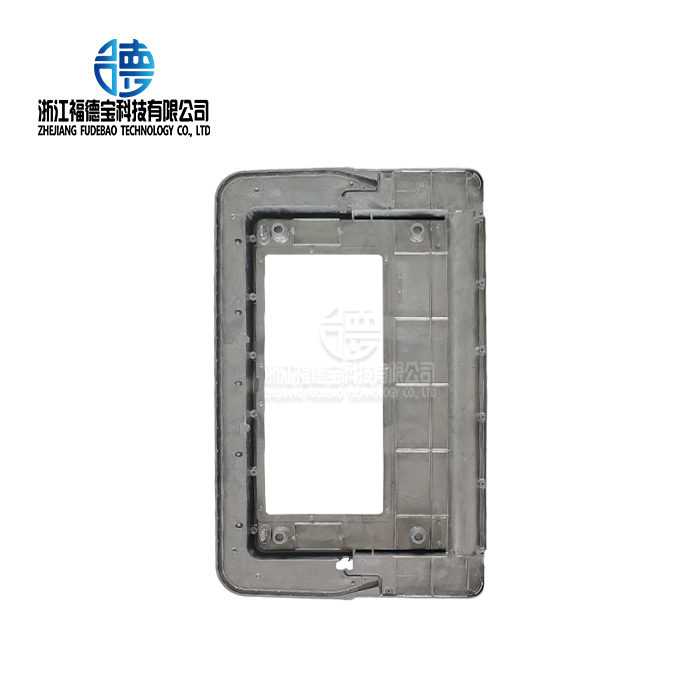
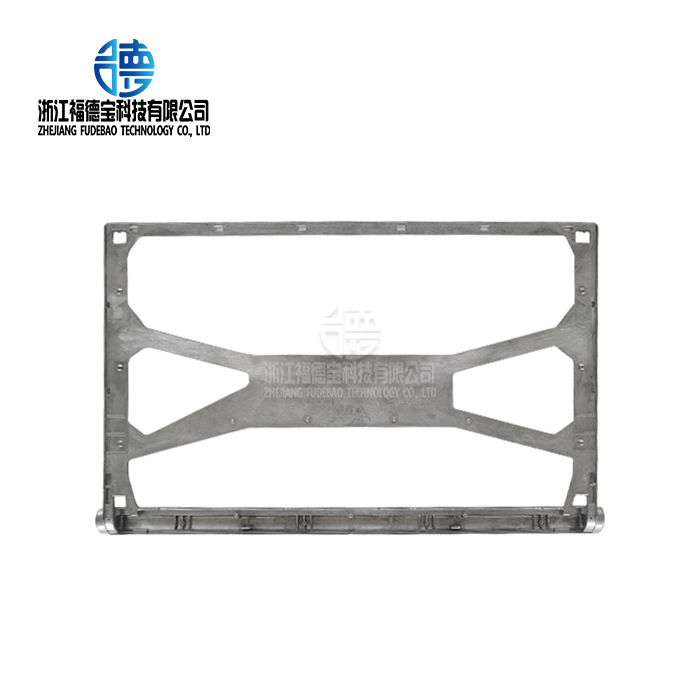
Copper and aluminum metals are still best made by sand casting, which is the best way to make big industrial parts. This process strikes a perfect balance between low cost, design freedom, and material performance. It can handle weights ranging from a few pounds to over 100 tons while still keeping structural integrity. Unlike die casting or investment casting, sand casting doesn't need expensive permanent tools. This means it can be used for medium-sized production runs and can support complex geometries with internal cooling channels and intricate passages that are needed every day by heavy machinery, energy equipment, and automotive powertrains.
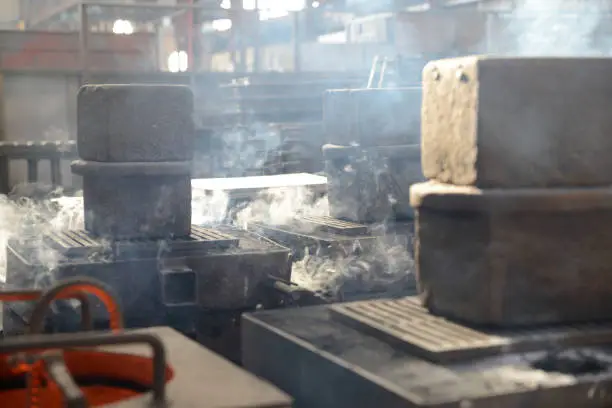
Understanding Sand Casting and Its Relevance to Large Components
Sand casting is a way to shape metal by using mixed sands that stick together to make models that can be thrown away after use. Most of the time, we use either green sand (clay-bonded) or resin sand (chemically bonded) methods, based on the size and finish needs of the part.
What Makes Sand Casting the Foundry Industry Standard
This method is used for more than 60% of all metal casts in the world, and there's a good reason for that. Sand casting is a cost-effective way to solve important problems in manufacturing that can't be fixed with other methods. Massive casting weights can be used, and the process gives us unmatched alloy freedom, so we can work with high-melting-point ferrous and non-ferrous metals like titanium, aluminum, copper, and steel—materials that are hard to work with in fixed molds.
Why Copper and Aluminum Excel in Sand-Cast Applications
Copper alloys are the best at conducting electricity and heat, and they also don't rust, so they can't be replaced in electrical housings or parts that remove heat. Aluminum alloys have a great ratio of strength to weight, which is important for uses in aircraft and cars where every gram counts. Because sand molds are collapsible, which means the mold breaks down when it cools, hot breaking doesn't happen in these metals, which shrink a lot when they solidify. This quality is especially useful when making big aluminum gearbox housings or copper motor end shields that need to stay the same size even when heated and cooled many times.
Because this method can be used with parts of different sizes and amounts, procurement workers and engineers can trust it for both testing prototypes and making full-scale products. We've always shipped parts that range from tiny electrical connectors that weigh only a few ounces to huge pump cases that weigh more than several tons, without lowering the quality standards.
Advantages of Sand Casting Copper and Aluminum for Large Components
When it comes to challenging industrial uses, sand-cast copper and aluminum parts are especially appealing because of their material qualities and low cost. These benefits have a direct effect on your bottom line and the dependability of your operations.
Material Performance Benefits That Enhance Component Longevity
Sand castings made of copper and aluminum blend mechanical strength, heat conductivity, and corrosion protection to improve performance and service life. The naturally occurring oxide layer on aluminum protects it from environmental damage, and copper metals keep their structure in place in harsh chemical conditions where failure would be very bad. When we use corrosion-resistant bronze alloys to make big valve bodies for oil and gas uses, the sturdiness of the material directly leads to shorter repair gaps and a lower total cost of ownership.
Economic Advantages That Transform Procurement Strategies
When compared to die casting or fixed mold methods, sand casting has much lower costs for tools and setup. Patterns are usually made in two to six weeks, while metal dies take months. This cuts down on the time it takes to get new ideas to market. This quick return makes prototyping possible, which saves money because you can test ideas and make changes without having to buy and throw away expensive tools.
Global buying teams that have to stick to tight budgets and tight deadlines really like how the supply chain is simpler and how little money they have to spend up front. Automotive tier-1 suppliers can quickly get working parts like structural brackets or samples of engine parts through sand casting. This lets engineering teams test the parts in real life before committing to high-volume production tooling. Heavy equipment makers often save 30 to 40 percent on the costs of their first production runs by using sand casting's flexibility. They only switch to other methods when the volume justifies the cost of buying new tools.
Real-World Applications Demonstrating Sand Casting Superiority
Excavator counterweights and transmission housings are two examples of how sand casting can be used to make huge parts that have the mass and vibration-damping qualities that are needed for heavy machinery reliability. These parts have to be able to handle regular shock loads and being exposed to the elements. Sand-cast aluminum and bronze alloys constantly meet these needs.
Applications in the energy field show how useful this method is even more. Sand-cast duplex steel or aluminum bronze alloys are used to make large pump frames that work in deep-sea settings where parts can't fail because of the high pressure and corrosion. The process's ability to use internal cores makes it possible to build complex internal passages that improve fluid flow. This is a design trait that is hard to get cheaply with other casting methods.
Common Challenges in Large Component Casting and How Sand Casting Addresses Them
Big metal parts are hard to make because of special problems that are hard to solve with old ways of doing things. Size restrictions in die casting come from machine mass limits and die prices that become too high as part sizes rise. Investment casting has a great surface finish, but for big items, the ceramic shell ingredients and processing time make it very expensive.
Overcoming Size and Complexity Limitations
These problems can be solved by sand casting, which lets you make complicated shapes with holes inside, walls of different widths, and complex patterns. Because the mold is disposable, there's no need to plan for lasting die splitting lines or core extraction limits. We often make parts with internal features that would have to be undercut in a way that isn't possible with die casting. For example, engine blocks have cooling tunnels and aircraft parts have internal reinforcement structures.
Managing Quality Issues Through Process Control
sand casting can handle variations in section width that other methods cannot, avoiding the dimensional errors they often produce. Other ways can't handle changes in section width without making mistakes, but sand casting can. In just one casting cycle, a single sand-cast box could change from heavy mounting bosses to thin-wall parts that are designed to save weight. This design freedom cuts down on assembly steps by combining several machined parts into a single casting. This lowers the cost of production and the number of places where something could go wrong.
Optimized mold design and mechanical process control are good ways to deal with common casting flaws like porosity and shrinking. We control the permeability of the sand to let gas leave and keep trapped gases from making holes inside the sand. The right design of gates and risers allows the metal to solidify in a certain direction, moving liquid metal to heavy parts as they cool and contract. Adding degassing agents to melted aluminum gets rid of the hydrogen that is dissolved in it. Hydrogen is the main cause of microporosity, which makes the material less strong.
Before parts leave our plant, they must pass strict testing standards to make sure they are reliable. Optical Emission Spectrometry is used to check that the alloy's makeup meets ASTM and EN standards. Attached witness bars are used in mechanical tests to confirm the tensile strength, yield strength, and elongation qualities, as well as the Brinell hardness. Purchasing managers and quality experts can be sure that structures are strong because of non-destructive testing methods like ultrasonic testing for internal integrity and magnetic particle screening for finding cracks on the surface.
Scanning with a Coordinate Measuring Machine to check the dimensions makes sure that the casting limits match the CAD models. Although sand casting typically meets ISO 8062 CT10-CT13 tolerances with surface finishes ranging from 6.3 to 12.5 Ra microns, planned CNC machining of key mating surfaces provides the accuracy needed for automobile and aircraft uses. This mixed method blends the cost benefits of sand casting with the accuracy of machined parts when required by standards.
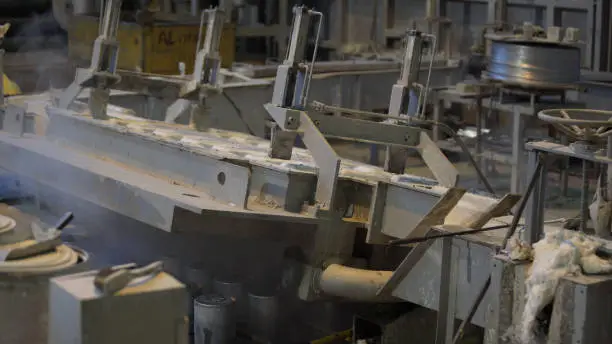
Enhancing Sand Casting Outcomes with Modern Technologies
Digital integration and progress in materials science have caused big changes in the way traditional foundries work. These technological advances directly meet the needs of buying workers for faster turnaround, better repeatability, and compliance with strict industry standards.
Digital Tools Revolutionizing Mold Design and Defect Prevention
CAD and simulation tools make it possible to create precise molds and predict defects before the metal is poured. Solidification modeling finds possible holes and gaps in the material that might shrink, which lets us virtually improve gate systems and riser placement. This cuts down on the actual processes of trial and error that used to take a lot of time and materials. We often get first-article success rates of more than 90% on complicated shapes by checking plans digitally before making the patterns.
Flow modeling models how molten copper or aluminum will fill the mold, showing rough spots where gas buildup or oxide formation could happen. Using modeling data to change the pour temperatures, mold coatings, and fill rates stops flaws before they happen, instead of fixing quality problems after the casts have hardened.
Advanced Materials Improving Mold Performance and Sustainability
Better binders and eco-friendly recycling methods for sand molds make the molds stronger, the surfaces smoother, and better for the world all at the same time. Resin sand systems with furan or phenolic binders are better at maintaining dimensions and surface quality than standard green sand. This is especially helpful for big castings where tighter tolerances mean less need for subsequent machining.
Sand reclamation systems take back and fix up used molded sand, which cuts down on the need for new materials and the cost of getting rid of trash. Modern mechanical and thermal restoration methods get rid of leftover binder, bringing back the characteristics of sand grains to almost virgin levels. This circular method fits with companies' efforts to be more environmentally friendly and saves money on materials, which is two benefits that buying teams are increasingly focusing on.
Automation Boosting Consistency and Throughput
Automated shaping lines cut down on tasks that require a lot of work while still keeping strict quality standards. Robotic pattern handling makes sure that the mold packing density is always the same, so human error that affects repeatability of dimensions is eliminated. Automated filling systems provide exact metal temperatures and fill rates, which lowers the need for skilled workers that used to make it hard for foundries to maintain quality standards.
These improvements in technology allow for faster turnaround times without taking away the freedom that makes sand casting useful. We can still adapt to changes in design and different production volumes while still meeting the needs of high-volume car and industrial equipment uses.
Why Global B2B Procurement Clients Prefer Sand Casting Copper and Aluminum for Large Components
More and more, procurement plans stress that suppliers can do more than just supply parts. Many things are taken into account by global B2B clients when they look at casting methods: following the rules, protecting the environment, being open about the supply chain, and the possibility of forming long-term partnerships.
Alignment with Industry Standards and Sustainability Goals
Sand casting easily follows environmental rules because the materials can be recycled and the process uses little energy. Aluminum and copper can be recycled over and over again without losing any of their properties. This supports efforts to create a circular economy. The smaller amount of energy needed compared to wrought metal forming lowers the carbon impact. This is something that companies look at when choosing a provider because they track Scope 3 emissions throughout supply lines.
Financial Risk Reduction Through Minimized Tooling Investment
The process can handle large amounts of work and has flexible lead times that can adapt to changes in demand. In die casting, you need to place a minimum order quantity to cover the cost of the tools. But with sand casting, the cost stays low over a wider volume range. This adaptability comes in handy when a new product is released and predictions about demand aren't always accurate, or when extra parts are needed and the number of orders changes based on the installed base service needs.
Purchasing teams are always under pressure to cut down on capital costs while keeping supplies flowing. Sand casting lowers the risk of losing money because it only needs small investments in tools. Patterns made of wood or plastic are much cheaper than steel dies and last long enough for middle production volumes. This efficient use of capital frees up money for other needs while keeping parts available.
Building Transparent Supply Chains and Dependable Partnerships
Cutting down on material waste improves financial success even more. The main things that are lost are the gating systems and ramps that are needed for sound casts, but these parts can be recycled in any way. Sand casting produces forms that are very close to net shapes, which reduces waste and processing costs when compared to subtractive production techniques like machining, which removes large amounts of material as chips.
For buying to go well, supply lines must be clear and relationships with suppliers must be reliable. Trusted partners make sure that quality is always the same, deliveries happen on time, and solutions are driven by innovation and can be changed to meet new needs. When two people have long-term ties based on shared understanding, they can do business more cheaply and more quickly when they need to.
When sourcing directors examine providers, they look at more than just their technical skills. They also look at how well they communicate and how well they fit in with other cultures. When you work with partners who take the time to understand your specific application needs, whether they are for PPAP documentation in the car industry, traceability methods in the aerospace industry, or compliance standards in the electrical industry, you get more than just component specs. This way of working together encourages relationships where suppliers act as an extension of your engineering team, giving you advice on how to improve the design so it can be made more easily and for less money overall.
Conclusion
Large-scale industrial manufacturing is still dominated by sand casting copper and aluminum parts because it strikes the perfect balance between technical ability, cost-effectiveness, and output freedom. Because it can handle complicated shapes, heavy loads, and different output volumes, the method can't be replaced in the energy, aerospace, automobile, and industrial equipment sectors. Digital modeling, advanced materials, and robotics are some of the new technologies that have raised the quality and environmental standards of traditional foundry methods. When procurement pros look at different ways to make big parts, sand casting always offers the best mix of performance, cost-effectiveness, and supply chain stability that global operations need.
FAQ
What distinguishes green sand from resin sand casting processes?
Wet clay and water binders are used in green sand, which makes it cost-effective to make more of it while still meeting normal variance requirements. Resin sand uses chemical fillers to give the finished product a better finish, better accuracy in measurements, and higher mold strength. This is especially helpful for making bigger, heavy parts, but the material costs are a bit higher.
How do foundries prevent gas porosity in aluminum and copper castings?
We control how permeable the sand is, make sure the molds have the right vents, and use degassing agents that are mixed into the hot metal to get rid of hydrogen and other gases that have dissolved. Managing the pouring temperature and optimizing the gate system also cut down on the turbulence that traps gases during mold filling in sand casting.
Can sand-cast components be used without secondary machining operations?
Most of the time, non-critical features work fine in their as-cast state. Most of the time, CNC machining is needed to make sure that mating surfaces, precision bores, and mounting faces are flat, concentric, and within the required dimensions. This is because sand casting naturally produces less precise tolerances than fixed mold methods.
What minimum wall thickness limitations apply to sand-cast parts?
Minimums are usually between 3 and 5 mm for aluminum and copper alloys and between 5 and 9 mm for heavy metals. If you try to make smaller sections, you could get cold shuts, which happen when the liquid metal freezes before it fills the mold hole completely. This leaves incomplete sections that weaken the structure.
Partner with Fudebao Technology for Your Sand Casting Requirements
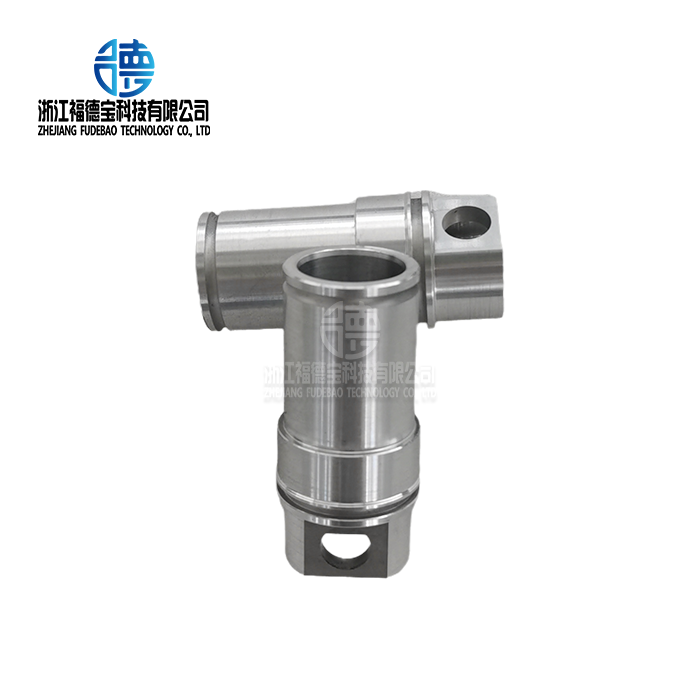
Zhejiang Fudebao Technology is a one-stop shop for all your sand casting needs. They specialize in making parts out of aluminum alloy, copper alloy, and stainless steel for the energy, aerospace, automobile, and industrial equipment industries. Our factory does the whole production process, from melting and casting to precise CNC cutting and surface treatment. This means that we can deliver the whole thing from a blank to a finished product in one trip, with tolerances of up to ±0.05mm.
We have high-speed machining centers, CNC lathes, low-pressure casting tools, and die casting equipment in our factories. This lets us meet the exacting needs of customers who need accurate parts for cars, electrical housings, and heavy machinery. Please email our expert team at hank.shen@fdbcasting.com to talk about your unique application needs and find out how our sand casting manufacturer can meet your needs for quality, dependability, and cost-effectiveness.
References
1. American Foundry Society (2021). Sand Casting Processes: Materials, Technology, and Applications. Des Plaines: AFS Technical Publications.
2. Campbell, J. (2015). Complete Casting Handbook: Metal Casting Processes, Metallurgy, Techniques and Design. Oxford: Butterworth-Heinemann.
3. Brown, J.R. (2019). Foseco Ferrous Foundryman's Handbook. 11th Edition. Oxford: Butterworth-Heinemann.
4. ASM International (2018). Casting Design and Performance. Materials Park: ASM Handbook Volume 15.
5. Beeley, P.R. & Smart, R.F. (2017). Investment Casting and Sand Casting: Comparative Analysis of Large Component Manufacturing. International Journal of Metalcasting, 11(3), 458-472.
6. Stefanescu, D.M. (2020). Science and Engineering of Casting Solidification. 3rd Edition. New York: Springer International Publishing.



YOU MAY LIKE
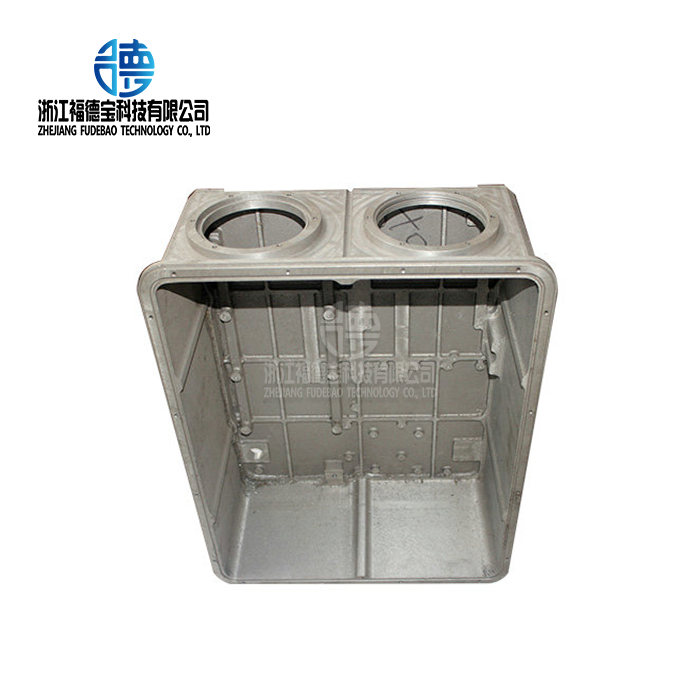
_1756349002499.webp "Aluminum alloy clamp casting")
_1756348227989.webp "Aluminum casting movable U frame")