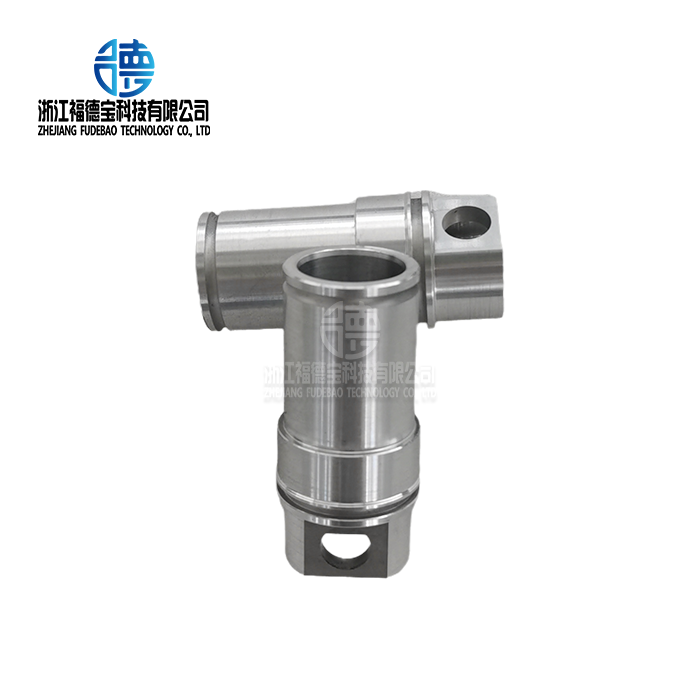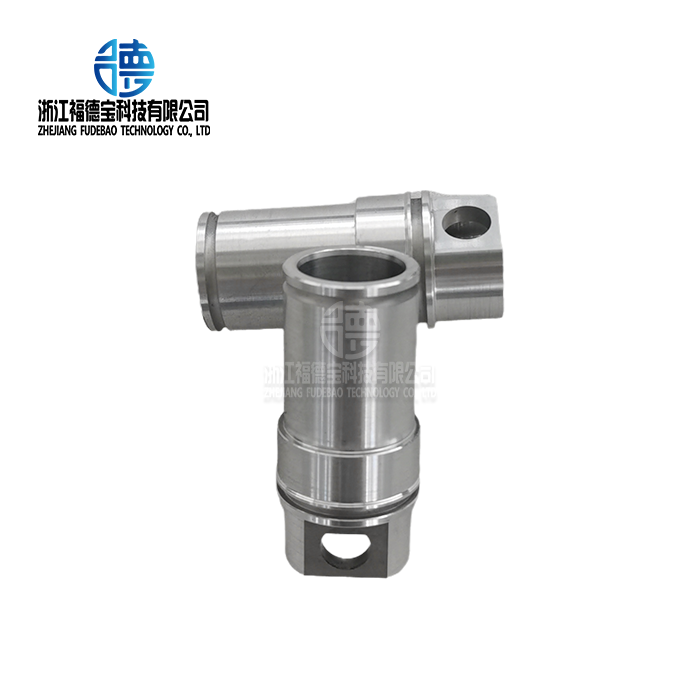
Why Alloy Copper Casting for Aerospace Demands Extreme Precision
2026-07-07
For aerospace uses, alloy copper castings must meet the highest levels of accuracy, as even tiny errors can threaten flying safety and system integrity. In contrast to other types of manufacturing, aerospace copper parts can withstand high temperature changes, vibrations, and electromagnetic interference while still being able to carry electricity and stay stable. In order to achieve the tight tolerances required for mission-critical performance, sand casting processes for aerospace-grade copper alloys must overcome inherent difficulties like high thermal conductivity, solidification shrinkage, and gas porosity through advanced mold preparation, precise temperature control, and stringent quality verification protocols.
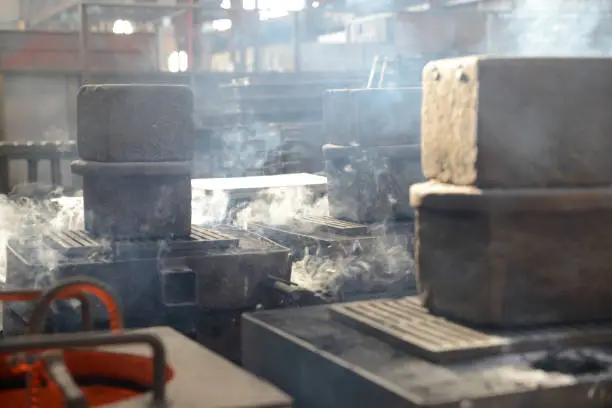
Understanding the Challenges of Alloy Copper Casting in Aerospace
Material Complexity Creates Process Obstacles
Copper alloys pose unique mechanical problems when used in aircraft casting. Their great thermal conductivity lets heat escape quickly, which makes process windows very small where molten metal must fill complicated shapes before it solidifies too soon. This trait makes cold shuts and partial fills more likely, especially in thin-wall sections needed for aircraft designs that need to be light. At the same time, copper's tendency to absorb hydrogen when it melts can cause gas pores if the degassing steps are not followed correctly.
Tolerance Requirements Exceed Industry Norms
Dimensional accuracy must usually fall within the ISO 8062 CT7–CT9 grades for aerospace engineering, which is much tighter than the CT10–CT13 ranges that are popular in industrial machinery uses. For electrical connectors, waveguide housings, and thermal management parts to fit perfectly with neighboring sections, the dimensions must often be kept to within 0.05 mm after casting. It's necessary to have these strict rules because electrical contacts that aren't lined up right cause resistance hotspots, and differences in the size of heat sinks make thermal transfer less effective at high elevations where the density of the cooling air drops greatly.
Defect Sensitivity Impacts Mission Safety
In aircraft settings, small flaws in the casting that are acceptable on the ground become critical failure points. Microporosity that might slowly make an industrial pump less effective can cause a catastrophic failure when exposed to the heat shock cycles and vibration spectrums of an airplane. Shrinkage gaps close to mounting bosses focus stress, which could cause cracks when the part is loaded for flight. In order to find problems below the surface that can't be seen, aircraft copper castings go through non-destructive testing methods such as radiographic inspection and ultrasound examination.
How Sand Casting Adapts to Alloy Copper Requirements in Aerospace
Advanced Mold Systems Enhance Dimensional Control
For copper alloy parts, modern aircraft foundries use chemically-bonded sand casting methods instead of the older green sand method. Resin-coated sand molds with furan or phenolic binders offer better dimensional stability during filling, keeping the shape of the mold opening even when molten copper applies metallostatic pressure. These methods get surface finishes that are close to 3.2 Ra microns, which is better than green sand's usual 12.5 Ra. This means that less polishing is needed afterward. Chemical bonding also makes it possible for mold walls to be thinner while still being strong enough. This improves heat extraction rates and keeps the metal from getting sharp grains as it hardens.
Another improvement is shell casting, which uses resin-coated sand to make thin, rigid mold pieces. This method works especially well for electrical housings in aircraft that need to have internal core setups. The shell's smooth surface shows small details, and its lower thermal mass lets it solidify in a way that keeps shrinking pores to a minimum.
Copper shrinks by 1.5 to 2.0% when it solidifies, but pattern equipment with dimensional adjustment factors takes this into account, making sure that the final cast dimensions match the print specifications. Unlike shell casting, sand casting offers greater flexibility in section thickness transitions, but for high-precision, thin-walled aerospace components, shell casting remains the preferred choice due to its superior surface finish and dimensional control.
Process Control Technology Ensures Consistency
These days, foundries use modeling software to see how the mold will fill and harden before the real output starts. These computer programs can guess where defects might happen, which helps engineers make the best decisions about gate design, riser placement, and cooling strategies. Temperature tracking systems keep an eye on pouring temperatures to within ±5°C, which is very important when working with copper metals because their flow changes quickly across small temperature ranges. Automated molding equipment keeps the sand's compression density constant, so there is no longer any human error that could cause localized mold weakness and casting flaws.
Before each pour, spectrometric analysis checks the alloy's chemistry to make sure that the amount of copper, alloying elements like beryllium or aluminum, and small amounts of impurities stay within the limits for aircraft materials. This chemical accuracy has a direct effect on the mechanical qualities and electrical conductivity that are shown on engineering models with acceptable variation ranges.
Quality Verification Matches Aerospace Standards
Coordinate measuring tools that compare real geometry to CAD models are used to check the sizes of parts that will be used in flight. Statistical process control charts keep track of changes in dimensions over time during production runs. This lets you make changes before parts go beyond their tolerance bands. For mechanical testing, proof bars are made along with production parts, and representative samples are tensile tested, hardness tested, and elongation measured to make sure the material qualities match the design requirements.
Comparing Alloy Copper Sand Casting with Other Casting Methods in Aerospace
Investment Casting Offers Surface Advantages
Investment casting is a good way to make small, complex aircraft copper parts because it gives better surface finish and dimensional accuracy than sand casting. Fine details are captured by the clay shell that surrounds a wax print, and tighter tolerances are reached without the need for extra machining. However, this method has much higher unit costs because of the time it takes to make patterns and build shells. Lead times cover everything from pattern molding to shell preparation and are usually eight to twelve weeks. This is longer than the two to six weeks needed for sand casting to make a pattern.
Investment casting can't be used for everything because of weight limits. While the method works well for parts that weigh less than five kilograms, it becomes too expensive to use for bigger electrical housings or structural pieces that weigh more than fifty kilograms. It's also important to think about the materials. For example, copper alloys that are very fluid work well in investment's thin ceramic shells, but alloys that need to solidify quickly to get the microstructures they want work better in sand molds that can be adjusted for temperature.
Die Casting Trade-offs
Permanent mold die casting is great for making uniform fittings or a lot of aircraft fasteners because it can produce them quickly and consistently. Metal dies can be used over and over again, which spreads the cost of the tools over many production runs. However, the upfront costs of die manufacturing get too high for the low to medium volume production that is typical of specialized aircraft projects.
A complicated die set might take six months to make and a lot of money to buy, but sand casting offers a distinct advantage here: sand patterns are flexible enough to allow for the many design changes that happen during flight qualification testing, whereas permanent mold tooling would be prohibitively expensive and time-consuming to modify for each iteration.
The high melting points of copper metals also put stress on die materials, which shortens their cycle life when compared to aluminum die casting. Over time, thermal wear cracks appear on die surfaces, which makes the accuracy of the dimensions less good. With sand casting, this problem is solved by using replaceable molds, which ensures uniform quality whether ten or ten thousand parts are made.
Solutions to Common Sand Casting Defects in Alloy Copper Aerospace Components
Porosity Mitigation Strategies
Gas porosity is still the most common flaw in aircraft sand casting operations made of copper alloy. It happens when hydrogen that has been dissolved forms holes during solidification. Effective prevention starts with using the right melting techniques, such as keeping the furnace atmosphere dry, using degassing agents like phosphorus compounds, and keeping an eye on the pour temperature to make sure that gases don't dissolve too easily. Mold permeability lets trapped gases escape instead of getting stuck as empty spaces inside the mold. High-quality silica sand with evenly spaced grains lets gases pass through while keeping the mold's strength.
Surface Quality Improvements
Usually, sand-metal reactions or mold erosion during filling cause surfaces that are rougher than what is required by flight standards. Putting refractory coats on mold holes stops molten copper from getting into the gaps in the sand, which makes the as-cast surfaces smoother. When it comes to metal penetration, zircon or chromite sands are better than silica, but they cost more. This is okay for important military uses, though. When you control the speed of the pour, you stop the chaotic flow that wears away mold surfaces and mixes in sand particles.
Surface processes done after casting improve quality even more. Vibratory finishing gets rid of stuck-on sand and small surface flaws, and then CNC cutting makes sure that all the important connections meet the final size requirements. A major aerospace foundry cut the number of rejected parts with surface defects from 12% to less than 3% by using automatic pouring systems that got rid of the unpredictability of human operators and made sure that mold filling was the same across all production runs.
Dimensional Accuracy Enhancement
To meet aircraft tolerances for dimensions, you have to think about pattern creation, mold material behavior, and thermal contraction. Patterns include physical gaps that are figured out by looking at how much copper alloy shrinks and how much the mold is likely to move while the metal hardens. Modern pattern shops use CNC machining to make models with ±0.025mm precision, which sets the standard for accuracy in the casting process. Mold sand qualities like grain sharpness, binder content, and compaction density are controlled within strict limits to make sure that mold hole sizes stay the same.
Managing the cooling rate affects the end measurements because too much cooling can cause internal stresses that warp thin parts, and too little cooling can let grains grow too much, which changes the mechanical properties. Controlled cooling clamps hold castings in place while they harden, keeping their shape even as they shrink due to heat.
Temperature tracking makes sure that cooling profiles stay within the process windows that were set up and confirmed during the initial evaluation of the component. In sand casting, cooling rate management is particularly critical because the mold's insulating sand slows heat extraction compared to metal dies, so the same controlled cooling strategies—such as clamp placement and thermal monitoring—must be carefully adapted to prevent distortion and ensure dimensional stability in sand-cast parts.
Procurement Guide: Sourcing Sand Casting Equipment and Services for Aerospace Copper Casting
Equipment Selection Criteria
When aerospace companies look for foundry partners, they should look at the equipment's skills that directly affect the quality of copper alloy sand casting. High-precision molding tools with customizable compaction settings make sure that the mold stays the same from one production run to the next. Induction melting furnaces that can keep the temperature within narrow ranges and maintain a neutral atmosphere stop rusting and gas pickup. CNC machining centers with five-axis capabilities can handle complicated post-casting tasks, meeting aerospace standards for key measurements and surface finishes without having to set up multiple times, which can lead to mistakes.
Supplier Qualification Considerations
Aerospace buying teams should check that the foundry has quality management system certifications like AS9100 or NADCAP accreditation, which show that the company has built processes that meet the needs of the flight industry. Traceability systems keep track of the chemistry of materials, process parameters, and testing results from the time raw materials are received until they are shipped out. This makes sure that someone is responsible if problems happen in the field. Respondent expert support during design-for-manufacturability reviews helps optimize the shape of a part for casting while meeting functional requirements. This could lower costs by making manufacturing easier or increasing yield rates.
Investment Planning
Whether to develop in-house skills or outsource relies on the amount of output, the complexity of the parts, and strategic factors. Buying capital equipment for the whole casting process, such as equipment for melting, molding, finishing, and checking, costs a lot of money and is only worth it when the equipment is used on a regular basis. Hybrid methods let aerospace companies keep doing what they do best, like final cutting, while outsourcing casting operations makes the best use of capital while still keeping technical control over important dimensions.
Long-term relationships with suppliers build value that goes beyond individual orders. When foundries work together and invest in aerospace-specific tools and process development, the cost per unit goes down over the span of a program. Using statistical methods on quality data as part of joint continuous improvement projects lowers the number of defects and improves delivery performance. This is good for both parties because it lowers the costs of inspections and warranty claims.
Conclusion
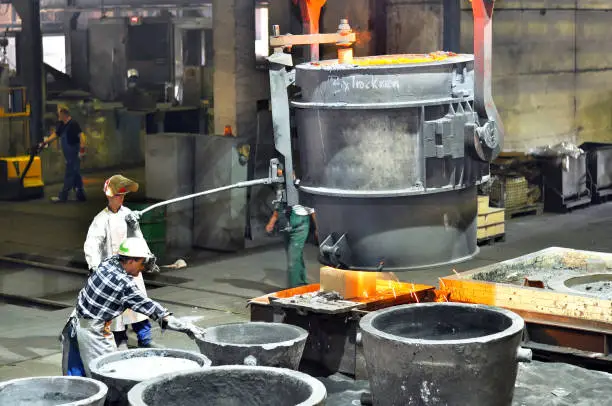
For aerospace copper alloy parts, you need precise sand casting methods that can work with difficult materials and meet strict quality and size standards. The accuracy needed for aircraft uses is delivered by sand casting technology, which has been improved by cutting-edge mold materials, process simulation, and stringent quality control.
Understanding the pros and cons of various casting methods, using tried-and-true methods to reduce defects, and choosing reliable foundry partners are all things that aircraft makers can do to get reliable parts that support flight safety. As aircraft technology improves, copper alloy casting methods must also keep getting better to make sure that electrical systems, heat management parts, and structural elements meet new performance standards.
FAQ
What tolerances can sand casting achieve for aerospace copper alloys?
Dimensional tolerances within ISO 8062 CT8–CT10 grades can be reached by modern resin-bonded sand casting methods. These tolerances are usually ±0.3mm to ±0.8mm, based on the size and shape of the part. After the casting process, CNC machining is used to get critical measurements to the required tighter tolerances of ±0.05mm, which is typical in aircraft electrical link housings and mounting interfaces. This method strikes a balance between the cost of casting and the need for accuracy.
How do you prevent porosity in copper alloy aerospace castings?
Several methods are used to stop pores: using phosphorus compounds to degas molten metal gets rid of hydrogen that has dissolved; controlling pour temperatures lowers the amount of gas that dissolves; making sure the mold has enough permeability lets trapped gases escape; and improving the design of the gates stops turbulent flow that brings in air. Before parts are put into service, radiographic testing makes sure they are structurally sound.
What distinguishes green sand from resin sand for aerospace applications?
Green sand uses clay-water binders that work well for high-volume production of parts with standard tolerances. Chemical binders are used in resin sand to make it more stable in terms of size, smoother on the outside, and better at reproducing small details that are needed for aircraft applications. Even though resin systems are more expensive, the better quality as-cast makes cutting faster and more consistent across production runs.
What lead times should aerospace buyers expect for copper casting projects?
Pattern development for sand casting usually takes two to six weeks, depending on how complicated it is. This is a lot faster than the tooling processes for die casting, which take several months. Production wait times depend on the size of the batch and the level of finishing needed. In general, it takes four to eight weeks to deliver a fully finished component that has been cast, machined, inspected, and given the proper paperwork. Through faster pattern creation and specialized production scheduling, rush programs may shorten deadlines.
Partner with Fudebao Technology for Aerospace-Grade Precision Casting
Aerospace companies looking for a sand casting provider with a track record of accuracy will find that Zhejiang Fudebao Technology Co., Ltd. offers full solutions from prototype to production. Our center combines all of the casting and finishing processes, including melting, molding, CNC machining, and surface treatment. This gets rid of the communication problems that come with supply chains with multiple vendors. Precision tolerances of ±0.05mm can be reached with high-speed machining centers and CNC lathes, which are used to make aircraft electrical housings and heat management components.
We know a lot about working with aluminum alloys, copper alloys, and stainless steel. We also have quality systems in place that make sure materials can be tracked and process data is kept, which is what flight engineering teams need. Get in touch with hank.shen@fdbcasting.com to talk about your copper alloy casting needs and find out how our services can help your mission-critical aircraft projects.
References
1. American Foundry Society, "Copper Alloy Casting Technology for Aerospace Applications," Technical Report Series, 2021.
2. Campbell, John. "Complete Casting Handbook: Metal Casting Processes, Metallurgy, Techniques and Design," Butterworth-Heinemann, 2015.
3. SAE International, "Aerospace Casting Quality Standards AMS-2175," Society of Automotive Engineers Aerospace Material Specification, 2019.
4. Beeley, Peter R. "Foundry Technology," Butterworth-Heinemann, 2001.
5. Davis, Joseph R. "ASM Specialty Handbook: Copper and Copper Alloys," ASM International, 2001.
6. Stefanescu, Doru Michael. "Science and Engineering of Casting Solidification," Springer International Publishing, 2015.



_1756360265131.webp "Aluminum casting chair legs")
_1756352472762.webp "steel threaded plug")
_1756349957728.webp "metric v belt pulley")
_1756346421748.webp "Aluminum casting telescopic bracket Parts")