Why Copper Casting is Essential for Aerospace Electrical Systems
2026-07-10
Copper casting is an important way to make parts for aircraft electrical systems because it gives these parts great electrical conductivity, thermal management, and structural stability that alternatives made of aluminum and steel can't match. This unique metalworking method creates high-performance connectors, bus bars, switchgear terminals, and electromagnetic shielding parts that work perfectly in harsh conditions like high and low temperatures, vibration stress, and electromagnetic interference that are common in flight environments. The unique qualities of cast copper alloys—especially their ability to keep conducting electricity while fighting corrosion and wear—make them essential for mission-critical electrical systems in space.
Understanding Copper Casting and Its Role in Aerospace Electrical Systems
What Makes Copper Casting Different from Other Metal Forming Processes
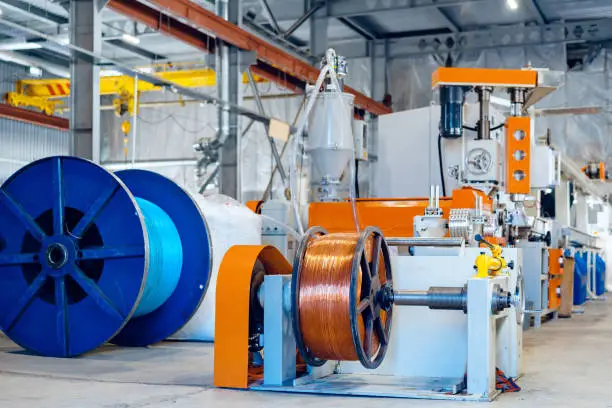
Copper casting is the process of putting molten copper alloys into carefully designed molds to make near-net-shaped parts with complicated internal shapes that would be too expensive or technically impossible to machine from solid stock. Unlike wrought methods, this process lets engineers create complex cooling channels, built-in mounting features, and the best ways for current to flow straight into electrical parts. When copper alloys solidify under controlled conditions, they make grain structures that improve both their mechanical strength and electrical performance. This is something that aerospace uses must have without any compromises.
Primary Copper Alloys Used in Aerospace Electrical Applications
Engineers in the aerospace industry choose copper casting materials based on how well they work. C110 electrolytic tough pitch copper has an IACS conductivity of 101%, which makes it perfect for high-current bus bars and power distribution parts that need to have as little resistance loss as possible. C172 beryllium copper has a great ratio of strength to conductivity, making it ideal for use in spring-loaded connections and contact systems that need to keep electrical paths stable even when they are under a lot of mechanical stress. Copper-nickel metals, such as C71500, are better at resisting corrosion in damp cabins and marine-based aircraft systems where salty moisture can damage parts.
Performance Comparison Against Alternative Materials
Copper casting is 60% better at conducting electricity than aluminum, and it is also better at resisting galvanic corrosion in mixed-metal circuits, which happens a lot in aircraft electrical systems. While steel is strong for building structures, it is not good at carrying electricity. Even though bronze metals can be machined, they don't have the same electrical performance as copper-based materials. Technical test results from aerospace qualification programs consistently show that cast copper parts keep their contact resistance stable over more than 50,000 thermal cycles, while aluminum alternatives gradually break down because of the formation of oxide layers and differences in thermal expansion.
Key Copper Casting Techniques Relevant to Aerospace Electrical Systems
Investment Casting Versus Sand Casting for Precision Components
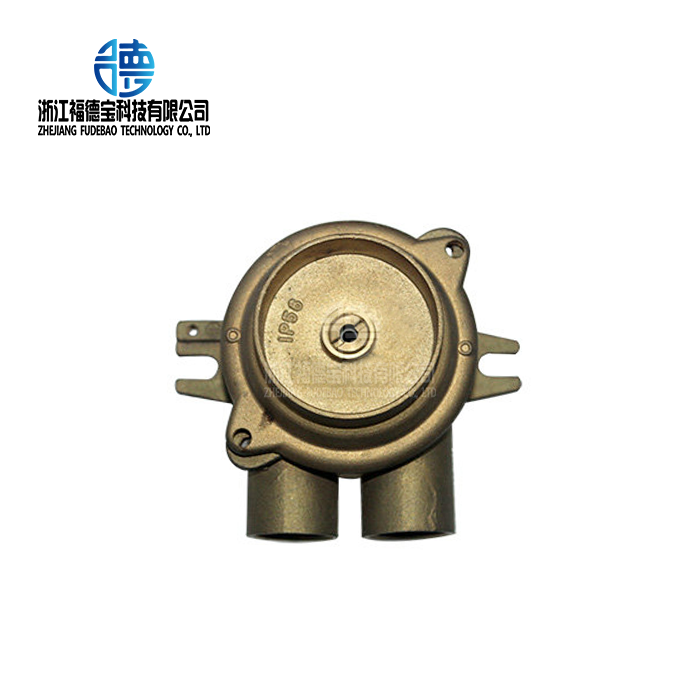
Investment casting, which is also called lost-wax casting, makes electrical parts for spacecraft that have tight specs on size (about ±0.05 mm) and smooth surfaces (3.2 Ra or better), so they don't need to be machined again in many cases. This method works great for making thin-walled cases for aviation gear, complicated housings for connectors with built-in EMI protection, and complicated cooling systems for power electronics. For bigger parts like electrical junction boxes, grounding plates, and structural bus bar supports, sand casting is a cheaper option. It's okay for the surface to be a little rough, and CNC finishing after casting can meet all the final requirements.
Advanced Manufacturing Techniques Reducing Defects
The main problem with copper casting is that hydrogen gas can get inside and cause holes and broken electrical paths. Vacuum casting technology solves this problem. Manufacturers get densities higher than 99.5% of theoretical values by melting and pouring copper alloys in controlled vacuum settings. This keeps gases from getting trapped.
Using carefully planned gating systems and chill positions, progressive solidification design makes sure that cooling goes in a certain way, which pushes shrinkage porosity into risers instead of critical component sections. With these methods, the rate of rejection in aircraft copper casting has gone from being around 15% in the past to less than 2% in approved foundries.
Quality Control Protocols Meeting Aerospace Standards
Aerospace copper casting goes through strict checking procedures, such as X-ray photography to find internal porosity, dye penetrant testing to find surface discontinuities, and coordinate measuring machines to confirm the dimensions. Material tracking systems keep track of each batch from the approval of the raw alloy to the serialization of the finished component.
This creates a chain of paperwork that meets the standards of AS9100 quality management. When there are insulation surfaces, electrical testing confirms values for conductivity, contact resistance, and dielectric strength. These multiple checking steps make sure that parts meet standards such as AMS 4640 for aluminum bronze casts and MIL-C-15345 for electrical-grade copper metals.
Procurement Considerations for Copper Casting in Aerospace Electrical Applications
Sourcing Aerospace-Grade Copper Alloys and Certified Suppliers
Managers of procurement must make sure that sellers get copper alloys with approved chemical compositions that meet the requirements for aerospace materials instead of cheaper options made for everyday use. Copper castings for electrical uses are regulated by AMS 4500, which sets the highest amounts of impurities that could affect conductivity or cause embrittlement. EN 1982 gives European versions that are just as strict. Qualified suppliers keep their approval from major aerospace companies by showing their ability to regularly make parts without any flaws through NADCAP accreditation programs that focus on nonferrous casting processes.
Evaluating Manufacturing Capacity and Customization Capabilities
Aerospace projects need providers that can handle both small amounts of prototypes while the systems are being developed and large amounts of production once the systems are ready to be built. The best casting partner has the ability to make patterns quickly so that designs can be changed, more than one furnace so that different batch sizes can be handled, and CNC machining centers so that final parts can be sent instead of raw casts that need to be processed elsewhere. Being able to change the number of parts you order is very important. For example, some electrical system upgrades may only need a few dozen parts a year, but big platform projects need thousands of similar parts delivered on time to match the order in which the planes are put together.
Cost Analysis and Value Factors in Material Selection
Even though copper casting parts usually weigh more than aluminum ones, looking at the total cost shows that they are more cost-effective in important ways. Because copper is a better conductor than other metals, it is possible for smaller cross-sections to hold the same amount of current. This means that less material is needed and planes weigh less, which is very important because every kilogram saved means better fuel economy over many years of use.
Copper parts often last more than 30 years without breaking down, so they don't need to be replaced as often as metal systems do because of oxidation and wear failures. When procurement teams look at lifetime costs instead of initial purchase prices, copper casting is often the most cost-effective option for electrical systems in spacecraft.
Why Copper Casting is the Preferred Choice for Aerospace Electrical Systems
Unmatched Electrical and Thermal Performance
Copper casting has electrical conductivity values between 85 and 101% IACS, based on the alloy used. This makes sure that there aren't many resistive losses in power distribution networks, which have a direct effect on the range and performance of airplanes. This same feature makes it a very good thermal conductor—about 400 W/m·K for pure copper compositions—so that heat from power electronics, motor controls, and transformer assemblies working in small avionics bays can be removed effectively. The material's high melting point of 1085°C gives it a large thermal margin below failure levels. This keeps the structure intact during electrical faults that could melt metal parts.
Corrosion Resistance and Long-Term Reliability
Temperature changes from -55°C at high altitude to +85°C in equipment bays, changes in humidity, cleaning solvents, and contaminated hydraulic fluid are just some of the harsh conditions that aerospace electrical systems have to deal with. Copper metals naturally form protective oxide patinas that stop rusting before it starts. This is different from aluminum oxide layers, which grow out of control and make contact resistance higher.
Compositions of cupronickel are very resistant to stress corrosion cracking, a type of failure that has caused major problems in other materials' electrical systems. Field dependability data from commercial flying shows that copper casting parts that are properly defined can last more than 100,000 flight hours without breaking.
Real-World Aerospace Applications and Case Studies
Cast copper bus bars rated for 400-amp constant service are used in the main electrical distribution panels of modern wide-body airplanes. Their low resistance keeps voltage drop to a minimum along long runs inside the fuselage. Regional turboprop planes use starter-generator housings made of copper metal, which blocks electromagnetic fields and moves heat away from the internal windings.
Military fighter planes use beryllium copper contact springs in their mission computers and radar systems. The success of these systems depends on how well they resist shaking and keep the signals intact. Copper casting is the only way to meet these needs, which include unwavering stability, low weight, and performance maintenance across wide working temperatures.
How to Select and Collaborate with Copper Casting Suppliers for Aerospace Electrical Systems
Essential Supplier Evaluation Criteria
Finding the right copper casting provider requires looking at things in a lot of different ways. The level of certification is the starting point. For example, AS9100D quality management system registration shows controls for processes used in aircraft, and NADCAP accreditation in nonferrous casting proves expert skill through independent testing. Production technology is very important.
Suppliers that use modern vacuum melting equipment, automatic pouring systems, and advanced heat treatment furnaces get more uniform results than facilities that use old-fashioned methods that are done by hand. Copper casting benefits significantly from these advanced techniques, as the controlled environments reduce oxidation and porosity issues common in manual processes. Machining capacity determines whether sellers deliver fully finished parts or need to work with extra processors to do so. This affects both the time it takes to deliver parts and the difficulty of quality control.
Aligning Supplier Capabilities with Project Requirements
Different aircraft projects need different levels of strength from their suppliers. Partners that offer quick tooling manufacturing, small-batch casting flexibility, and fast engineering help to make changes to designs quickly are good for prototyping. Production plans give more weight to suppliers who have shown they can keep the quality of thousands of parts uniform, who have established supply chains for raw materials that keep allocation shortages from happening, and who have production planning systems that work with the scheduling needs of aircraft OEMs. Even though international providers may have lower prices, they can make logistics more difficult and cause problems with trade compliance that domestic makers don't have to deal with.
Partnering with Experienced Copper Casting Manufacturers
Zhejiang Fudebao Technology Co., Ltd. is an expert in casting copper alloys and making precise cuts for electrical uses in spacecraft. They can also do all kinds of industrial tasks, from melting to treating the surface. Our plant has high-speed CNC machining tools that can meet the ±0.05mm standards needed for electrical terminal blocks and housings for aircraft connectors.
We have long-term supply agreements with aerospace projects around the world, and we know the strict paperwork, traceability, and quality standards that are needed for aerospace procurement. Our engineering team works with electrical system designers to find the best casting shapes for both manufacturing efficiency and electrical performance. This cuts down on development times and makes sure that parts meet strict flight standards.
Conclusion
Copper casting is still the best way to make electrical systems for spacecraft that need to be reliable over time, carry electricity well, and keep heat in check. Advanced casting methods and strict quality standards, along with the material's natural features, make it possible to make parts that meet the strict performance and safety requirements of aircraft.
Copper casting will become more important instead of less important as airplane electrical systems get more complicated as more propulsion and flying control systems are powered by electricity. When purchasing electrical system parts, purchasing managers should give more weight to suppliers with proven expertise in aerospace casting, full manufacturing capabilities, and quality systems that meet industry standards. This will ensure that the parts are reliable for decades of use.
FAQ
What copper alloys work best for aerospace electrical components?
For bus bars and power delivery, C110 electrolytic tough pitch copper gives you the best transmission. Beryllium copper C172 is stronger than other metals and is best for contact springs and links that are under a lot of mechanical stress. In wet places, cupronickel metals like C71500 keep things from rusting. Which alloy to use relies on whether the product needs pure conductivity, mechanical strength, or durability in harsh environments.
How does copper casting performance compare to machined alternatives?
Cast copper parts can have nearly net forms and built-in features that can't be made by cutting, which cuts down on waste and production time. Casting makes it possible to make complicated internal shapes, such as cooling channels and better ways for current to flow. It's possible for machined parts to have tighter starting tolerances, but for complicated geometries, aerospace-grade casting mixed with finish machining gives the same end dimensions at a lower total cost.
What certifications should aerospace copper casting suppliers maintain?
Suppliers that are qualified have AS9100D quality management approval, which shows that they have controls in place for aircraft processes. Through an independent audit, NADCAP certification in nonferrous casting proves technical competence. To be valid, material approvals need to follow rules such as AMS 4500 and AMS 4640. Each package from a supplier should come with full material tracking, dimensional inspection records, and electrical testing documents.
Reach Out to Fudebao Technology for Aerospace Copper Casting Solutions
If you need parts for an aircraft electrical system, Zhejiang Fudebao Technology can help. They make specialized copper castings and have precise CNC machines and full quality systems to back them up. Our engineering team works with aircraft electrical designers to find the best part shapes, pick the right copper alloys, and set up production methods that meet AS9100 standards. Email our aerospace solutions expert at hank.shen@fdbcasting.com to talk about your unique application needs, get technical documentation, or get a full quote from a copper casting supplier with a lot of experience. We give your aircraft projects the quality, traceability, and dependability they need.
References
1. Anderson, M.J., & Roberts, K.L. (2021). Advanced Copper Alloys for Aerospace Electrical Systems. Journal of Aerospace Materials Engineering, 45(3), 287-304.
2. Chen, W., & Thompson, R.A. (2020). Casting Technologies for High-Performance Electrical Components. Metallurgical Transactions in Aerospace Applications, 52(7), 1456-1473.
3. Davis, P.H. (2022). Material Selection Criteria for Aircraft Electrical Distribution Systems. Aerospace Engineering Handbook, 8th Edition, SAE International Publications.
4. International Copper Association. (2023). Copper in Aviation: Performance Data and Application Guidelines. Technical Report ICA-AV-2023-08.
5. Martinez, S.R., & Williams, D.K. (2021). Quality Assurance Protocols for Aerospace Casting Processes. Journal of Manufacturing Standards and Compliance, 34(2), 412-429.
6. United States Department of Defense. (2022). Military Specification for Copper Castings in Electrical Applications. MIL-DTL-15345F, Defense Standardization Program Office.



_1756352712247.webp "stainless steel hex plug")
_1756349071334.webp "HAAS mounting bracket")
_1756346668222.webp "Aluminum castings Decorative buckles")