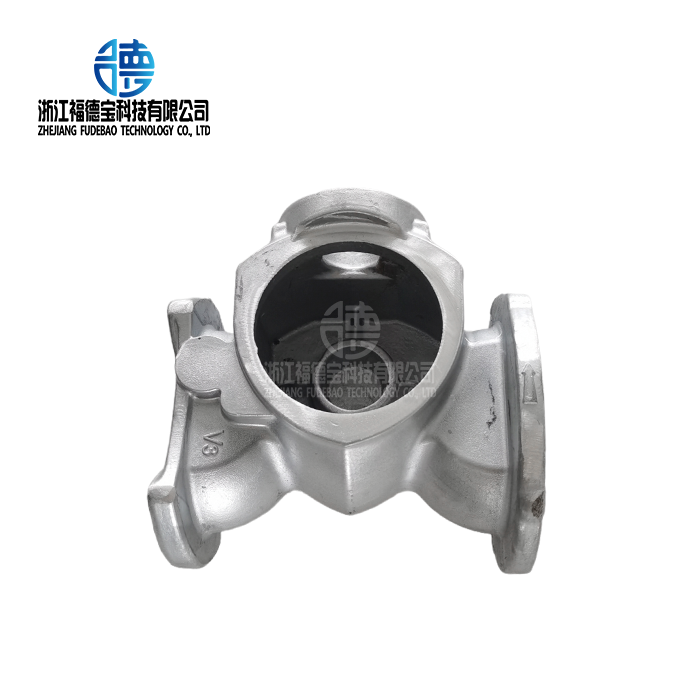
Comparing Surface Finish and Tolerances: Sand Casting vs. Die Casting
2026-07-09
When we look at metal casting methods, surface finish and dimensional limits are two important factors that have a direct effect on how to buy things, how quickly they can be put together, and how well they work in the long run. Sand casting is perfect for strong, big parts where strength is more important than accuracy because it usually produces surface roughness between 6.3 and 12.5 Ra microns with tolerances in accordance with ISO 8062 CT10-CT13.
Die casting, on the other hand, makes finishes that are smoother, between 1.6 and 3.2 Ra, and with smaller tolerances of CT4 to CT6. This makes it good for high-volume output that doesn't need much post-processing. When engineering managers and buying leaders understand these differences, they can make sure that manufacturing methods meet the needs of specific applications.
Understanding the Basics of Sand Casting and Die Casting
The Sand Casting Process and Material Flexibility
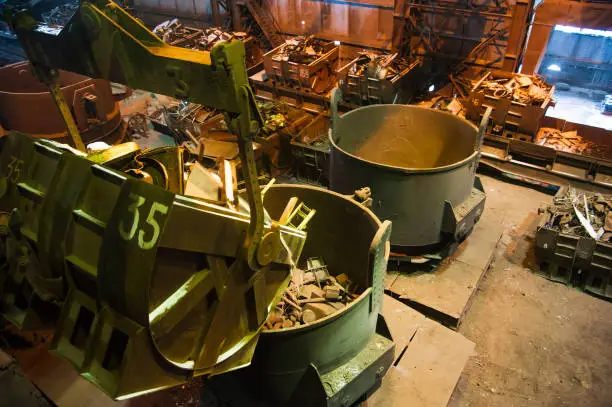
Molds for sand casting are made from bound sand mixes, such as green sand with clay binders or chemically-bonded resin sand, and are used only once. The molds are filled with molten metal, which cools and hardens. The sand is then broken away to show the final part. Over 60% of all metal casts done in the world are done this way. This is because it can be used with a huge variety of alloys, even high-melting-point metals like steel, iron, and titanium.
The weights of the parts range from a few ounces to over 100 tons, so they can be used for everything from valve bodies to backhoe counterweights. Because sand molds are disposable, they don't have the high starting costs of permanent models. This makes sand casting a cost-effective way to make small to medium-sized items.
Die Casting Technology and Precision Advantages
In die casting, liquid metal is pushed into perfectly machined steel dies at high pressures of 10,000 to 25,000 psi. These models can be used more than once, so they can be used to make complex shapes over and over again with great accuracy. Because they don't burn as easily as ferrous metals, aluminum, zinc, and magnesium alloys are mostly used in this process.
High-pressure injection pushes metal into complex holes, making thin walls and fine features that can't be made with gravity-fed sand casting. Die casting works great for parts in cars like transmission housings and engine frames that need to be lightweight but also have to meet strict size standards. When order numbers go over a few thousand pieces per year, die casting usually makes economic sense.
Why Surface Finish and Tolerances Matter in Procurement
Total cost of ownership is directly affected by the quality of the surface and the accuracy of the measurements. Rough areas need more grinding, machining, or coating, which adds to the cost of work and delays the production process. Because of the loose standards, selective assembly or shimming is needed during fitting, which makes the production process more complicated.
On the other hand, standards that are too strict raise the cost of production without adding any usefulness. Quality-conscious buying teams compare these factors to the needs of the end-use, such as whether the parts need to be visually inspected, need to lock fluidly, or need to fit perfectly with other parts. Sourcing teams can set realistic standards that improve both performance and cost efficiency by understanding how each casting method naturally produces a different surface and range.
Surface Finish Comparison: Sand Casting vs. Die Casting
Surface Characteristics in Sand Casting Applications
The grain structure of the shaping material itself shows up in the roughness of sand casting surfaces. Because of surface flaws caused by wetness and bigger grain sizes, green sand molds usually make finishes that are rougher, ranging from 12.5 to 25 Ra microns. Resin-bonded sand methods get better results between 6.3 and 12.5 Ra microns by spreading out the grains more evenly and making the mold more rigid.
This surface finish variation is inherent to sand casting, and it directly influences post-cast machining allowances—especially when dimensional tolerances are tight, as the rougher green sand finish requires more stock removal than the smoother resin-bonded alternative.
There are often small splitting line artifacts and sand casting inclusion marks on these rough surfaces. When casting gearbox housings or pump cases, heavy machinery makers are happy with these flaws because machining the mating surfaces after casting is standard practice. The as-cast finish works well for external surfaces that aren't very important. This lowers total production costs by cutting down on finishing tasks that aren't needed.
Die Casting Surface Quality and Aesthetic Appeal
Die casting parts come out of steel molds with surfaces that are much smoother, between 1.6 and 3.2 Ra microns. When you combine high injection pressure, fast cooling, and smooth die surfaces, you get parts that don't need much post-processing. Manufacturers of cars use this edge when making obvious parts like housings for electric motors or parts for HVAC systems, where both function and look are important.
The fine surface finish also helps the powder coating and anodizing processes by making the base conditions more even. The smooth sides of die casting aluminum heat sinks are valued by companies that make electrical equipment because they increase the thermal contact area and improve heat absorption efficiency without the need for extra machining.
Cost Implications of Surface Finishing Requirements
When procurement teams compare casting methods, they need to take into account extra processes. CNC machining is usually done on important areas of sand casting parts that are going to be used in precision assemblies. This can add 15-30% to the total cost of production, based on how much material needs to be removed. Die casting parts are often sent straight to be deburred and treated on the outside, which cuts down on finishing time by a large amount.
This benefit is lessened, though, when a complicated design calls for a lot of core use or deep holes that are hard for die casting to handle. A fair approach weighs the surface quality of the casting method against the specific functional needs, like whether the application needs a Class A surface finish or just basic rust protection and structural integrity.
Dimensional Tolerances: Key Differences and Impacts
Sand Casting Tolerance Ranges and Variability Factors
Sand casting usually achieves tolerances in line with ISO 8062 grades CT10 through CT13. This means that measurements can vary by 0.5mm to 2.0mm, based on the size and complexity of the casting. This variation is caused by a number of things, including changes in temperature during solidification, the movement of the sand mold under the pressure of liquid metal, the amount of moisture in the mold, which affects its stability, and pattern wear from repeated use.
When industrial equipment designers make pump housings or compressor bodies, they often keep these tolerance bands in mind and include ways to change them or selective fit processes for when they are put together. Investment casting models, which are used in sand casting, can be made in two to six weeks, which is a lot faster than die building and gives you more time to make prototypes and make changes to the design.
Die Casting Precision and Reliability
When you die casting something, the limits are smaller. They range from CT4 to CT6, which is about 0.05mm to 0.3mm for most features. The stiff steel dies keep their shape over thousands of cycles, and computer-controlled injection settings make sure that each shot is the same. Automotive tier-1 suppliers rely on this level of accuracy when they make transmission parts or engine brackets that need to fit into multiple units without any adjustments.
Die casting's process control features help aerospace applications that need to be able to track and certify parts. Statistical process control tracking finds differences before they go beyond the limits set by specifications. The higher level of accuracy in measurements lowers the number of rejected assemblies and allows just-in-time production methods, which lower the cost of keeping inventory.
Assembly Impact and Risk Management in Sourcing
How well a system works and how much of a guarantee is at risk are directly affected by the tolerances that are chosen. If the specifications for sand casting are too small, fitting or shimming may have to be done by hand during installation. This can add to the cost of work and cause quality differences. OEMs in the auto industry choose die casting for safety-critical frames and structural parts where precise hole locations guarantee consistent bolt force values and crash performance. For industrial hardware projects that don't need to make a lot of parts, sand casting tolerances are usually fine.
To account for these differences, designers often make systems with slotted mounting holes or adjustable bases. Directors of strategic sourcing weigh the need for tolerances against the amount of work that needs to be done, knowing that investments in die tools are only cost-effective when they are spread out over a large enough number of units. This risk-based method finds a balance between the quality of the first item and the total cost of the program over the duration of the product.
Problem-Solving Approach: Choosing Between Sand Casting and Die Casting Based on Surface Finish and Tolerances
Analyzing Technical and Material Constraints
Changes in surface finish and tolerance levels are caused by the science of the process, not by changes in source skill. Sand molds aren't as hard or smooth on the surface as steel dies, and the changes in temperature during solidification make it more likely that the dimensions of disposable molds will be off. Choosing the right material also affects these traits.
For example, aluminum metals cool quickly in die casting, which reduces distortion caused by shrinkage, while steel casting in sand molds takes longer to solidify, which causes changes in size. When setting specs, procurement teams should take these technical facts into account. They should avoid making unrealistic requirements that force suppliers to do expensive extra work that doesn't make sense from a functional point of view.
Guidelines for Specification Development
Instead of random standards, accuracy and surface finish requirements should be based on how the component works. Mating surfaces that need gasket seals usually need to be made flat, no matter what casting method is used. On the other hand, as-cast finishes can be used on external covers. The number of pieces being made has a big effect on the choice of method. For example, die casting becomes much more cost-effective above 5,000 units per year, while sand casting stays cost-effective below 1,000 pieces.
When making something, you have to think about all the costs, like how much the tools cost over time, how much it costs to cast each piece, and any extra work that needs to be done. During the early stages of design, engineering managers should involve casting suppliers and use their process knowledge to make sure that the part shape is optimized for the chosen manufacturing method while still meeting performance standards.
Strategic Sourcing Considerations
A big company that makes industrial tools recently had trouble getting large valve bodies that needed to be tested for internal pressure. Initial quotes for die casting showed that the cost of the tools would be too high, at over $150,000, and the wait time would be 16 weeks. By switching to resin sand casting, design costs dropped to $25,000, and shipping was sped up to 4 weeks while still meeting CT11 standards. Strategic CNC cutting of the sealing surfaces met the needed smoothness standards, which cut the total cost by 40% even though more finishing work had to be done.
This case shows how smart procurement choices combine the natural capabilities of the process with the needs of the application. This way, over-specification doesn't happen, which raises costs without improving performance. When it comes to sourcing, the best strategies look at casting methods as complementary technologies rather than competitive ones, and they choose which one to use based on the needs of the project.
Conclusion
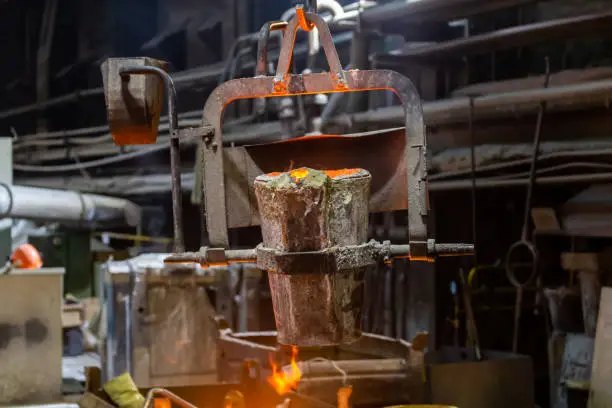
There are important differences between sand casting and die casting methods when it comes to surface finish and dimensional limits. Sand casting is a cheap way to make big, complicated parts where strength of the material and design flexibility are more important than accuracy. The method itself allows for rougher surfaces and bigger tolerance bands. Die casting is the best way to get accurate measurements and smooth finishes on large quantities of lightweight parts that don't need much post-processing.
Informed buying choices match these skills with the needs of each application, knowing that there is no one method that is always better. Successful sourcing strategies combine quality requirements with production volume, budget, and lead time limits. They also use source knowledge during design development to make the product easier to make and cheaper throughout its lifecycle.
FAQ
Which Metals Work Best for Each Casting Method?
Sand casting can be used for almost any metal, even alloys with high melting points like steel, iron, bronze, and titanium. It works best with ferrous materials because they are strong. Die casting is mostly used for non-ferrous metals like magnesium, aluminum, and zinc because their lower melting points keep the dies in good shape. Copper metals can be used in either method, based on the size of the parts and the amount that needs to be made.
How Does Surface Finish Affect Machining Costs?
Compared to die casting blanks, sand casting surfaces are rougher and need more material to be removed during cutting. This makes tool wear and cycle times 20-40% longer. This drawback is lessened, though, when plans need a lot of machining no matter what the as-cast finish is. Coating methods, such as powder coating, work well on properly prepared sand casting surfaces, even if they aren't perfectly smooth at first.
Can Sand Casting Achieve Tight Tolerances?
Resin sand methods, precise patterns, and controlled processes allow sand casting to achieve tolerances that are closer to die casting accuracy than die casting can. To get the consistency needed, critical measurements are often machined with CNC tools, which makes the as-cast tolerance less important. This mixed method works well for low-volume production where die tooling is still not cost-effective, even though tolerances need to be met.
Partner With Fudebao Technology for Precision Casting Solutions
With full production skills in aluminum, copper, and stainless steel, Zhejiang Fudebao Technology is ready to meet your most difficult casting procurement needs. Our building has low-pressure casting machines, high-precision die casting equipment, and modern CNC machining centers that work together to make sure that we can provide full solutions, from molten metal to finished parts with tolerances of up to ±0.05mm. OEMs in the car industry, companies that make industrial equipment, and companies that make electrical systems all come to us when they need PPAP paperwork, material certifications, and strict quality control measures like CMM inspection and NDT testing.
Contact our engineering team at hank.shen@fdbcasting.com to talk about your unique tolerance and surface finish needs. You can also visit fdbcasting.com to learn more about our full range of casting and machining services from a reliable sand casting provider that is dedicated to producing high-quality products.
References
1. Campbell, J. (2015). Complete Casting Handbook: Metal Casting Processes, Metallurgy, Techniques and Design. Butterworth-Heinemann.
2. American Foundry Society. (2018). Metalcasting Process Comparison Guide: Technical Standards for Sand and Die Casting Applications. AFS Publications.
3. Brown, J.R. (2014). Foseco Ferrous Foundryman's Handbook. Elsevier Science.
4. North American Die Casting Association. (2020). Product Specification Standards for Die Castings: Dimensional Tolerances and Surface Finish Guidelines. NADCA Standards.
5. International Organization for Standardization. (2019). ISO 8062-3: Geometrical Product Specifications - Dimensional and Geometrical Tolerances for Molded Parts.
6. Beeley, P.R. & Smart, R.F. (2017). Investment Casting: Sand Casting and Precision Casting Processes Compared. Institute of Materials.



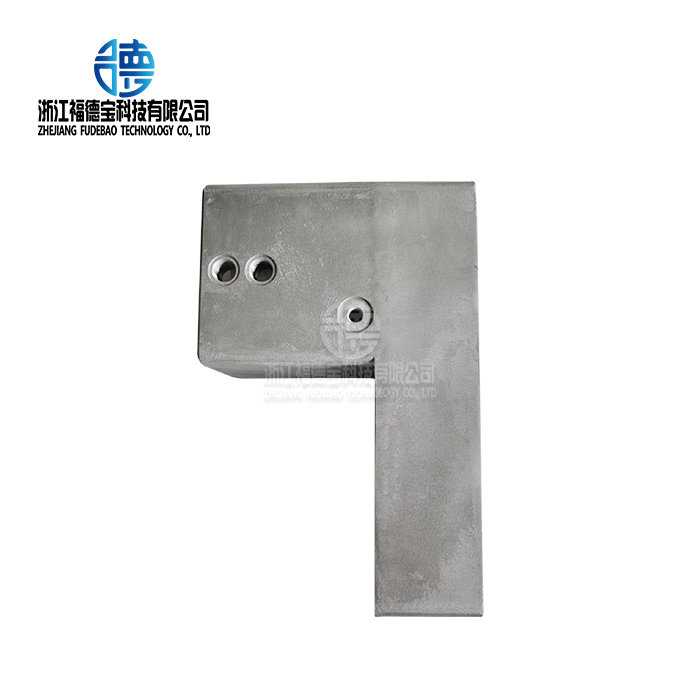
_1756348227989.webp "Aluminum casting movable U frame")