Why Aluminium Die Casting is the Preferred Method for Lightweight Housing
2026-07-04
Aluminum die casting has become the main way that lightweight building parts are made for a wide range of businesses, from car engines to phone lines. Using this high-pressure method, molten aluminum alloys like A380, ADC12, and AlSi9Cu3 are poured into precise steel molds at pressures higher than 10,000 psi. This makes parts that are strong but surprisingly light. The method gets rid of assembly welds, cuts weight by about 65% compared to steel equivalents, and allows mass production with dimensional tolerances as tight as ±0.05mm. This makes it a must-have for engineering managers and sourcing directors who need housing solutions that are both high-performing and cost-effective.
Understanding Aluminium Die Casting and Its Role in Lightweight Housing
The High-Pressure Die Casting Process Explained
Melting aluminum alloys in controlled ovens at temperatures between 660°C and 720°C is the first step in the aluminum die casting process. Once the alloy is as flexible as it can be, it is pushed into hardened steel dies at up to 100 meters per second by automatic injection systems. This quick injection keeps rust to a minimum and makes sure that all holes are filled, even in parts with thin walls as thin as 1.5 mm. Ejector pins free the hardened housing part after it has cooled for 10 to 60 seconds, based on how complicated the part is. Cycle times in modern facilities are usually less than two minutes, which lets them make more than 100,000 units a year while keeping the dimensions stable.
Material Properties That Define Housing Performance
When used in building, aluminum alloys have certain mechanical properties that are needed for harsh conditions. A380 alloy has a tensile strength of 310 to 330 MPa and a density of only 2.74 g/cm³, which makes it a very strong material for its weight. The natural oxide layer that forms on aluminum surfaces makes them resistant to corrosion. This makes the parts last longer in outdoor electrical covers and seaside building installations. With thermal conductivity values between 96 and 150 W/m·K, these casts are perfect for electronic housings that need to get rid of heat. This is especially true in 5G base stations, where managing heat directly affects the stability of equipment and signal performance.
Design Flexibility and Complex Geometries
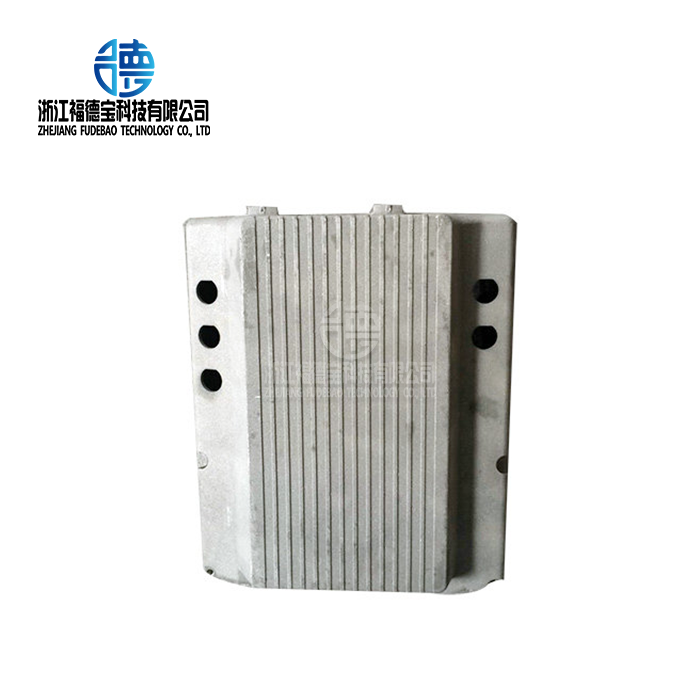
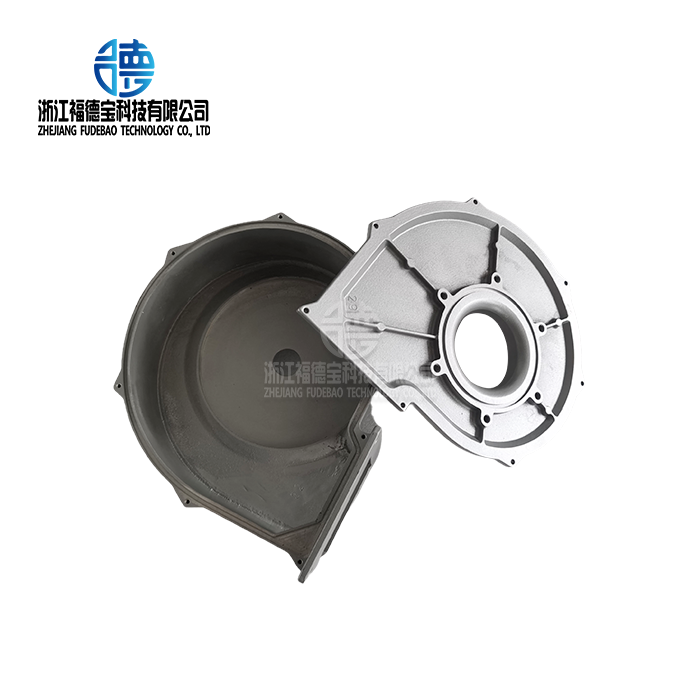
Engineers can combine several parts into a single housing unit using die casting technology. This gets rid of the need for connections and cuts down on assembly work. Housing designs can be cast directly with bosses, mounting tabs, heat sink fins, and wire management channels built in. This is almost impossible to do with stamping or casting. At Zhejiang Fudebao Technology, we regularly make housings with undercuts, different wall thicknesses, and internal openings by using advanced side-action mechanisms in our tools. This freedom in design lets car clients make battery casings that cover cells, handle thermal loads, and include mounting points for structures—all in a single casting process.
Comparing Aluminium Die Casting with Alternative Manufacturing Methods
Selecting the appropriate manufacturing method requires understanding how each process performs against specific housing requirements. We looked at five main options based on production measures that are important to buying teams.
Die Casting Versus Sand Casting
Because the cost of making the first tools is lower for sand casting, it can be used for trial runs of less than 500 units. But the process leaves rough surfaces that need a lot of work to smooth out, and the limits for size are usually around ±0.5mm, which is ten times less tight than aluminum die casting. Because sand-cast housings have pores on the outside, they need extra sealing processes for uses that need to keep pressure inside. Production cycle times get longer, taking 5 to 15 minutes per part. This makes it harder to grow. When car tier-1 providers need 50,000 transmission housings every year with PPAP-level control over dimensions, die casting is the only way to make them.
Plastic Injection Molding Considerations
Plastic housings are lighter than aluminum ones, but they can't handle high temperatures, which is a big problem in industrial settings. Engineering thermoplastics, such as PEEK, can handle temperatures up to 250°C, but aluminum alloys can stay strong at temps above 300°C. Metal is naturally resistant to fire, which is why electrical equipment housings that are near combustion engines or parts of industrial machinery need to be made of it. Plastic has a lower stiffness, which means it bends when it's loaded. This makes seals in outdoor shelters rated for IP65 protection less reliable. Aluminum's electromagnetic shielding qualities can't be copied by plastics without expensive conductive coats. This is why RFI/EMI-sensitive telecommunications equipment needs die-cast housings.
Machined Housings and Cost Implications
CNC machining from solid billet gives the most accurate measurements and consistent material quality, making it a popular choice for aircraft uses that need full tracking. When making complicated housing shapes from rectangular stock, on the other hand, 60–85% of the material is wasted. This process removes material, which makes the cost per unit much higher. It's only worth it when making fewer than 1,000 units or when the risk of casting pores is too high. When mechanical engineers look at industrial machinery housings, they usually choose die casting for production runs bigger than 5,000 units. They save cutting for finishing the mounting surface and making holes and tapping threads.
Design Guidelines and Quality Assurance for Aluminium Die Cast Housing Parts
Critical Design Parameters for Manufacturing Success
Even wall thickness stops interior pressures and warping when it cools. For housings up to 300 mm long, we suggest keeping standard walls between 2.5 and 4 mm thick and making gradual changes where thickness changes top 25%. Draft angles between 1-3 degrees make it easier to remove parts without damaging the surface, which is especially important for housings that need to be powder coated for looks.
Fillet radii at internal corners should be at least 0.5 mm to spread out stress and make the die last longer. When building electrical housings with built-in heat sinks, the distance between the fins must be greater than 3mm to make sure that the metal flows completely during injection and there are no air gaps that stop heat from moving.
Industry-Standard Tolerances and Inspection Protocols
Aluminum die casting usually gets linear measurement tolerances of ±0.15mm for sizes less than 50mm. On important mounting areas, post-cast machining tightens the tolerances to ±0.05mm. For outdoor shelters to stay weatherproof for a long time, the flatness requirements for closing surfaces usually hold within 0.10 mm per 100 mm of length.
Coordinate measuring machines (CMM) are used by our quality systems to check the first piece of a product against customer CAD models to make sure the holes are in the right place, the bosses are the right height, and the walls are aligned. Material proof using optical emission spectrometry confirms the chemistry of the alloy, and pressure tests for hydraulic and pneumatic uses proves the integrity of the housing before it is shipped.
Surface Finishing for Enhanced Performance
The roughness of as-cast surfaces is about Ra 3.2μm, which means they can be used in many commercial settings without any extra treatment. Powder coating adds 60–120μm of corrosion-resistant polymer, which can be made in colors that match safety standards or company branding. Anodizing makes a controlled oxide layer that raises the surface hardness to 500 HV.
This makes it perfect for housings that will be used in rough settings. Chromate conversion coatings protect against rust with a thin film while keeping electrical conductivity for grounding needs in computer cases. With these finishing choices, aluminum die casting can turn working castings into customer-ready parts, which means that assembly plants don't have to do extra work.
Strategic Procurement and Supplier Selection in Aluminium Die Casting
Evaluating Supplier Capabilities and Certifications
As a minimum, sourcing directors should look for sources with ISO 9001 certification as proof of a quality system. For car housing uses, ISO/TS 16949 (now IATF 16949) certification is required. Aerospace clients need AS9100 approval that shows controlled processes and full material tracking. In addition to certificates, you can find out how much they can actually make by looking at their equipment stocks.
Modern factories should have tonnage-matched machines that range from 280-ton units for small electronic housings to 1,600-ton presses for car structural parts. Our building has 12 aluminum die casting machines and 8 high-speed CNC machining centers. This lets us handle housing projects from the first trial tools to full-rate production without having to hire outside help for other tasks.
Understanding Cost Drivers in Housing Production
The biggest up-front cost is the tooling. Depending on the number of cavities, side-action mechanisms, and estimated production volume, complicated housing dies can cost anywhere from $15,000 to $80,000. Dies that make more than 100,000 shots should be made of H13 tool steel and use advanced cooling systems. Prototype tools, on the other hand, could be made of aluminum or P20 steel.
The choice of alloy has an effect on unit price by 15–30%; the normal A380 costs less than high-strength alloys with extra copper or magnesium. Through amortized tooling costs, order volume has a big effect on per-part price; amounts above 10,000 units usually lower unit costs by 40–60% compared to 1,000-unit runs. Value engineering by suppliers during the quote process helps make the most of these factors before purchase orders are sent out.
Lead Times and Minimum Order Quantities
For normal housing designs, making the tools takes 6–10 weeks. For more complicated side actions or multi-cavity layouts, it takes 12–16 weeks. After approval of the tooling, production lead times are usually between 3 and 5 weeks, provided materials are available and normal finishing requirements are met. Different suppliers have different minimum order quantities.
Larger foundries may need 5,000 units to justify setting up a machine, but Fudebao Technology can handle batch sizes as low as 500 units, which is especially helpful when a new product is being introduced and demand forecasting is less certain. Strategic sellers work out exchange inventory agreements for homes that are sold quickly. This way, they can make sure they have enough stock without increasing their working capital needs.
Environmental and Industry Trends Driving Aluminium Die Casting Adoption
Sustainability Through Material Recyclability
About 75% of all the aluminum that has ever been made is still being used today, making it one of the most reusable products in the world. Aluminum die casting scrap, such as runners, gates, and discarded parts, goes straight back into melting ovens. This makes closed-loop manufacturing possible with very little waste. Recycling aluminum uses only 5% of the energy needed to make it from bauxite rock in the first place, which greatly reduces carbon footprints.
More and more, original equipment manufacturers (OEMs) are requiring housing standards to include recovered alloy content. Some car programs even require a minimum of 30% post-consumer recycled material. This cycle economy model fits with the standards for companies to report on their sustainability while keeping the same mechanical qualities as original aluminum castings.
Technological Advancements Enhancing Production Efficiency
By removing air from the die holes before injection, vacuum-assisted die casting lowers the amount of internal porosity. This makes it possible for housings to be pressure-tight without the need for impregnation treatments. Servo-driven injection systems let you precisely control the speed and pressure of the metal, making it easier to make fill patterns that fit complicated shapes while using 20–35% less energy than hydraulic machines. These process improvements are especially valuable in aluminum die casting, where high integrity and dimensional accuracy are critical for demanding automotive and industrial applications.
Monitoring systems that work in real time keep an eye on hollow temperatures, injection pressures, and cycle times. If there are any changes to the process, they automatically let you know before they cause housings to become faulty. These Industry 4.0 technologies make it possible for predictive maintenance scheduling and statistical process control, which gives aircraft and medical device companies the consistent quality they need from housing providers.
Emerging Alloy Developments for Specialized Applications
Metallurgical study is still going on to make aluminum alloys that are better for certain building needs. Additions of scandium to alloys make them 30% stronger than regular grades while still being able to be cast. These alloys are aimed at aerospace housings where weight saves support higher material costs. Silicon-carbide particle strengthened aluminum metal matrix composites (MMCs) make housings that are used in rough places, like mining equipment structures, more resistant to wear.
Corrosion-resistant alloys with a lot of magnesium are used in naval uses where regular alloys get pitted when they are exposed to saltwater. As these specialized materials move from being developed in labs to being sold in stores, housing designers will have a wider range of materials to choose from when they want to push the limits of performance.
Conclusion
Aluminum die casting is the most popular way to make lightweight housing because it allows for flexible design, scalable production, and low costs. The process creates parts that are very accurate in terms of size and weight, meeting strict PPAP standards for the car industry while also meeting the corrosion resistance needs of outdoor telecommunications infrastructure. When producing in large enough quantities, die casting is more cost-effective per unit than other methods like sand casting or cutting because it produces better surface finishes and tighter standards.
Selecting suppliers strategically based on certifications, capacity, and value-engineering skills helps make sure that housing projects meet their quality, delivery, and cost goals. This way of making things is the best for current and future lightweight housing needs because the materials can be recycled and new technologies are being developed for vacuum-assisted casting and metal development.
FAQ
What tolerances can aluminium die casting achieve for housing components?
For sizes less than 50mm, standard die casting gives linear errors of ±0.15mm. Post-cast CNC machining can reach ±0.05mm on critical fixing areas that need better control. Flatness of closing surfaces stays within 0.10 mm per 100 mm, which is good for outdoor shelters that are rated IP65 or IP66. These standards meet the needs for putting together cars and heavy machinery without having to do expensive extra grinding.
How does wall thickness affect housing strength and manufacturability?
The best wall thickness is between 2.5 and 4 mm, which strikes a balance between mechanical strength and casting flaws. Walls thinner than 2.0 mm could cause metal to flow unevenly, making weak spots that are easy for pressure to leak through. If the width is more than 5 mm, it takes longer to cool and creates internal holes because of the different rates of solidification. A uniform wall design with smooth changes keeps the structure from warping and makes sure that the mechanical properties are the same all the way through.
Can aluminium die cast housings withstand outdoor environmental exposure?
Natural oxide layers protect against rust at the base level, and powder coating or anodizing makes them last longer than 20 years in seaside or industrial settings. Alloys like A380 don't weaken when exposed to UV light. When gaskets are designed correctly around parting lines, IP ratings stay the same even when temperatures change. Telecommunications companies usually ask for die-cast housings for base stations that can work in temperatures ranging from -40°C to +85°C.
Partner with a Trusted Aluminium Die Casting Manufacturer
Precision aluminum die casting is what Zhejiang Fudebao Technology does best for lightweight building needs in the electrical, industrial equipment, and car industries. Our combined building has high-pressure die casting machines, CNC machining centers, and full finishing services. From molten metal to powder-coated assemblies, we can make housings all under one roof. We work with tier-1 car suppliers and OEMs that need both prototype freedom and reliable mass production. Our measurements are accurate to ±0.05mm, and we provide full PPAP paperwork support.
Our mold development and value engineering services can help engineering managers and buying directors make the best house designs before they spend money on tools. Get in touch with our team at hank.shen@fdbcasting.com to talk about your needs for a lightweight housing with an experienced aluminum die casting provider that is dedicated to quality, delivery performance, and technical partnership.
References
1. North American Die Casting Association. (2021). Product Design for Die Casting. NADCA Engineering Design Guidelines, Third Edition.
2. Kaufman, J. Gilbert & Rooy, Elwin L. (2004). Aluminum Alloy Castings: Properties, Processes, and Applications. ASM International Materials Park.
3. Society of Automotive Engineers. (2019). Castings - Classification and Inspection of Porosity. SAE J2567 Standard for Automotive Applications.
4. American Foundry Society. (2020). Aluminum Casting Technology: Modern Methods and Metallurgy. AFS Technical Publications Division.
5. International Organization for Standardization. (2018). Aluminium and Aluminium Alloys - Castings - Chemical Composition and Mechanical Properties. ISO 3522:2018 Standard.
6. European Aluminium Association. (2022). Environmental Profile Report for the European Aluminium Industry. Life Cycle Inventory Data for Aluminium Production and Transformation.



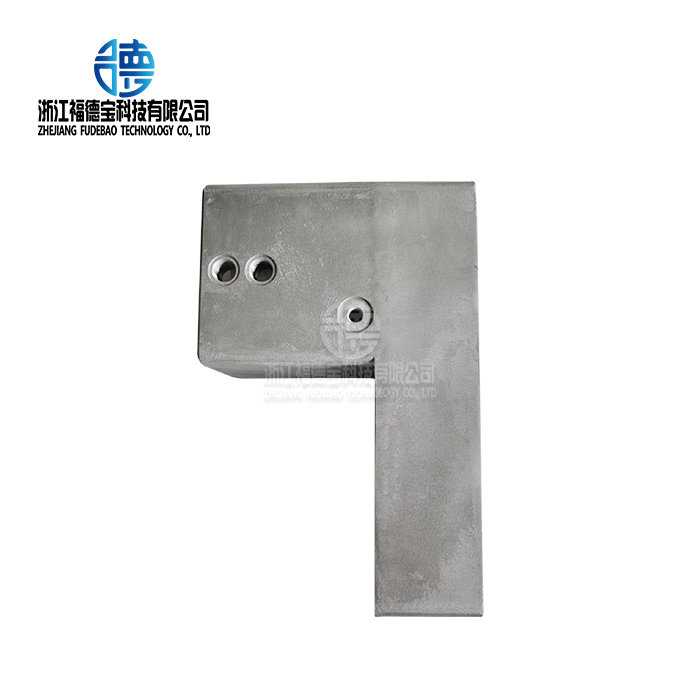
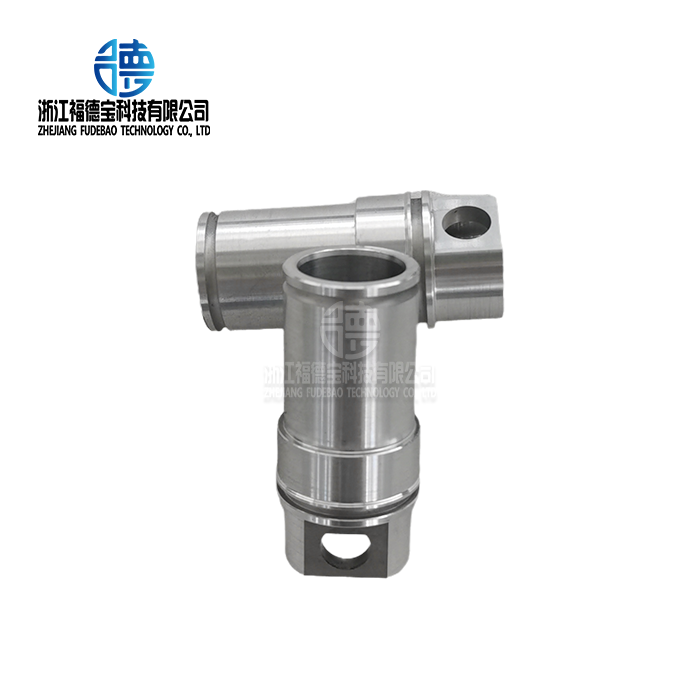
_1756349071334.webp "HAAS mounting bracket")
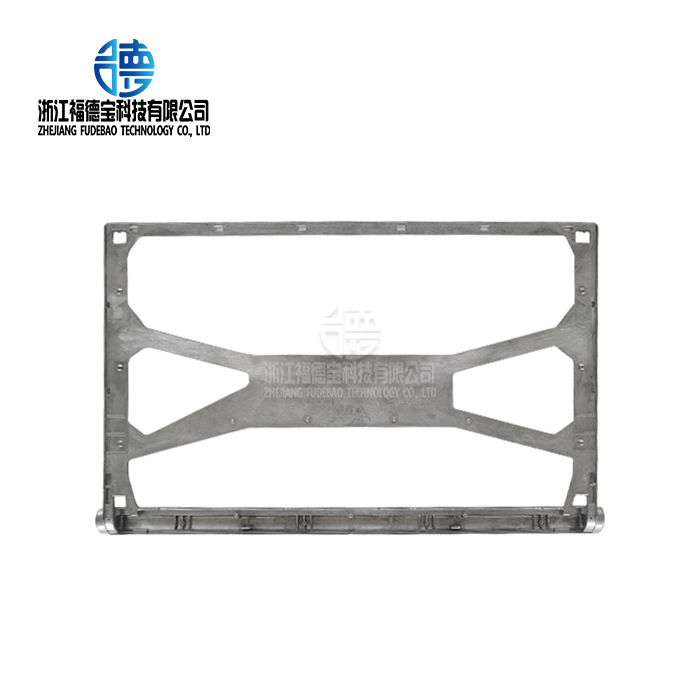
_1756346570305.webp "Bracket aluminum casting")