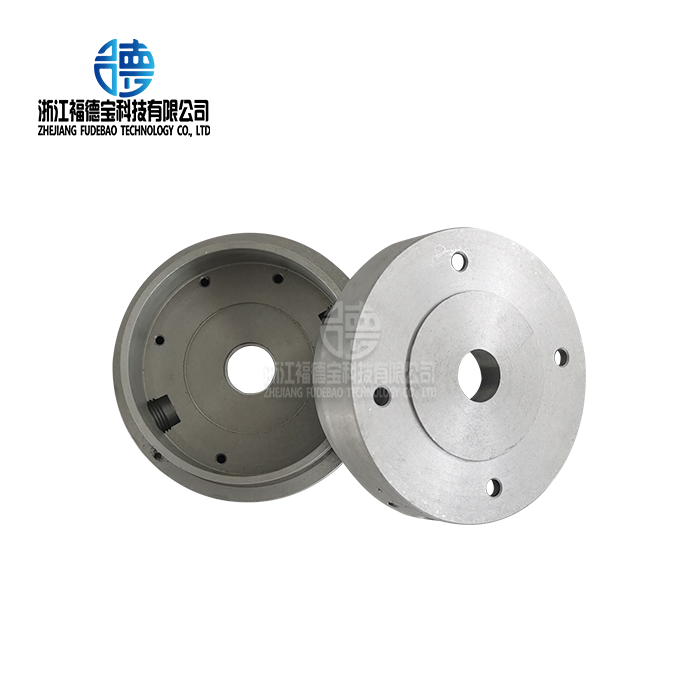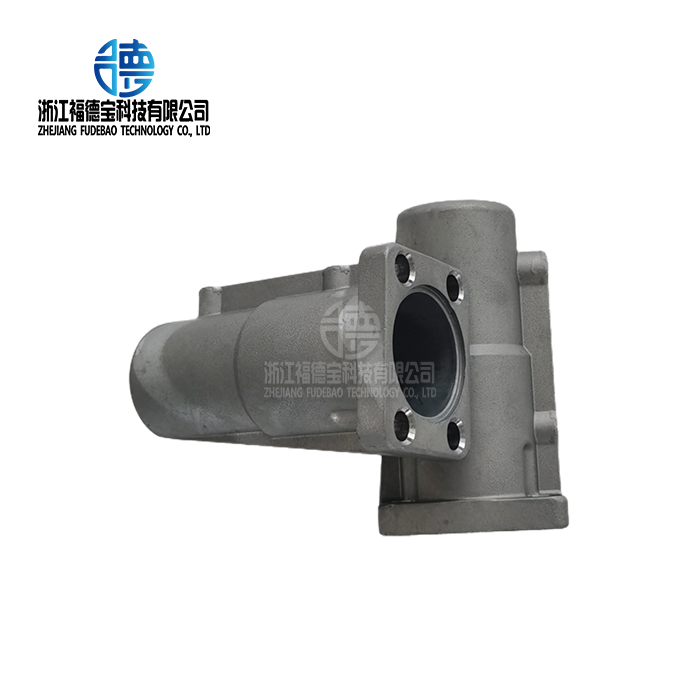
Exploring the Versatility of Sand Casting Copper and Aluminum Alloys
2026-07-06
When it comes to making copper and aluminum alloy parts that meet strict industry standards, sand casting is one of the most flexible manufacturing methods. This method uses sand molds that can be thrown away, usually green sand with clay binders or chemically-bonded resin sand, to shape molten metal into complicated shapes that are hard to make economically with other methods. Over 60% of all metal casts made in the world are sand cast.
Unlike die casting, which requires expensive tools, sand casting can handle weights from ounces to over 100 tons. Foundries can work with high-melting-point materials and complex internal features because it is so flexible. This makes it essential in industries like heavy machinery, energy infrastructure, and car powertrains where performance must not be harmed.
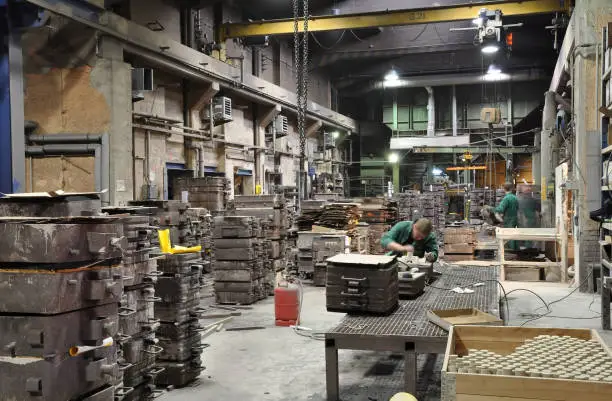
Understanding Sand Casting and Its Application to Copper and Aluminum Alloys
The basic idea behind sand casting is to make models that can be thrown away from bonded sand mixes that can handle high temperatures. To avoid common flaws, the process of working with copper and aluminum metals needs careful attention to mold permeability and temperature management.
Material Characteristics Driving Process Selection
Aluminum alloys melt at temperatures between 650°C and 750°C, while copper alloys need temperatures above 1100°C to pour. This difference in temperature affects every part of mold creation, from choosing the right glue to controlling the rate of cooling. Copper is a better thermal conductor than other metals, so heat moves away quickly. This means that pouring must be done faster and the gate system must be placed strategically to avoid cold shuts. Even though aluminum alloys have a lower melting point, they tend to absorb gases when they melt. This is why mold permeability is so important: it lets trapped gases escape without creating holes in the casting.
We have seen that using high-refractoriness silica sands with the right bonding systems gives the structure the strength it needs during dumping while still letting enough water pass through. In green sand systems, bentonite clay binders are more cost-effective for making more of something, while furan or phenolic resin binders give better accuracy in measurements for complicated metal housings and copper electrical parts.
Design Flexibility and Geometric Freedom
Sand casting works great for parts that need to have internal openings, undercuts, or different wall thicknesses that can't be made with fixed molds or wouldn't be cost-effective to make. The geometric flexibility of sand casting makes it useful for making engine blocks for cars with complicated cooling channels, big pump cases with internal webbing, and electrical housings that need precise mounting bosses. The fact that sand molds can break down when they cool down stops hot tears in metals that shrink a lot when they solidify. This is a very important benefit when casting aluminum alloys like A356 or copper alloys like C95400.
Sustainability Considerations in Modern Foundries
Being responsible for the environment has become an important part of sand casting. Green sand systems reuse up to 95% of the sand they collect through ongoing recycling processes. This makes a huge difference in cutting down on waste. Modern foundries use melting furnaces that use less energy and strict pollution controls that are in line with ISO 14001 standards for environmental management. These environmentally friendly methods work especially well with clients in the energy and car industries that have strict rules about environmental compliance in the supply chain.
Types of Sand Casting Methods and Their Suitability for Copper and Aluminum
Choosing the right type of sand casting has a direct effect on the accuracy of the dimensions, the quality of the surface, and the cost of production. Procurement teams can match technical needs with manufacturing skills when they understand the subtle differences between methods.
Green Sand Casting for Volume Production
In green sand casting, wet clay-bonded sand is used, and it can be used again and again during multiple casting processes. For metal parts that need to be within the limits of ISO 8062 CT11-CT13 grades, this method works very well and doesn't cost much. The amount of water in green sand makes it very easy to collapse, which lowers the leftover stresses in aluminum molds.
Green sand casting is often used for automotive brackets, industrial machinery housings, and electrical equipment frames where surface finishes between 6.3 and 12.5 Ra microns are useful. The method lets you make things quickly, which makes it perfect for engineering managers who need to find a good mix between accurate measurements and low unit costs across medium to large numbers.
Resin Sand (No-Bake) Casting for Precision Applications
Resin sand systems use chemical bonds, usually furan or phenolic resins, that harden at room temperature. This makes models that are stronger and more stable in their shape. This method gets better surface finishes and tighter tolerances (CT9-CT11), which makes it better for copper alloy parts used in electrical applications where surfaces needing less post-casting cutting for conductivity.
Resin sand can keep the core precisely positioned during pouring, which is useful for large valve bodies for oil and gas uses, complex gearbox housings, and aircraft structural parts. Even though the materials are more expensive, the costs of cutting and scrap are lower, which is especially helpful when working with expensive copper metals.
Low-Pressure Casting for Enhanced Integrity
In low-pressure sand casting, controlled pressure is used to push liquid metal into the mold rather than gravity alone. This method lowers the turbulence during filling, which makes it easier to avoid gas entrapment and inclusion flaws in copper and aluminum molds. This method works especially well for copper heat exchangers and aluminum motor housings, where interior soundness has a direct effect on thermal performance. The controlled flow of metal also makes it possible for wall sections to be thinner while still keeping structural integrity. This helps meet important lightweighting goals in car and aircraft uses.
Common Defects in Sand Casting Copper and Aluminum and How to Solve Them
Defects in the casting are the main quality issue for all foundry processes. Problematic partnerships can be told apart from reliable ones by figuring out what causes them and taking steps to stop them.
Porosity and Gas-Related Defects
Gas porosity shows up as small holes in the structure of the casting, which weakens its mechanical qualities and ability to keep gas out. This flaw happens in aluminum casts when hydrogen is absorbed during melting and gas can't leave because the mold isn't permeable enough. The problems that copper alloys have with making steam from sand that is wet are similar.
Some ways to reduce the damage are to use rotating impellers or nitrogen purging to remove gas from liquid aluminum, keep moisture levels very low in sand systems, and make sure mold has good ways to escape. Foundries that care about quality use real-time spectrometry analysis before dumping to make sure that the amounts of dissolved gases stay below important limits.
Shrinkage Cavities and Hot Tearing
When not enough molten metal feeds the parts that harden last, solidification shrinkage forms holes inside the metal. Copper metals shrink more than aluminum because they are denser, so riser design needs to be very careful to keep the direction of solidification. When heat pressures are higher than the material's strength during cooling, hot tearing happens. This is especially bad in parts that are held together.
Some solutions are to make the gating system's shape better so that it creates the right thermal gradients, place lifters carefully at heavy parts, and make sure that the mold's ability to collapse lets it expand freely. Advanced modeling software lets engineering teams see these problems coming during the planning phase, which cuts down on the number of times they have to try and fail.
Inclusion Defects and Surface Irregularities
Inclusions that aren't metal, like oxide films, sand particles, or slag, damage both the mechanical features and the quality of the surface. These flaws happen because the metal wasn't filtered well enough, the casting was rough, or the shape was worn away during the filling process. Using ceramic foam screens in gating systems, making sure the filling temperature is right to keep the flow right without getting too hot, and using mold coatings that don't wear away successfully reduce the formation of inclusions. When checking for quality, magnetic particle screening for copper alloys and dye penetrant tests for aluminum casts are both reliable ways to find problems.
Professional foundries are set apart by strict quality assurance processes. Coordinate measuring tools check that the dimensions match up with CAD models, and non-destructive testing methods like ultrasound inspection and x-ray examination make sure that the inside is solid. In sand casting, witness bars are cast next to production parts so that tensile strength, yield strength, and elongation qualities can be tested without damaging the final parts.
Comparing Sand Casting with Other Metal Casting Methods for Copper and Aluminum
Figuring out when other casting methods are better than sand casting's flexibility is an important part of strategic process selection.
Die Casting for High-Volume Precision
When making tens of thousands of similar metal parts with tight tolerances and great surface finishes, die casting is the best method. Under high pressure, the process pushes liquid metal into steel molds, making sure that the dimensions are accurate to within ±0.05mm and the surface finish is close to 1.6 Ra. But the big original investment in tools—often more than six figures for complicated dies—only makes economic sense when a lot of them are made.
Die casting also limits the metals that can be used because it only works with aluminum alloys with lower melting points. This means that many copper alloys can't be used at all. The internal complexity and varying wall thicknesses that are common in sand casting can't be done because of geometric limitations. Automotive tier-1 providers usually ask for die casting for engine parts and transmission housings when the yearly turnover is high enough to support the cost of depreciating the tools.
Investment Casting for Complex Geometries
Using wax models and clay shell molds, investment casting makes surfaces that are very smooth and with lots of small details. This method makes aluminum and copper parts with better accuracy in measurements and fewer draft angles, which means they need less cutting afterward. For engine parts and structural pieces in aerospace, investment casting is preferred because it reduces weight and improves accuracy, which justifies higher per-piece costs.
Pattern making and shell building take longer, so the process is less flexible than sand casting for making prototypes or making changes to designs. Investment casting is a great option when the size of the part stays the same and the quality of the surface is what drives the decision to buy.
Emerging Additive Manufacturing Integration
Metal 3D printing technologies make prototypes possible in a whole new way and allow hybrid production strategies that combine standard sand casting with printed cores. This mix lets you quickly test your idea without committing to fixed tools. Additive manufacturing can also make very small amounts of finished parts, but the costs of the materials are still much higher than with casting.
Sand casting stays ahead of the competition because it can be scaled up or down without any problems. It can make prototypes or thousands of production parts using mostly the same techniques, which sets it apart from both additive manufacturing and die casting, which are limited in their ability to produce large quantities.
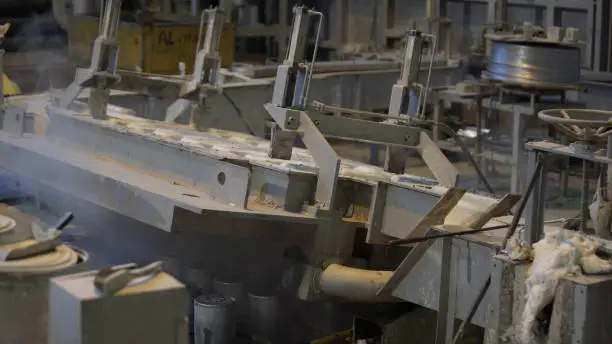
How to Choose and Procure Reliable Sand Casting Services for Copper and Aluminum Projects
Choosing a foundry is an important buying choice that will affect quality consistency, supply chain stability, and the total cost of ownership for a long time.
Certification and Quality System Verification
ISO 9001 certification is a good way to make sure that suppliers have written quality management systems, but aluminum and copper sand casting companies that work with regulated industries should show more qualifications. IATF 16949 certification means that the quality systems are up to the standards for the car industry. These systems should be able to handle PPAP paperwork, advanced product quality planning, and production part approval processes.
AS9100 certification means that the tracking and testing procedures are up to aircraft standards. Environmental standards like ISO 14001 prove that sustainable manufacturing practices are used. These practices are being required more and more by corporate responsibility efforts. By asking for certification documents during the seller qualification process, compliance gaps aren't found after production promises have been made.
Technical Capability Assessment
The professional level of skill in a manufacturer is just as important as the amount of goods they can make. When you look at a foundry's tools, you can see what processes it can do. For example, high-speed machining centers and CNC lathes show that they can do integrated finishing, which speeds up supply chains and cuts down on wait times. Investing in technologies that improve quality is suggested by low-pressure sand casting machines and automatic pouring systems. Spectrometry machines for analyzing chemicals and coordinate measure machines for checking sizes show that quality control is done during the production process, not just during the final review.
Sample Approval and Pilot Production
Setting clear goals during the first sample production phase will help avoid confusion during the mass production phase. Objective quality standards are set by detailed first article inspection records that include readings of dimensions, mechanical properties, and metallurgical analysis. Witness testing, in which members of the buyer watch the production process, look over the quality control procedures, and confirm the measurement methods, boosts trust in the supplier's abilities. Before committing to full-scale production, pilot production runs using production tools instead of trial methods make sure the process is stable.
Communication and Responsiveness Indicators
Clear communication patterns set up during the sample and quotation stages usually last throughout the production partnership. Suppliers who give detailed technical feedback on design for manufacturability, suggest ways to cut costs by making small changes to shape, and openly talk about possible delivery problems show that they are more interested in building partnerships than in making deals. There is a difference between good suppliers and recommended suppliers when it comes to engineering support, desire to make reasonable changes to specifications, and technical help after delivery.
Conclusion
Sand casting will always be useful because it has a special mix of geometric freedom, alloy versatility, and economic growth that no other process can match at the same time. Sand casting is a good way to make copper and aluminum metals because it can make complex internal features, handle changing production numbers, and keep costs low in a wide range of situations. To make smart purchasing choices, you need to know the subtle differences between green sand and resin sand methods, how common defects happen and how to stop them, and how to compare sand casting to die casting or investment casting.
For foundry relationships to work, professional skills must be confirmed, quality standards must be made clear, and communication must stay open throughout the product's lifecycle. As technologies for making things change, sand casting keeps changing too. It does this by incorporating automation, making it more environmentally friendly, and using mixed manufacturing methods that keep its main benefits while meeting the needs of modern production.
FAQ
What tolerances can sand casting achieve for aluminum and copper components?
Sand casting usually produces dimensional tolerances within the ISO 8062 CT10-CT13 grades, which translates to 0.8mm to 2.5mm, based on the size and complexity of the casting. Tolerances are tighter (CT9-CT11) with resin sand systems than with green sand systems. As-cast surfaces can't always be used directly for practical assembly because of the way the casting process works. This means that critical matching surfaces almost always need to be CNC machined after casting to get perfect fits.
How long does it take to make tools for sand casting projects?
Making a pattern and core box for sand casting takes a lot less time than making a lasting mold. Patterns that are simple can be finished in two weeks, but multi-core systems that are complicated usually take four to six weeks. The benefits are much greater than die casting equipment, which usually takes more than three months. This means that new products can be on the market more quickly.
Can sand casting produce thin-wall sections in aluminum housings?
For aluminum alloys, the minimum wall thickness is between 3mm and 5mm. For copper alloys, it is between 5mm and 9mm. Thinner parts may not fill all the way because the metal loses its flexibility before it gets to the edges of the mold. Die casting or investment casting may be needed for jobs that need thinner walls, but design changes can sometimes make sand casting work by thickening certain areas.
Partner with Fudebao Technology for Superior Sand Casting Solutions
Zhejiang Fudebao Technology has become a leading aluminum factory by offering a wide range of services, including melting, casting, precise cutting, and surface treatment. We have high-speed machining centers, CNC lathes, low-pressure sand casting machines, and die casting tools at our building. Together, they let us make everything from a blank to a finished product, with tolerances of up to ±0.05mm. We are experts in making parts out of aluminum alloy, copper alloy, and stainless steel. Our products are used in the automobile, industrial equipment, machinery production, and aviation industries around the world. We know more than just normal sand casting.
We also know how to use integrated production methods that combine different processes to get the best quality and efficiency. Our dedication to producing high-quality goods is shown by our direct relationships with foreign names, such as American HAAS automation machine tools. Email our engineering team at hank.shen@fdbcasting.com to talk about your needs for copper and aluminum sand casting. We help turn procurement problems into factory wins by giving full expert advice, competitive quotes, and working together to solve problems.
References
1. Campbell, J. (2015). Complete Casting Handbook: Metal Casting Processes, Metallurgy, Techniques and Design. Butterworth-Heinemann.
2. American Foundry Society. (2018). Sand Casting Handbook for the Automotive Industry: Guidelines for Quality Improvement. AFS Technical Publications.
3. Beeley, P.R. (2001). Foundry Technology. Butterworth-Heinemann Engineering Series.
4. ASM International Handbook Committee. (2017). ASM Handbook Volume 15: Casting – Sand Casting Processes and Alloy Selection. ASM International.
5. Brown, J.R. (2000). Foseco Foundryman's Handbook: Facts, Figures and Formulae for Metal Casting. Pergamon Materials Engineering Practice Series.
6. International Organization for Standardization. (2013). ISO 8062: Geometrical Product Specifications for Castings – System of Dimensional Tolerances and Machining Allowances. ISO Standards Publication.



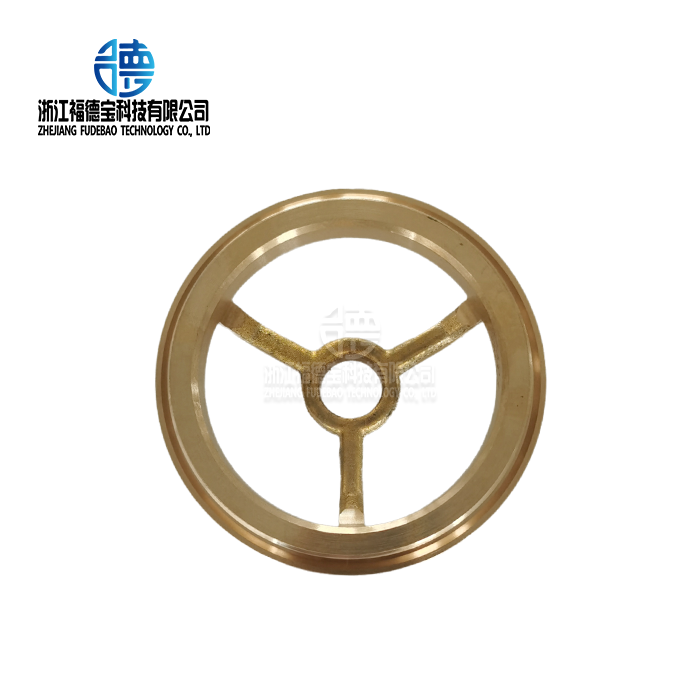
_1756347888208.webp "New energy motor shell")
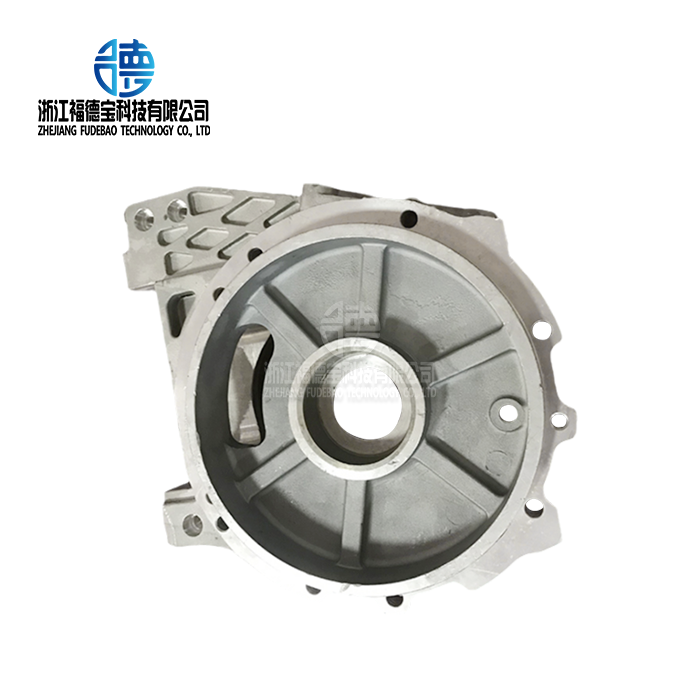
_1756352561845.webp "stainless steel blanking plug")
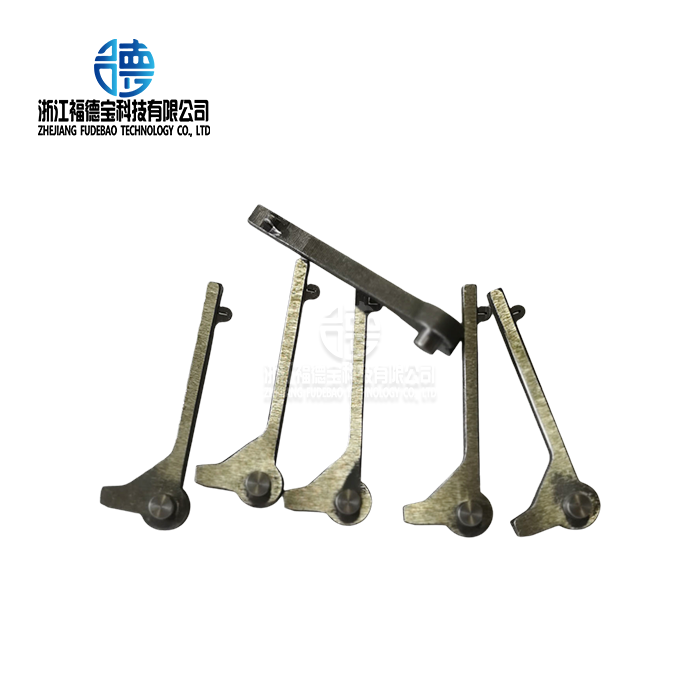
_1756348711711.webp "anti surge turbo housing")