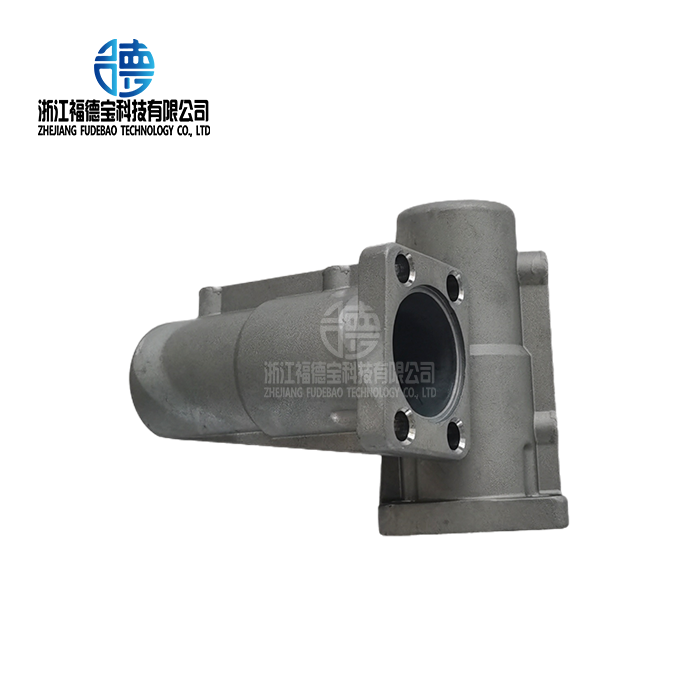
Precision Matters: Why Aluminum Die Cast Parts Outperform in High-Volume Runs
2026-07-09
When sourcing directors and engineering managers look at potential manufacturing partners, they ask one important question: Can this provider regularly offer precision at scale? More and more, aluminum die casting seems to be the answer. In this process, liquid aluminum metal is poured into hardened steel molds while being under very high pressure, between 1,500 and over 30,000 psi.
This high-pressure die casting (HPDC) method makes parts that are very exact in terms of size and shape, and they can be used over and over again. It solves basic problems in the electrical, industrial equipment, and automobile industries. When tens of thousands of units are made using sand casting or machining, the quality of the parts isn't always the same. But with die casting, the quality stays high while the cost per unit drops greatly as production volume rises.
Understanding Aluminum Die Casting and Its Precision Advantage
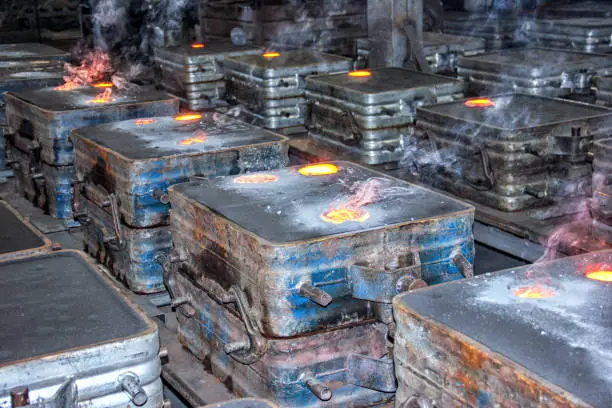
The High-Pressure Die Casting Process Explained
To start the process, aluminum alloys like A380, ADC12, or AlSi9Cu3 are melted at around 660°C. Under pressures greater than 10,000 psi, molten metal is pushed into precisely cut steel dies, filling complex holes in milliseconds. Rapid solidification under pressure gets rid of the shrinking porosity that happens a lot with gravity-fed ways and reduces flaws in the grain structure. Ejection happens very quickly, which lets cycle times be as short as 60 seconds per part.
Dimensional control is directly affected by the design of the tools. Advanced cooling ducts in multi-cavity dies keep temperature differences in check, which stops bending between production runs. CNC-machined die surfaces have Ra values below 1.6 micrometers, which means that cast parts are already smooth and don't need any extra finishing. Real-time shot monitoring, tracking of injection velocity, pressure curves, and fill patterns are all part of quality control systems. These help find problems before they lead to the production of faulty parts.
Material Properties That Drive Performance
Common die casting metals have a specific gravity of about 2.7 g/cm³, which is about one-third the density of steel. They also have tensile strengths of between 240 and 320 MPa, based on how they are heated. These metals are great for getting rid of heat in electronics and motor housings because their thermal conductivity is between 96 and 120 W/m·K. The natural layer of aluminum oxide makes it resistant to corrosion. For coastal or chemical settings, anodizing or powder coating can make it even stronger.
A356 alloys, which are made up of silicon and magnesium, are very flexible and can be used for structural parts in cars that need to absorb impact energy. With more silicon, ADC12 is great for thin-walled enclosures in telecoms gear because it is very fluid. Specifications for buying things should match the type of alloy used with the pressures that it will be put under during use. For example, the metal qualities of a battery housing for an electric car should be different from those of an HVAC compressor bracket.
Tolerances That Meet Automotive and Aerospace Standards
NADCA (North American Die Casting Association) guidelines say what kind of physical tolerances are acceptable based on the size and shape of the part. For parts smaller than 100mm, linear measurements usually stay within ±0.10mm without any extra work being done. Through integrated machining processes, critical features that need better control, like bearing bores or sealing surfaces, can get as accurate as ±0.05mm. These tolerances stay the same over production runs that go over 500,000 rounds, which is a level of stability that can't be made cheaply with sand casting or investment casting.
Why Aluminum Die Cast Parts Excel in High-Volume Production
Speed and Efficiency Advantages Over Alternative Methods
Cycle time studies show that die casting is better for scaling up. It would take 45 minutes of CNC cutting from billet stock to make a complicated bracket, but it only takes 90 seconds to aluminum die casting, which includes ejection and trimming. Similar speeds might be reached by sand casting, but those gains are lost when the parts need to be machined again to fix dimensional shift. When compared to machined parts, die casting cuts work hours by 70% over a 100,000-unit production run. It also cuts material waste from 60% to less than 5%.
When the surface finish is good right out of the die, grinding or finishing steps are often not needed. Normal Ra values are between 1.6 and 3.2 micrometers, which are good for most useful and noticeable surfaces. This "near-net-shape" feature lets buying teams give finished sizes instead of rough stock plus machining adjustments. This makes it easier for everyone in the supply chain to work together.
Cost Performance Across Production Volumes
The main cost to get started is the investment in tools. For example, steel dies with complicated shapes may need a big initial cost. But spreading this out over a lot of units makes unit economics that can't be beat by any other method. When compared to cutting, the cost of each part drops by a huge amount after 10,000 pieces. Once you get over 50,000 units, die casting often beats sand casting, even though the tools cost more, because it makes less waste and works faster.
Using materials efficiently leads to even more saves. Die casting gets a return of 90–95%, and the sprues and runners are reused in the melting oven. When you machine from solid stock, you usually lose 40–60% as chips. These material savings are especially important because the price of aluminum changes a lot. Leaner processes protect purchase budgets from changes in the prices of raw materials.
Defect Mitigation Through Process Control
Disciplined process management cuts down on common flaws like porosity, cold shuts, and flash. Porosity, or tiny holes in the casting, is caused by hydrogen gas or air that gets stuck. Vacuum-assisted die casting methods remove air before injection, which lowers porosity to below 2% by volume and meets the needs of the aircraft and automotive industries. When metal streams don't fuse fully, it's called a cold shut. This doesn't happen when the gate design and injection speeds are adjusted.
Precise die alignment and tightening force are used to control flash, which is made up of thin material fins along the splitting lines. To keep mass within a 1% range, modern hydraulic systems keep flash below 0.2 mm, which makes cutting easy. When purchasing teams look at different suppliers, they should check that the suppliers follow process validation methods and keep statistical process control (SPC) charts that show capability indices (Cpk) above 1.33 for important dimensions.
Tailoring Aluminum Die Casting Solutions to B2B Procurement Needs
Flexible Production Strategies From Prototype to Mass Production
Leading providers set up their plans to work with different stages of product creation. Using prototype tools made of lighter steels or aluminum die blocks lets you make changes quickly and with less money, making 500 to 2,000 test units for proof. Once the plans are stable, production tools switch to harder H13 tool steel, which can be used over 500,000 times. This method of working in stages makes sure that capital spending is in line with the risks of the project. This way, engineering teams can check fit, form, and function before committing to large-scale infrastructure.
Minimum order numbers (MOQs) change depending on how the tools are amortized. For normal geometries, some providers set MOQs at 5,000 units. For complicated multi-slide dies, you may need to commit to 10,000 units to cover the costs of setup. By negotiating yearly blanket orders with quarterly releases, buying teams can keep their options open while also making sure they have enough capacity during times of high demand.
Pricing Transparency and Cost Drivers
Value-based talks are possible when you understand how costs work. Material makes up 30–40% of the piece price and is directly linked to the choice of metal and the price of aluminum on the London Metal Exchange (LME). Tooling depreciation usually adds 15–20% per unit during the first few production runs, but as volume goes up, it goes down. 25–30% comes from labor and overhead costs, which depend on how much technology there is and the pay rates in the area. Aluminum die casting fits into this framework because its high initial tooling cost is offset by very low per-cycle labor and material waste, making the cost structure highly volume-dependent.
Complex shapes that need multiple slides or cores that can be folded up may raise the cost of the tools used, but they may lower the cost of assembly operations later on. For example, a transmission box that is cast as a single piece gets rid of four soldered parts, which moves costs from assembly to casting while improving structural integrity. Instead of just looking at piece prices, procurement research should look at the total cost of ownership.
Supplier Evaluation Criteria for Risk Management
Certification titles give people trust at first. ISO 9001 sets the basic standards for quality management, while IATF 16949 covers car needs, such as PPAP (Production Part Approval Process) paperwork. AS9100 certification shows that the system can meet the needs of aircraft tracking. In addition to certificates, technical audits should check records of how the equipment was calibrated, the metallurgical lab's spectrochemical analysis capabilities, and the inspection resources, such as the capacity of the Coordinate Measuring Machine.
Sustainability qualities are becoming more and more important in choosing a seller. Partners who use recovered aluminum content, which needs 95% less energy than original mining, are in line with the environmental goals of the company. Find out how much trash is recycled, how water is reused, and what efforts are being made to save energy. When technical skills are similar, these things set responsible sellers apart in bids.
Enhancing Procurement Confidence Through Precision and Partnership
Real-World Performance in Automotive Applications
One tier-1 car supplier had to deal with warranty claims on gearbox housings because oil leaked out at the points where the lines met. Leak rates dropped from 1,200 ppm to less than 50 ppm when die-cast housings were used instead of sand-cast ones. Because the dimensions were more consistent, the compression of the seal stayed the same across all units. This got rid of the differences that led to breakdowns. Even though the price of a single casting went up, production costs went down by 18% because guarantee service costs went down by a huge amount.
Manufacturers of electric vehicles use die-cast battery housings to make the structures of the vehicles fit together better. A single big casting can replace more than 70 stamped and welded parts, which cuts the time it takes to put the car together by 60% and makes it safer by placing the ribs better, which can't be done with multi-piece designs. A 15% weight decrease compared to stamped assemblies directly increases the range of the car, giving it an edge in the EV market.
Telecommunications Infrastructure Reliability
5G base station covers need to be able to get rid of a lot of heat and last for 15 years or more outside. Aluminum die casting is the preferred process for these enclosures because die-cast metal heat sinks with built-in fins help move heat away from devices that use 200W or more of power while taking up little room. The chromate conversion coating makes the corrosion resistance stronger, and it can handle ocean salt spray according to ASTM B117 standards.
This keeps the steel enclosures from failing because of rust. One big company that makes telecom equipment said that failure rates in the field were less than 0.1% per year for 500,000 units that used die-cast housings, compared to 2.3% for units that used stamped sheet metal housings.
Sustainable Manufacturing Partnerships
Progressive sellers use recycled aluminum that has already been used, which means that 60–80% of the aluminum is recovered without changing its mechanical qualities. This closed-loop method works well for buying teams that are keeping track of Scope 3 emissions. One company that makes industrial tools cut the carbon footprint of their products by 22% by working with their suppliers to agree on specs for recycled alloys. This helped them meet their net-zero goals while keeping performance standards.
Protocols for communication and technology help set apart truly exceptional partners. Suppliers who offer Design for Manufacturability (DFM) reviews during the bidding process help improve wall thickness, draft angles, and gate placement, which keeps costly redesigns from having to be done after the machine start. Cross-functional teams stay on the same page during the new product introduction (NPI) phases thanks to responsive project management and weekly updates. This keeps launch plans from being pushed back.
Conclusion
When it comes to accuracy and repeatability, aluminum die casting is unmatched. This is important for making in large quantities. The process makes good use of materials, has accurate measurements to within ±0.05mm, and has cycle times measured in seconds. These are all benefits that lead to stable supply lines and regular costs. Die-cast options are being used more and more by industries that need lightweight parts with complex geometries.
They see performance gains from fewer assembly steps, better surface finishes, and mechanical properties that work for tough applications. Strategic relationships with qualified suppliers who show process control, environmentally friendly practices, and the ability to work together technically put procurement teams in a good position to meet changing quality and cost goals in global markets that are very competitive.
FAQ
What makes die-cast aluminum superior to sand-cast or machined alternatives?
Die casting can get 5–10 times tighter tolerances on dimensions than sand casting, and it can also make better surface finishes that often get rid of the need for extra steps. Compared to CNC cutting, die casting cuts cycle times by 90% when more than 10,000 units are made. It also cuts material waste from 60% to less than 5%. The process makes parts that are almost net-shaped and have features built in, like bosses and ribs. This gets rid of the need for fasteners and welds that are needed for multi-piece systems.
How do suppliers maintain consistent quality across 100,000-unit production runs?
For every shot, certified makers use statistical process control to keep an eye on important factors like injection pressure, melt temperature, and fill time. Using CMM tools to check measurements on a regular basis makes sure that errors stay within the allowed range. Metallurgical testing shows that the alloy's makeup meets the requirements. Regular preventive maintenance on dies replaces damaged parts before they affect the quality of the part. PPAP documents and first-article inspection methods set standards that are checked regularly during production.
What lead times and minimum volumes should procurement teams expect?
Usually, making prototype tools takes 6–8 weeks, and the first models are made within 10 weeks of the design freeze. Depending on how complicated it is, making production tools takes 12 to 16 weeks. Validation testing is possible with sample part runs of 500 to 2,000 pieces. According to the complexity of the part and the cost of the tools, mass production MOQs run from 5,000 to 10,000 pieces. Blanket buy orders that are released every three months give you freedom while protecting your capacity during changes in demand.
Partner with Fudebao Technology for Precision Die Casting Solutions
Zhejiang Fudebao Technology has become a leading aluminum die casting producer by focusing on the automobile, industrial machinery, and electrical industries for many years. Our building has high-speed machining centers, CNC lathes, and modern die casting tools that cover the whole production chain, from melting the metal to treating the surface. We keep our measurements accurate to within 0.05 mm, which meets the strict needs of medical device casings and precision car parts.
During the quotation step, our engineering team works together to optimize the plan, making sure that it can be made while keeping costs low. Our quality systems are based on IATF 16949 and ISO 9001 standards. We provide PPAP paperwork that makes the process of qualifying suppliers easier for you. Our flexible capacity and quick project management can accommodate your needs, whether you need development help or high-volume production of hundreds of thousands of units per year.
Get in touch with Hank Shen at hank.shen@fdbcasting.com to talk about your needs for aluminum die casting. We give you thorough quotes that include information about the materials we use, how we make the tools, and when the work will be done based on your needs. You can learn more about what we can do at fdbcasting.com and ask for samples that show the accuracy and surface quality that make our making stand out. Working with a reliable die casting provider who cares about your success can help you turn problems with high volume production into competitive benefits.
References
1. North American Die Casting Association. (2021). Product Specification Standards for Die Castings Produced by the Semi-Solid and Squeeze Casting Processes. NADCA Technical Publications.
2. Kaufman, J. G., & Rooy, E. L. (2004). Aluminum Alloy Castings: Properties, Processes, and Applications. ASM International Materials Park.
3. Lumley, R. N. (Ed.). (2011). Fundamentals of Aluminium Metallurgy: Production, Processing and Applications. Woodhead Publishing Series in Metals and Surface Engineering.
4. Society of Automotive Engineers. (2019). Metalcasting Quality Requirements: High Pressure Die Casting SAE J2990. SAE International Standards.
5. Shivkumar, S., Ricci, S., & Apelian, D. (1990). Influence of Solution Treatment and Aging on Tensile Properties of Die-Cast Al Alloys. Journal of Heat Treating, 8(1), 63-70.
6. Totten, G. E., & MacKenzie, D. S. (Eds.). (2003). Handbook of Aluminum: Volume 1: Physical Metallurgy and Processes. CRC Press Materials Engineering Series.



YOU MAY LIKE
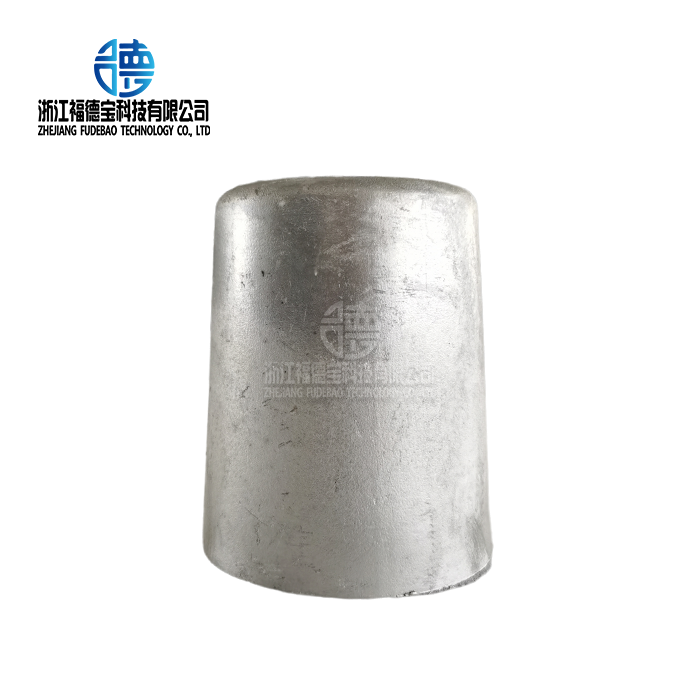
_1756352472762.webp "steel threaded plug")
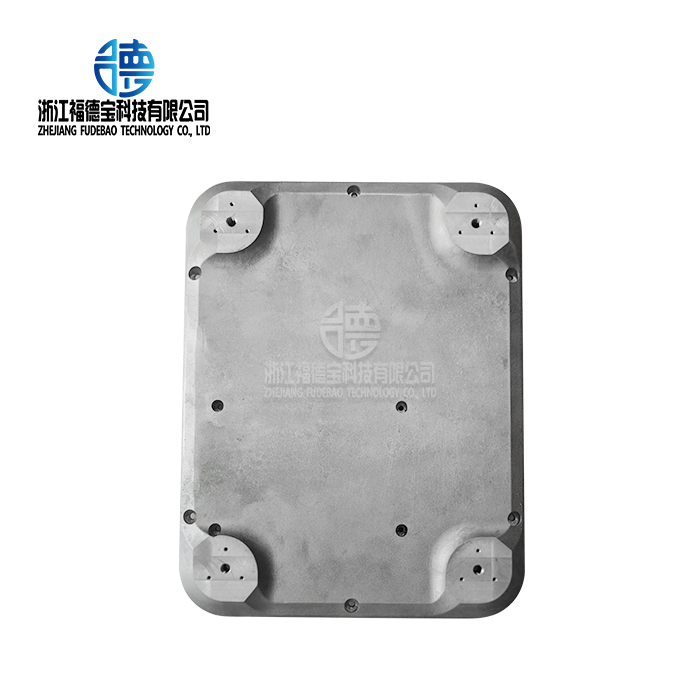
_1756349071334.webp "HAAS mounting bracket")
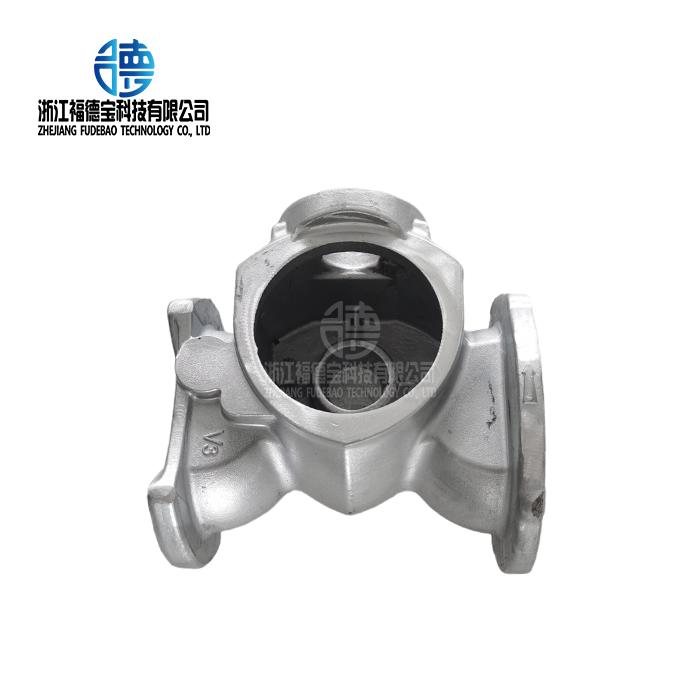
_1756346613780.webp "Aluminum tent base Casting")