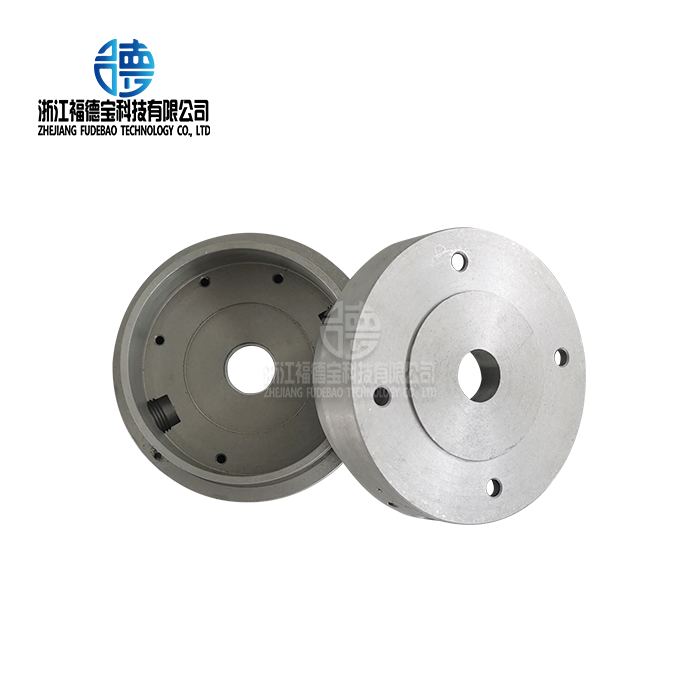
Where to Buy High-Quality Copper Castings Online?
2026-04-30
Procurement managers often have trouble telling the difference between reputable makers and poor sellers when they are looking for reliable places to buy high-quality copper castings online. Fudebao Technology, with its main office in Zhejiang, China, is a trusted source for getting quality copper alloy casts that are made to meet industrial standards. Fudebao can do sand casting, investment casting, and low-pressure casting, among other things. They work with companies all over the world that make cars, electronics, and big machines. Our combined centre handles the whole production process, from melting to finishing, and delivers parts that meet the ±0.05mm accuracy standards needed for important uses.
Understanding Copper Casting and Its Market Demand
What Copper Casting Means for Industrial Applications
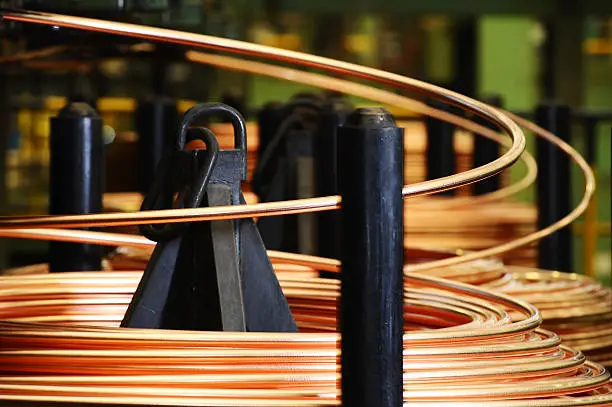
Pouring liquid copper or copper-based metals into moulds is what copper casting is used to make parts with complicated shapes. This metalworking method is very different from wrought manufacturing; it allows for almost net-shape production, which cuts down on trash and cutting costs. The method solves some problems in the industry where it's not cost-effective to machine solid billets, like when parts need complicated internal holes or big changes in cross-sectional thickness.
Common Copper Alloys Used Across Industries
Various copper alloys are used for different purposes. Copper and zinc are mixed in brass castings to make them very easy to machine and with a reasonable level of strength that makes them good for fittings and valve parts. Bronze castings, which are made of copper and tin mixed together, are great for big machinery bushings and gears because they are very strong and don't break down easily. In coastal settings, aluminum bronze is very resistant to corrosion and can handle saltwater better than many types of stainless steel. Cupronickel alloys stay stable in seawater and keep biofouling from growing in heat exchangers and pump housings.
Why Copper Outperforms Other Metals
Copper alloys have thermal transfer rates that reach 100% IACS (International Annealed Copper Standard) in their purest forms, and copper casting shares this property. This means that heat can be removed quickly, which is important for electrical systems and motor housings. When this trait is combined with electrical conductivity, it makes power transfer parts less likely to lose power due to resistance. This metal is resistant to corrosion because it forms a stable oxide layer, which is what gives it its unique colour and helps fix any damage on the surface. When aluminum is joined with different metals, it suffers galvanic rusting. But many copper alloys work well in systems with a mix of metals. Copper surfaces naturally kill microbes. This is known as the oligodynamic effect in science, and it keeps germs from growing on food preparation equipment and medical device housings.
Casting Methods Matching Application Requirements
Investment casting, also known as the lost-wax method, makes parts with a very smooth surface and precise dimensions. These parts can be used for turbine blades and precision connections and don't need much post-machining. Larger parts, like pump housings and gearbox frames, can be made in sand casting, which gives manufacturers options for low to medium production numbers. With centrifugal casting, cylinder-shaped parts like bearing tubes and valve seats are made by using rotating force to make dense structures with no flaws. Figuring out which method fits your technical needs affects both the performance of the parts and the cost of production.
Key Criteria for Buying High-Quality Copper Castings Online
Quality Standards and Certifications That Matter
Legitimate providers keep their ISO 9001:2015 quality management system certifications up to date, which shows that they follow organised procedures to stop mistakes and keep getting better. ASTM standards should be used in material requirements, like ASTM B505 for copper casting alloy sand castings or ASTM B271 for copper-base alloy centrifugal castings, to make sure that the chemical make-up and mechanical features meet established standards. Most suppliers to the car industry have IATF 16949 certification, which shows that they can meet the strict paperwork standards of the Production Part Approval Process (PPAP).
Verifying Material Traceability
Material certificates from reputable makers show that each heat lot has been tracked through the supply chain and include chemical analysis reports from approved labs, including for copper casting. This traceability is very important when parts fail too soon, because it lets metallurgy experts figure out if a difference in the material caused the problem. Optical emission spectroscopy equipment at the factory lets the makeup be checked in real time, finding any changes before the mixture is poured. When reviewing internet suppliers, make sure they keep these systems up to date by asking for sample material certificates instead of just saying they do.
Assessing Supplier Production Expertise
Production capabilities go beyond lists of tools. Our team at Fudebao Technology includes metallurgical engineers who know a lot about how copper alloys solidify, which stops common flaws like gas pores and hot tearing. Our building has both high-speed CNC machining centres and casting processes, so there are no delays in coordinating between different vendors. This vertical integration keeps control of the dimensions from designing the mould to inspecting the finished product. It makes it possible to meet the ±0.05mm standards needed for precision parts in cars and housings for medical equipment.
Understanding Lead Times and Order Flexibility
Mould development for complicated casts that need special tools usually takes 4 to 6 weeks before production starts. With sand casting moulds, prototypes can be made more quickly; samples are usually sent out within two to three weeks. Schedules for mass production rely on the casting method. For big runs, die casting has a higher throughput, while investment casting is more cost-effective for smaller numbers. When talking to sellers online, make sure you know if the wait times they give you only include production or also include shipping, customs clearance, and making the tools. This will help you avoid scheduling problems.
Comparing Copper Casting Suppliers: What Sets Fudebao Technology Apart
Comprehensive Service Portfolio From Design to Delivery
A lot of online stores act as middlemen, sending the real production to other companies with little control over it. As a straight producer, Fudebao Technology has the skills to handle the whole process chain in-house. Our engineering team works with clients from the first idea to the final prototype. They use CAD software to make sure that plans are optimised for copper casting before they spend money on tools. In our plant, low-pressure casting tools work with copper and aluminum alloys, and die-casting machines handle large orders. We can suggest the best production method for each job because of this range, instead of pushing ideas to fit our one process capability.
Advanced Technologies Supporting Quality and Sustainability
Modern casting operations, including copper casting, use modelling software to predict how the metal will move and solidify, which helps find places where defects might happen before the actual production. Fudebao uses these tools to improve feeding and control systems, which lowers the amount of scrap. Our melting processes use pollution control systems that meet environmental standards. This helps us meet the needs of our global clients who are becoming more concerned about corporate responsibility. Induction furnaces that use less energy have a smaller carbon footprint than older furnaces that burned fuel. This helps meet environmental goals without lowering the quality of the metalwork.
Transparent Communication Throughout Production
When sellers give vague information or wait to report problems until delivery deadlines have passed, it makes procurement problems worse. Our project management system sends regular progress updates that show when the pouring, heat treatment, machining, and testing steps of casts are complete. When dimensional checking shows errors, we tell clients right away with a root cause analysis and plans for how to fix the problem instead of shipping parts that don't meet standards. This openness builds trust, which is important for keeping suppliers for a long time.
How to Ensure Smooth Procurement of Copper Castings Online
Defining Technical Requirements Clearly
Detailed specs are the first step to a successful purchase. In addition to basic measurements, the documentation should list the material grade using international standards like ASTM, EN, or GB, the mechanical property requirements like tensile strength, hardness, and elongation, and the critical tolerances that separate features that need close control from less important dimensions. Surface finish needs affect the choice of production method; investment casting naturally makes surfaces smoother than sand casting. Finding out which areas need to be machined and which can be finished as-cast saves money for your copper casting project.
Sample Approval Process
Initial production models make sure that the seller understands the requirements properly and has the technical know-how to do the job. Samples should come with dimensional inspection records that show how they were measured using precise tools that can be tracked back to national standards. The composition and microstructure of the material meet the standards, as shown by the metallurgical study. When samples show differences, talking about fixes with engineering staff helps figure out if the problems are caused by unclear designs or lack of production skills. Larger problems don't happen during volume output because of this discussion phase.
Addressing Common Casting Defects
Porosity shows up as small holes in the structure of the casting. These holes are caused by trapped gases or the material shrinking as it hardens. This flaw lowers the mechanical strength and can lead to leaks in parts that hold air. When thermal contraction pressures are higher than a material's strength while it cools, hot cracking happens. This usually happens in shapes with sudden changes in section. Surface finishing problems, like a rough roughness or spots, are caused by bad mould material or metal that isn't clean enough. Reliable sellers use process controls to stop these types of failure, but buyers should know about checking methods that make sure delivery is defect-free.
Supply Chain Coordination Strategies
Carrying costs and stock-out threats are weighed by inventory management. To set safety stock levels, you need to know how your usage rate changes and how long it takes for suppliers to deliver. Blanket purchase orders with planned releases let suppliers see how much production is going on, which helps them plan their capacity more efficiently and could lead to better terms. Communicating with suppliers on a regular basis about changes to forecasts helps them make changes to the materials they buy and the staff they hire, which lowers rush charges when demand rises without warning.
Why Choose Fudebao Technology for Your Copper Casting Needs
Proven Track Record Across Diverse Sectors
Fudebao Technology has long-term partnerships with companies that make cars and supplies them with electrical housings and motor parts that need to be consistently accurate in size across production lots. Our bronze castings are used by companies that make industrial equipment to make wear-resistant bearings for big machinery that works in boundary lubrication conditions. Our copper casting alloy heat sinks are used in power systems to get rid of thermal loads that would cause aluminum options to break down too soon. This experience across sectors gives our team a chance to work on a wide range of technical problems, which helps them develop skills that can be used in new situations.
Certifications Demonstrating Unwavering Standards
Our ISO 9001:2015 license is checked by qualified registrars every year to make sure we are still following the rules, including for copper casting. It's not a one-time thing that we did. The paperwork for the quality management system spells out how to control every step of the production process, from inspecting new materials when they come in to packing them all up at the end, covering copper casting. Before external accountants find problems, internal audit programmes find ways to make things better. This organised way of managing quality makes sure that parts sent out next year, including copper casting, will meet the same standards as those sent out now.
Flexible Solutions for Custom Projects
Standard catalogue parts can be used in a lot of different situations, but sometimes they need to be customised to fit specific needs. Fudebao's tech team works with customers to make changes to current designs or create whole new parts. Rapid prototyping with 3D-printed models for investment casting speeds up the development process by making it possible to make working samples in days instead of the weeks that are needed for fixed tools. This flexibility is useful during the development of a product, when plans change quickly based on test results.
Conclusion
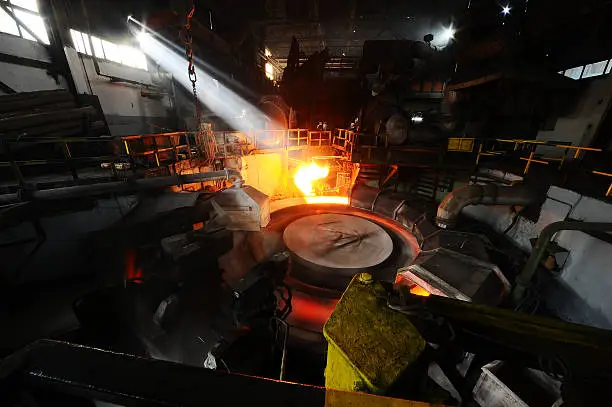
To find high-quality copper castings online, you have to look at more than just the sellers' marketing claims. Real manufacturing skills, shown by certifications and technical know-how, set trustworthy partners apart from middle-men who don't have control over production. Fudebao Technology's combined processes, which include melting, casting, machining, and surface treatment, make sure that the dimensions are correct and the material is consistent, which is important for tough uses. Our promise of open communication and flexible order management helps procurement teams deal with the real problems they face when they have to coordinate global supply lines. By knowing the features of copper alloys and matching casting methods to the needs of an application, you can make smart choices that balance performance needs with cost concerns.
FAQ
1. What minimum order quantities does Fudebao Technology require for copper castings?
We can handle orders of different sizes, based on the way of production and the complexity of the parts. Sand casting projects can start with as few as 50 to 100 pieces, which are good for extra parts or the first production runs. Due to the cost of the tools, investment casting usually starts to make sense when 200 to 500 pieces are made. When equipment costs are spread out over time, die casting can meet high-volume needs starting at about 1,000 pieces for copper casting projects. This makes the unit price competitive. Our sales team looks at each enquiry on its own and suggests the output method that will save you the most money overall, rather than setting arbitrary minimums.
2. How does Fudebao Technology ensure dimensional accuracy for precision copper components?
Dimensional control starts when we design the mould. This is where we account for the different shrinking rates of the alloys we use, which we know about from decades of casting experience. In-process inspection happens right after knockout while the casts are still warm, checking important measurements before heat treatment could change them. Coordinate measuring tools (CMM) are used for complicated shapes and calibrated micrometres are used for easier ones during the final check. All measurements are written down in inspection reports, and parts that don't fit within the tolerance ranges are looked at to see what should happen with them. If repair is possible, or if the variation in dimensions is too great to fix, the part is thrown away.
3. Can Fudebao Technology assist with material selection for specific applications?
Our metallurgical engineers help you match the qualities of a material to its working conditions. For uses that will be exposed to salt water, aluminum bronze or cupronickel metals that are resistant to chloride attack are usually needed. Leaded tin bronze, which has lubricant built in, is good for high-load bearing surfaces. For electrical uses that need the best transmission, high-purity copper metals with low resistive losses are recommended. We look at the budget, the amount of mechanical load needed, the climate, the amount of conductivity needed, and other factors to find the best metal grade. This way, we don't just use common materials that might not work as well.
Partner With a Trusted Copper Casting Manufacturer
Zhejiang Fudebao Technology Co., Ltd. has the technical know-how and production ability that your purchasing team needs to get copper castings reliably. Our wide range of industrial skills, from low-pressure casting to precise CNC cutting, get rid of the problems that come with multi-vendor supply chains. Engineering help includes choosing the right materials and making sure the best designs are used so that parts work well and don't cost too much. Our quality methods are trusted by clients around the world in the aircraft, automotive, industrial equipment, and electrical infrastructure sectors to consistently meet international standards. Email our team at hank.shen@fdbcasting.com to talk about your requirements. We'll look over your requirements, suggest the best ways to make it, and send you models to show what we can do. Fudebao Technology is a trusted provider whether you need wear-resistant bronze bushings, high-conductivity electrical parts, or marine hardware that won't rust.
References
1. Davis, J.R. (2001). Copper and Copper Alloys: ASM Specialty Handbook. ASM International Materials Park, Ohio.
2. American Society for Testing and Materials. (2019). ASTM B505-19: Standard Specification for Copper Alloy Continuous Castings. ASTM International, West Conshohocken, Pennsylvania.
3. Beeley, P.R. (2001). Foundry Technology. Second Edition, Butterworth-Heinemann, Oxford, United Kingdom.
4. International Organization for Standardization. (2015). ISO 9001:2015 Quality Management Systems – Requirements. ISO Central Secretariat, Geneva, Switzerland.
5. Campbell, J. (2015). Complete Casting Handbook: Metal Casting Processes, Techniques and Design. Second Edition, Butterworth-Heinemann, Oxford, United Kingdom.
6. Kaufman, J.G. and Rooy, E.L. (2004). Aluminum Alloy Castings: Properties, Processes, and Applications. ASM International Materials Park, Ohio.



YOU MAY LIKE
_1756352561845.webp "stainless steel blanking plug")
_1756346043433.webp "guardrail connecting block")
_1756344684491.webp "Explosion-proof lamp housing aluminum casting")