What Products are Made from Sand Casting?
2026-05-01
Sand casting makes a wide range of industrial parts for many different industries, such as heavy-duty pump cases, electrical equipment boxes, and engine blocks and transmission housings for cars. Glued sand moulds are used in this flexible metal shaping method to make complex shapes out of molten metals like iron, bronze, steel, and aluminium. Sand casting is still one of the most popular ways for procurement professionals to make parts without having to spend a lot of money on expensive equipment. It can be used to make both lightweight flight components and huge industrial machinery parts.
Overview of Sand Casting and Its Industrial Applications
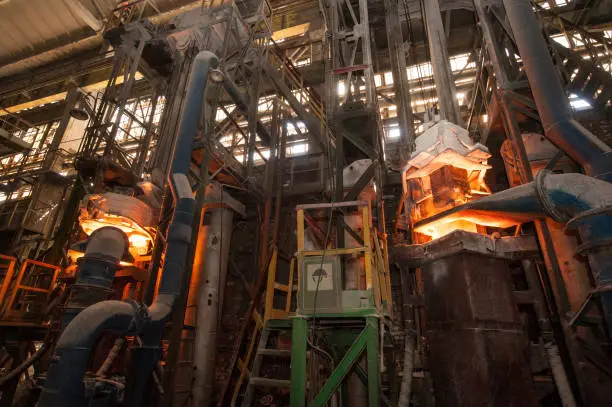
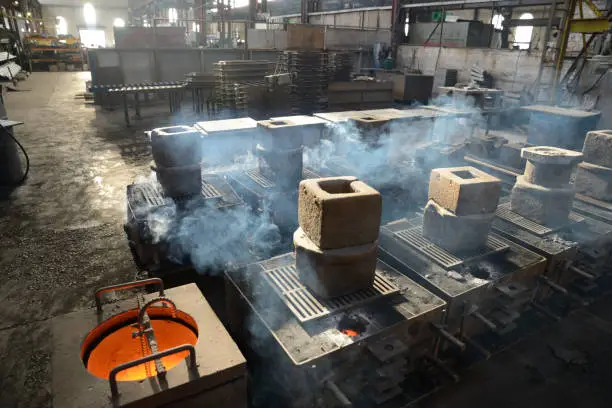
Sand casting is a basic way to make things. We make moulds that can be thrown away from mixes of packed sand, usually green sand with clay and water in it or chemically-bonded resin sand. When the molten metal runs into these carefully made mould holes, it hardens into the shape we want. Then, we remove the sand to see the final casting.
Understanding the Sand Casting Process
Patterns are usually made from wood, plastic, or metal, and they leave a negative image in the sand. This is the first step in the casting process. We pack specially made sand around this pattern and add gate systems to control the flow of metal and steps to account for the fact that the metal will shrink as it cools. This method is used for about 60% of all metal castings in the world because it doesn't need the expensive fixed tools that are needed for die casting. This means that it can be used for production runs ranging from a single sample to several thousand units per year.
Metals Commonly Used in Sand Casting
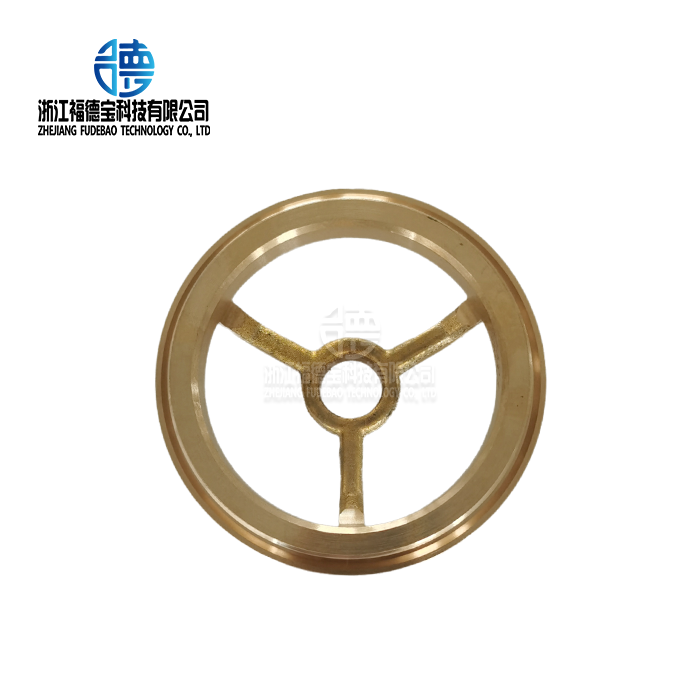
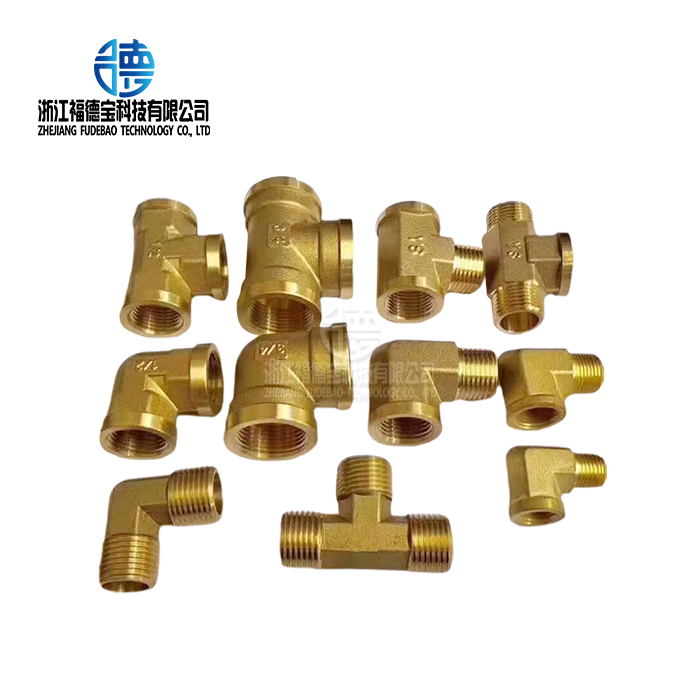
Aluminium alloys are most often used in places that need strong but light materials, like the aircraft and automobile industries. Grey iron and ductile iron are used in big tools where strength under stress is very important. Bronze and brass castings are used in naval settings because they don't rust as easily, and food processing equipment uses stainless steel parts that meet cleanliness standards. We can pour metals that have melting points higher than 1600°C, even special superalloys that fixed moulds can't hold without breaking, using sand casting.
Industries Relying on Sand Cast Components
Automakers count on this process to make engine parts that can handle extreme temperature changes. Manufacturers of construction tools need large structural casts that can reduce vibrations. Offshore oil platforms in the energy sector use valve bodies that don't rust, and farming equipment has strong gearbox housings that are made to last for decades in the field. For the creation of sculptures and building components with fine surface features, even artistic foundries use sand casting.
Key Product Categories Made by Sand Casting
Because this way of making is so flexible, it can be used in a wide range of industries, each with its own performance and quality standards.
Automotive and Transportation Components
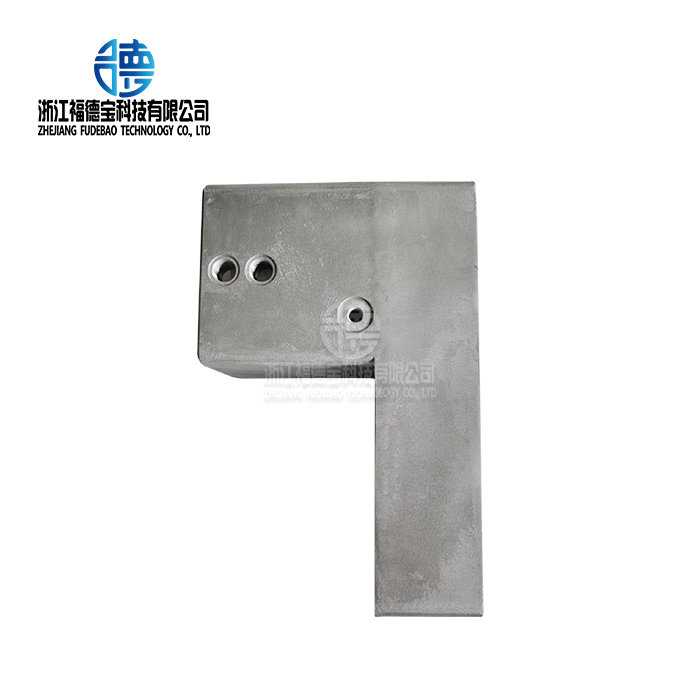
Engine blocks are still the most common sand casting product. They have many complicated internal pathways for coolant movement and many core assemblies that make cylinder bores. Transmission housings need exact mounting areas for bearings and seals. This is done by CNC milling the as-cast part after it has been cast. Cylinder heads have complicated valve ports and combustion chamber shapes that make airflow better. Brake drums and rotors find a balance between dissipating heat and keeping the structure strong. Suspension parts like control arms try to be strong while also being light. We've given tier-1 car suppliers aluminium gearbox cases that had dimensions that were within ±0.05mm after they were finished being machined, which met the strict PPAP documentation standards.
Industrial Machinery and Equipment
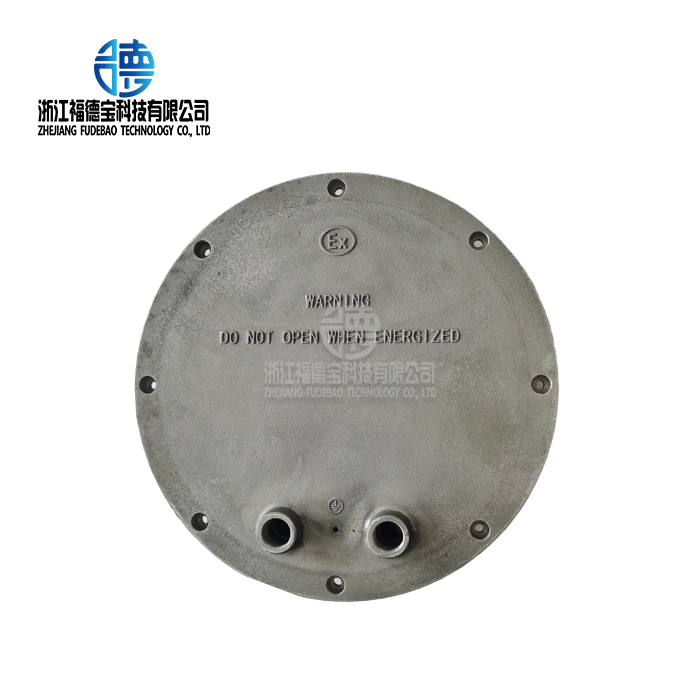
In chemical processing plants, corrosion-resistant metals are shaped into thick-walled structures that safely hold high-pressure fluids. The compressor bodies have fixing bosses built in and ports for air connections that are perfectly placed. The cases of gearboxes hold spinning parts rigidly in place and let heat escape during operation. For hydraulic systems, valve bodies need smooth internal pathways to keep pressure drop and noise to a minimum. Manufacturers of heavy equipment use sand casting for mining equipment frames that are constantly being hit with shocks and for loader counterweights where sheer mass provides operating stability.
Electrical and Energy Sector Products
Electrical protection and heat absorption are both built into motor housings for industrial drives. Cooling fins are often cast directly into the structure to help with this. Enclosures for transformers protect delicate electrical parts and block electromagnetic waves. For mating connections, electrical socket housings need precise control over dimensions. Resin sand moulds provide a better surface finish for this purpose. Heat sink systems maximise surface area by using complicated shapes that can't be made with traditional ways. Aluminium sand mould casting is used to make monitor enclosures that are used for a wide range of things, from industrial control interfaces that are subject to vibration and oil mists to naval navigation displays that need to be protected against salt spray (IP67).
Aerospace and Defense Applications
High strength-to-weight ratios are needed for aircraft structure parts. These can be achieved by casting aluminium alloys, heating them, and then carefully milling them. Before they are put into service, landing gear parts go through a lot of rigors non-destructive testing to make sure they are internally sound. Helicopter gearbox housings have many features built in, which makes them easier to put together. Defence companies order sand casting parts for weapon system mounts and vehicle armour brackets. Traceability paperwork keeps track of every step, from certifying the raw materials to the final review. For these uses, foundry partners must keep their AS9100 approval and advanced X-ray testing skills.
Comparison of Sand Casting with Other Casting Methods for Product Suitability
It is helpful for procurement workers to know when sand casting is better than other methods. This lets them make cost-effective buying decisions that meet technical requirements.
Sand Casting Versus Investment Casting
According to ISO 8062 standards, investment casting has a better surface finish and tighter measurement limits, usually reaching CT6–CT8 grades compared to sand casting's CT10–CT13 range. However, investment casting has much higher costs per piece because of the ceramic shell processing. This means that it is only cost-effective for complicated shapes in high-value uses like turbine blades. When the weight of the part is more than 10 kg, clay shells become too expensive, so sand casting is a cheaper option. Wall thickness limits are very different. Investment casting works best for thin sections less than 3 mm, while sand casting can safely make sections 5 mm to several inches thick without the risk of mould filling not being complete.
Green Sand Versus Resin Sand Casting
Green sand moulds use clay binders that are triggered by water. They have the cheapest materials and can make moulds quickly, making them ideal for making a lot of car parts. Resin sand, a type of sand casting, uses chemical binders like furan or phenolic resins that harden at room temperature. This gives parts for hydraulic valves and precise machinery better shape accuracy and a smoother surface finish. We choose green sand for brake drums and flywheels because the surface can be smoothed out later by machining. On the other hand, we choose resin sand casting for big pump casings that need a smooth surface as-cast to cut down on finishing work and wait times.
When Sand Casting Outperforms Die Casting
Die casting is great for making a lot of small parts with a smooth surface, but the permanent steel moulds require production numbers above 5,000 pieces per year to cover the high cost of the tools. Patterns for sand casting are much cheaper and can be changed quickly if the design changes. Die casting only lets you use low-melting-point metals like magnesium, aluminium, and zinc as alloys. Sand moulds, on the other hand, can handle the high temperatures needed for steel, iron, and copper alloys. Sand casting can easily make things that weigh hundreds of kilograms, which is much more than what a die casting machine can do.
Quality Considerations and Problem Prevention in Sand Casting Products
To get uniform casting integrity, you have to pay attention to process variables and methods for preventing defects all the way through the production cycle.
Common Defects and Their Causes
Porosity happens when gases that are caught inside the sand mould can't get out. This leaves holes in the structure that make it less strong and less suitable for pressure-tight uses. When melted metal cools and solidifies without getting enough feed from risers, it forms shrinkage holes. This is especially true in heavy parts that cool slowly. Sand specks happen when mould material wears away and gets stuck in the casting, making hard spots that make it hard to machine. Hot cracking happens when parts that are held in place can't relax easily as they cool down. This is a problem with alloys that have wide solidification ranges. We avoid these problems by carefully designing the moulds, keeping an eye on the filling temperatures, and making sure the sand meets the right requirements for permeability.
Best Practices for Mold Preparation
We keep an eye on the moisture content, clay percentage, and compactibility of the sand for sand casting to make sure that the mould strength stays the same. If you use the right amount of pushing pressure, the sand will settle evenly around the pattern, leaving no hard or soft spots. For core assembly to work, it needs to be precisely placed and have enough vents to let gases escape. The design of the gate system controls the speed of the metal, which stops the instability that leads to oxide inclusions and mould damage. Before going into production, we use modelling software to guess the fill patterns and find possible flaw spots. This cuts down on the number of trial-and-error steps.
Certification and Quality Standards
ISO 9001 approval sets the standard for quality management systems, and ISO 8062 defines the levels of tolerance for different casting methods. Automotive producers need to show that they follow IATF 16949 and submit a PPAP that shows they can handle the process. For aerospace uses, materials must be certified to AS9100 standards and be able to be tracked from the melt batch to delivery. We keep these certificates at our building, which has coordinate measuring machines for checking sizes, spectrometers for figuring out what the metal is made of, and X-ray machines for checking the inside for damage. This infrastructure makes sure that our casts meet the strict standards that engineering managers and quality directors use to judge the skills of suppliers.
Purchasing Guide: How to Source High-Quality Sand Cast Products and Materials
Strategic source selection affects not only the quality of the parts, but also the dependability of the supply chain and the total cost of ownership over the duration of the product.
Essential Supplier Evaluation Criteria
What parts a supplier can safely make depend on the size and capabilities of the foundry and its tools. We suggest that you make sure that any possible partners have the right melting furnaces for the metals you need. For example, induction furnaces are good for iron and steel, and reverberatory furnaces are good for aluminium. Whether you need automated moulding lines to make thousands of pieces or hand-molded flask systems for prototypes and small runs, your moulding tools should be able to handle the amount of work you need to do. When casts need features with tight tolerances, in-house machining speeds up production. Our building has HAAS CNC machining centres that provide precise finishing without having to wait for outsourcing.
Verification Through Facility Audits
Reviewing the supplier's paperwork can tell you a lot about their skills, but nothing beats an on-site evaluation. When you visit a facility, pay attention to how clean and organised it is. Foundries that are clean and organised tend to make more regular casts. Instead of just reading capability claims, look at real output pieces. Ask workers about the number of defects and the steps taken to fix them to learn more about how they solve problems. Check the accuracy of the measurement system by looking at inspection records and gauge calibration certificates. We are happy for buying teams to do these kinds of checks because we are sure that our well-controlled processes and high-tech tools will show that we are committed to quality.
Materials and Equipment Sourcing
Quality foundry materials affect more than just the finished castings. They also affect the prices of production and the features of the castings. Specifications for silica sand should match what is available in the area and meet standards for permeability and grain size. The quality of the bentonite clay affects how well green sand sticks to it and how long the mould lasts. To keep their responsiveness, resin binders need to be stored in the right way. We keep in touch with a number of material sources to make sure we always have what we need and to take advantage of volume price benefits that help our customers get lower casting costs.
Custom Casting Services for Specialized Needs
For prototyping, you need suppliers who are flexible enough to make patterns quickly and cast small amounts of metal without requiring a minimum order quantity. We support product development timelines by making quick changes to patterns and trial castings to suit engineering updates. For complex shapes, some foundries may not be able to make the cores or multi-part moulds that are needed. During design-for-manufacturing reviews, our engineering team works together to suggest changes that make the product easier to cast while still meeting functional standards. This lowers the overall cost of the project and speeds up the time it takes to get it to market.
Conclusion
Sand casting is the most flexible way to make metal parts for the aircraft, automobile, industrial machinery, and electrical industries. This method is more cost-effective than permanent mould ways and can handle a wide range of metals, complicated shapes, and changing production numbers. Procurement pros can make wise buying choices by knowing which product types are best suited for sand casting, such as engine blocks and electrical housings. Quality concerns, such as preventing defects and certifying the seller, make sure that the performance of the component is reliable. Engineering managers and buying directors can make sure that their products will be successful for a long time by working with foundries that have a lot of experience, offer integrated machining, and have strict quality systems.
FAQ
1. What size limitations exist for sand cast products?
Sand casting can be used for a huge range of sizes, from tiny parts that weigh only a few ounces to huge industrial parts that weigh over 100 tonnes. For non-ferrous materials like aluminium, the minimum wall width is usually 3 mm. For ferrous metals like steel and iron, it's usually 5 mm. Thinner parts run the risk of not filling the mould all the way because the metal forms before it gets to the edges. Maximum sizes are limited by the foundry's handling tools and furnace capacity, not by the process itself. For example, ship propellers and hydropower turbine housings that are several metres across are made in specialised facilities.
2. How does sand casting compare in lead time to other methods?
Pattern making for sand casting usually takes two to six weeks, depending on how complicated it is. This is a lot faster than making fixed mould tools, which can take three to six months. Once models are made, production can start in days instead of weeks, which makes sand casting useful for short-term needs. But once the tooling is done, die casting has faster cycle times for each piece. This makes it better for high-volume programmes that make more than 10,000 units per year and where the cost of the tooling is justified by the time it takes to pay for itself.
3. Can sand castings achieve tight tolerances without machining?
As-cast dimensional accuracy usually meets ISO 8062 grades CT10–CT13, which means that there are errors of a few millimetres based on the size of the casting. Compared to green sand, resin sand methods make this a little better. CNC cutting is almost always needed to get critical mounting surfaces, bearing bores, and threaded holes as precise as they need to be for proper assembly and function. We make casts with room for machining on functional surfaces while leaving non-critical areas at their original size. This strikes the best balance between the cost of casting and the needs of the end part.
Partner with Fudebao Technology for Your Sand Casting Requirements
Fudebao Technology is a specialised sand casting company that makes parts out of aluminium, copper, and stainless steel for automakers, industrial equipment makers, and machinery makers around the world. Our factory has HAAS high-speed CNC machining centres, low-pressure casting machines, and die casting equipment. This lets us make everything from molten metal to finished parts with tolerances of up to ±0.05mm. We have direct supply relationships with foreign names because we are good at working with complicated shapes and keeping strict records of quality. Our engineering team works together throughout the development process to make sure that plans are made in a way that is both cost-effective and easy to make. This is true whether you're looking for small quantities for a trial or a steady supply of goods for production. Get in touch with hank.shen@fdbcasting.com to talk about your unique casting needs and get detailed technical offers backed by our ISO-certified quality systems and advanced inspection tools.
References
1. American Foundry Society. (2021). Casting Process Selection Guide: Technical and Economic Considerations for Metal Component Manufacturing. Schaumburg: AFS Publications.
2. Campbell, John. (2015). Complete Casting Handbook: Metal Casting Processes, Metallurgy, Techniques and Design. Oxford: Butterworth-Heinemann.
3. Beeley, Peter R., and Smart, Richard f. (1995). Investment Casting. London: Institute of Materials.
4. International Organization for Standardization. (2019). ISO 8062-3:2007 - Geometrical Product Specifications (GPS) — Dimensional and Geometrical Tolerances for Moulded Parts. Geneva: ISO Standards.
5. Stefanescu, Doru M. (2002). Science and Engineering of Casting Solidification. New York: Springer Science & Business Media.
6. Brown, John R. (2000). Foseco Ferrous Foundryman's Handbook. Oxford: Butterworth-Heinemann.



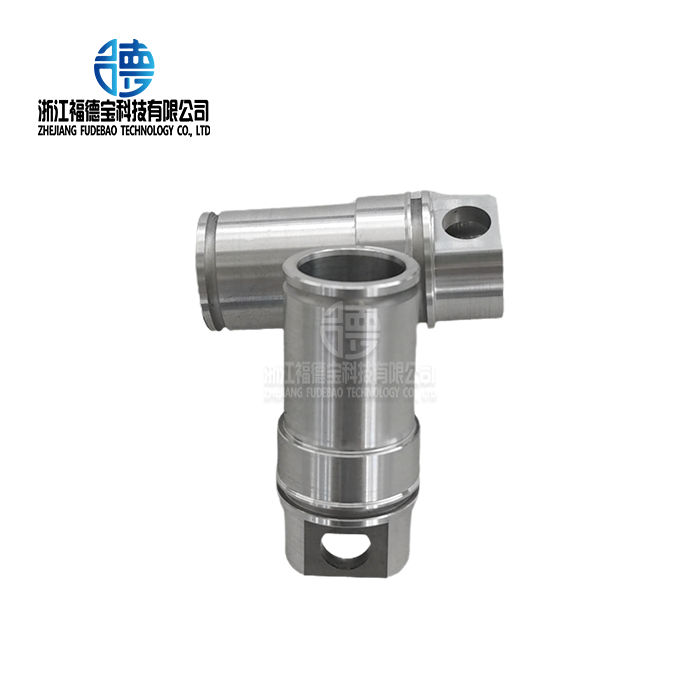
_1756360265131.webp "Aluminum casting chair legs")
_1756348489473.webp "Automobile intake valve")
_1756348227989.webp "Aluminum casting movable U frame")