When to Combine Die Casting and CNC Machining?
2026-02-05
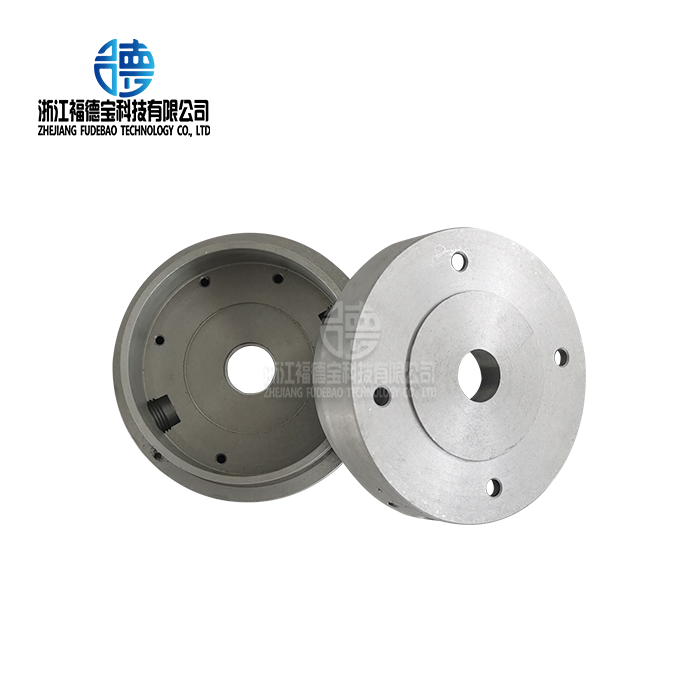
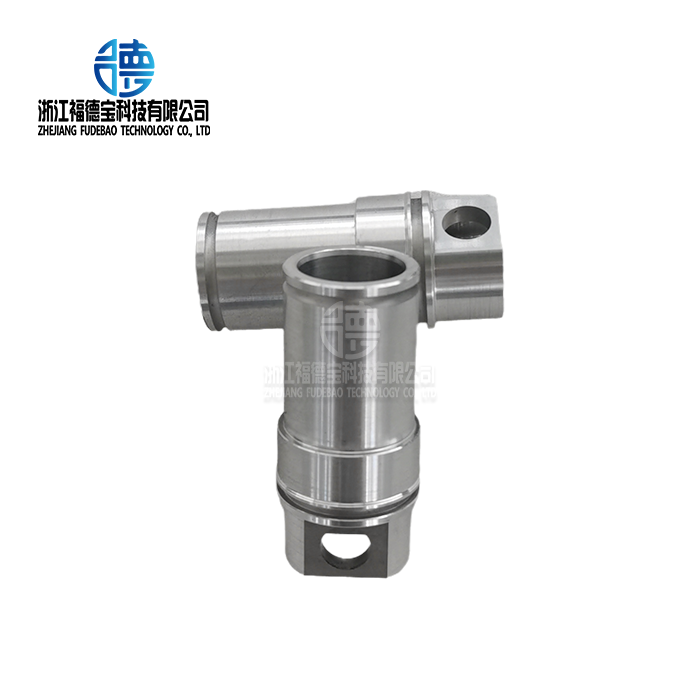
When you combine die casting with CNC machining, you get a powerful production strategy that works best in many fields for efficiency, accuracy, and cost-effectiveness. With this combination, die casting is used to make a lot of parts quickly, and CNC machining is used to get tight tolerances and complicated shapes that casting alone can't provide. When these processes work together, they can get around the problems that each one has, cut down on production time, and keep high standards that are important for uses in automotive, aerospace, and industry.

Understanding Die Casting and CNC Machining
In die casting, molten metal is injected under high pressure into exactly engineered molds. This makes complex shapes with great consistency in size. Materials that work really well with this process include aluminum alloys, zinc alloys, and magnesium. This makes it very useful for making lightweight but sturdy parts for cars, electronics, and buildings.
To start the die casting process, metal alloys are heated until they melt. For aluminum, this is usually done at temperatures between 1200°F and 1500°F. Around 1,000 to 25,000 PSI of pressure are used in high-pressure injection systems to push this liquid material into steel dies. This fast filling and cooling method makes parts with a smooth surface and almost-net-shape geometry. It also reduces material waste and makes it possible to make more than 1,000 parts per machine per day.
In subtractive production, computer-controlled cutting tools remove material to get exact sizes and finishes on the surface. CNC machining is an example of this. Tolerances for this technology are as low as ±0.0001 inches, which makes it important for tasks that need to be very accurate. Modern CNC machines can cut almost any material that can be machined, from steel and aluminum to rare alloys used in aircraft.
When you look at what each of these processes can do, it's clear that they work best when combined. Machining gives you surgical precision for important surfaces, threads, and dimensional features, while die casting lets you make a lot of things quickly with consistent wall thickness and complex internal geometries. This synergy lets makers get both high-quality engineering and fast production in the same manufacturing process.
When to Combine Die Casting and CNC Machining - Core Scenarios
Several important situations show when mixing precision machining with die casting produces the best results. Knowing about these applications helps procurement workers choose the best process and find suppliers with the right skills.
High-Volume Production with Precision Requirements
Transmission housings for cars are a great example of this situation. The basic structure of the housing is made by die casting, which includes internal passages and mounting bosses. Next, the bearing surfaces are machined to make sure they meet the tolerance standards of ±0.0005 inches. When compared to CNC machining from solid stock, this method cuts the cost of raw materials by 40–60% while still keeping the level of accuracy needed for proper gear mesh and bearing performance.
Complex Geometries with Functional Surfaces
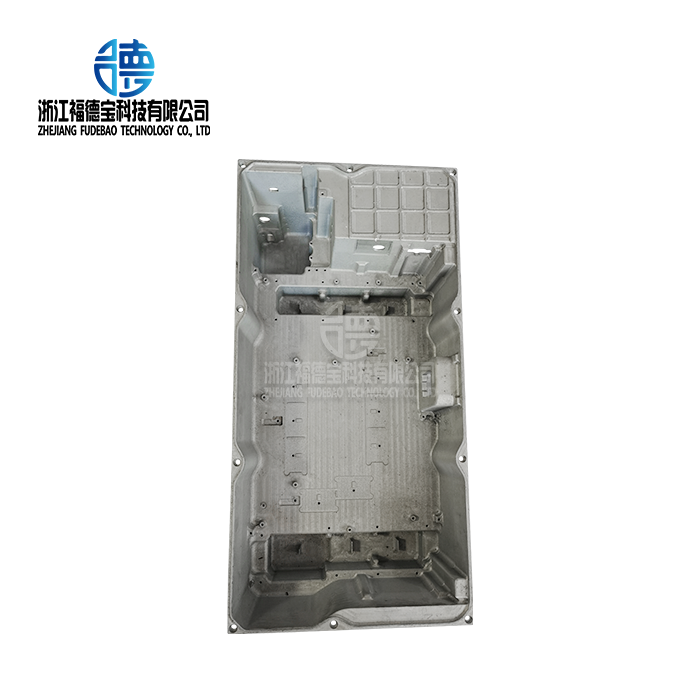
Die casting is a good way to make complex cooling fins and internal fixing parts for electronic equipment housings. But the mounting areas for connectors and the threaded inserts need to be machined precisely to make sure that the electrical connections work and the assembly is reliable. Manufacturers can use this combination to make complicated thermal management features while still keeping the accuracy needed for integrating electronic components.
Material Optimization Strategies
Aluminum die casting metals like A380 are great for making structural parts because they are easy to cast and don't rust. When these castings need precise bearing surfaces or threaded connections, machining can improve only certain areas without affecting the structure of the whole part. This targeted method improves the properties of the material while keeping the cost of production low.
This mixed method is often used in the aerospace business for parts like pump housings and actuator brackets. The basic structure is made by die casting, which includes mounting holes and fluid passages. Precise machining makes sure that the sealing surfaces and connection points meet strict flight standards. This integration cuts the weight of the part by 25–35% compared to standard machined parts while keeping the reliability that aerospace uses need.
Optimizing the Combined Process Workflow
For die casting and machining to work well together, the work must be carefully planned so that the benefits of each process are used to their fullest while problems are kept to a minimum. The best way to do things usually starts with a full study of the part to see which parts are better cast than machined.
Design Phase Considerations
Engineers must think about machining stock allowances on important surfaces during the design phase in order to effectively optimize the work flow. Die-cast surfaces that are going to be machined usually need an extra 0.010 to 0.030 inches of material to make sure that enough stock is removed while also taking into account differences in the casting. This planning stops cases where differences in casting dimensions hurt the quality of the final part.
Sequential Manufacturing Operations
Die casting production, initial quality inspection, milling fixture design, precision machining operations, and final inspection are the steps that are usually taken in the manufacturing process. This order makes it possible for quality control checkpoints to find problems before they affect processes further down the line. In modern factories, these steps are often combined into a single production line. This cuts down on the time needed for handling and improves the accuracy of the dimensions.
Quality Assurance Integration
Quality control methods for mixed processes need to be unique and take into account the features of both casting and CNC machining. Statistical process control systems keep an eye on changes in casting dimensions to guess how much stock will be needed for machining. Coordinate measuring machines check the end dimensions on both the cast and machined surfaces. This unified method to quality makes sure that results are the same during large production runs.
Coordinating tools is another important part of the process. Die casting tools need to be able to work with machining fixtures, so they often have features that help them find the cast areas they need to work on. Coordinating this way makes sure that parts are always in the same place and that the sizes of cast and made parts stay the same during the whole production process.
Choosing the Right Partner for Combined Die Casting and CNC Machining
When looking for a good industrial partner, you need to look at their skills in both precision machining and die casting. The best relationships have suppliers who know how hard it is to integrate new systems and have the technical know-how to make the combined processes run more smoothly.
Technical Capabilities Assessment
As part of a full capability assessment, the capacity of the die casting tools, the accuracy of the machining center, and the quality control systems should all be looked at. Suppliers who use modern low-pressure die casting tools usually get better consistency in dimensions than those who use older high-pressure systems. This means they need less machining stock and are more efficient overall. In the same way, machining machines that can compensate for temperature and measure while the job is being done have better accuracy in measurements and lower scrap rates.
Certification and Quality Standards
Industry licenses tell you a lot about a supplier's skills and dedication to quality. Basic quality management skills can be shown by ISO 9001 certification, while industry-specific skills can be shown by ISO/TS 16949 for cars or AS9100 for aerospace. Automotive providers must be able to do the PPAP (Production Part Approval Process) to make sure that their paperwork and process control meet OEM standards.
Case Study: Automotive Success
A big automaker teamed up with a supplier that does both casting and machining to make metal engine brackets. Because of what the provider could do, lead times went from 12 weeks to 6 weeks and dimensional consistency went up by 40%. The provider was able to make the best tool designs for both casting and machining, which shows how important it is to have experts in more than one area.
Both the range of services offered and how quickly they can be contacted are important decision factors. There is more value in suppliers who can help with design, make prototypes, and increase production volume than in suppliers who can only do production. This all-around service method helps clients deal with the challenges of combined manufacturing while still meeting tight delivery dates.

Company Introduction and Our Offerings
Zhejiang Fudebao Technology Co., Ltd. is one of the best companies in the world that combines die casting and CNC machining to serve customers in the energy, aerospace, automobile, and industrial equipment industries. Our full range of manufacturing services covers the whole production process, from initial design advice to delivery of the finished product, ensuring consistent quality and on-time delivery.
We have high-speed machining centers, precision CNC lathes, low-pressure casting machines, and modern die casting tools in our state-of-the-art facility. This all-encompassing method includes the whole making process, from melting and casting to precise finishing and treating the surface. Our quality systems keep measurements accurate to within 0.05 mm, which meets the strict needs of aerospace applications, medical equipment housings, and precision car parts.
The company is skilled in more than just basic manufacturing. They also offer full engineering support, create tools, and handle the supply chain. Our technical team works closely with clients to make sure that part designs are the most cost-effective for combined manufacturing methods, without sacrificing quality or performance. This approach to partnerships has led to good relationships with foreign brands, such as American companies that make HAAS automation equipment and ESS energy storage batteries.
We keep investing in new manufacturing technology and quality control methods to show that we are dedicated to doing the best job possible. We have a lot of knowledge with applications involving aluminum alloy, copper alloy, and stainless steel. We offer one-stop solutions that make it easier to manage than having to deal with multiple suppliers. Because these skills work together, we can provide full solutions, from raw casting pieces to finished precision parts.
Conclusion
Combining die casting and CNC machining in a smart way is a powerful way to make things that meets the changing needs of modern industry. This combination makes things more precise, cheaper, and more productive in a wide range of situations, from making parts for cars to making systems for spacecraft. To be successful with mixed processes, you need to carefully plan, choose the right suppliers, and fully understand the pros and cons of each technology. Companies that are good at this integration have big advantages over their competitors when it comes to product quality, delivery speed, and total manufacturing flexibility.
FAQ
What are the primary benefits of combining these manufacturing processes?
Combining die casting with CNC machining delivers several key advantages including reduced material costs, faster production cycles, and improved dimensional accuracy. This integration allows manufacturers to leverage die casting's high-volume capabilities while achieving the precision that machining provides for critical features.
How do you determine when machining is necessary after die casting?
The decision to add machining operations depends on dimensional tolerance requirements, surface finish specifications, and functional requirements. Generally, features requiring tolerances tighter than ±0.005 inches or specific surface finishes benefit from machining operations.
What factors influence pricing for combined manufacturing processes?
Pricing considerations include part complexity, volume requirements, material specifications, and tolerance requirements. The initial tooling investment for die casting is typically offset by reduced per-part costs in high-volume applications, while machining costs depend on the complexity and precision requirements of finished features.
Can all die cast materials be subsequently machined?
Most common die casting alloys including aluminum A380, zinc alloys, and magnesium alloys machine readily with appropriate cutting parameters. Material selection should consider both casting characteristics and machinability requirements to ensure optimal results.
Partner with Fudebao Technology for Your CNC Machining and Die Casting Needs
Discover how Fudebao Technology's integrated manufacturing capabilities can transform your production requirements. Our expert team combines decades of die casting experience with precision CNC machining expertise to deliver solutions that exceed expectations. We specialize in serving automotive OEMs, industrial equipment manufacturers, and aerospace clients who demand exceptional quality and reliability. Contact our engineering team at hank.shen@fdbcasting.com to discuss your specific project requirements and explore how our comprehensive CNC machining supplier capabilities can streamline your supply chain while improving product quality.
References
Smith, John A. "Advanced Manufacturing Integration: Combining Die Casting and Precision Machining for Optimal Results." Journal of Manufacturing Technology, Vol. 45, No. 3, 2023.
Chen, Maria L. "Cost-Benefit Analysis of Hybrid Manufacturing Processes in Automotive Component Production." International Manufacturing Review, Issue 8, 2023.
Rodriguez, Carlos M. "Quality Control Strategies for Combined Casting and Machining Operations." Precision Manufacturing Quarterly, Fall 2023 Edition.
Johnson, Robert K. "Material Considerations in Integrated Die Casting and CNC Machining Workflows." Materials and Manufacturing Processes, Volume 38, 2023.
Williams, Sarah J. "Aerospace Applications of Combined Manufacturing Technologies." Aerospace Manufacturing Journal, Spring 2023 Issue.
Thompson, David R. "Workflow Optimization in Modern Manufacturing: A Comprehensive Guide to Process Integration." Industrial Engineering Publications, 2023.



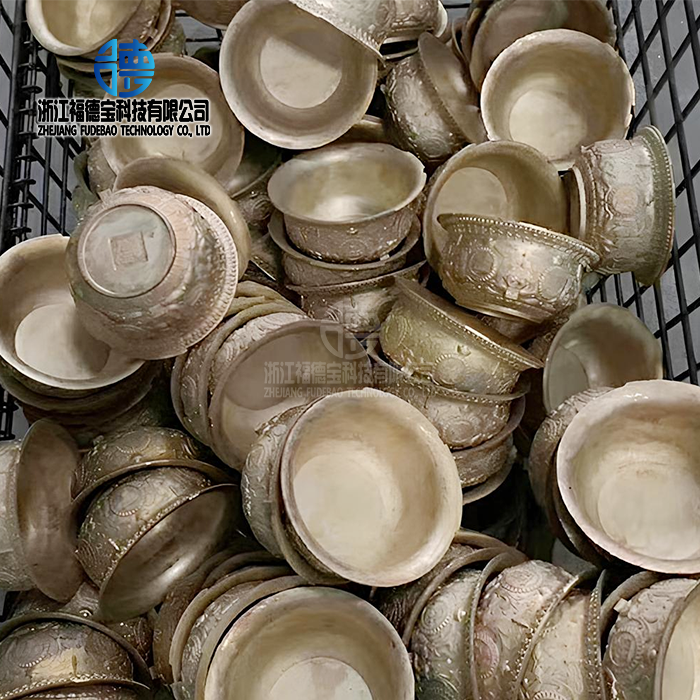
_1756361494985.webp "sliding block copper castings")
_1756361323684.webp "column guide sleeve")
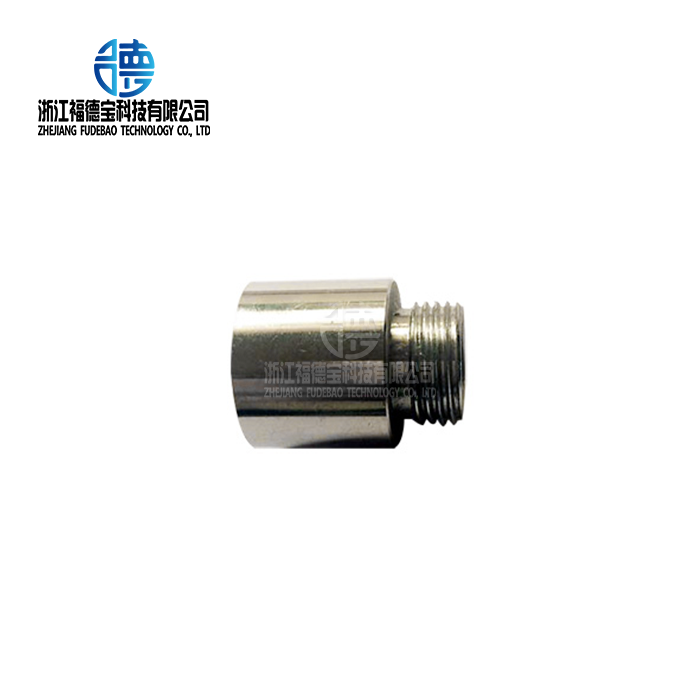
_1756349794241.webp "round belt pulley")