CNC Machining Surface Finish Options and Standards
2026-02-05
CNC machining surface finishes are the last quality check that tells you if precision-manufactured parts meet important performance standards in electrical, automobile, aerospace, and industrial machinery uses. The quality of the surface finish has a direct effect on how well the product works, how it looks, how resistant it is to corrosion, and how well it meets regulatory requirements. This is why procurement professionals and engineers need to know about the different choices and industry standards. Today's manufacturing needs more complex surface treatments that balance performance requirements with cost-effectiveness. To get consistent, reliable results in today's global marketplace, you need to know a lot about finishing techniques, measurement standards, and process optimization strategies.

Understanding CNC Machining Surface Finish Basics
What Surface Finish Means for Product Quality
Surface finish includes the roughness, smoothness, and geometric features of finished part surfaces. It has a direct effect on how well the product works, how long it lasts, and how nice it looks. Surface finishes have an impact on how much friction there is, how well they protect against corrosion, and how well they fit together in a variety of important situations, from car engine parts to aircraft structural elements.
Precision surface finishing is especially important for parts that need to be able to close well, like hydraulic housings and pneumatic valve bodies. Rough surfaces can lead to leaks and early wear, while finishes that are too smooth could make it harder for lubricants to stick or for adhesives to stick properly.
Key Factors Influencing Surface Finish Quality
The condition of the machine tool is very important for getting consistent surface finishes. Spindle runout, machine rigidity, and positioning accuracy all have a direct effect on the quality of the end surface. When compared to older, less advanced equipment, high-speed machining centers with advanced vibration dampening systems usually create better finishes.
The choice of cutting tool has a big effect on the surface features. The finish quality is determined by the tool's material, geometry, coating, and sharpness. When working with aluminum alloys and stainless steel parts that are widely used in automotive and industrial settings, coated carbide tools often have better surface finishes than uncoated tools.
Here are the most important machining factors that affect the surface finish:
- Cutting Speed: Higher speeds usually give a better surface finish by stopping built-up edges from forming, but too high of speeds can lead to problems with tool wear and sound.
- Feed Rate: Lower feed rates usually lead to smoother finishes because they lower the possible surface roughness that is calculated from the geometry of the tool.
- Depth of Cut: Lighter cuts reduce cutting forces and sound, which leads to a better surface finish and more accurate measurements.
- Coolant Use: Making sure the coolant flows properly stops heat buildup, cuts down on tool wear, and helps make sure that the surface finish is the same from one production run to the next.
These factors affect the end surface quality together, so they need to be carefully optimized based on the properties of the material, the shape of the part, and the needs of production.
Standard Surface Finish Measurements
Standards for measuring surface roughness give numbers-based ways to describe and check the quality of finishes in many different fields and uses, including CNC machining. The most common measure is roughness average (Ra), which is the arithmetic mean of the surface profile deviations from the mean line over a certain evaluation length.
Rz, which stands for "average maximum height," finds the average difference between the highest peaks and lowest slopes across sampling lengths. This gives information about the roughness of the surface at extremes that could affect bearing or sealing tasks. This parameter is especially useful when looking at surfaces that need certain qualities for contact or wear resistance.
RMS (root mean square) roughness is a statistical way to measure surface irregularities that focuses on bigger differences. This makes it sensitive to occasional peaks or dips that could affect how well a part works. Knowing about these differences in measurements helps procurement teams set the right surface standards for each application.

Exploring CNC Machining Surface Finish Options and Techniques
Mechanical Surface Finishing Techniques
Mechanical polishing is one of the most flexible ways to finish the surface of a workpiece. Abrasive compounds and polishing wheels are used to give aluminum metals, stainless steel, and copper parts mirror-like finishes. This method works really well for things like building hardware and food processing equipment that need to look good and work well at the same time.
Grinding processes can precisely finish the surface and give you great control over the dimensions, which makes them perfect for bearing surfaces, seal interfaces, and precision measuring tools. Surface grinding can get Ra values below 0.1 micrometers while keeping the tight geometric tolerances that are needed for high-performance parts in aircraft and cars.
Honing creates controlled surface textures with specific crosshatch designs. This is useful for areas like cylinder bores, hydraulic parts, and bearing surfaces that need to keep oil in. When you hone something, you remove material and create an exact surface geometry and texture pattern that makes it easier to glide over things and lowers friction.
Chemical and Electrochemical Finishing Options
Chemical finishing processes can treat the surface evenly and get to complex internal shapes that mechanical finishing processes can't. Controlled electrolytic dissolution removes surface material during electropolishing, making finishes very smooth and making stainless steel and aluminum parts more resistant to corrosion.
Passivation treatments make things less likely to rust by getting rid of surface particles and encouraging the formation of a protective oxide layer. This process is especially important for stainless steel parts that are used in medical devices, food processing equipment, and naval settings where resistance to corrosion is a top priority.
Industry-Specific Surface Finish Standards
ISO 4287 sets measurement standards for surface texture that are recognized all over the world. These standards make sure that producers and customers can talk to each other in a consistent way. This standard sets out the parameters for measurements, the methods for evaluation, and the rules for reporting that make global purchasing and quality control easier.
ASME B46.1 sets measurement and specification standards for surface texture that are widely used in the manufacturing businesses in North America. When procurement teams know about both ISO and ASME standards, they can speak clearly with suppliers no matter where they are located or what their main market focus is.
For aerospace applications, it's common to need to follow specific standards like AS9100, which includes requirements for surface finish in full quality control systems. These guidelines make sure that the documentation, process control, and traceability that are needed for flight-critical parts and regulatory compliance are met.
Best Practices and Design Tips for Optimizing CNC Surface Finish
Machining Parameter Optimization Strategies
Tool path setting has a big effect on the quality of the surface finish in CNC machining. Climb milling usually produces better finishes than regular milling because the cutting edge doesn't rub against the workpiece as much and chips are cleared away better. Today's CAM software has advanced tool path methods that find the best cutting conditions for the surface finish you need.
Controlling vibrations and minimizing part displacement are two ways that workholding stability affects surface finish. Rigid fixturing systems and smart support placement keep the workpiece from moving during machining, which makes it possible to get consistent surface finishes on shapes with many sides.
The choice of cutting fluid and how it is applied affects the surface finish by removing heat, lubricating, and clearing away chips. High-pressure coolant systems keep cutting temperatures stable during the machine cycle, which prevents built-up edges and improves surface finishes.
Design Considerations for Optimal Finishes
Features of the form of the component have a big impact on the surface finishes that can be achieved. For example, sharp internal corners and deep cavities make finishing difficult. Using the right corner edges and draft angles makes it easier to get to the tool and lowers the cutting forces that can damage the surface quality.
Choosing the right material affects how the surface is finished and what results can be achieved. For example, some metals naturally produce better finishes than others. When machined, aluminum 6061 and 7075 alloys usually have great surface finishes. However, some types of stainless steel may need special tools and methods.
Here are some important design rules that will help you get the best surface finish:
- Accessibility of Features: Make sure that cutting tools can get to all surfaces that need certain finishes without being blocked by features next to them.
- Material Considerations: When surface finish is very important, choose materials that are easy to machine.
- Tolerance Relationships: Make sure that the surface finish requirements and the dimensional limits are in sync so that the product can be made.
- Secondary Operations: If machined surfaces can't meet the final standards directly, plan for more finishing operations.
These design factors help make sure that the manufacturing process works well and that the necessary surface finish specifications are met at a reasonable cost.
Troubleshooting Common Surface Finish Issues
Monitoring tool wear keeps the surface finish from wearing away by showing when cutting edges need to be replaced or reconditioned. Predictive maintenance programs keep an eye on trends in tool life and surface finish to find the best times to change tools and keep quality high.
Chatter marks and vibration patterns show issues with the machine or setting that need to be fixed right away to keep parts from being rejected. Finding the sources of vibration and fixing them by better workholding, tool selection, or parameter change helps keep the surface finish consistent.
When working with aluminum metals and soft materials in CNC machining, built-up edge formation leads to rough surfaces and wrong measurements. When cutting speeds, feeds, and coolant are used correctly, built-up edges are avoided, and tool life and surface quality are maintained.
Procurement Insights: Selecting CNC Machining Services Based on Surface Finish Needs
Evaluating Supplier Capabilities
Suppliers of precision surface finishes must have quality control systems in place, and ISO 9001 approval shows that they have basic quality management skills. More advanced suppliers usually have extra certifications, like AS9100 for aircraft uses or ISO 13485 for making medical devices.
A supplier's ability to check and record exact surface finish specifications depends on the measurement tools they have. To make sure that quality checks are accurate, suppliers should have the right tools for measuring surface roughness, as well as calibration methods and written down values for measurement uncertainty.
The cost-effectiveness and regularity of the surface finish are affected by the production volume. Suppliers need to have enough capacity to keep quality high while still meeting delivery dates. Long-term partnerships that work well are more likely to happen if you know about your suppliers' equipment, staffing levels, and quality processes.
Cost and Lead Time Analysis
The requirements for surface finish have a big effect on the costs of manufacturing because they affect the choice of tools, the parameters for machining, and any possible secondary processes. Suppliers should give clear breakdowns of prices that include finishing costs and other options that could lower the overall cost.
The lead time takes into account both the time it takes to machine the part and the time it takes to do any additional finishing that is needed to meet standards. Delivery times may be longer if the surface finish is complicated. This is especially true during busy production times or when specialized equipment is hard to find.
Suppliers can meet the specific needs of a product that standard processes can't handle by offering custom surface finishing. When compared to suppliers who use outside finishing services, those who do their own finishing usually offer faster response times and better process control.
Fudebao Technology: Your Trusted Partner for Precision Surface Finishing
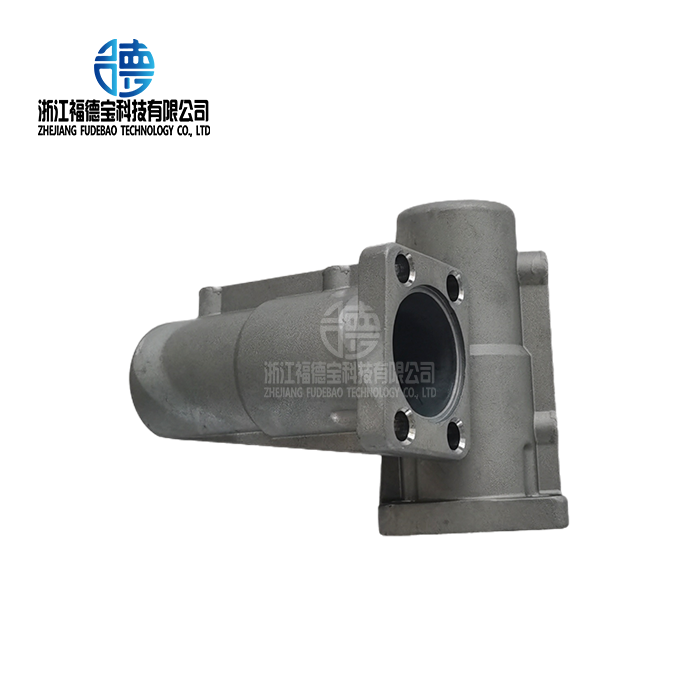
Zhejiang Fudebao Technology Co., Ltd. is a leading company in aluminum foundry work. They offer advanced casting services as well as precise CNC machining, which results in great surface finishes for a wide range of industrial uses. Our full-service manufacturing facility has high-speed machining centers, advanced CNC lathes, and specialized surface treatment tools to handle everything from raw materials to finished parts.
With our precision machining skills, we can make surfaces that meet the strictest requirements for automobile, aerospace, and industrial equipment. We can improve the quality of the surface from the casting stage all the way through the final machining by combining low-pressure casting tools, die-casting equipment, and advanced finishing systems.
Our "melting-casting-finishing-surface treatment" process chain is governed by strict quality control standards. This allows us to achieve dimensional accuracy of ±0.05mm and uniform surface finishes that meet international standards. Serving global original equipment makers (OEMs) in the automotive, industrial equipment, and aerospace industries shows that we can meet a wide range of surface finish needs in these fields.
As part of its dedication to technological progress, the company keeps putting money into cutting-edge tools and high-quality systems that guarantee consistent surface finishes. Our engineering team works closely with customers to make sure that the designs of their parts are the best they can be in terms of cost, production efficiency, and surface finish quality.
Conclusion
To get a great surface finish when CNC machining, you need to know a lot about the different methods, measurement standards, and process optimization strategies that can be used for each application. Surface finishing methods in modern manufacturing are getting more complicated. They need to match performance requirements with cost-effectiveness and production efficiency.
To get good CNC machining services, you need to carefully look at the skills, quality systems, and technical knowledge of the suppliers in order to get consistent surface finish results. Manufacturers can provide reliable surface finishes for a wide range of industrial uses by combining advanced equipment, skilled workers, and tried-and-true quality management systems. They can also keep prices low and delivery times tight.
FAQ
What surface roughness values are typically achievable with CNC machining?
Modern CNC machining can achieve surface roughness values ranging from Ra 0.05 to Ra 6.3 micrometers, depending on material type, tooling selection, and machining parameters. Aluminum alloys typically achieve Ra 0.4 micrometers or better, while stainless steel components commonly reach Ra 0.8 micrometers with standard machining practices.
How do different materials affect surface finishing outcomes?
Material properties significantly influence achievable surface finishes, with aluminum alloys generally producing the smoothest finishes due to excellent machinability characteristics. Stainless steel requires careful tool selection and cutting parameter optimization to prevent work hardening and achieve acceptable surface quality. Copper alloys typically machine well but may require specialized coolants to prevent surface staining.
What's the difference between CNC machined finishes and secondary polishing processes?
CNC machined finishes represent the surface quality achieved directly from the cutting tool, typically ranging from Ra 0.4 to Ra 1.6 micrometers for most applications. Secondary polishing processes can improve surface finishes to Ra 0.05 micrometers or better but require additional processing time and cost while potentially affecting dimensional tolerances.
Which surface finish standards apply to automotive components?
Automotive components typically follow ISO 4287 surface texture standards combined with industry-specific requirements from OEM suppliers. Critical components such as engine parts and transmission housings often require Ra values between 0.4 and 1.6 micrometers, depending on functional requirements and assembly tolerances.
How do surface finishes affect component performance?
Surface finish quality directly impacts friction characteristics, wear resistance, corrosion protection, and sealing effectiveness in mechanical components. Smoother surfaces generally reduce friction and wear while improving corrosion resistance, though some applications require specific surface textures to retain lubricants or enhance bonding characteristics.
Partner with Fudebao Technology for Superior CNC Machining Solutions
Ready to elevate your manufacturing projects with precision CNC machining and exceptional surface finishes? Fudebao Technology combines decades of expertise with cutting-edge equipment to deliver components that exceed your quality expectations. Our comprehensive capabilities span from initial design consultation through final surface treatment, ensuring optimal results for automotive, aerospace, and industrial applications. Contact our engineering team at hank.shen@fdbcasting.com to discuss your specific surface finish requirements and discover how our advanced CNC machining manufacturer capabilities can streamline your supply chain while delivering superior component quality.
References
Smith, J.A., "Advanced Surface Metrology in Precision Manufacturing," International Journal of Manufacturing Technology, 2023.
Chen, L.M., "CNC Machining Surface Finish Optimization Techniques," Manufacturing Engineering Quarterly, 2022.
Rodriguez, P.K., "Surface Roughness Standards and Measurement Methods in Modern Manufacturing," Precision Engineering Review, 2023.
Thompson, R.W., "Comparative Analysis of Surface Finishing Processes in Metal Component Manufacturing," Journal of Manufacturing Science, 2022.
Williams, D.B., "Quality Control Systems for Surface Finish Verification in CNC Machining," Industrial Quality Management, 2023.
Anderson, M.H., "Material-Specific Surface Finishing Strategies for Automotive and Aerospace Applications," Advanced Manufacturing Processes, 2022.



YOU MAY LIKE
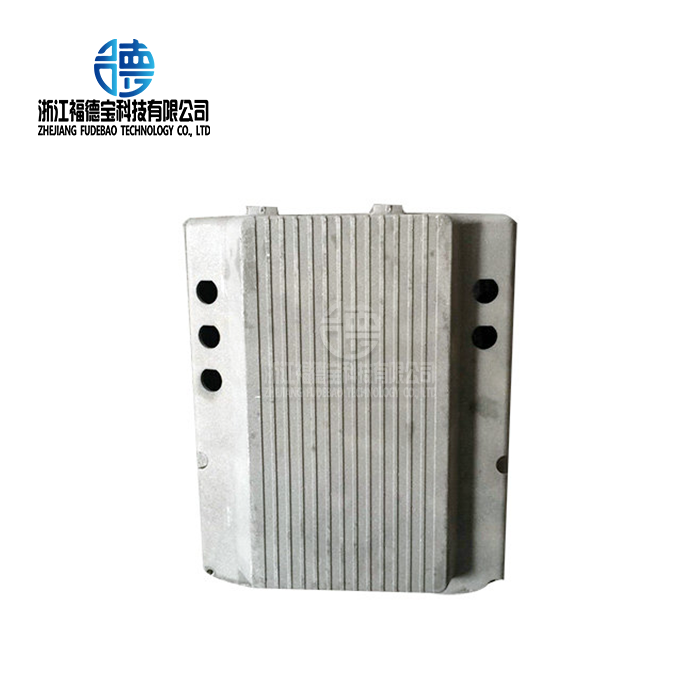
_1756345939856.webp "Aluminum casting chassis")
_1756346043433.webp "guardrail connecting block")