Aluminum Die Casting Tolerances and Quality Control Methods
2026-02-07
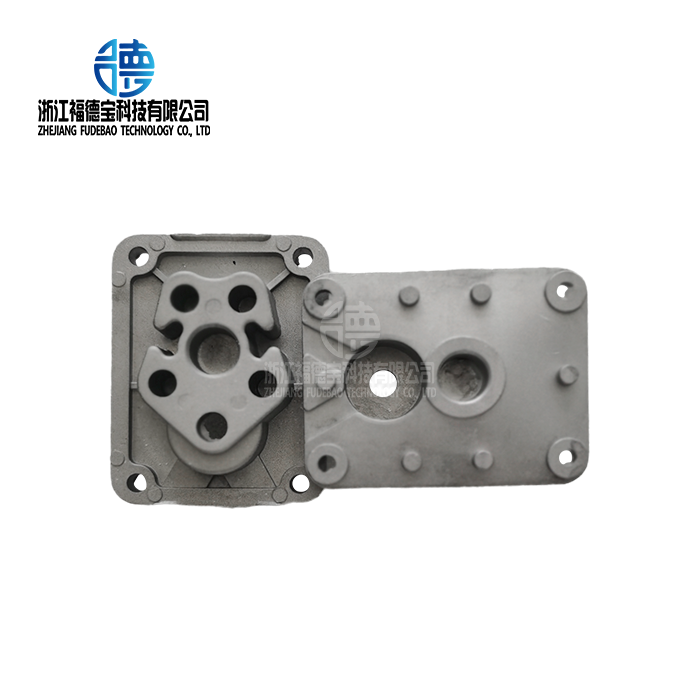
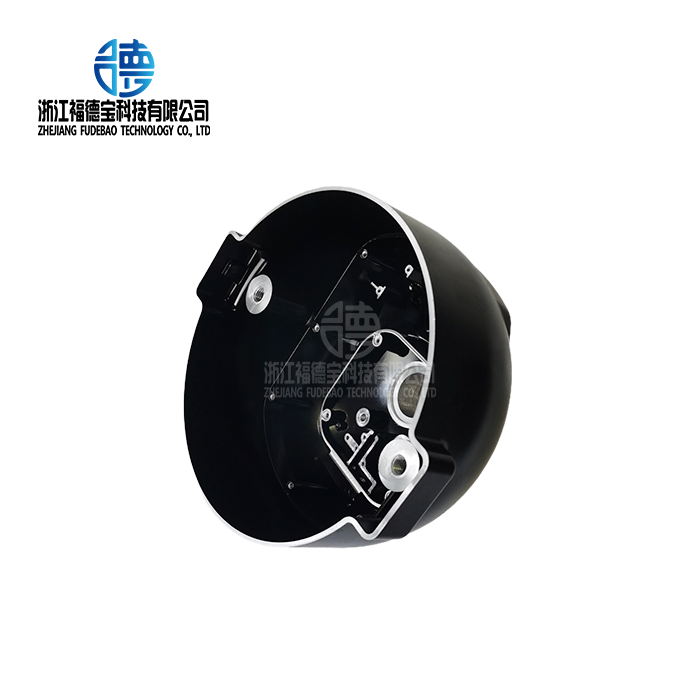
One of the most important ways to make things is by aluminum die casting, which makes precise, light metal parts that are used in cars, airplanes, electronics, and industrial machinery. Molten aluminum metal is injected into steel molds under high pressure as part of the process. This makes parts with very accurate dimensions and a smooth surface. For procurement workers who need to find reliable parts that meet exact specifications while keeping costs low in their supply lines, understanding the complex relationship between tolerances and quality control is essential.

Understanding Aluminum Die Casting Tolerances
Tolerances for aluminum die casting tell you how far a part can be off from its stated dimensions. This makes sure that the part works correctly in the assembly it was made for. These tolerances have a direct effect on how well parts work, how well they fit together, and how reliable the whole product is in a wide range of industry settings.
Standard Tolerance Ranges and Industry Benchmarks
Tolerances for standard features in modern die casting operations are usually between ±0.05mm and ±0.15mm, based on the shape and size of the part. The ISO 8062 and ASTM standards set rules that help manufacturers keep things the same from one production run to the next. When compared to features like draft angles or complicated geometries that need more room for error during production, linear dimensions usually have tighter tolerances.
When it comes to engine parts and structural elements, the automotive industry has very strict tolerances. For example, important interfaces often need to be ±0.08mm or tighter. These standards are even stricter for aerospace uses, where some parts need to be within ±0.03mm of each other to make sure they fit and work properly in harsh working conditions.
Critical Factors Affecting Tolerance Achievement
There are a number of linked factors that affect the tolerances that can be used in aluminum die casting. Choosing the right alloy is very important because different types of aluminum have different shrinkage rates and thermal qualities when they solidify. A356 and A380 alloys, which are often used in car applications, have predictable shrinkage patterns that make it possible to achieve consistent tolerances when the right controls are in place.
Dimensional accuracy is affected by mold design in a big way by things like where the gates are placed, where the cooling channels are placed, and how the parts are ejected. Strategically placing the gates makes sure that the material is filled evenly and reduces the turbulence that could cause differences in size. Modern cooling systems keep the temperature even throughout the casting, which lowers thermal differences that cause warping and changes in shape.
To get the same results every time, you have to carefully control process factors like injection pressure, metal temperature, and cycle timing. Higher injection pressures usually lead to more accurate measurements because they make sure that all of the holes are filled and shrinkage-related changes are less noticeable. But too much pressure can lead to flash formation or mold damage, so it's important to carefully optimize for each application.
Key Quality Control Methods in Aluminum Die Casting
Quality control methods in aluminum die casting have changed a lot from the old ways of inspecting. They now use advanced technologies that can find all kinds of flaws and make the process run more smoothly.
Traditional Quality Control Approaches
Statistical process control (SPC) and physical inspection techniques were used a lot in traditional quality control. Operators used coordinate measuring machines (CMM) and hand gauges to make sure the dimensions were correct, and visual checks found flaws on the surface and problems with how it looked. SPC charts kept track of important parameters over time, which let the process be changed when changes went beyond what was accepted.
Even though these old methods were fundamental, they often found problems after the fact instead of stopping them before they happened. Manual checks took a lot of time and were subject to variation between operators, so they might have missed small problems or internal flaws that could hurt the long-term performance.
Advanced Non-Destructive Testing Technologies
Advanced non-destructive testing (NDT) methods are used in modern quality control to find problems inside parts without damaging them. X-ray imaging devices can find porosity, inclusions, and cold shuts that can't be seen with other inspection methods. Real-time X-ray systems make it possible to check all of a product's important parts, making sure that only perfect pieces get to customers.
Ultrasonic testing gives a lot of information about the structure inside and can find tiny changes in density or shrinking that could affect the mechanical properties. Computed tomography (CT) scanning lets you see inside things in three dimensions, which lets you fully understand complicated shapes and cooling pathways inside.
These cutting-edge technologies make predictive repair possible by finding changes in the process before they cause parts to break. Automated inspection systems work with production lines without any problems. They give instant feedback that lets process changes be made in real time and keeps quality consistent across all production runs.
Data-Driven Analytics and Process Optimization
Modern quality control systems use data analytics to find the best process factors and predict problems that might happen with the quality. Patterns in process data are looked at by machine learning algorithms, which find links between variables that humans might miss. These systems are always making changes to the process settings to keep things running at their best and reduce variation.
Inspection data can be analyzed statistically to find patterns and trends that help with planning preventative maintenance and making the process better. Some of the most advanced software platforms combine data from many different sources to make quality dashboards that show production success and quality metrics in real time.
How to Optimize Aluminum Die Casting for Tolerances and Quality: Practical Guidelines
Strategies for optimizing aluminum die casting include design factors, process control methods, and quality assurance methods that work together to produce better outcomes.
Design for Manufacturing Best Practices
To do effective design optimization, you must first know what the die casting method can and cannot do. The shape of a part has a big effect on the tolerances that can be used. For example, walls that are all the same width help keep things cool and prevent warping. Stress builds up in places like sharp points and sudden changes in thickness, which can cause cracks or problems with the shape of the material.
Draft angles make it easier for parts to be ejected while reducing the pressure that could deform the part. Adequate draft angles, which are usually between 1 and 3 degrees based on the depth of the part, make sure that the part comes out smoothly and extend the life of the mold. Strategically placing parting lines lowers the formation of flashes and the number of additional procedures needed to improve the look of hair.
The choice of material strikes a mix between mechanical properties and the need to be able to make the product. The A356 aluminum alloy is great for casting and has good mechanical qualities for use in cars, while the A380 alloy is better for thin-walled parts because it flows more easily. By knowing the properties of an alloy, designers can choose the right materials that meet both performance needs and production goals.

Process Control and Equipment Calibration
For precise process control, you need complex tracking and control systems that keep the conditions of operation stable. Temperature control systems keep metal temperatures within small ranges, usually ±5°C. This makes sure that the metal always flows and solidifies the same way. Automated ladling devices keep temperature changes and oxidation to a minimum, which protects the quality of the casting.
By controlling the flow of metal during the injection process, injection velocity profiling improves cavity filling. Slow beginning speeds stop turbulence and air from getting trapped, while faster speeds finish filling before the mixture solidifies too quickly. Modern machine controls let you precisely design the speed so that it fits the shape of the part and meets quality standards.
Calibration of monitoring tools on a regular basis makes sure that data collection and process control are done correctly. To keep measuring accurately, thermocouples, pressure detectors, and position sensors need to be checked against calibrated standards on a regular basis. Calibration procedures and records that are written down show that they are in line with quality control systems and customer needs.
Case Studies in Tolerance Achievement
Tolerance optimization in the production of automotive transmission housings works well thanks to changes in both design and process. The original plans needed a lot of machining, so they were redone with better geometry that made net-shape casting possible with few extra steps. Process improvement cut the difference in sizes by 40% and made the surface finish better.
Tight tolerances for thin-walled parts can be reached with advanced process control, which is shown in electronic housing uses. Real-time pressure tracking and automated process adjustments kept the variation in wall thickness to within ±0.03mm even for geometries that were not simple. Quality improvements cut the number of returns by 85% while also making production more efficient.
Company Introduction and Our Aluminum Die Casting Solutions
Zhejiang Fudebao Technology Co., Ltd. is a top aluminum die casting company that has worked with customers in the automotive, industrial equipment, aerospace, and machinery production industries around the world for a long time. Our wide range of production skills includes everything from making prototypes to mass production, and they are backed up by cutting-edge tools and strict quality control systems.
Advanced Manufacturing Capabilities
Our building has high-tech machines like high-speed machining centers, CNC lathes, low-pressure casting machines, and precise die casting equipment that lets us make parts with very tight tolerances and great surface quality. The combined production method includes the whole process, from melting to treating the surface. This allows for delivery of all parts, from the raw casting to the finished product, in a single step. This all-around ability gets rid of the need for complicated planning and makes sure that quality stays the same throughout the manufacturing process.
Precision machining can achieve tolerances of up to ±0.05mm, which meets the strict needs of precision parts for cars, medical equipment housings, and aircraft parts. Modern CNC machines can make complex shapes and precise measurements that allow straight assembly without any other steps. Quality control systems keep an eye on every step of the production process to make sure that all of the steps are done according to industry standards and customer requirements.
Quality Assurance and Certifications
Tough quality control systems make sure that parts are always delivered without any problems and meet or exceed customer expectations. Statistical process control keeps an eye on important factors during production, letting changes be made in real time that keep things running at their best. Coordinate measuring machines and other advanced inspection tools that can do non-destructive testing make sure that the product meets all the standards for dimensions and metal quality.
Our quality control systems are in line with both international standards and the specific needs of each customer. This helps the integration of the global supply chain. Every step of the production process is spelled out in writing, from inspecting new materials when they come in to final packing and shipping. Internal checks and customer surveys done on a regular basis make sure that rules are being followed and look for ways to make things better.
Conclusion
To get better part performance and lower costs in global production supply chains, tolerances for aluminum die casting and quality control methods are very important. Procurement workers can make better sourcing choices that are better for both performance and cost when they know how process parameters, design factors, and quality control technologies work together. Non-destructive testing and data analytics are examples of advanced quality control methods that can find all kinds of defects and help the process keep getting better. A good way to evaluate a provider is to look at their quality certifications, production capabilities, and quality management systems that make sure they always deliver precision parts. Strategic partnerships with qualified aluminum die casting manufacturers give you access to advanced production tools and technical know-how that help you meet your product development goals and improve your supply chain.
FAQ
What tolerance ranges can typically be achieved in aluminum die casting?
Standard aluminum die casting operations achieve tolerances ranging from ±0.05mm to ±0.15mm for most features, depending on part geometry and size. Linear dimensions often maintain tighter tolerances compared to complex features or areas requiring draft angles. Critical automotive and aerospace applications may require specialized processes to achieve even tighter tolerances where necessary.
How do modern quality control methods improve defect detection?
Advanced quality control technologies including X-ray imaging, ultrasonic testing, and computed tomography provide comprehensive internal defect detection that traditional methods cannot achieve. Real-time inspection systems enable 100% screening of critical components while data analytics identify process trends before they result in quality issues. These technologies reduce defect rates while improving process stability and predictability.
What factors should procurement professionals consider when evaluating die casting suppliers?
Supplier evaluation should encompass quality certifications, production capabilities, inspection equipment, and quality management systems. Review of quality performance metrics, customer references, and facility assessments provides insight into operational capabilities. Financial stability, capacity flexibility, and technical support capabilities also influence long-term partnership success and supply chain reliability.
How does aluminum die casting compare to other manufacturing processes for precision components?
Aluminum die casting offers superior dimensional accuracy and surface finish compared to sand casting while providing better strength-to-weight ratio than zinc die casting. Investment casting may achieve comparable accuracy but typically involves longer lead times and higher costs. The optimal process selection depends on specific requirements including volume, complexity, accuracy, and cost considerations.
Contact Fudebao Technology for Premium Aluminum Die Casting Solutions
Zhejiang Fudebao Technology Co., Ltd. delivers precision aluminum die casting solutions that meet the stringent requirements of global automotive, aerospace, and industrial applications. Our advanced manufacturing capabilities, combined with comprehensive quality control systems, ensure consistent delivery of components that exceed customer expectations. As a trusted aluminum die casting supplier, we provide integrated solutions from prototype development through volume production with tolerances up to ±0.05mm. Contact our technical team at hank.shen@fdbcasting.com to discuss your specific requirements and discover how our expertise can optimize your supply chain performance.
References
American Foundry Society. "Aluminum Die Casting Tolerance Guidelines and Best Practices." AFS Technical Publication, 2023.
International Organization for Standardization. "ISO 8062-3:2007 Geometrical Product Specifications - Dimensional and Geometrical Tolerances for Moulded Parts." Geneva: ISO Standards, 2007.
ASTM International. "ASTM B85-03: Standard Specification for Aluminum-Alloy Die Castings." West Conshohocken: ASTM Standards, 2018.
Society of Manufacturing Engineers. "Advanced Quality Control Methods in Die Casting Operations." SME Manufacturing Engineering Handbook, 2022.
North American Die Casting Association. "Quality Assurance Guidelines for Aluminum Die Casting Production." NADCA Technical Standards, 2021.
Materials Research Society. "Non-Destructive Testing Applications in Aluminum Casting Quality Control." MRS Bulletin Advanced Materials Research, 2023.



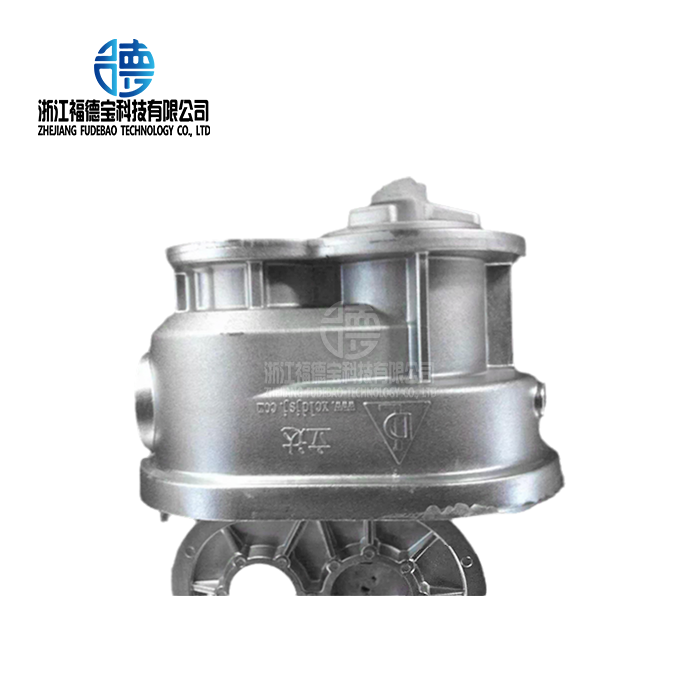
_1756346613780.webp "Aluminum tent base Casting")
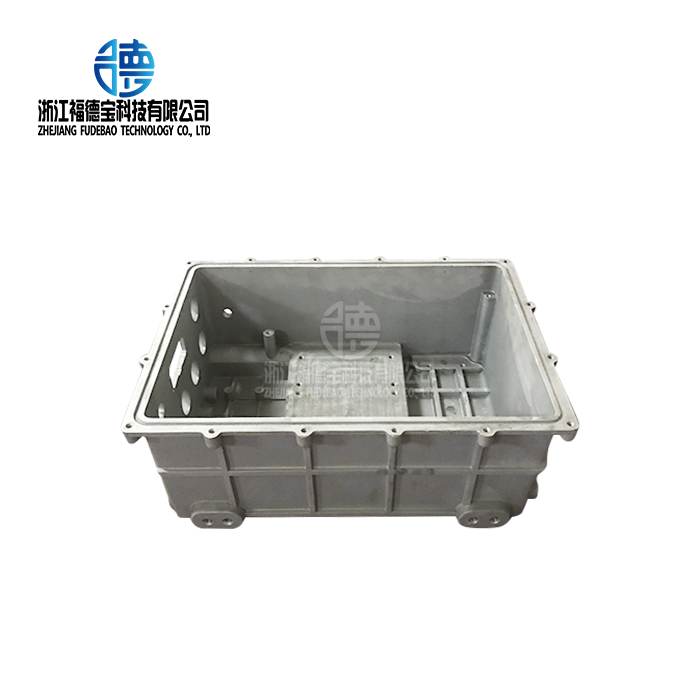
_1756346310015.webp "Aluminum castings Crane bracket")