
What Should Buyers Consider When Sourcing Die Cast Aluminium Parts?
2026-08-21
When sourcing die cast aluminium parts, buyers must evaluate several interconnected factors to ensure optimal project outcomes. The selection process should prioritize alloy composition compatibility, supplier manufacturing capabilities, quality certification adherence, dimensional accuracy requirements, and total cost of ownership. High-pressure die casting offers exceptional material properties—particularly strength-to-weight ratios and thermal conductivity—that make aluminum components ideal for automotive housings, industrial equipment enclosures, and electrical system parts. Understanding these core considerations helps procurement teams minimize risk while maximizing component performance across demanding applications.
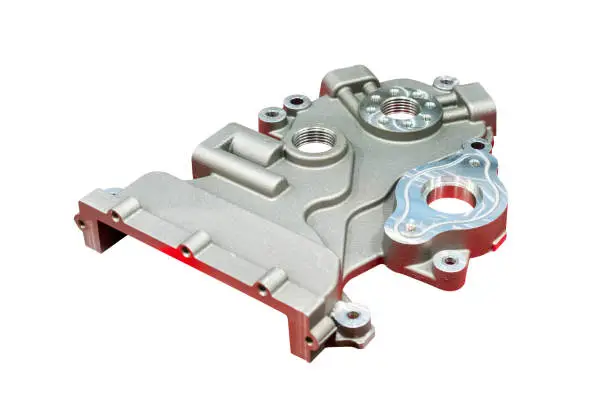
Understanding Die Cast Aluminium and Its Benefits
The process of die cast aluminium involves injecting liquid aluminum alloys into precise steel molds under extreme pressure, typically reaching up to 30,000 psi. This high-pressure die casting (HPDC) method produces components with exceptional dimensional consistency and complex geometries that would be cost-prohibitive through traditional machining.
Material Properties That Drive Performance
The physical characteristics of aluminum alloys make them highly valuable for industrial applications. Common alloys, such as A380, deliver a tensile strength of approximately 47 ksi and a yield strength of about 23 ksi, while maintaining a lightweight density of roughly 2.71 g/cm³. This strength-to-weight ratio is critical in automotive applications where reducing mass directly impacts fuel efficiency and vehicle dynamics. The material's thermal conductivity (approximately 96 W/m-K) allows housings to function as active cooling elements, dissipating heat from electronic components without the need for separate thermal management systems.
Process Advantages Across Industries
Manufacturing efficiency is driven by the process's ability to consolidate multiple features into single parts. Integrated EMI shielding, mounting bosses, and cooling fins eliminate the need for secondary assembly steps. Automotive manufacturers utilize die cast aluminium for ECU enclosures and transmission cases because it is resistant to vibration and maintains thermal stability. In telecommunications, 5G base station housings require sealing surfaces rated IP67 combined with complex integrated cooling fins. Industrial automation relies on these parts for explosion-proof motor housings that provide structural integrity while functioning as primary heat sinks in high-temperature factory environments.
Corrosion Resistance and Surface Treatment Options
Aluminum naturally forms a protective oxide layer, offering inherent corrosion resistance superior to uncoated steel. When applications demand enhanced protection, surface treatments extend component lifespan significantly. E-coating and powder coating serve as industry standards, though buyers should note that traditional anodizing produces inconsistent results on high-silicon alloys like A380. Long-term environmental resistance for outdoor and marine applications is validated by salt spray testing per ASTM B117 standards, often extended to 500–1000 hours.
Critical Factors to Evaluate When Sourcing Die Cast Aluminium Parts
Proper material selection is the foundation of successful component sourcing. The choice of alloy directly impacts mechanical properties, casting behavior, and ultimately, the total cost of the project for die cast aluminium parts.
Alloy Selection and Material Verification
A380 remains the most widely specified alloy because it balances excellent casting characteristics with strong mechanical properties and corrosion resistance. A383 offers improved fluidity for thin-wall sections, while ADC12 dominates Asian manufacturing for its superior die life. Buyers must verify material composition through optical emission spectroscopy (OES) analysis, ensuring iron (Fe), copper (Cu), and zinc (Zn) levels meet requirements. Excessive iron content causes brittleness, while improper copper levels compromise corrosion resistance. Material certificates should reference ASTM B85 standards for chemical composition validation.
Quality Standards and Certification Requirements
Certification requirements vary significantly across industries. Automotive producers operate under IATF 16949 frameworks, demanding PPAP documentation that includes dimensional reports, material certifications, and process capability studies. Aerospace applications require AS9100 compliance with full traceability from raw material melt through final inspection. ISO 9001 serves as a baseline, but buyers should verify certifications align with their specific industry needs. Quality systems must address porosity control through vacuum-assisted die casting technology and squeeze pin implementation on thick sections—critical for pressure-tight housings in hydraulic and pneumatic applications.
Manufacturing Capabilities and Process Control
Supplier manufacturing infrastructure determines what is technically achievable. Modern facilities integrate high-speed machining centers and CNC lathes for post-casting operations, maintaining tolerances within ±0.002 inch per NADCA standards. Die casting machines must handle required tonnages while maintaining precise shot control. Tooling lead times depend on complexity—H13 steel dies typically require 8–12 weeks for fabrication and can produce 50,000 to 100,000 shots before requiring refurbishment. Suppliers offering in-house tool design and maintenance provide greater schedule flexibility and faster response to engineering changes.
Dimensional Accuracy and Inspection Protocols
Coordinate measuring machines (CMM) verify complex geometries against GD&T specifications, ensuring components fit within automated assembly lines without manual adjustment. Real-time X-ray inspection detects internal voids and air entrapment that compromise structural integrity. Pressure decay leak testing validates IP-rated enclosures meet environmental protection requirements. Minimum wall thickness typically measures 2.5mm for structural stability, though localized areas can thin to 1.5mm when proper ribbing supports metal flow. Buyers should request first article inspection reports demonstrating measurement system capability before committing to production volumes.
Comparing Die Cast Aluminium to Other Materials and Methods
Material selection involves evaluating multiple alternatives, each presenting distinct advantages and limitations based on the requirements of the application for die cast aluminium.
Aluminum Versus Alternative Metals
Steel components offer superior tensile strength but carry weight penalties that impact fuel economy and handling in automotive applications. Because aluminum has a density of 2.71 g/cm³ compared to steel's 7.85 g/cm³, aluminum parts weigh roughly 65% less for equivalent volumes. Magnesium presents an even lighter alternative, but costs typically run 30–50% higher than aluminum and require additional surface protection due to lower corrosion resistance. Zinc die casting suits smaller components requiring an excellent surface finish, though aluminum's thermal conductivity makes it irreplaceable for heat dissipation applications. Copper alloys provide optimal electrical conductivity but introduce significant weight and cost premiums.
Die Casting Versus Alternative Manufacturing Methods
Sand casting accommodates larger part sizes and lower production volumes, but dimensional tolerances are an order of magnitude looser than die casting (typically ±0.030 inch versus ±0.005 inch). Surface finish quality also differs, with sand-cast parts requiring extensive secondary machining. Low-pressure casting delivers improved mechanical properties through reduced porosity but operates at slower cycle times unsuitable for high-volume production. CNC machining from billet stock provides ultimate dimensional control but becomes economically unfavorable beyond 1,000–2,000 units due to material waste. Investment casting suits complex geometries in exotic alloys but requires significantly longer lead times and higher per-piece costs.
Economic Breakeven Analysis
Tooling investment drives the volume threshold where die cast aluminium becomes cost-effective. Initial die costs range from moderate for simple geometries to substantial for complex multi-slide tooling. This upfront expenditure distributes across production volumes, with the per-unit tooling burden dropping dramatically beyond 5,000 pieces. Material utilization reaches 60–75% in die casting compared to 20–40% for machined components, reducing raw material expenses. Cycle times measured in seconds rather than minutes translate to lower labor costs per part. The economic crossover point where die casting surpasses machining typically occurs between 1,000 and 2,000 units.
Procurement Considerations: Finding the Right Partner and Managing Cost
Supplier selection extends beyond price comparison to encompass technical capabilities, quality systems, and partnership potential for sourcing die cast aluminium parts.
Evaluating Supplier Credentials and Experience
Manufacturing experience within specific industries indicates familiarity with relevant standards. Automotive suppliers understand PPAP requirements and manage change control through formal APQP processes. Electrical equipment manufacturers recognize EMI shielding needs and thermal management requirements. Site visits reveal actual manufacturing capabilities—observing die casting cells, inspection equipment, and material handling systems provides insight into process control maturity. Customer references validate delivery performance and responsiveness to quality issues. Geographic location affects communication and logistics, though global sourcing often provides cost advantages for high-volume programs.
Pricing Drivers and Cost Management Strategies
Multiple variables influence component pricing beyond raw material costs. Alloy selection impacts both material expenses and casting behavior—alloys with superior fluidity may reduce scrap rates. Part complexity drives tooling investment and cycle times, where components requiring multi-slide actions increase manufacturing expenses. Production volume triggers significant economies of scale, as fixed costs distribute across larger quantities. Surface treatment specifications—powder coating, E-coating, or specialized finishes—add processing steps with associated costs. Dimensional tolerance requirements may necessitate secondary machining operations that increase piece price. Buyers achieve better value by engaging suppliers during design phases to optimize materials and processes.
Prototyping and Production Flexibility
Prototype availability accelerates development timelines and reduces risk before committing to production tooling. Suppliers offering CNC-machined prototypes from cast aluminum stock provide functional validation at reasonable costs. 3D-printed patterns enable sand-cast prototypes that approximate production properties for initial testing. Minimum order quantity (MOQ) flexibility accommodates market testing and seasonal demand variations. Lead time transparency helps buyers plan inventory buffers and coordinate with downstream assembly operations. After-sales support, including spare parts availability and technical consultation, adds value beyond initial component delivery.
Ensuring Long-Term Value and Risk Mitigation in Die Cast Aluminium Procurement
Strategic procurement for die cast aluminium extends beyond initial purchase decisions to encompass quality assurance, supplier relationships, and supply chain resilience.
Common Pitfalls and Risk Mitigation Strategies
Material misunderstandings create costly problems when buyers specify inappropriate alloys; mechanical stress calculations should account for as-cast material properties rather than wrought specifications. Porosity issues arise from inadequate gating design or insufficient process controls—establishing clear acceptance criteria prevents disputes during production. Supplier inconsistency damages delivery schedules, so qualifying backup sources for critical components provides contingency options. Design changes after tooling completion trigger expensive modifications, so freezing specifications before tool fabrication begins prevents these disruptions. Clear technical specifications documented in drawings with GD&T callouts eliminate ambiguity in quality expectations.
Quality Assurance and Testing Protocols
Robust inspection programs begin with incoming material verification through spectroscopic analysis to confirm alloy composition. Dimensional inspection using CMM technology validates critical features, while statistical process control (SPC) monitors trends that might indicate tool wear. Mechanical testing, including tensile strength and hardness measurements, verifies heat treatment effectiveness. Pressure testing confirms sealing integrity for components requiring IP-rated protection. Corrosion resistance validation through salt spray exposure per ASTM B117 standards provides confidence in long-term durability. Third-party inspection services offer independent verification for safety-critical functions.
Building Strategic Supplier Partnerships
Long-term supplier relationships enable continuous improvement initiatives that benefit both parties. Regular communication about forecast changes helps suppliers optimize capacity planning and material procurement. Collaborative design reviews identify manufacturability improvements that reduce costs while enhancing quality. Joint problem-solving approaches resolve quality issues faster than adversarial interactions. Supplier development programs may include technical training or process improvement support. Innovation collaboration explores emerging technologies like vacuum die casting or advanced alloys that provide competitive advantages. Supply chain transparency regarding raw material availability and financial stability helps buyers anticipate potential disruptions.
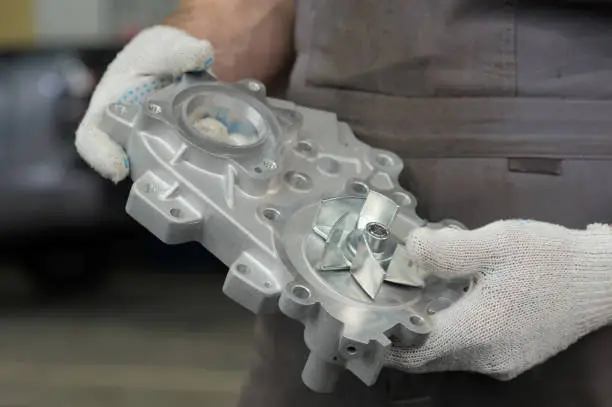
Conclusion
Sourcing die cast aluminium parts successfully requires balancing technical requirements, quality standards, and commercial considerations. Material selection, supplier capabilities, certification compliance, and dimensional accuracy form the foundation of successful procurement strategies. When compared to alternative materials and processes, die casting demonstrates where it provides the best value for high-volume, complex components. Building relationships with qualified suppliers who demonstrate technical expertise and quality system maturity creates competitive advantages. Zhejiang Fudebao Technology exemplifies these principles through certified manufacturing capabilities and comprehensive support from prototyping through production delivery.
FAQ
What advantages does die cast aluminium offer compared to other materials?
Die cast aluminium parts deliver exceptional strength-to-weight ratios—approximately 65% lighter than equivalent steel parts while maintaining structural integrity. The material's natural corrosion resistance surpasses uncoated steel, reducing long-term maintenance. Thermal conductivity near 96 W/m-K enables housings to function as integrated heat sinks, eliminating separate cooling hardware. Manufacturing efficiency stems from consolidating multiple features into single components, reducing assembly operations and labor costs. Surface treatment compatibility through E-coating and powder coating extends component lifespan in harsh environments.
How can buyers verify supplier quality and reliability?
Certification validation provides the foundation—automotive suppliers should hold IATF 16949, while ISO 9001 serves as a baseline across industries. Requesting facility tours reveals actual manufacturing capabilities, including die casting equipment, machining centers, and inspection technology. Customer references offer insights into delivery performance and responsiveness. First article inspection reports demonstrate measurement capability and process control maturity. Material certifications with spectroscopic analysis confirm alloy composition compliance, while examining corrective action procedures indicates problem-solving maturity.
What factors primarily influence die cast aluminium component pricing?
Alloy composition affects both raw material costs and casting behavior, with premium metals potentially reducing scrap rates. Production volume drives significant economies of scale as fixed tooling costs distribute across larger quantities. Part complexity, including wall thickness variations and multi-slide requirements, increases both tooling investment and cycle times. Surface treatment specifications add processing steps with associated expenses. Dimensional tolerance requirements may necessitate secondary machining operations, and expedited lead time demands typically carry premium pricing.
Partner with Fudebao Technology for Your Die Cast Aluminium Requirements
Zhejiang Fudebao Technology stands as a benchmark die cast aluminium manufacturer in China, delivering precision components to global automotive, industrial equipment, and electrical sector clients. Our integrated manufacturing capabilities span the complete production cycle from aluminum melting through surface treatment, supported by high-speed machining centers and advanced equipment maintaining tolerances to ±0.05mm. We provide certified quality under ISO frameworks with comprehensive PPAP documentation, alongside flexible production volumes accommodating both prototype quantities and high-volume programs. Contact our team at hank.shen@fdbcasting.com to discuss your specific requirements and receive expert technical consultation.
References
1. American Foundry Society. (2022). Die Casting Process Fundamentals and Quality Control Methods for Aluminum Alloys. Des Plaines: AFS Technical Publications.
2. North American Die Casting Association. (2021). Product Specification Standards for Die Castings: Dimensional Tolerances and Surface Quality Requirements. Wheeling: NADCA Standards Committee.
3. Anderson, K.R., & Williamson, J.C. (2023). Materials Selection in Mechanical Design: Comparative Analysis of Aluminum Alloys for Engineering Applications. Cambridge: Engineering Materials Press.
4. International Organization for Standardization. (2020). Quality Management Systems Requirements for Automotive Production and Relevant Service Parts Organizations (ISO/TS 16949:2020). Geneva: ISO Publications.
5. Chen, M.H., & Roberts, D.L. (2022). Advanced Manufacturing Processes: Die Casting Technology and Applications in Modern Industry. New York: Industrial Engineering Publishers.
6. ASTM International. (2021). Standard Specification for Aluminum-Alloy Die Castings (ASTM B85-21) and Standard Practice for Salt Spray Testing (ASTM B117-19). West Conshohocken: ASTM Standards Development.



YOU MAY LIKE