



What are the Essential Steps to Begin Learning CNC Machining?
2026-05-01
To learn CNC machining, you need to know how computer-controlled automation uses designed toolpaths and G-code directions to turn raw materials into precise parts. This method of making things takes away material in a planned way, so the dimensions are accurate to within microns and the process is repeatable across production runs. If you know the basics of CNC machining, you can work well with manufacturers, set the right tolerances, and choose the best production methods for your parts, whether you're an engineering manager looking at a supplier's skills or a procurement professional trying to make the best decisions about manufacturing.
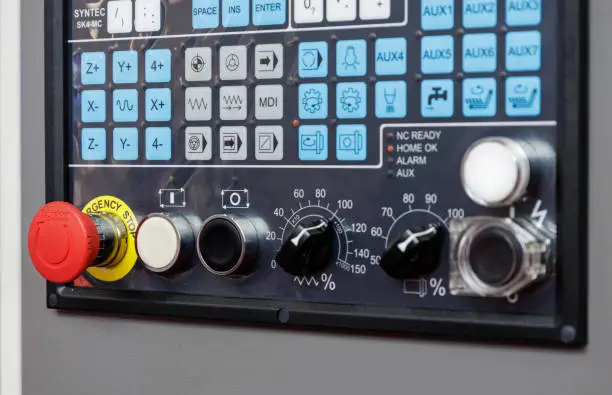
Understanding CNC Machining Fundamentals
CNC machining is the main method used for making precise products in many fields that need dependability and accuracy. In manual machining, workers physically move the cutting tools. But in computer numerical control systems, exact tool movements, cutting speeds, and feed rates are set by pre-programmed directions. This automation gets rid of the differences that people make, so the results are the same whether a sample or thousands of similar car brackets are being made.
The technology fixes important problems in production that casting and additive methods can't handle on their own. CNC machining is needed for parts with complicated shapes that need more than one cutting angle, for parts with tight tolerances of less than 0.005mm, and for parts that are made from solid billets of aerospace-grade metals. This level of accuracy is important for many industries, from making medical devices to making tools for renewable energy. It makes sure that parts work well even in harsh circumstances.
Core Machine Types and Their Industrial Applications
Different types of CNC machining are used for different types of manufacturing. With the tool positioned vertically above the workpiece, vertical machining centers are great at making flat parts like electrical housings and mounting plates. The spindle of a horizontal machining center is aligned to the floor. This makes them perfect for making transmission cases and gearbox parts that need to be machined on more than one side without having to be moved.
CNC lathes turn the piece of metal while fixed cutting tools shape it into cylinders for things like motor shafts, hydraulic pistons, and threaded bolts. Multi-axis turning centers can move both in a straight line and in a circle, which lets them make complicated shapes in a single setting. Wire EDM, on the other hand, uses electrically charged wire to cut strong tool steels and complex punch dies. This can be used in situations where regular cutting tools would not work.
Five-axis machining centers are the most flexible. They can move cutting tools along the X, Y, and Z axes and rotate the item around two more axes at the same time. This feature is very important for making turbine blades, aircraft structural parts, and medical implants that need complex curves and undercuts that would need to be set up and fixed in more than one way otherwise.
Material Selection and Its Strategic Impact
The choice of material has a big impact on how things are made, how much they cost, and how well the parts work. A lot of car and industrial uses go to aluminum metals like 6061-T6 and 7075-T6, which have good strength-to-weight ratios and are easy to machine. These metals can be machined quickly with standard carbide tools, which cuts down on cycle times and production costs while still giving outdoor equipment the rust resistance it needs.
Grades of stainless steel, especially 304 and 316L, are used in situations where chemical protection and biocompatibility are important. Stainless steel is used for medical and surgical devices, food processing equipment, and marine gear, even though it hardens over time, which means that the right tools and cutting factors must be carefully chosen. Knowing how these materials behave helps buying teams make accurate assessments of suppliers' skills and production schedules.
Electrical connections, heat sinks, and power transfer parts that are made of copper alloys are better at conducting electricity and heat. Bushings and valve bodies in industrial machinery can be made of bronze or metal, which don't break down easily. Engineering plastics, such as PEEK and ULTEM, are lighter than metal and can be used in places where weight or conductivity issues would be a problem. This is especially true in electrical insulation and aircraft spaces, where every gram counts.
Essential Steps to Start Learning CNC Machining
To get good at CNC machining, you need to go through the planning, programming, and operation steps in a planned way. The process starts with CAD (Computer-Aided Design) models that show the shape of the part along with its exact sizes, limits, and surface finish needs. These digital plans have to take industrial facts into account. For example, features that are too thin to withstand cutting forces, internal corners that need specific tool radii, and reference surfaces for mounting fixtures can all affect how well a design goes from concept to production.
CAM (Computer-Aided Manufacturing) software connects what the designer wants to do with how the machine does it. CAM systems help engineers and programmers make toolpaths that tell machines how to cut, which tools to use, how fast to spin, and how fast to feed the material. G-code, the numerical control language that CNC machining centers understand, is sent out by the program. A normal G-code program could have hundreds of directions telling the machine how to move the cutting tool, start the flow of coolant, change the spindle's spinning, and place the tool at certain points.
Mastering G-Code Fundamentals and Machine Setup
A person's intention and a machine's deed can talk to each other through G-code. With commands like G00 (rapid positioning), the tool can move quickly between cutting processes without touching the subject. G01 (linear interpolation), on the other hand, cuts the material at set feed rates. Knowing these commands can help you fix problems with programs, speed up cycle times, and make sure that toolpaths match design requirements before you commit expensive materials to production runs.
Setting up a machine includes choosing the right tools, how to hold the work, and how to calibrate the offset. Cutting forces that can reach hundreds of pounds can be kept from damaging workpieces with vice, clamps, and special soft jaws. The sizes of each cutter are stored in tool libraries. This lets the control system instantly adjust for tools with different lengths and widths. Touch-off processes set up the coordinate system for the workpiece and make sure that the programmed measurements match the features of the real part. Parts are thrown away and tools are destroyed when angles are missing or wrong, so it is essential to follow strict setup procedures.
Simulation software lets you try programs without any risks before running them on real machines. These platforms show toolpaths in three dimensions and show where cutting tools, clamps, and machine parts might meet or collide. Simulations find programming mistakes that could destroy costly aerospace blanks or damage precise equipment. This protects both the investments in materials and the plans for production. If procurement workers know these steps for verifying, they can better judge the quality systems and process growth of suppliers.
Design for Manufacturability Principles
When designing parts that are best for CNC machining production, you have to balance the needs of the function with the limitations of the manufacturing process. Cutting tools have limited diameters, which means that they can't be used to make sharp interior corners. Limiting corner angles to available tool sizes gets rid of the need for extra work and saves money. To cut into deep pockets and holes, you need special long-reach tools that bend when they're cut, which can ruin the accuracy and finish of the surface if the wall thickness and depth ratios don't follow the rules.
When making thread specs, you have to think about what tools are available and what machines can do. Custom profiles that need special tools or thread mills are harder to make and take longer than standard thread pitches. In the same way, hole diameter tolerances that are too small for reamers to handle require grinding processes after the fact, which add to the time and cost of production. When engineering teams understand these trade-offs, they can work together with manufacturing partners more effectively to come up with the best designs that meet performance needs without making costs go up for no reason.
The tolerance approach has a direct effect on the cost and feasibility of production. When makers have to stick to tight tolerances in all dimensions, they have to use high-end tools, longer run times, and strict checking procedures. Strategic tolerancing means that standard cutting tolerances are used everywhere else and precision is only used on functionally necessary areas like bearing surfaces, fitting interfaces, and sealing faces. This method strikes a balance between quality and cost, which is especially helpful for procurement directors who are in charge of handling component stocks from a number of different providers.
Overcoming Common Challenges and Misconceptions for Beginners
Misunderstandings about tolerance specifications cause problems between design teams and production partners. By requiring excessively tight tolerances, production costs skyrocket due to slower cutting speeds, more checking steps, and higher rates of scrap. On the other hand, not allowing enough tolerance for key measurements leads to problems with assembly and failures of function. Professionals in procurement who are good at their jobs learn about tolerances and know when ±0.05mm is the right level of accuracy and when it's too much. They also know how tolerance stack-ups in multi-component systems affect total performance.
Mistakes in choosing materials cost a lot of money in lessons. When high strength is important, choosing free-machining metals like 6061 aluminum over structural grades like 7075 hurts the performance of the part. Choosing materials that are hard to make, like Inconel 718, without knowing that they need special tools and longer cycle times can cause budget shocks. Including industrial partners in the planning process stops these problems from happening. Suppliers can use their knowledge to help choose the best materials for both performance and ease of production.
Cost Structure Understanding for Effective Negotiation
The costs of CNC machining come from more than just the cost of raw materials. Setup time, which includes the work needed to put in fixtures, load programs, and check the accuracy of the first piece, is a set cost per batch. Setup costs stay the same whether you're making one part or one hundred. This means that small batch production costs more per unit. Knowing this link helps buying teams set order sizes that balance the costs of keeping inventory with the costs of making a single piece.
Machine time is directly related to how complicated the job is and how much material needs to be removed. Complex five-axis parts that need hours of machine time cost a lot more than simple turned parts that only need minutes of cycle time. Choice of material affects cutting speeds and tool wear rates. For example, machines made of titanium are much slower than those made of aluminum, and they need more expensive cutting tools that cost more to replace. Tight tolerances and standards for a smooth surface make cycle times longer because feed rates have to be slowed down and more finishing passes have to be made.
Cost analysis works best when you ask for quotes that break down setup fees, machining time, material costs, and finishing processes into different items. This clarity shows places where improvements can be made. For example, loosening a surface finish requirement on non-critical sides could cut cycle time by 20%, and combining features could get rid of the need for a second setup. These talks need both people to understand the technical side of things, which is another reason why buying workers should know about CNC machining.
Troubleshooting Common Production Issues
Chatter, the noise and sound that happen when cutting forces cause the machine or object to resonate, damages the finish on the surface and speeds up tool wear. Parts with thin walls and long tool overhangs make them more vulnerable. Some solutions are to cut the material thinner, change the spinning speed to stay away from resonant frequencies, and change the shape of the part to make it more stiff. Recognising the signs of talk helps procurement teams figure out whether problems suppliers say they are having are really technology problems or problems with process control.
There are many reasons why tools break: too fast of feed rates, not enough coolant flow, wrong speeds for the material's hardness, or code mistakes that send tools into fixings at the wrong time. Tool life management systems are used by mature providers to keep track of usage cycles and replace cuts before they are more likely to break. It should be made clear in purchase deals whether sellers will cover the costs of broken tools or pass them on to the buyer. This is especially important for work with difficult materials or tight tolerances, where the risk of breaking tools rises.
When dimensions change during production runs, it means that the process is not stable. Dimensions can change because of thermal expansion from not allowing enough time to warm up, tool wear, or uneven material hardness. These patterns can be seen on statistical process control charts before parts go beyond their acceptable limits. Suppliers who can show they can watch and make changes before they happen are more reliable than those who only find out about problems after the fact, through failed final inspections and customer returns.
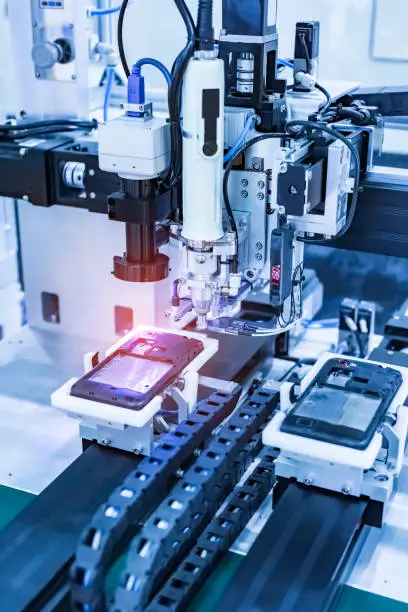
Practical Applications and Next Steps for B2B Procurement Clients
CNC machining makes it possible for many industries to make important parts where accuracy has a direct effect on safety and performance. When very hot temperatures are present, aerospace turbine housings made from heat-resistant superalloys must keep precise clearances. Dimensional mistakes of just a few thousandths of an inch can cause catastrophic breakdowns of the turbines. For transmission parts in cars to work quietly and last a long time, they need to have exact gear tooth shapes and bearing bore specs. When making medical implants, you need to use safe materials and surface finishes that help the bone heal and stop germs from growing on them.
CNC machining is used by companies that make industrial equipment to make pump housings, compressor parts, and hydraulic valve bodies with precise fluid flow paths inside them. Heat exchangers need a lot of tubes and fixing points that are placed exactly right. For smooth motion and a long life, bearing surfaces on robotic arm joints must be made to very tight tolerances. CNC machining firmly provides the material qualities, dimensional accuracy, and surface traits that are needed for each application.
Low-Volume Production and Rapid Prototyping Advantages
Product development processes stress faster iterations and testing in the market before committing to making tools for mass production. CNC machining helps this method because it makes working samples from real production materials in days instead of weeks that are needed for making molds or developing casting patterns. Instead of just simulating things, engineering teams can try parts in the real world, collect data on how well they work, and make ideas better based on what they find.
Low-volume manufacturing is used in niche areas where yearly demand isn't high enough to support having their own production lines. The number of parts used in scientific instruments, different types of combat equipment, and customized industrial gear is measured in dozens or hundreds, not thousands. When you compare these amounts to methods that need expensive custom tools, CNC machining's setup-based cost structure becomes more appealing. In markets that are changing, being able to adapt to changes in engineering without having to throw away hard tools adds to your strategic value.
Bridge tooling situations happen when there is a need in the market before the fixed production system is ready. If the product launch goes well, orders may come in faster than the prototype can be machined, but the injection mold shipping may be delayed by several months. CNC machining offers temporary output capacity, keeping promises to customers and making money while the shift takes place. This skill can make the difference between seizing a market chance and losing sales to rivals.
Supply Chain Integration Strategies
Strategic CNC machining partnerships change the way things are bought from one-time transactions to working together as engineers. Having suppliers involved in the design process helps improve the cost and quality of component designs by using their knowledge of how to make things. They look for ways to blend several parts into a single made part, which cuts down on the number of steps needed to put the system together and the overall cost. Their knowledge of the materials helps them make choices that meet performance needs and maximize machining speed.
Lead times are cut down when providers keep common materials in stock and reserve capacity for important customers. Instead of having to wait six weeks for every order, strategic partners can meet pressing needs in just a few days by using resources that are already in place. This ability to adapt saves production schedules when demand rises without warning or when problems with other suppliers' quality leave gaps that need to be covered quickly.
Quality assurance integration sends inspection data from suppliers straight to the quality control systems of customers. Real-time access to material approvals, measurement inspection results, and process control data makes it possible to streamline or get rid of receiving inspections. This openness builds trust and lowers the cost of keeping goods by shortening the time it takes to check new items. In the most advanced agreements, supply engineers even help customers review designs and look into problems through failure analysis.
Conclusion
Learning the basics of CNC machining gives procurement workers, engineers, and managers the skills they need to work better with suppliers, make better component designs, and lower industrial risks. Knowing what the technology can and can't do helps you make smart choices about which manufacturing method to use, what tolerances to set, and how to evaluate suppliers. Investing in technical literacy pays off by making it easier to talk to manufacturing partners, fixing problems faster, and getting better results during the creation and production steps of a product. As industries keep asking for higher accuracy and shorter development cycles, B2B workers who manage complicated supply chains and make technical buying choices will find CNC machining knowledge more and more useful.
FAQ
1. What tolerances can CNC machining realistically achieve?
Tolerances of ±0.025mm to ±0.05mm can be kept cheaply with standard CNC machining. Precision machining can get key measurements as close as ±0.005mm to ±0.01mm with careful process control. Tighter standards need specialized tools, climate-controlled spaces, and longer cycle times, all of which add a lot to the cost. Geometric standards like perpendicularity, cylindricity, and true position all fall within the same ranges. Five-axis cutting is better for GD&T because it requires fewer setups.
2. How does material hardness affect machining processes?
Standard carbide tools can quickly and accurately cut through soft materials like aluminum and brass, and they last a long time. Stainless steels get harder when they are cut, so you need to use sharp tools and the right settings to keep the surface from getting damaged. When cutting hardened steels above HRC 45, you need to use specific cutting techniques or EDM processes. Material hardness has a direct effect on cycle times, tool costs, and eventually the price of components. This is why it's important to talk to providers early on about materials.
3. What surface finish specifications are standard versus premium?
Standard polished finishes have tool lines that can be seen and are good for non-critical surfaces. They run from Ra 3.2μm to Ra 1.6μm. For precise ends between Ra 0.8μm and Ra 0.4μm, you need to do more grinding or finishing passes, which makes the costs go up by a lot. Polished areas below Ra 0.2 μm need to be done by hand. Costs can be kept low while performance is maintained by defining surface finish standards based on functional needs rather than personal taste.
Partner with Fudebao Technology for Your Precision CNC Machining Needs
Fudebao Technology operates as a comprehensive precision manufacturing supplier specializing in aluminum alloy, copper alloy, and stainless steel components for demanding applications. Our integrated facility handles the complete production sequence from casting through final machining and surface treatment, eliminating coordination headaches across multiple vendors. Equipped with American HAAS high-speed machining centers and advanced CNC lathes, we achieve dimensional accuracy to ±0.05mm on automotive precision parts, electrical equipment housings, and industrial machinery components.
Our capabilities span die casting, low-pressure casting, sand casting, and precision CNC turning and milling, supported by comprehensive finishing services including anodizing, powder coating, and electroplating. This end-to-end control ensures quality consistency and delivery reliability that multi-vendor approaches cannot match. Engineering managers and sourcing directors working with Fudebao Technology gain a strategic CNC machining supplier capable of handling complex assemblies, rapid prototyping requirements, and volume production with equal competence. Contact hank.shen@fdbcasting.com to discuss your component requirements and discover how our manufacturing expertise can optimize your supply chain performance while meeting the most demanding quality standards.
References
1. Kalpakjian, S., & Schmid, S. R. (2014). Manufacturing Engineering and Technology (7th ed.). Pearson Education.
2. Groover, M. P. (2020). Fundamentals of Modern Manufacturing: Materials, Processes, and Systems (7th ed.). John Wiley & Sons.
3. Boothroyd, G., Dewhurst, P., & Knight, W. A. (2011). Product Design for Manufacture and Assembly (3rd ed.). CRC Press.
4 .Machinery's Handbook (31st ed.). (2020). Industrial Press Inc.
5. Society of Manufacturing Engineers. (2018). Fundamentals of Tool Design (6th ed.). SME.
6. American Society of Mechanical Engineers. (2019). ASME Y14.5-2018: Dimensioning and Tolerancing. ASME Standards.



YOU MAY LIKE
_1756345939856.webp "Aluminum casting chassis")
_1756348711711.webp "anti surge turbo housing")
_1756346205762.webp "hinge casting")
