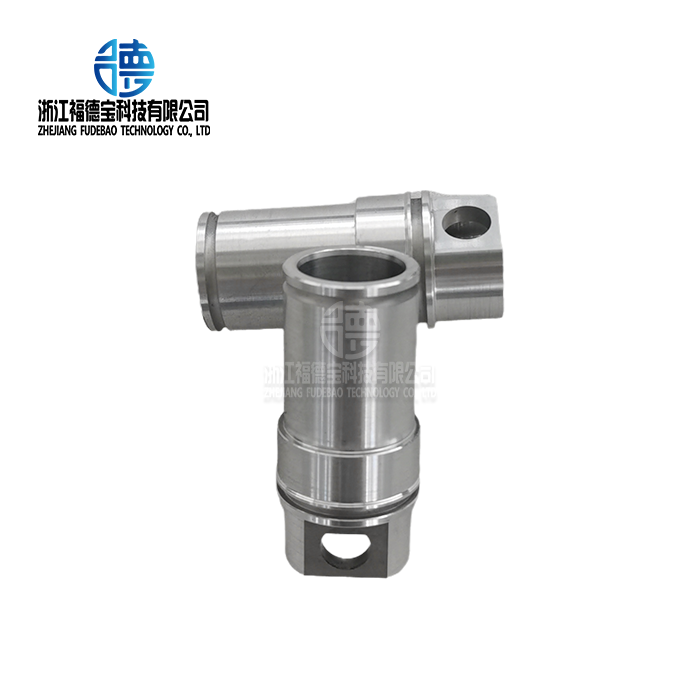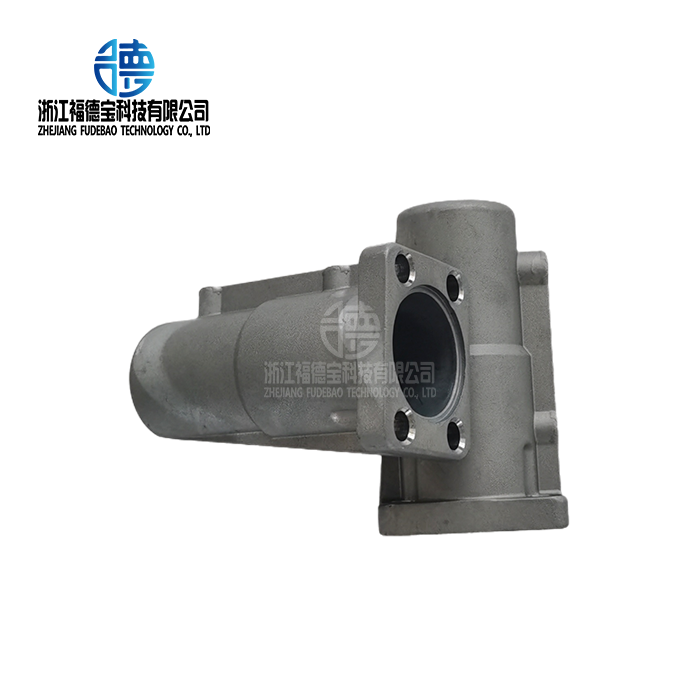
What Makes Aerospace Aluminium Die Castings Suitable for Aircraft Structures?
2026-06-25
Aerospace aluminum die castings provide the exact mix of strength, light weight, and accurate dimensions that current airplanes need. Molten aluminum alloys can be turned into complex structure parts with great mechanical qualities and fatigue resistance through high-pressure die casting methods. This way of making things solves one of the most important problems in aviation: it lowers the general weight of an airplane while keeping its structure strong in harsh operating circumstances. The parts that were made meet strict flight standards, making sure that they are safe and work well in both business and military settings where failure is not an option.
Understanding Aerospace Aluminium Die Casting
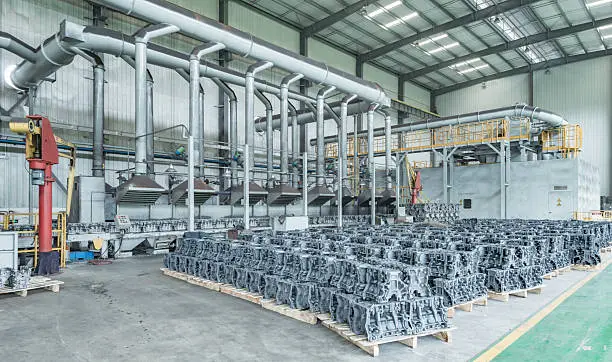
Specialized manufacturing methods are needed in the aircraft business to make sure that quality and consistency are always met. One of the best ways to make structure parts for airplanes is through high-pressure die casting, which has benefits that are hard for other methods to match.
The High-Pressure Die Casting Process for Aerospace Applications
For aerospace-grade aluminum die casting, liquid metal is poured into specially designed steel molds under pressures higher than 10,000 psi. To start the process, carefully chosen aluminum alloys are fired to temperatures between 650°C and 750°C. These are usually A356, A357, or special aircraft versions. These temperature limits make sure that the metal stays solid while allowing it to flow easily. Within milliseconds, the molten material fills complex mold cavities, making parts with walls as thin as 1.5 mm and a form similar to a net. When pressure is applied quickly, fine-grained microstructures are made that make the dynamic qualities much better than with gravity casting.
Comparing Die Casting with Alternative Aerospace Manufacturing Methods
Even though sand casting is cheap for making samples, it doesn't provide the level of accuracy needed for aerospace uses. Investment casting gives you more detail, but it takes longer to make and costs a lot more per unit. When the cross-section stays the same, aluminum extrusion works well, but it can't make shapes with as many angles as die casting can in just one step. Aerospace manufacturing data shows that die casting cuts down on secondary cutting by about 40% compared to forged components. This has a direct effect on how efficiently production works and how much material is wasted. The process also gets rid of welding joints that can become weak spots in important structure parts.
Process Advantages Driving Aerospace Adoption
We've seen that tech teams put die casting at the top of their list for more than just cost reasons. The method makes great surface finishes that are between 1.6 and 3.2 micrometers Ra, which means that minor finishing steps are often not needed at all. Dimensional tolerances always stay within ±0.05mm, even after millions of rounds of production. This makes sure that parts can be swapped out in global supply lines. Repeatability is one of the most valuable qualities because once the mold settings are set, every subsequent part closely matches the original specs. When aircraft makers need to show recorded tracking and statistical process control to meet certification requirements, this uniformity is very helpful.
Key Factors Making Aluminium Die Castings Suitable for Aircraft Structures
In flight, where every gram counts and failure has terrible results, material science and engineering design come together. Engineered aluminum alloys made just for die casting have qualities that are best used in aluminum die casting methods, which control the solidification process.
Material Properties of Aerospace-Grade Aluminium Alloys
Depending on how they are heated, aerospace aluminum alloys have tensile strengths between 280 and 380 MPa and yield strengths of up to 240 MPa. These materials stay strong in temperatures ranging from -50°C to 150°C, so they can be used in a wide range of conditions, from high-altitude cruises to land actions in desert climates. Because aluminum has a specific gravity of about 2.7 g/cm³, its parts weigh about one-third as much as similar steel parts. This directly affects fuel economy and loading capacity. When airframes go through millions of stress cycles over the course of their service lives, fatigue resistance becomes very important. For example, properly made aluminum alloys can handle cyclic loads that would break less durable materials in years instead of decades.
Design Optimization for Casting Integrity
For aircraft casts to work, the designs must be carefully thought out so that they work with the die casting process instead of against it. Different cooling rates can cause internal pressures and dimensional warping, but uniform wall thickness stops these problems. Radiated transitions between parts get rid of stress concentration places where cracks could start when the system is under load. By strategically placing ribs, you can make the structure stiffer without adding a lot of weight. This gives you structural efficiency rates that solid parts can't match. As part of our engineering work with aircraft clients, we often use finite element analysis to make sure that casting geometries will spread loads correctly while still being able to be made with standard die casting tools.
Quality Control and Defect Prevention
Porosity is the most important flaw to watch out for in aircraft castings because trapped gas creates voids that lower the material's mechanical properties and could become crack-starting sites. Vacuum-assisted die casting and squeeze casting are two advanced process controls that keep gas trapping to levels that can't be seen with a regular x-ray. Monitoring the melt temperature, pumping speed, and cooling rates in real time makes sure that the parameters stay within the acceptable ranges during production. Statistical sample methods catch process drift before nonconforming parts get to the assembly steps. This protects both the safety of the end user and the image of the maker.
Comparing Aluminium Die Casting with Other Manufacturing Processes in Aerospace
Choosing the right materials and processes has a big effect on the performance of parts and the cost of the program over the span of an airplane. Procurement workers can make better sourcing choices when they understand the technical and business trade-offs of aluminum die casting compared to alternatives.
Material Alternatives: Zinc and Magnesium Casting
Zinc die castings are more accurate in terms of size and have even lower melting points than aluminum. However, the material's density of 6.6 g/cm³ means that it can't be used in aerospace uses where weight is a benefit. Magnesium has a much higher strength-to-weight ratio than aluminum—about 30% higher. However, the material is more likely to rust, and the higher costs of the raw materials keep it from being used in general uses. Aluminum is the best metal for aerospace production because it has good mechanical qualities, a proven ability to fight corrosion through natural oxide formation, and well-established supply chains that can handle large amounts.
Competing Fabrication Technologies
Along the extrusion line, aluminum extrusion makes parts with great material qualities, but they need a lot of secondary machining to make mounting holes and connection points. Plastic injection molding gives you more design options and lower tooling costs, but it can't match the solid performance that metal parts offer in aircraft applications. Sheet metal manufacturing lets you make prototypes quickly, but it requires welded joints and fasteners, which add weight and create possible failure modes. Die casting combines several manufactured parts into a single unit, which makes assembly easier and improves structural continuity.
Cost-Efficiency Analysis Across Production Volumes
The cost of tools for making aerospace-grade die casting models varies a lot depending on how complicated the cavities are and how many units are expected to be made. However, after 5,000 to 10,000 units, the costs usually cancel out the benefits of machining or manufacturing. With cycle times of 60 to 90 seconds per shot, inventory can be restocked quickly, which supports just-in-time production methods. Once production starts, wait times drop from weeks to days because secondary processes like welding, heavy machining, and surface preparation are no longer needed. As aerospace projects move from research to full-rate production, where unit costs have a direct effect on how competitive a platform is, these economic factors become more important.
Procurement Insights for Aerospace Aluminium Die Casting Components
In the aerospace manufacturing industry, choices about where to get materials have effects that go far beyond buy orders. Components meet airworthiness standards and program plans based on the supplier's skills, licenses, and quality systems.
Certification Requirements and Supplier Qualification
AS9100 certification is the minimum quality management system standard for aircraft providers. It sets up written procedures for controlling designs, managing production, and always making things better. If a provider has NADCAP approval for casting operations, it means that their metalworking processes, inspection skills, and staff qualifications have been checked by a third party. These licenses aren't just paperwork; they show that an organization cares about quality and lowers the risk of buying aluminum die casting parts by a large amount. We keep both certifications at our site to make sure that our processes meet the high standards of quality control that aerospace buyers expect.
Lead Time Management and Order Considerations
Aerospace procurement workers should allow 12 to 16 weeks for the initial development of tools and inspection of the first item. After that, it usually only takes 4 to 6 weeks from order to delivery for subsequent production runs. Minimum order amounts rely on the complexity of the parts and how the tools are amortized, but many providers can work with smaller volumes during the ramp-up phases of a program. From working with aerospace clients, we know that honest communication about capacity limits and possible bottlenecks is a better way to keep schedules from getting thrown off than making overly hopeful claims that can't be kept in practice.
OEM Customization and Engineering Support
The best connections with suppliers go beyond just delivering parts; they also include technical partnerships where both parties work together. Suppliers who can design their own products can suggest ways to make the product easier to make during the quote phase. This could lower costs and improve performance before tooling agreements lock in shapes. Validation processes go faster when samples can be sent for fit-check and functional testing. Our team works directly with aerospace engineers to make the best casting designs possible. They do this by matching performance needs with manufacturing limitations so that they can deliver parts that meet standards and can be sold throughout the lifecycle of a program.
Future Trends and Innovations in Aerospace Aluminium Die Casting
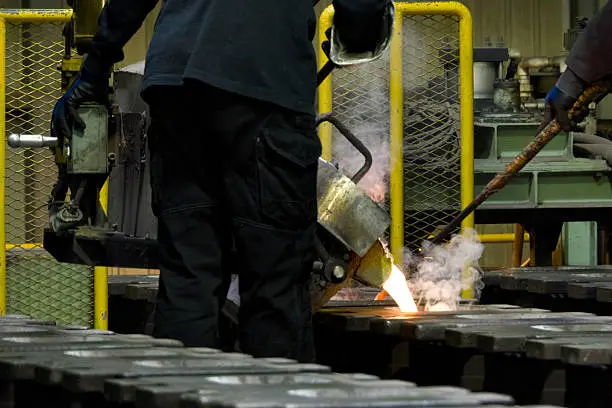
Manufacturing technology keeps getting better, which means that making airplane parts in ways that didn't seem possible a few years ago is now possible. These new developments look like they will make cast aluminum die casting buildings even more valuable.
Advanced Mold Technologies and Automation
Modern die casting models have conformal cooling lines that were made using additive manufacturing. This allows for precise temperature management, which shortens cycle times and makes sure that the dimensions stay the same. Automated mold tracking systems keep an eye on temperatures, pressures, and cycle counts. If any of these things change, they set off preventative maintenance that fixes the problem before it affects the quality of the parts. Robotic systems for extraction and cutting cut down on the amount of work that needs to be done and make the workplace safer by keeping people out of high-temperature areas. All of these technologies work together to make better use of tools while keeping the quality standards needed for aerospace uses.
Sustainability and Lightweighting Initiatives
Because aviation has an effect on the environment, there is a constant push for fuel economy. Every kilogram of weight loss is important across fleet operations. Aluminum die molds help reach these environmental goals by making materials lighter, which means that planes use less fuel over their entire lives. The material is very easy to recycle—about 95% of aircraft aluminum scrap goes back into the supply chain to be remelted. This creates closed-loop material flows that leave smaller environmental effects. In order to meet its lofty carbon reduction goals, aviation is turning more and more to manufacturing methods that make structures as efficiently as possible while producing as little waste as possible.
Hybrid Manufacturing and Additive Integration
New combination methods mix die casting and additive manufacturing to make parts that can't be made with just one method. Additive made inserts can be added to structural casts to provide localized support or add features like cooling channels inside the casting. Instead of having to deal with the trade-offs that come with single-process manufacturing, this combination lets makers make each part of a component work best for its specific purpose. These hybrid technologies are still new in aircraft uses, but they are real innovations, not small steps forward.
Conclusion
Aerospace aluminum die castings give current airplane projects the technical ability and manufacturing economy they need. When it comes to commercial and defense flight, die casting is the best way to make complex structure parts because it is strong, lightweight, and easy to scale up or down production. The features of the material give it the mechanical performance it needs, and the process skills make sure that the quality stays the same at high production rates. As aerospace companies are put under more and more pressure to cut costs without lowering safety, their ties with qualified casting makers go beyond just being a way to buy things. Automation, hybrid methods, and better materials are all helping to move the technology forward. This means that aluminum die casting will stay an important part of aerospace manufacturing for many years to come.
FAQ
What aluminium alloys are most commonly used in aerospace die casting?
A356 and A357 alloys are used a lot in aircraft because they are easy to make and can be heated to improve their mechanical qualities after casting. After being heated to T6 degrees, these silicon-magnesium alloys reach tensile strengths of more than 300 MPa while still being flexible enough for structural use. Some specialized parts use special metal that were made just for working in high temperatures or with extreme rust in aluminum die casting for aerospace.
How do die castings contribute to aircraft structural integrity?
When castings are properly planned and made, they provide continuous load lines without the stress concentrations that come with welded or bolted joints. The fine-grained microstructure that forms when metal quickly solidifies under pressure is more resistant to wear than similar materials that are sand-cast. Before they are installed, castings must pass strict checking processes that include x-rays and mechanical tests to make sure they meet material property requirements.
What are typical lead times for aerospace casting orders?
It usually takes 14 to 18 weeks from the time the plan is approved until the first item is delivered for initial orders that include making tools. Orders for approved components that are made again usually ship within 5 to 7 weeks, but wait times can change depending on the number of orders and the supplier's capacity. Items that are on a critical road can be rushed, but it normally costs more to do so.
Partner with Fudebao Technology for Aerospace-Grade Aluminium Die Casting
Zhejiang Fudebao Technology Co., Ltd. has decades of experience in precision metal casting for defense and aircraft projects that can't skimp on quality. Our AS9100-certified building has high-pressure die casting machines, CNC machining centers, and a wide range of inspection tools. This lets us make parts from raw materials all the way through to finished pieces. We keep dimensional limits to ±0.05mm throughout all production runs, which meets the high standards needed for aircraft structural components. Our engineering team works with your design team to make sure that casting shapes are the best they can be for both performance and ease of production. During the quote phase, they often find ways to save money. Our manufacturing systems are flexible enough to adapt to the needs of your program, whether you need a small number of prototypes for proof testing or a large number of production units for the launch of a new platform. Email our aerospace experts at hank.shen@fdbcasting.com to talk about how our aluminum die casting services can improve the quality of your parts and make your supply chain more efficient. As a well-known company that makes aluminum die castings for aerospace customers around the world, we can give your important projects the dependability and technical know-how they need.
References
Campbell, J. (2015). Complete Casting Handbook: Metal Casting Processes, Metallurgy, Techniques and Design. Butterworth-Heinemann Publishing, Oxford.
Kaufman, J.G. and Rooy, E.L. (2004). Aluminum Alloy Castings: Properties, Processes, and Applications. ASM International, Materials Park, Ohio.
Beeley, P.R. (2001). Foundry Technology. Second Edition, Butterworth-Heinemann, Oxford.
Staley, J.T. and Tiryakioğlu, M. (2013). Advances in Aluminum Casting Technology: Development of Premium Strength Aluminum Alloys for Aerospace Applications. Materials Science Forum, Vol. 765.
North American Die Casting Association. (2020). Product Specification Standards for Die Castings Produced by the Semi-Solid and Squeeze Casting Processes. NADCA Standards Publication.
Aerospace Industries Association. (2018). Casting Quality Requirements for Aerospace Applications: Technical Guidelines for Suppliers. AIA Procurement Standards Committee, Washington D.C.



_1756352712247.webp "stainless steel hex plug")
_1756352340434.webp "Aluminum chassis cover")
_1756349696500.webp "Pulley aluminum casting")