Sand Casting: Definition, How It Works, Advantages, Disadvantages, and Examples
2026-03-30
Sand casting is a metal forming process that utilizes bonded sand mixtures to create expendable molds into which molten metal is poured. This foundational manufacturing technique accounts for over 60% of all metal castings worldwide, eliminating prohibitively high initial tooling costs while accommodating massive casting weights from ounces to over 100 tons. The process offers unmatched alloy flexibility, allowing casting of high-melting-point ferrous and non-ferrous metals including steel, iron, aluminum, and specialized alloys that prove difficult to process in permanent molds.
What Is Sand Casting?
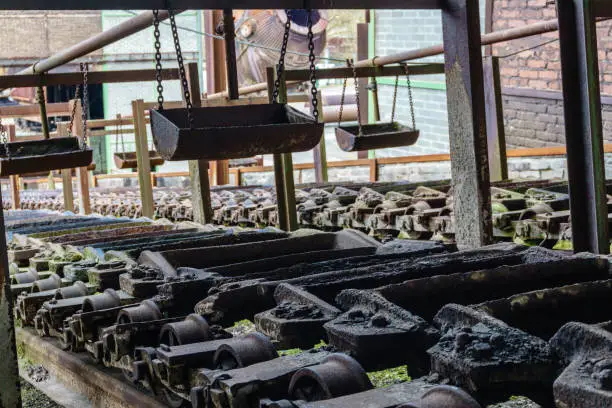
In modern industry, sand casting is one of the most flexible and widely used ways to make things. By making holes in sand models and then filling them with molten metal, this casting method makes complex metal parts. For the process to work, special sand mixes must be used that can withstand high temperatures and keep their shape during the casting cycle.
Core Components and Materials
The mold, pattern, core system, and gate network are the most important parts of any sand casting process. Molds are made of tightly packed sand that make the outside shape of the part that is being made. Patterns are used as guides to make sand molds, which can be made from wood, metal, or advanced hybrid materials, based on the needs of the production and the required standards for size.
The makeup of the sand is very important for casting. Clay-bonded mixes of silica sand, bentonite clay, water, and different ingredients are used in green sand systems. These methods can be used over and over again and are very cost-effective for making a lot of things. Instead, resin-bonded sand systems use chemical agents that harden to give better surface finish and accuracy in measurements, making them perfect for precise tasks.
Industrial Applications and Market Significance
Modern sand casting is very important in many different types of industries. Automakers use this method to make engine blocks, transmission housings, and suspension parts that need to have very exact internal shapes and last a very long time. This method is great for making complicated oil tunnels and cooling tubes that would be too expensive to machine.
Large structural components, gear housings, and hydraulic system parts are made using sand casting in the heavy machinery and building equipment businesses. When compared to other ways of making things, this process is cost-effective and can make huge casts, which is useful for these uses.
How Sand Casting Works: Step-by-Step Process?
A structured method is used to make sure that the quality of sand castings is the same from one production run to the next. When buying experts understand this process, they can better understand the technical strengths and weaknesses of sand casting operations.
Pattern Development and Mold Preparation
Making a pattern is the first step in any sand casting job. When engineers make models, they make sure that the shrinking allowances, draft angles, and parting lines are right for the target metal and the shape of the part. CNC cutting and 3D printing are two technologies that modern pattern shops use to get accurate measurements and cut down on wait times.
Pattern fitting in specially made flask systems is the first step in getting a mold ready. The sand is then packed around the design using mechanical or hydraulic equipment. This makes sure that the density is the same all the way through the mold. During this step, core placement happens for parts that need internal features or complex shapes.
Metal Melting and Pouring Operations
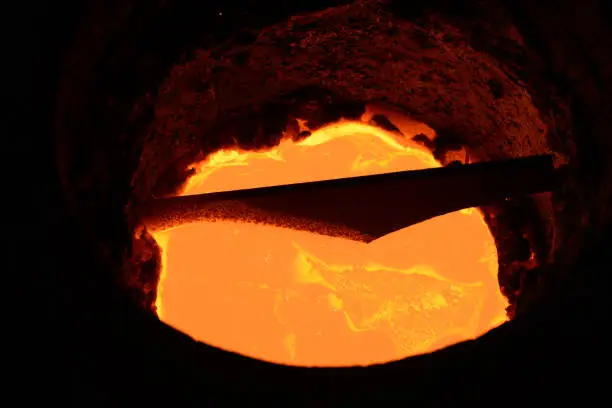
For melting to work, the temperature must be carefully controlled, and the alloy's chemistry must be managed. Electric arc furnaces, cupolas, or induction furnaces melt the base metal while spectral analysis is used to keep an eye on the makeup. Degassing agents and grain refiners are added to improve the metal's qualities and cut down on casting flaws.
Pouring is a very important control step where molten metal runs into the mold hole through specially designed gates. The right way to pour stops movement, reduces oxide formation, and makes sure the mold is completely filled. Keeping an eye on the temperature during this phase makes sure that the fluid is at its best and stops it from solidifying too soon.
Cooling, Shakeout, and Finishing
The casting can harden with controlled cooling, and the sand mold keeps it in place as the dimensions change. Depending on the metal and the need for physical stability, cooling rates can be changed by changing the shape of the mold, adding sand additives, or using external cooling systems.
Shakeout operations get rid of sand from hardened castings by using vibrating tables, shot blasting equipment, or hand tools, based on the size of the part and the amount of production. To get it to the final specs, the next steps are to remove the gate, grind the surface, heat treat it, and use precise machines.
Advantages of Sand Casting for B2B Procurement
Sand casting has many great benefits that make it a popular way to make things for many different types of industries. These benefits directly deal with common problems in buying while offering adaptability and low cost that other methods can't match.
Cost-Effectiveness and Tooling Efficiency
When you look at how much different production methods cost for tools, the economic benefits of sand casting become very clear. Sand casting, unlike die casting or investment casting, doesn't need a lot of money to get started. This makes it perfect for making prototypes and small to medium-sized production runs. The costs of patterns are usually a small part of the costs of die casting tools, but they do similar work in many situations.
Even for complex shapes, production setup costs stay low enough that makers can offer competitive prices on custom parts. This way of setting prices lets purchasing teams get unique parts at low prices while still having budget room for changes to the design or changes to the number.
Material Versatility and Alloy Compatibility
It is possible to use a huge variety of alloys in sand casting, from common metals like iron and aluminum to rare superalloys and titanium. Because these materials are so flexible, engineers can choose the best ones for each job without having to worry about how the manufacturing process might affect their choice.
This method works with metals with high melting points that are hard to work with in fixed mold methods. Sand casting is great for making steel castings because it can handle high temperatures and give you great control over the dimensions if you build the mold correctly and optimize the process.
Scalability and Geometric Flexibility
Component size limitations are virtually non-existent in sand casting operations. The process works well for both small precision parts that weigh only a few ounces and huge industrial parts that weigh several tons. Because it can be used on a large scale, sand casting is great for making heavy machinery, building equipment, and big car parts when other methods aren't practical or are too expensive.
When the right core systems are used, complex internal shapes don't pose any major manufacturing problems. Complex mounting features, multi-level cooling passages, and complicated flow channels can be built directly into castings, which cuts down on the need for extra machining and the total cost of the component.
Disadvantages and Challenges of Sand Casting
While sand casting has many benefits, procurement workers need to know what its limits are in order to make smart choices about where to source things. You can lessen these problems by choosing the right suppliers and making sure your processes work better, but you still need to be aware of them in order to set reasonable goals.
Surface Finish and Dimensional Accuracy Limitations
The surface finish that comes from sand casting is usually between 6.3 and 12.5 Ra microns, which means that important mating areas may need extra machining. Dimensional tolerances are usually in the range of ISO 8062 CT10 to CT13, which means that for precision uses, further CNC machining is often needed to meet the end requirements.
These limits might not be a problem for many uses, but buying teams should include finishing costs in the total price of the part when they compare different ways to make it. Strategic design methods can reduce the need for machining by placing important areas correctly and allowing as-cast finishes when functional needs allow it.
Environmental Considerations and Waste Management
Modern sand casting processes produce large amounts of used sand that needs to be thrown away or recycled in the right way. Modern foundries use sand reclamation systems to collect sand and put it back together again so it can be used in more than one production cycle. This is better for the earth and keeps material costs down.
Controlling emissions is another problem for the environment, especially when melting and pouring is happening. To keep up with strict environmental rules and keep their operations running smoothly, modern foundries use high-tech filter systems and pollution control technologies.
Quality Control and Defect Prevention
Defects in casting like porosity, sand inclusions, and differences in size need strict quality control procedures. These problems need skilled technicians and high-tech inspection tools to find and stop problems from happening again.
Statistical process control, real-time monitoring tools, and advanced non-destructive tests are all used by successful sand casting businesses to make sure that the quality is always the same. Teams in charge of buying things should look at possible producers' quality systems, licensing requirements, and track records of being able to stop and fix casting defects.
Sand Casting Examples and Case Studies in Industrial Applications
Real-world applications demonstrate sand casting's adaptability and efficiency across numerous manufacturing areas. In these cases, we can see how the process solves certain manufacturing problems and provides dependable, low-cost answers for complicated part needs.
Automotive Industry Applications
The creation of engine blocks is one of the most difficult sand casting jobs in the car industry. For these parts to work properly in harsh conditions, they need complex cooling paths, precise cylinder hole positioning, and very high dimensional stability. Modern aluminum engine blocks are made with advanced sand casting methods and complex core systems that allow for complicated internal shapes and close tolerances.
Transmission housings are also hard because they need to have many mounting points, accurate bearing surfaces, and fluid paths built right in. Manufacturers can make these parts cheaply with sand casting because it allows for frequent design changes and model-specific tweaks that would be too expensive to make with fixed tooling methods.
Heavy Machinery and Industrial Equipment
Large gear housings for building tools show how sand casting can be used on a large scale. In order to handle extreme working loads, these huge parts often weigh several hundred pounds and need to be very strong. The process lets makers choose the best alloy combinations and make complicated internal features that spread loads evenly.
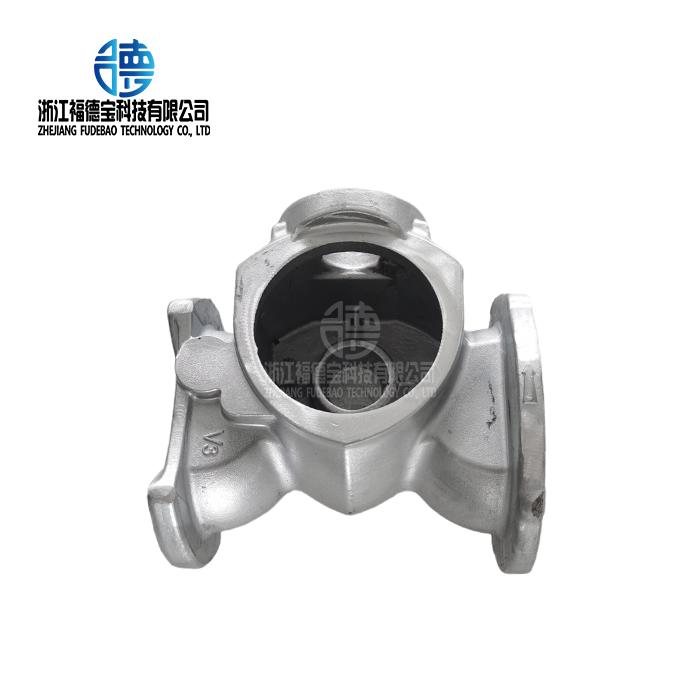
Sand casting is able to make parts with intricate internal flow shapes, as shown by pump housings used in industrial settings. These parts need to be able to withstand corrosion, keep their shape under pressure, and work with different inlet and exit designs based on the needs of the application.
Aerospace and Defense Applications
Aerospace parts must meet very high quality standards and be fully traceable throughout the entire production process. For this industry, sand casting is done in specialty centers that are certified to AS9100 standards and use strict process controls. The ability of sand casting to create high-strength aluminum and steel parts with complex shapes is essential for landing gear components, structural brackets, and engine mount assemblies.
Because sand casting is so flexible, it can be used for defense uses that need special metals and shapes. This process is used to make armor parts, housings for weapons systems, and structure parts for vehicles so that they work as well as possible while still being cost-effective for small production runs.
Conclusion
For important industry needs in the automotive, aircraft, heavy machinery, and energy industries, sand casting is still an essential manufacturing process. Its unique mix of low cost, variety in materials, and geometric adaptability makes it especially useful for buying teams looking for reliable answers to complicated component needs. The process has some problems with surface finish and accuracy of measurements, but these problems can be solved by choosing the right source and using smart design methods. Sand casting is still useful in modern production because it has a proven track record in difficult uses, and technology is always getting better in areas like process control and quality systems. The procurement professional can make better buying choices that balance cost, quality, and delivery performance for their specific application needs if they know what this process can and can't do.
FAQ
What metals can be used in sand casting processes?
Almost all industrial metals can be used in sand casting, such as aluminum, steel, iron, bronze, brass, and special superalloys. This method works great with metals with a high melting point, like steel and iron, which are hard to work with in fixed mold methods. Aluminum metals are most often used because they are easy to make and have good strength-to-weight ratios.
How does sand casting compare to die casting in terms of cost and quality?
Compared to die casting, sand casting needs a much smaller starting investment in tools. This makes it more cost-effective for low- to medium-volume production. Die casting, on the other hand, usually gives better surface finish and more accurate measurements. Lead times for sand casting tools are between 2 and 6 weeks, while lead times for die casting dies are months. This means that projects can be started more quickly.
What are typical lead times for sand casting projects?
Pattern development takes between two and six weeks, depending on how complicated the design is. Production wait times depend on the alloy type, the size of the parts, and the amount that needs to be made. Standard aluminum castings usually ship three to four weeks after the order is placed. On the other hand, complicated steel castings may take six to eight weeks to finish, which includes the finishing steps.
Partner with Fudebao Technology for Superior Sand Casting Solutions
Fudebao Technology is ready to meet your most difficult sand casting needs with our wide range of production skills and technical know-how. Our factory has high-tech low-pressure casting machines, accurate CNC machining centers, and complex quality control systems that work together to make sure that the parts we make meet the tightest requirements for the auto, aircraft, and industrial sectors. We are experts in castings made of aluminum alloy, copper alloy, and stainless steel, and our cutting accuracy is up to ±0.05mm. We can help with all stages of part development, from the initial design advice to delivery of the finished part. As your reliable sand casting provider, we offer engineering help, the creation of prototypes, and the ability to produce large quantities. Our decades of foundry experience back this up. Email our technical team at hank.shen@fdbcasting.com to talk about your unique casting needs and find out how our approach to integrated production can help you save money on parts while still ensuring high quality and dependability.
References
Campbell, John. "Complete Casting Handbook: Metal Casting Processes, Metallurgy, Techniques and Design." Butterworth-Heinemann, 2015.
Brown, James R. "Foseco Non-Ferrous Foundryman's Handbook: The Metals Society." Elsevier Science, 2014.
Beeley, Peter. "Foundry Technology." Newnes Technical Books, 2001.
American Foundry Society. "Sand Casting Guidelines for Production Quality." AFS Technical Publication, 2018.
Stefanescu, Doru M. "Science and Engineering of Casting Solidification." Springer International Publishing, 2015.
International Journal of Metalcasting. "Modern Sand Casting Processes and Quality Control Methods." Springer Publications, 2020.



_1756361323684.webp "column guide sleeve")
_1756350092126.webp "radiator cover")
_1756345858191.webp "Aluminum casting crafts")