What is the Process of Aluminum Die Casting?
2026-05-08
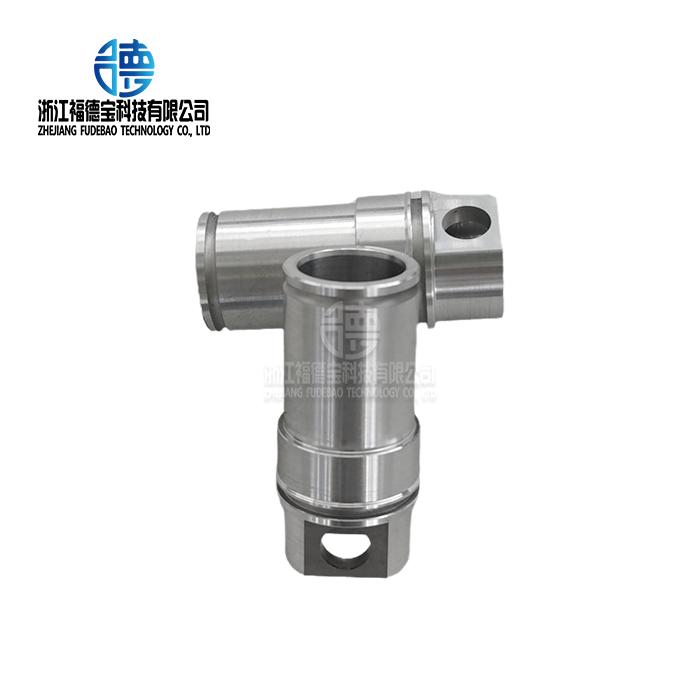
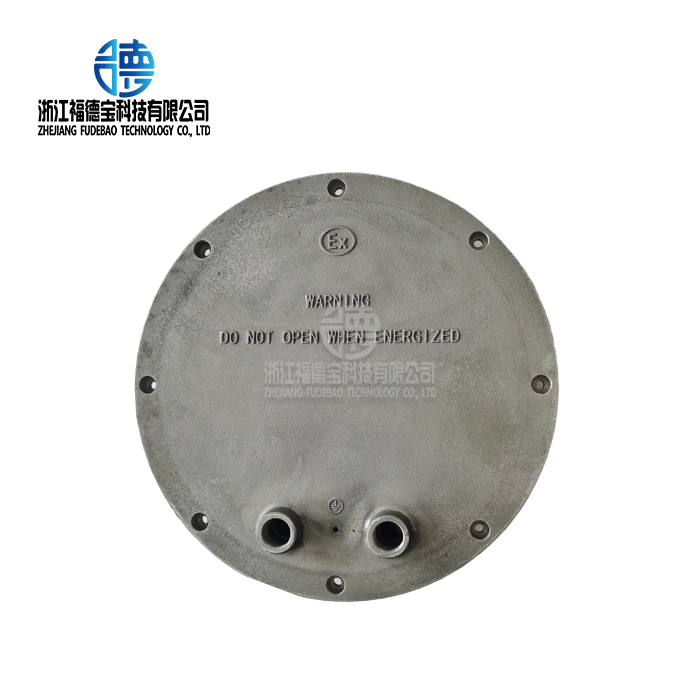
Precision metalworking at its best, aluminum die casting involves injecting liquid aluminum alloy under high pressure (from 1,500 to over 30,000 psi) into hardened steel molds to make parts that are exactly the right size. This High-Pressure Die Casting (HPDC) method makes it easy to make complex shapes quickly and with a great finish on the outside. It also solves important problems in the industry, like lowering weight to save fuel in cars, getting rid of multiple-part assemblies through integrated design, and making mass production scalable with few extra steps. The process uses advanced machine engineering and metallurgical science to make sure that the parts are always of high quality, even after millions of production rounds.
Understanding Aluminum Die Casting: Key Concepts and Process Overview
Aluminum alloys are turned into precise parts through controlled temperature and mechanical processes. This is the basic idea behind this way of making things. Over the years that Fudebao Technology has worked with the automobile, industrial equipment, and aircraft industries, we've improved this method and become experts in the whole production chain, from the raw material to the finished part.
The Core Mechanism of High-Pressure Injection
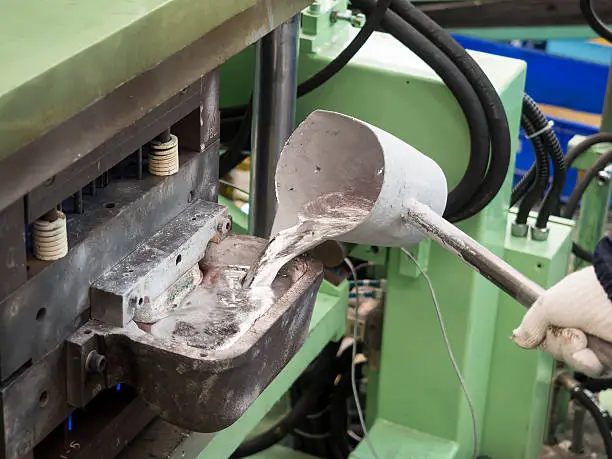
To start the process, aluminum alloys are heated to temperatures between 1,150°F and 1,300°F. This melts the metals and makes them the right consistency for injection. In contrast to gravity-fed ways, high-pressure systems quickly push this liquid metal into every part of the mold hole. This quick filling cuts down on thermal loss and stops solidification before it's time, which makes it possible to fully reproduce complex shapes like undercuts, thin walls (down to 1.5mm), and internal pathways. The pressure keeps the liquid metal in contact with the mold surfaces while it hardens, which has a direct effect on the accuracy of the measurements and the quality of the surface. This feature is liked by engineering managers because it cuts the need for post-casting cutting by up to 60% compared to sand casting options.
Material Selection and Its Impact on Performance
The choice of alloy has a big impact on the mechanical qualities and usefulness of cast parts in aluminum die casting. The most common metal used in North American car uses is still A380, which is great for fluidity and pressure tightness in transmission housings and engine mounts. ADC12 is commonly used in Asian industry because it is better at protecting electrical covers from corrosion when they are outside. More and more, aerospace uses that need higher strength-to-weight ratios call for A356 or specialized metals that have copper added to them. At our plant, metallurgical analysis proves the composition of the alloy before it is melted in aluminum die casting. This makes sure that it meets standards like ASTM B85 and PPAP requirements specific to each customer. This step of proof stops production delays and quality problems that cost a lot of money and happen with sellers who aren't very careful.
Mold Design as a Critical Success Factor
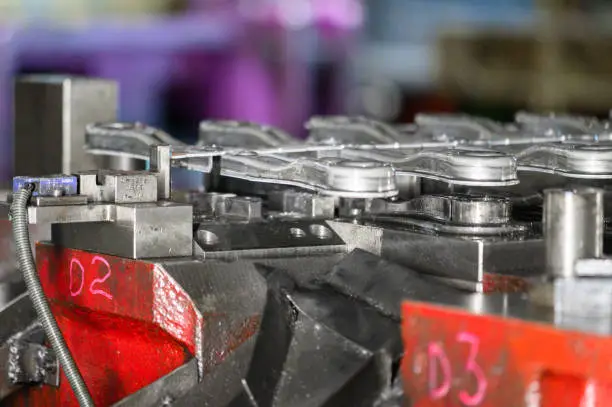
Tool making is probably the most important factor in determining how well a product is made and how well it fits together. When making molds, H13 tool steel that has been heated to 48–52 HRC is usually used. This makes the molds last for more than 100,000 shot cycles. The mold has many systems that all work together. For example, gate channels control the speed and direction of the metal flow, cooling circuits control the rate of heat removal to keep the mold from warping, and ejector mechanisms release hardened parts safely without damaging the surface. During the DFM (Design for Manufacturing) process, our design team works with clients to find problems like stuck air pockets or too many draft angles before the steel is cut. Our automotive companies' prototype iteration processes have been cut by 40% thanks to this proactive method, which has helped them meet their time-to-market goals faster.
In-Depth Analysis of Aluminum Die Casting Process Steps
By breaking down the steps of production, you can see how each step affects the end part's integrity and why knowing these technical details is important for evaluating a supplier's abilities.
Melting and Temperature Management
We put aluminum ingots into reverberatory furnaces, which have fine temperature controls that keep the liquid metal within a small working range. When something gets too hot, above 1,350°F, it absorbs more hydrogen, which creates holes in the material that make it less pressure-tight. When metal streams don't join properly, underheating leads to cold shuts and missing fills. We use spectrometer measurement every 30 minutes and change the alloy's chemistry by adding silicon, copper, or magnesium to keep goals for specifications. By injecting argon or nitrogen during degassing processes, dissolved hydrogen is removed. This lowers the chance of porosity to below 0.5% in important uses like brake system parts. This level of metallic precision sets professional foundries apart from low-cost businesses that skip these quality-control steps.
Injection Cycle and Cavity Filling Dynamics
So long as the temperature stays the same, the shot barrel will take molten aluminum from the furnace and push it into the mold hole through the runner system. Modern machines handle three separate stages: slow shot speed at the beginning of the hollow entry stops turbulence; fast shot speed finishes filling before heat losses happen; and intensification pressure presses down on the solidifying metal to get rid of shrinkage holes. Depending on the shape of the part and the thickness of the wall, cycle times are usually between 30 and 90 seconds. It's important for procurement teams to know that faster cycles don't always mean better quality. The best factors combine efficiency with metallurgical soundness. Our process engineers write down these settings in production work directions so that they are always the same between shifts. This cuts down on the differences that lead to measurement drift.
Post-Casting Operations and Quality Verification
After being ejected, aluminum die casting parts go through trimming steps where flash and gate remains are taken off using special trim dies or CNC machines. Then, parts that need to be very precise are put through secondary cutting. Our high-speed machining centers can achieve accuracy of ±0.05mm on important mounting surfaces and bearing bores. Next, different surface treatments are used depending on the application. For example, powder coating protects outdoor electrical equipment from rust, anodizing makes mechanical assemblies more resistant to wear, and chemical conversion coating helps paint stick to car body parts. A Coordinate Measuring Machine (CMM) is used to check the sizes of each production lot, and key features are tracked by statistical process control. This quality framework backs up PPAP submissions and keeps production approval going for tier-1 car providers who expect performance with no defects.
Defect Prevention Through Process Control
Knowing about common casting flaws helps people who buy things judge the quality systems of suppliers. Porosity happens when gas gets trapped or when the material shrinks. This can be avoided by properly degassing and increasing the pressure. Too low of a melt temperature or too slow of an injection speed can cause cold shuts. This can be fixed by keeping an eye on the temperature and making sure the shot profile is optimized. Ejector pin lines show that the draft angles are too low or the gripping forces are too high, which means that the mold needs to be changed. Fudebao Technology's APQP (Advanced Product Quality Planning) method finds possible failure modes during design reviews. Preventive controls are then put in place before production starts, so we don't have to wait for customers to report. Because of this aggressive quality culture, scrap rates have dropped to less than 2%, which directly saves money that is passed on through competitive prices.
Aluminum Die Casting vs Other Casting & Molding Methods: Comparative Insights
Choosing the right manufacturing method has a big effect on the cost, wait time, and performance of the finished product. By understanding these trade-offs, you can make smart choices about what to buy that are in line with the needs of your application.
Precision and Dimensional Consistency Comparison
When it comes to accuracy, high-pressure die casting is better than sand casting or fixed mold methods. On non-machined surfaces, typical tolerances reach ±0.005 inches, and this level of accuracy is kept across production runs with millions of parts. Sand casting margins are usually around ±0.030 inches, which means that a lot of work has to be done to get the parts to the right size for use. Investment casting is just as accurate, but it costs a lot more per piece, so it can only be used for small amounts of aircraft parts. Some features can be made with tighter precision with plastic injection molding, but it can't match the strength, thermal conductivity, or working temperature range of aluminum. When engineers are choosing parts for car engines or industrial gears, they know that dimensional steadiness under thermal cycling is a key performance factor where aluminum die casting really shines.
Production Economics and Volume Considerations
The cost of aluminum die casting mold tools runs from $15,000 for simple shapes to $150,000 for complicated multi-slide car housings. This initial cost is spread out over a large number of units produced, which leads to good economics per piece above 5,000 units per year. It costs less to buy tools for sand casting, but it takes longer to make things and costs more per piece. This means that it's only cost-effective for making less than 2,000 units per year. Zinc die casting has lower melt temperatures and longer tool life, but it can't be used for everything because it loses strength and resistance to creep at higher temps. Sourcing directors shouldn't just look at price quotes when figuring out breakeven numbers; they should also look at the total landing cost, which includes secondary operations. Our estimating team provides clear cost modeling that shows how promises to volume affect unit price. This helps customers make the most of their inventory plans and chances to consolidate suppliers.
Material Performance in Demanding Environments
Aluminum alloys are very good at transferring heat (96–120 W/m·K), which makes them perfect for use as heat sinks in LED lights, telecommunications base stations, and power electronics enclosures where controlling temperature is important for system stability. The natural oxide layer that forms on aluminum surfaces makes them more resistant to rust than steel that hasn't been coated. This is important for naval and outdoor electrical equipment. Specific strength (strength-to-weight ratio) is higher than that of zinc and most plastics. This makes it possible to make electric cars lighter, since every gram reduces the range. Magnesium has an even higher specific strength, but it can catch fire when it's being machined and is hard to recycle, which raises the cost of the whole process. Instead of just using common materials, procurement specs should compare these features of the materials to what the job needs. Through application engineering support, we help customers choose materials by drawing on our experience working in the automobile, industrial, and energy sectors.
Choosing the Right Aluminum Die Casting Supplier: Procurement Considerations
Choosing the right supplier has a big effect on the quality of the product, how reliably it is delivered, and the total cost of ownership over the whole duration of the product. When you do strategic buying, you have to look at more than just the piece prices that are offered.
Certification and Quality Management Systems
Industry licenses give you a basic idea of how well a process works and how quality-conscious the company is. If a company has ISO 9001:2015 certification, it means that they have a documented quality management system with a plan for ongoing growth. For car supply chains, IATF 16949 certification needs extra checks, such as PPAP paperwork, production part approval processes, and supplier growth programs. RoHS and REACH compliance shows care for the environment and good chemical management, which is needed to get into the European market. Fudebao Technology keeps these certifications up to date with yearly audits and daily follow-through on recorded processes. This gives customers faith in the consistency of our work. Instead of taking certificates that are out of date, procurement teams should check the validity of the certificates and look over the audit results. Quality directors like it when suppliers are open to customer checks and talk about what needs to be fixed. This kind of honesty helps build long-term relationships.
Technical Capabilities and Value-Added Services
Full manufacturing skills, including aluminum die casting, simplify the supply chain and lower the cost of transportation. Integrated operations that offer melt-to-machined-part services get rid of the problems that come up when you try to coordinate with multiple vendors. They also cut wait times by 30–40% compared to methods that use multiple suppliers. When you create and make your own tools, you can make prototypes quickly and get help with the start of production that you can't get from foundries that outsource mold building. We have the whole process chain covered at our plant, from melting and alloying to low- and high-pressure casting (including aluminum die casting), CNC cutting on HAAS automation equipment with ±0.05mm accuracy, and surface treatment like powder coating and anodizing. When engineering managers are trying to figure out production problems or make changes to designs, this vertical integration gives them a single point of responsibility that they value. Value-added services like just-in-time shipping and vendor-managed inventory programs lower customers' working capital needs. This is especially helpful for tier-1 car providers that have to handle dozens of part numbers across multiple assembly plants.
Geographic Considerations and Supply Chain Resilience
Cost benefits must be weighed against supply chain risks like longer wait times, difficult communication, and geopolitical unpredictability in global sourcing strategies. Chinese foundries like Fudebao Technology can offer affordable prices because they run their businesses efficiently and get good deals on materials. For middle to high volume production, their prices are usually 20 to 35 percent lower than those of similar North American companies. But after pandemic-related problems, procurement chiefs are putting more emphasis on supply chain resiliency by using dual-source methods that combine suppliers from both inside and outside the country. For foreign agreements to work, suppliers need to have technical teams that speak English, IT systems that can exchange data electronically, and experience with export paperwork and customs processes. We've streamlined communication methods by creating weekly updates on the state of production, cloud-based quality documentation sites, and specialized account managers in time zones that work well together. This makes it easier for everyone to work together, which is a problem that less experienced exporters often have.
Conclusion
Aluminum die casting is a great way to meet important needs in the automobile, industrial, aerospace, and electrical sectors because it offers design freedom, good material performance, and low production costs. Controlled high-pressure injection turns molten aluminum into precise parts. This makes it possible to make complicated shapes with dimensions and surface quality that can't be matched by other casting methods. To make implementation work, you need to pay close attention to choosing the right metal, designing the mold, optimizing process parameters, and strict quality control. These are the skills that set professional suppliers apart from stock foundries. When making strategic purchasing choices, companies should look at more than just the piece prices of suppliers. They should also look at their certifications, technical skills, and value-added services. This is because supply chain relationships are what make products successful in the long term and give companies an edge in today's tough global markets.
FAQ
1. What lead times should we expect for custom aluminum die casting projects?
Usually, it takes 8–12 weeks from the time of the buy order to the time of the first review of the finished product. Mold design and fabrication take 6–8 weeks, and sampling takes 1–2 weeks. Schedules take 14 to 16 weeks longer when there are complex shapes or multiple slide tools. Within two to three weeks of PPAP approval, production ramps up to full capacity. Through faster tooling and specialized machine provision, rush programs can cut schedules by 20 to 30 percent, but they come with higher costs.
2. How do different aluminum alloys affect casting quality and application suitability?
The A380 has great flow and die-filling properties, which makes it perfect for making complicated thin-wall parts that need to be pressure-tight. For outdoor uses and electrical covers, ADC12 has better corrosion protection. A356 is better for aircraft and structural uses because it is stronger and more flexible. When choosing an alloy, you should think about the temperature at which it will be used, the chances of rust, the mechanical loads, and how easy it is to machine.
3. What defect prevention strategies ensure consistent production quality?
Common casting flaws can be avoided in several ways: spectrometric analysis keeps the alloy's chemistry stable; degassing treatments get rid of hydrogen porosity; optimized injection profiles stop cold shuts; and real-time monitoring finds process deviations before damaged parts are shipped. Statistical process control keeps an eye on measurement features and takes corrective action when trends point to possible nonconformance.
Partner with Fudebao Technology for Your Aluminum Die Casting Requirements
To find the right precision metal parts, you need a manufacturing partner with both technical know-how and tried-and-true quality processes. As a leading aluminum die casting provider, we offer full solutions, from helping with the original design to producing large quantities and managing the supply chain on an ongoing basis. We can melt alloys, cast them under high or low pressure, use advanced HAAS tools for CNC machining, and do full surface treatment services. This means that you don't have to coordinate with multiple vendors and the job can be finished faster. Get in touch with our technical team at hank.shen@fdbcasting.com to talk about your specific application needs and find out how our IATF 16949-certified processes can help your parts work better and your supply chain run more smoothly.
References
1. North American Die Casting Association. (2021). Product Specification Standards for Die Castings: Aluminum Alloys. NADCA Technical Publication.
2. American Society for Testing and Materials. (2022). ASTM B85-22: Standard Specification for Aluminum-Alloy Die Castings. ASTM International Standards.
3. Kaufman, J. Gilbert and Rooy, Elwin L. (2004). Aluminum Alloy Castings: Properties, Processes, and Applications. ASM International.
4. Automotive Industry Action Group. (2019). Production Part Approval Process (PPAP) Manual, 4th Edition. AIAG Quality Standards.
5. Roshan, Samuel B. (2018). "High-Pressure Die Casting Process Parameters and Their Impact on Component Quality." Journal of Materials Processing Technology, Vol. 264, pp. 125-138.
6. International Organization for Standardization. (2020). ISO 8062-3:2020 Geometrical Product Specifications (GPS) – Dimensional and Geometrical Tolerances for Moulded Parts. ISO Technical Standards.



YOU MAY LIKE
_1756349862928.webp "belts pulleys")