Low Pressure Die Casting in Industry - Benefits & Use Cases
2026-05-08
Low pressure casting has transformed how manufacturers approach critical metal component production across automotive, aerospace, and industrial sectors. This counter-gravity casting method fills molds using controlled pneumatic pressure between 20 to 100 kPa, delivering superior metallurgical quality compared to conventional techniques. The process minimizes turbulence during metal flow, virtually eliminating oxide inclusions and entrapped gases that compromise structural integrity. At Fudebao Technology, we've witnessed firsthand how this precision casting approach solves longstanding quality challenges while achieving material yields exceeding 90%, making it the preferred choice for safety-critical components requiring full heat treatability and dimensional consistency.
Understanding Low Pressure Die Casting Technology
The Core Process Mechanics
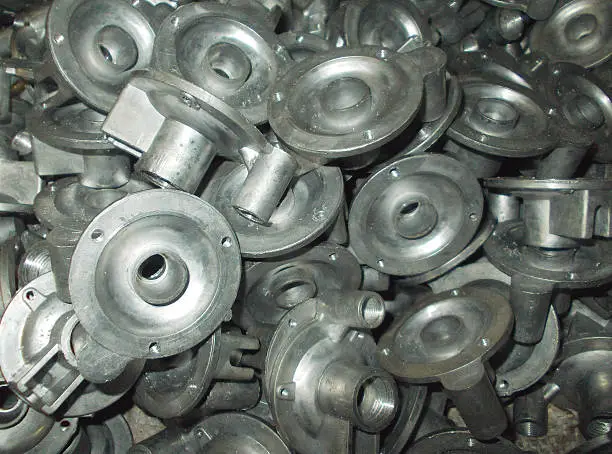
A pressurized holding furnace is linked directly to the mold by a lift tube lined with refractory material. This is how the low pressure casting method works. As the pressure inside the sealed furnace room slowly rises, molten magnesium or aluminum alloy rises through the feed tube and into the mold space above. This managed fill rate keeps the laminar flow characteristics, which stops metal splashes and air bubbles that happen with regular gravity filling methods.
The controlled speed of metal entry is what makes this method different from high pressure die casting. HPDC injects material at speeds of more than 40 meters per second, while low pressure methods fill at controlled speeds of 0.5 to 2 meters per second. This kinder method keeps the melt clean while letting the resin-bonded sand cores stay in place inside the mold. This lets complex internal shapes be created that would not be possible with strong injection forces.
Material Selection and Metallurgical Advantages
For low pressure uses, aluminum alloys like A356 and A357, which contain silicon and magnesium, are most common. These metals react very well to T6 heat treatment methods, which include solution treatment followed by artificial aging. They can reach maximum tensile strengths of about 310 MPa and elongation values higher than 8%. These mechanical qualities come straight from the microstructure being dense and low in pores, which is created when steady feeding pressure makes up for solidification shrinkage.
Since there is no disturbance during cavity filling in low pressure casting, oxide films stay on the furnace surface without being moved and don't get mixed in with the casting. Automotive engineering teams notice this benefit right away: parts can be put through pressure tests without showing any secret flaws that might not be found until they fail in the field. In this process, magnesium alloys like AZ91D also work well, which can help reduce weight in aircraft uses where every gram counts.
Mold Design Considerations
For low pressure work, permanent steel molds need careful temperature control. Engineers set up cooling pathways to create directional solidification patterns. This way, the feed line stays liquid for the longest time, while the remote casting parts freeze first. This difference in temperature lets the pressurized furnace tank keep feeding, which stops centerline shrinking in thick-walled sections.
Die coats help parts come out of the mold and control the rate at which heat moves between surfaces. Ceramic-based refractory washes slow down cooling at key points, stopping early solidification that would block the flow of material. Molds can be used between 30,000 and 50,000 times if they are well taken care of. This is a lot longer than gravity casting fixed molds, which break down when they are heated up during ladle pouring.
Quality Control Protocols
The metallurgical benefits of this way of making things are proven by strict testing processes. Radiographic examination according to ASTM E155 standards shows that the inside is sound. For aircraft parts, acceptance factors usually require Level 1 quality grades. At Fudebao Technology, our plant uses digital X-ray tools that give us instant feedback and find any problems with feeding or gas porosity before the parts go through the machining process.
Pressure decay leak testing makes sure that fluid-handling parts have the airtight integrity they need. In these tests, low pressure castings always do better than sand or gravity cast options because they have a more polished grain structure and fewer holes. Chemical spectral analysis checks the makeup of alloys in real time to make sure that the iron content stays below 0.15% and that the amounts of strontium modification are just right for improving the material's flexibility.
Benefits of Low Pressure Die Casting over Other Methods
Comparison with High Pressure Die Casting
Knowing the main differences between these methods helps buying teams choose the best ways to make things. When cycle speed is more important than mechanical strength, high pressure die casting is the best way to make thin-walled cases and housings for consumer goods. But the rough metal drilling makes turbulence that holds gases, so the parts can't be heated because they could blister during solution treatment.
low pressure casting has longer cycle times—usually 90 to 180 seconds compared to 30 seconds for HPDC—but it makes parts that can be fully heated and meet structural load standards. When engineering managers look at suspension parts or motor housings, they quickly notice this trade-off: the slightly higher piece costs are worth it because the materials are better and last longer under dynamic loading conditions.
The ways that tools break down in these situations are very different. Extreme speeds and pressures in HPDC speed up erosion at gate areas and moving cores, which means that repair needs to be done more often. Low pressure operations use softer forces that make dies last a lot longer. This lowers the total cost of ownership for production programs that make hundreds of thousands of units.
Advantages Over Gravity and Sand Casting
Traditional gravity casting only uses hydraulic head to fill molds and doesn't have a way to account for shrinking during solidification. It's necessary to use big risers and feeds, which lowers the material output to 50–60% and raises the cost of finishing. Low pressure casting gets rid of these outside pools, which raises yield rates above 90% because any metal left in the feed tube just drains back into the furnace when the pressure drops.
Sand casting can be used for very large parts and one-of-a-kind samples, but it's hard to keep the same dimensions from one production batch to the next. Defects caused by moisture, mold wear, and parting line flash need a lot of final work. When low pressure work is done, permanent steel tools are used. These tools have better surface finishes (Ra 3.2 to 6.3 micrometers) and keep tighter standards (usually ISO 8062 CT6-CT7 grades).
Competitive Position Against Specialty Processes
Investment casting has very good surface quality and precise dimensions, but it costs a lot, which is only really worth it for complicated medical implants and aircraft frames. Production rates are still pretty low, so this route isn't good for making a lot of cars. Low pressure casting fills in the blanks: it can produce parts with enough accuracy for most uses while also keeping up with the demand cycles of the industry.
By applying pressure during solidification, squeeze casting makes parts with mechanical qualities that are similar to those of forged parts. But complicated tools and long processing times keep it from being widely used outside of niche markets where performance supports the costs. Low pressure versions that use vacuum help reduce porosity in the same way, but they require less expensive equipment, which makes them appealing for common uses in cars and factories.
Quality, efficiency, and scalability are all well-balanced in low pressure technology, making it the best choice for OEM buying teams that need to keep costs down while keeping high quality standards. This way of making things always meets the PPAP paperwork standards and long-term dependability standards that are important for success in controlled industries.
Industrial Applications of Low Pressure Die Casting
Automotive Structural Components
Wheels made of aluminum metal are the most common use of this casting method in the world. The process makes spoke designs that are very complicated while keeping the dense microstructure that is needed to resist impact loads from road dangers. Pressure-tight wheel designs stop air from escaping slowly, and a smooth surface lets you do powder coating and grinding without a lot of prep work.
As automakers try to make cars lighter, more and more suspension parts, like control arms and steering knuckles, are made from low pressure casting solutions. During the life of a car, these safety-critical parts are put through millions of stress cycles, which requires consistent materials and an internal structure that doesn't have any flaws. Because low pressure aluminum alloys can be fully heated, T6 tempers can be used to get the strength-to-weight ratios needed for efforts to make frames lighter.
Aerospace and Defense Requirements
For aircraft structural braces and bulkhead fittings, strict quality control measures are needed, such as keeping track of materials and keeping records of non-destructive tests. Low pressure methods have controlled filling that reduces the number of inclusion flaws that could cause fatigue cracks to form during pressurization cycles. When treated correctly, aerospace-grade A357 alloy casts often reach mechanical qualities that are similar to those of wrought metal.
Lightweight magnesium molds are used to make helicopter gearbox housings and structural parts for unmanned aerial vehicles (UAVs) via low pressure casting. The ability to carry more weight and stay in the air longer is directly related to the weight saves. Because low pressure filling reduces turbulence, it stops the oxide film flaws that are especially bad for reactive magnesium metals. To get rid of heat, aluminum castings are also good for electronics boxes, which need to block electromagnetic waves and move heat well.
Quality directors in aerospace procurement carefully look at the certifications and process controls of suppliers. Fudebao Technology's AS9100 quality control system carefully handles these issues, giving parts that go into flight-critical applications the documentation and traceability they need. Statistical process control charts keep track of the rates of cooling and the filling pressure curves during each production cycle. This makes sure that each batch is the same.
Industrial Machinery and Power Equipment
The ability of low pressure castings to keep out pressure is useful for pump housings used in hydraulic systems and coolant movement. By getting rid of feeding-related porosity, parts can safely hold fluids under working pressures without leaking or breaking down completely. Collapsible cores are used to make complex internal passages that improve fluid flow while minimizing pressure drops that make the system less efficient.
To make sure the bearings fit properly, compressor bodies and gearbox housings need to be precisely measured and kept at a constant temperature while they are in use. Controlled solidification creates a finer grain structure that makes the material easier to machine. This makes it possible to achieve bearing seat errors of less than 0.05mm during precise boring and facing operations. Surface finish quality right from the mold often gets rid of the need for additional grinding steps, which cuts down on wait times for manufacturing.
Electronics and Energy Sector Components
The housings of power transfer tools need to keep electricity from getting to live parts and move heat away from them. Aluminum casts are great at both of these jobs because they have a thermal conductivity of about 150 W/m·K, which makes passive cooling easier. When alloys are properly specified, they don't rust, so they last a long time in outdoor sites that are subject to harsh weather.
Cast aluminum is being used more and more in renewable energy uses, like solar tracker housings and wind turbine frame components, because it has a good strength-to-weight ratio and can be recycled. Large format casts up to 500 mm in size are hard to do with traditional gravity methods, but they can still be done with low pressure technology and ovens and fill systems that are the right size.
LED lights heat sinks show how this casting method can be used for large customer and business markets. Automated cutting cells can finish thousands of units every day with little tool wear because the surfaces are smooth and the sizes are always the same. Design changes happen quickly because fixed mold changes are a lot cheaper than high pressure die tooling changes.
Procurement Guide for Low Pressure Die Casting Solutions
Supplier Selection Criteria
Evaluating tools is the first step in figuring out a person's technical abilities. These days' low pressure machines have adjustable pressure curves that are managed by PID loops. This lets them precisely control the filling speed. Suppliers who use tools from well-known companies like LPM Group or Kurtz show that they are dedicated to process control. The capacity of the furnace and the automation of mold handling show how much output volume you can handle based on your program's needs.
Expertise in metalworking is what sets good foundries apart from great partners. Engineering teams with a lot of knowledge are needed to make unique alloy compositions, find the best heat treatment processes, and fix casting flaws. Ask for case studies that show how they solved problems on projects like yours. References from present customers in your business can tell you a lot about how responsive and consistent the quality of a seller is.
Certification files show how mature an organization is and how committed it is to its customers. IATF 16949 registration shows that a vehicle quality system is being used, and ISO 9001 registration gives you basic trust. Specialized certifications, such as AS9100 for aerospace or ISO 13485 for medical equipment, show that the person has knowledge in the field that is useful for meeting legal requirements. Fudebao Technology's many licenses show that we can work with a wide range of regulated businesses and provide high quality low pressure casting services.
Cost Factors and ROI Analysis
The casting machine, holding furnace, mold handling systems, heat treatment powers, and low pressure casting are some of the pieces of equipment that were bought for in-house production. When you compare the total cost of installation to the expected output rate, you can find the break-even points, which usually require long-term commitments. Contract production gets rid of the need for up-front cash, but it adds costs per piece and makes the supply chain more complicated.
Investing in a mold comes with high program start-up costs that depend on the complexity of the part and the tolerances that need to be met. Simple tools with only one cavity might not cost too much, but multi-cavity molds with complicated core systems and tight physical controls cost a lot more. When you spread out the cost of tools over their expected lifetime amounts, you get accurate piece cost estimates that help you decide whether to make or buy something.
Outsourcing Versus In-House Production
When a product is still being developed and the design is being changed a lot, manufacturing freedom is better for contract relationships. Established foundry partners cover the costs of mold modifications and keep their technical know-how to handle casting problems. This method shortens the time it takes to get a product to market while delaying capital investments until the amount of production calls for specific equipment.
Some OEMs move towards vertical integration because they want to better control the supply chain and protect their intellectual property. In-house production may be needed for sensitive defense uses or custom alloy formulas. The choice depends on how important the manufacturing technology is for strategic difference against a focus on core competencies like product creation and market development.
Conclusion
Modern industry needs high-quality metals, accurate measurements, and fast production. low pressure casting meets these needs. This tested technology is used in fields where parts failing is still not acceptable, like aircraft brackets that have to meet strict safety standards and car chassis parts that have to withstand millions of stress cycles. Low pressure casting is the best option for important metal parts due to its balanced benefits over other casting techniques, including improved material properties compared to high pressure die casting, better accuracy compared to sand casting, and lower costs.
FAQ
1. What minimum wall thickness can low pressure die casting achieve?
The process consistently makes walls that are between 2.5 mm and 3 mm thick, based on how fluid the metal is and how far it flows. These sizes are good for most structural uses, even though they are a bit bigger than what high pressure die casting can handle. To make sure the right amount of material is fed during solidification, complex shapes with sections of different thicknesses need to be carefully analyzed thermally. Our engineering team helps with planning and making sure that the geometry of parts is optimized for successful low pressure casting production.
2. Can this method work with hollow parts inside?
When resin-bonded sand cores are put in before the mold is closed, they make complicated internal passages that could not be made with solid tools alone. Controlled low pressures—up to about 1 bar at its highest—keep the core from crushing, which would happen in high pressure die casting. This capability enables cooling jackets in EV motor housings and fluid passages in hydraulic manifolds. Core manufacturing and removal add steps to the process, but they also unlock design possibilities justifying the additional complexity.
3. How does casting quality compare between different methods?
Radiographic examination always shows that low pressure castings are more structurally sound than gravity or sand cast options. When parts are properly handled, the laminar filling and continuous feeding pressure during solidification pretty much get rid of shrinking porosity. With low pressure castings getting mechanical properties close to premium permanent mold and investment cast levels at more advantageous production costs and lead times, heat treatment response shows material quality.
Partner with a Leading Low Pressure Casting Manufacturer
In competitive markets, the success of a product depends on how well its manufacturing partners are chosen. Fudebao Technology has been specializing in casting aluminum alloys, copper alloys, and stainless steel for 20 years. We offer high-quality services to the automobile, industrial equipment, aircraft, and machinery industries. Our Zhejiang plant has low pressure casting machines, high-speed CNC machining centers, and a wide range of finishing options. It can handle the whole production chain, from molten metal to precision-machined parts.
We keep dimensional tolerances to ±0.05mm, which meets the strict needs of medical equipment housings, automobile precision parts, and industry parts where quality can't be compromised. From making a pilot to mass production, our engineering team works closely with your design and purchasing teams to make sure the best results. Traditional broker models are being replaced by direct partnerships with customers. These models make costs clear and communication fast throughout the lifecycles of programs. For inquiries or project discussions, please contact us at hank.shen@fdbcasting.com.
References
1. American Foundry Society. (2021). Aluminum Casting Technology: Permanent Mold and Low Pressure Processes. Des Plaines: AFS Publications.
2. Campbell, J. (2015). Complete Casting Handbook: Metal Casting Processes, Metallurgy, Techniques and Design (2nd ed.). Oxford: Butterworth-Heinemann.
3. Kaufman, J. G., & Rooy, E. L. (2004). Aluminum Alloy Castings: Properties, Processes, and Applications. Materials Park: ASM International.
4. Bonollo, F., Urban, J., Bonatto, B., & Botter, M. (2005). Gravity and Low Pressure Die Casting of Aluminium Alloys: A Technical and Economical Benchmark. La Metallurgia Italiana, 97(6), 23-32.
5. Hafiz, M. F., & Kobayashi, T. (1996). Microstructure and Mechanical Properties Comparison Between High and Low Pressure Die Cast Al-Si Alloys. Journal of Materials Processing Technology, 58(1), 200-207.
6. Zhang, L., Lv, X., Zhai, Y., & Wang, B. (2019). Advanced Manufacturing Processes for Automotive Aluminum Structural Components. Automotive Innovation, 2(3), 195-212.



YOU MAY LIKE
_1756352472762.webp "steel threaded plug")
_1756352400994.webp "chassis enclosure")
_1756346668222.webp "Aluminum castings Decorative buckles")