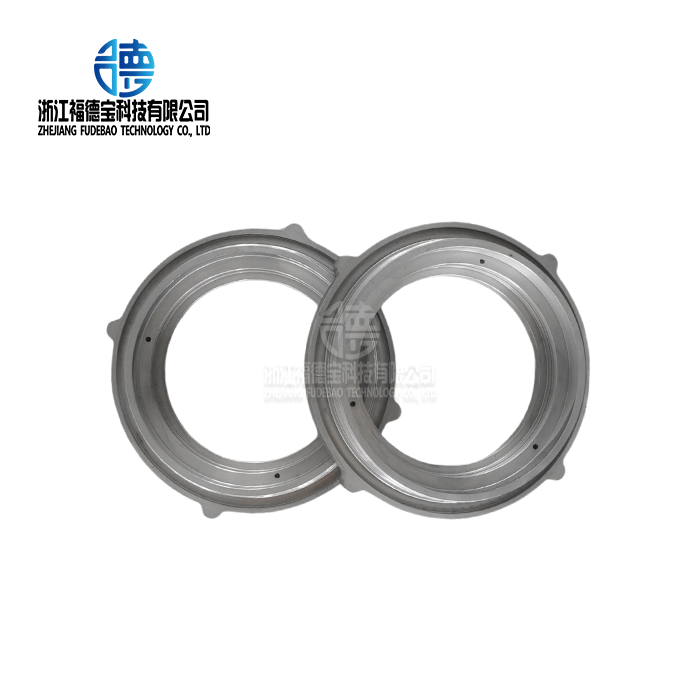
What is the Minimum Thickness for Aluminum Die Casting?
2026-05-19
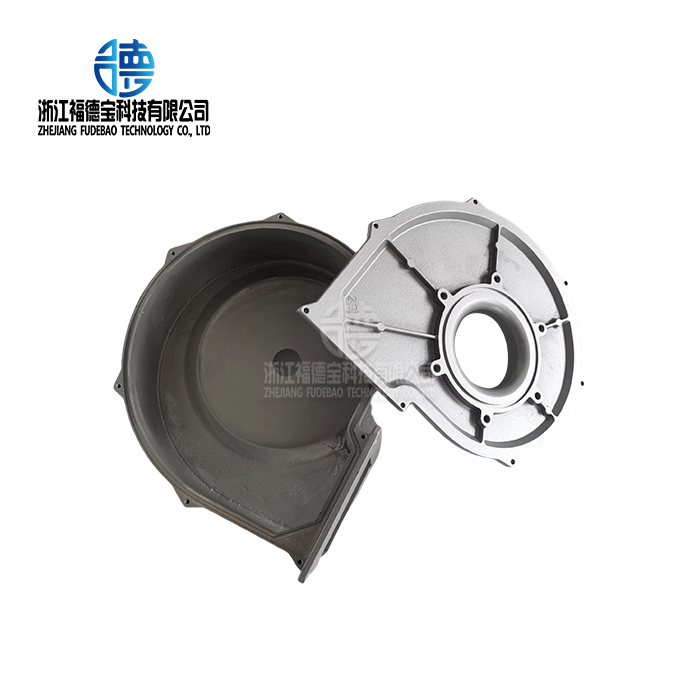
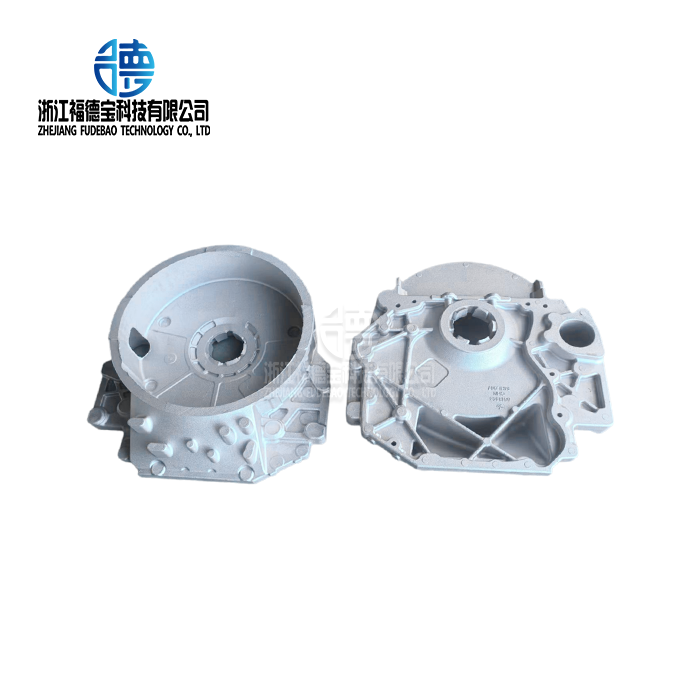
One basic question that often comes up when engineering teams are asked to describe parts for high-performance uses is: what is the smallest wall thickness that can be achieved in aluminum die casting? The answer is usually between 1.5mm and 2.5mm, but it varies a lot on the alloy used, the shape of the part, and the production factors. Because molten aluminum is poured under high pressure (often more than 20,000 psi), even in complicated shapes, the mold cavity is completely filled. This makes aluminum die casting great for making thin-walled sections. This feature solves some of the biggest problems in the business, like making parts lighter so they use less fuel in cars, cutting down on material use to save money, and keeping structures strong in harsh conditions. When buying workers know these thickness factors, they can work better with providers and design teams.

Understanding Minimum Thickness in Aluminum Die Casting
When casting metal, the minimum width is the smallest cross-section that can be safely made without lowering the strength or adding flaws. This measure has a direct effect on how well a product works in many areas, from keeping electronics cool to making sure that car parts last a long time.
Factors Defining Minimum Thickness Standards
The thinnest die cast parts that can be made depend on a number of technical factors. The makeup of the alloy is very important. For example, A380 and ADC12 alloys, which are both widely used in high-pressure die casting, flow differently because they have different amounts of silicon. Higher silicon amounts make the material more fluid, which lets smaller pieces be made. The details of the die design are just as important as the temperature control, gate placement, and venting systems that make sure the molten metal gets to the thin parts far away before it solidifies too quickly.
Another important part is the cooling rate. Rapid cooling in thin walls can leave behind stress and tiny holes, which weakens their mechanical qualities. Industry standards like ISO 8062 and NADCA specifications give general directions, but the actual limits change depending on the needs of the product. Transmission housings for cars might be fine with a thickness of 2 mm, but solid parts for spacecraft might need 3 mm to be resistant to wear.
How Thickness Impacts Product Performance?
Thin-walled molds have real benefits, but they also come with some technical problems. Less mass directly leads to lighter weight. For example, cutting the width of an engine bracket by 20% can save hundreds of grams per car, which helps meet fuel economy goals. Thinner parts are better at conducting heat, which makes them perfect for use as heat sinks in power circuits.
But problems with structural stability start to show up below a certain point. Walls that are less than 1.5 mm may not be fully filled, which can lead to cold shuts or gaps that act as stress concentrators. During release from the die, it gets harder to keep the dimensions stable, especially on big flat areas that tend to warp. We often suggest adding ribs and gussets during the design process to strengthen thin parts without making them much heavier. This way, we can balance the use of materials efficiently with performance needs.
How the Aluminum Die Casting Process Influences Minimum Thickness?
The high-pressure aluminum die casting method changes the bare minimums of sizes that can be used in production settings. Unlike sand casting or gravity die casting, this method pushes liquid aluminum into steel molds at speeds of more than 40 meters per second. This makes it possible and impossible to do certain things.
Process Stages and Their Impact on Thin Walls
Injection of metal marks the start of the key part. As runners and gates let liquid aluminum into the die hole, there must be enough pressure to push the material into thin edges before it starts to solidify. It is very important to calibrate the shot velocity. If it is too slow, the liquid can freeze too soon, and if it is too fast, it can cause turbulence and catch air. Modern die casting tools that can check the pressure in real time help makers make the most of this window.
The way solidification works in thick and thin parts is very different. Thin walls freeze very quickly, sometimes in milliseconds, which locks in the nanostructures before the gas bubbles can leave. This difference in time between thick and thin areas next to each other causes shrinking stress, which could lead to warping when the material cools. Foundries with a lot of experience make up for this by placing thicker parts carefully so that they act as feeders for thin walls next to them.
Common Defects in Thin-Section Castings
The most common flaw in thin-walled aluminum products is still porosity. Without the right process controls, gas porosity and shrinking holes often show up when the wall thickness falls below 1.8 mm. These flaws inside the material lower its tensile strength and make it easier for pressure-tight parts like hydraulic valve bodies to leak.
When metal fronts meet but don't bond properly, this is called cold shuts or misruns. This means that the filling isn't full. This flaw is more likely to happen as the flow distance grows compared to the wall thickness. For example, a 200mm flow path into a 1.5mm wall needs careful control of the temperature and pressure. Surface flaws like bubbles and solder marks also happen more often in thin parts because gas gets trapped against the die surface.
Effective design techniques can lower these risks. Adding draft angles between 1-3 degrees makes it easier to eject the part and lessens the distortion of the dimensions. Adding curves to the corners gets rid of places where stress builds up. Strategic rib placement—usually between 60 and 80% of the standard wall thickness—increases stiffness without adding a lot of mass. This lets designers choose thinner base walls without affecting the structure's performance.
Comparative Analysis: Aluminum Die Casting Minimum Thickness Versus Other Casting Methods
When it comes to the wall thickness, surface finish, and mechanical qualities that can be achieved, each casting technology is unique. Knowing these differences helps buying professionals choose the best ways to make things that meet performance requirements and stay within price. This is especially evident when comparing traditional methods vs. aluminum die casting.
Aluminum Die Casting Versus Traditional Methods
For aluminum alloys, the walls of sand castings usually need to be at least 4 mm thick. Because the molding pressure is lower and the fill rate is slower in sand casting, the sections need to be larger to make sure that the mold is fully filled and that the parts are strong enough. The quality of the surface finish is still worse, and it often needs a lot of work to be done on it, which adds to the lead time and costs. Dimensional errors are usually around ±0.5mm, while in aluminum die casting they can be as low as ±0.1mm.
Gravity die casting, which is also known as fixed mold casting, is in the middle of high-pressure aluminum die casting and sand casting. Minimum widths are between 3mm and 4mm. The surface finish is better than with sand casting, but the accuracy of the dimensions is worse than with HPDC. The process works well for medium-volume production where tooling costs need to be kept low, but it doesn't have the thin-wall capability that is needed for weight-sensitive aircraft and car uses.
Material Comparisons: Zinc and Magnesium Alternatives
Because zinc has a lower melting point and flows better than aluminum, it is possible to make walls that are even thinner than aluminum, sometimes below 1 mm. Zinc, on the other hand, is not good for lightweighting because it is more dense than aluminum (7.1 g/cm³ vs. 2.7 g/cm³). Although magnesium die casting has a higher density (1.8 g/cm³) and can make walls as thin as 1.2 mm, it isn't widely used outside of high-end car and electronics uses because it costs more and needs to be handled in a certain way.
Aluminum is the perfect weight. Alloys like A380 are great for casting because they let walls be between 1.5 and 2 mm thick while still being resistant to rust and having a reasonable strength. Post-casting heat treatments like T5 and T6 improve mechanical qualities even more. This makes it possible for thin-walled aluminum parts to meet the strict load-bearing needs of transportation and industrial machines.
Procurement Considerations for Minimum Thickness Aluminum Die Cast Parts
To find thin-walled aluminum castings, you need to carefully evaluate suppliers and do a clear cost analysis for aluminum die casting projects. The technical difficulty of making thin parts without any flaws separates makers who are good at what they do from those who aren't.
Evaluating Supplier Capabilities
Manufacturers that focus on thin-wall casts usually have to meet certain requirements. IATF 16949 certification means that the quality systems are up to the standards for the car industry. This is important for parts that need PPAP paperwork and statistical process control. ISO 9001 certification is a basic way to make sure of quality, while AS9100 certification is important for aircraft uses that need to be able to track all materials and use advanced inspection methods.
The ability to produce things should be closely looked at. Does the provider have the 400-ton or more die casting machines that are needed for big thin-walled housings? Can they keep the die temperatures within ±5°C to make sure the fill patterns are always the same? Modern factories buy real-time X-ray screening systems that can find internal porosity without damaging the thin-section. This is very important for making sure that the consistency of each production batch is the same.
Having experience with thin-wall shapes that are similar lowers the risk in a real way. Ask for case studies that show how parts with similar thickness-to-size ratios have been delivered successfully. Our engineering team at Fudebao Technology has made transmission housings for cars with 2mm walls and 300mm widths that meet measurement tolerances of ±0.05mm by designing the dies better and keeping an eye on the process parameters.
Lead Times and Minimum Order Quantities
Thin-walled castings often need special tooling development, which adds 8 to 12 weeks to the original lead time for making the die and sending out samples. Part complexity goes up as it gets more complicated. For example, thin sections with deep pockets or undercuts need multi-slide dies or hydraulic cores, which adds to the lead time and the cost of the tools.
The economics of amortizing tools are reflected in minimum order numbers. For parts with a standard thickness, 1,000 pieces might be enough to support a production run. For thin-wall parts that need special tools, 5,000 to 10,000 units may be needed to get competitive per-piece prices. Buying teams should talk about expected volumes right away, since providers may be willing to work with smaller amounts for prototypes before committing to full production.
Pricing Models and Cost Drivers
It's clear that thinner walls use less material, but this savings could be cancelled out by higher failure rates during production quality. Tooling prices usually go up by 15 to 30 percent for thin-walled designs because of the need for tighter tolerances, better cooling systems, and more frequent upkeep. Suppliers should give clear breakdowns that show the prices of materials, the wear and tear on tools, and handling fees.
When you buy more than 10,000 units a year, you can get big savings because the cost of the tools is spread out over a bigger number of units. Added steps like CNC machining, surface cleaning, and checking also have an effect on the total landing costs. To correctly compare supplier offers and avoid unexpected costs during production ramp-up, we suggest asking for quotes that cover everything from blanks to finished parts.
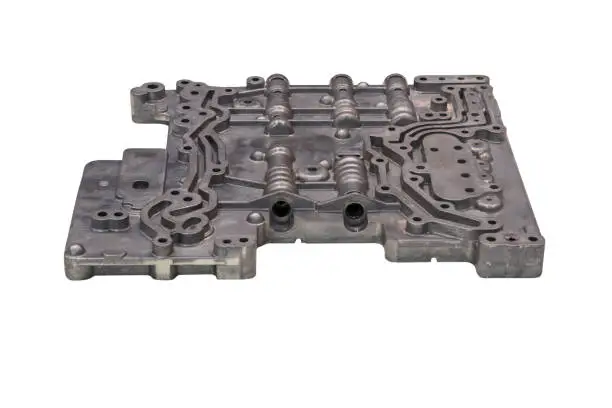
Ensuring Quality and Longevity in Thin-Wall Aluminum Die Casting
Thin-section aluminum die casting quality assurance methods keep expensive refunds and problems in the field at bay. Advanced screening technologies and the right surface processes make sure that parts meet performance requirements for the whole time they are in use.
Advanced Inspection Technologies
Radiography with X-rays is still the best way to find flaws inside thin-walled casts. Today's digital systems can show porosity as small as 0.2 mm in diameter. This lets quality teams set standards for what to accept or reject based on the size and location of defects. This non-destructive way works especially well for pressure-tight parts where even small holes inside could let air out.
Ultrasonic testing can be used in addition to X-rays to find flaws on a flat surface, like cold shuts, that X-rays might miss. Computed tomography (CT) scans can map out defects in three dimensions, but because it is more expensive, it is usually only used for first-article inspection and failure analysis and not for regular production tracking. Coordinate measuring machines (CMM) are used for dimensional checking to make sure that thin walls stay the right thickness all the way across the part. This finds problems with die wear before they lead to a lot of rejects.
Surface Finishing for Enhanced Performance
Anodizing makes a thick oxide layer that makes corrosion protection much better. This is especially important for thin-walled parts where rust loss makes up a bigger part of the thickness. Type II anodizing adds a protective covering of 5 to 25 microns without changing the size of the part much, making it good for parts with tight specs. Type III hardcoat anodizing makes things less likely to wear down, which is good for thin-walled housings that are put under a lot of stress during assembly.
Powder coating is great for protecting against rust and making things look nice, but the thickness of the covering (50–100 microns) needs to be taken into account when planning for dimensions. Chemical conversion coating is a thinner option (0.5 to 1 micron), and it can be used as a finish on its own or as a base for painting later. Different finishing methods have different effects on thin-wall soundness. Anodizing makes the wall a little more brittle, while powder coating's curing cycle could cause thermal stress if temperature changes aren't carefully controlled.
Handling and Maintenance Best Practices
When putting together and transporting thin-walled models, they need to be handled carefully so they don't bend. Custom packing with foam inserts or vacuum-formed trays keeps loads from becoming permanently warped when they are stacked. Instead of putting all the stress on thin parts, binding forces should be spread out across areas that are stronger.
Thinner material stocks should be taken into account in maintenance plans. In car uses, vibration tracking can help find cracks before they spread, and regular visual checking can catch surface corrosion early. Giving your assembly partners handling instructions will help keep parts from getting damaged during installation. This will protect both the performance of the parts and your company's image for quality.
Conclusion
To find the best minimum width for aluminum die casting, you have to balance what is technically possible with what is needed in terms of performance and cost. For most industry uses, walls between 1.5 mm and 2.5 mm are the bare minimum. However, these limits can be pushed or shifted by certain metals, geometries, and quality standards. The high-pressure aluminum die casting process makes it possible to make thinner parts than other ways, which has real benefits for weight reduction and material efficiency. To be successful in procurement, you need to choose providers with proven thin-wall knowledge, clear pricing models, and strong quality systems. Using ribs and the right draft angles in a strategic way increases structure stability while reducing mass. Advanced inspection technologies and the right surface processes protect your investment throughout the duration of the product by making it reliable over time in harsh settings.
FAQ
What is the thinnest wall that can be made in an aluminum die casting?
When highly flexible metals like A380 are used in the right way and the tools are optimized, walls as thin as 1.2 mm have been made in small, simple shapes. But 1.5 mm is a more realistic minimum for production settings that need to be consistent and have low failure rates. Parts with complicated shapes, deep pockets, or long flow lengths usually need at least 2 mm to make sure they fill reliably and have good mechanical properties across production amounts in aluminum die casting.
How does minimum thickness affect structural integrity?
Walls that are thinner have less breaking stiffness and can't hold as much weight. A 2mm wall is about half as rigid against bending as a 3mm wall, which means that small parts are more likely to bend when they are loaded. Engineers make up for it by strategically placing ribs and optimizing the geometry, which keeps the structure's function while keeping the weight saves. During the planning process, finite element analysis finds areas of high stress. This lets you add reinforcements exactly where they are needed instead of making the whole thing thicker.
What effect do smaller walls have on wait times and costs?
Thinner parts usually mean less money spent on materials, but they may cause more rejects during production qualification, which can temporarily raise the cost of each piece. The cost of die life increases as tools get more complicated and need to be maintained more often. As process factors are tweaked to get uniform quality, lead times get longer during the first sampling. Once production is steady, thin-wall parts usually cost less per unit because they use less material and can be made faster because they solidify faster.
Partner with Fudebao Technology for Precision Thin-Wall Aluminum Die Casting
Zhejiang Fudebao Technology is the best aluminum die casting company in China. They have cutting edge CNC machining centers, high-pressure aluminum die casting machines, and low-pressure casting systems. Our combined center handles the whole production process, from melting the metal to treating the surface. It makes precision thin-wall parts with tolerances of up to 0.05 mm. We work with global players in the electrical, industrial, and automobile sectors to make thin-section castings that are accurate in size and quality every time. Together with your design team, our engineering team finds the best wall thickness specs by matching goals to reduce weight with structural needs and cost considerations. We offer full help, from PPAP paperwork to ongoing quality tracking, whether you need small quantities for a prototype or large quantities for a production run. Get in touch with Hank Shen at hank.shen@fdbcasting.com to talk about your thin-wall aluminum die casting needs and find out how our approved services can help you with your purchase.
References
North American Die Casting Association (NADCA). Product Specification Standards for Die Castings Produced by the Semi-Solid and Squeeze Casting Processes, 2019 Edition.
American Foundry Society. Aluminum Casting Technology: Design and Manufacturing Principles, Second Edition, 2018.
International Organization for Standardization. ISO 8062-3:2007 Geometrical Product Specifications (GPS) - Dimensional and Geometrical Tolerances for Moulded Parts.
Kaufman, J. Gilbert and Rooy, Elwin L. Aluminum Alloy Castings: Properties, Processes, and Applications, ASM International, 2004.
Society of Automotive Engineers. SAE J452: General Information - Chemical Compositions, Mechanical and Physical Properties of SAE Aluminum Casting Alloys, 2020 Revision.
Das, Swarup. Casting Design and Performance, ASM International Materials Park, Ohio, 2017.



YOU MAY LIKE
_1756347888208.webp "New energy motor shell")
_1756348543350.webp "Automotive Turbine Casting")