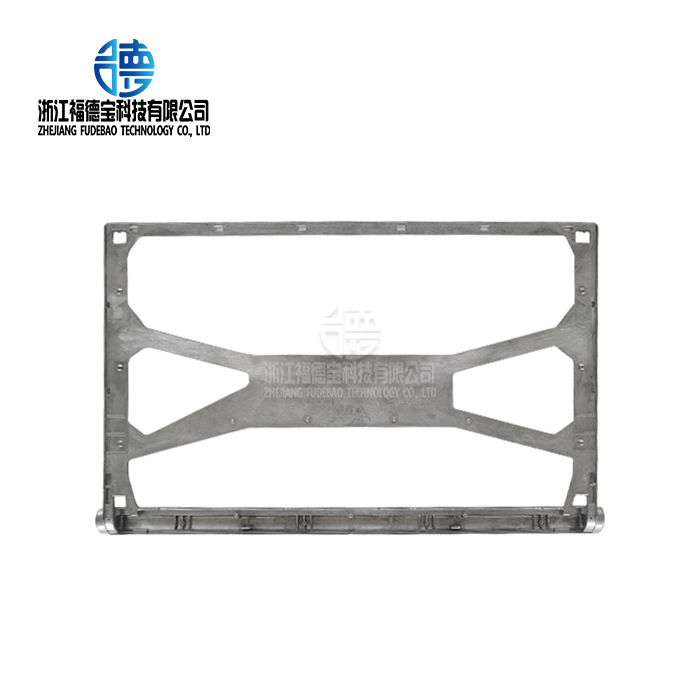
How Long Does Sand Casting Take?
2026-05-19
Knowing how long it takes to make a part is very important when making your next order. It can make or break your project schedule. From making the first design to delivering the finished part, sand casting can take anywhere from 2 to 12 weeks, based on how complicated the part is, how big the batch is, and what the foundry can do. This metal shaping method is very flexible because it uses bonded sand mixtures to make moulds that can be used over and over again for everything from prototype runs to large production volumes. This makes it a great choice when dealing with complicated shapes, heavy castings, or specific alloy needs that other methods can't easily meet.
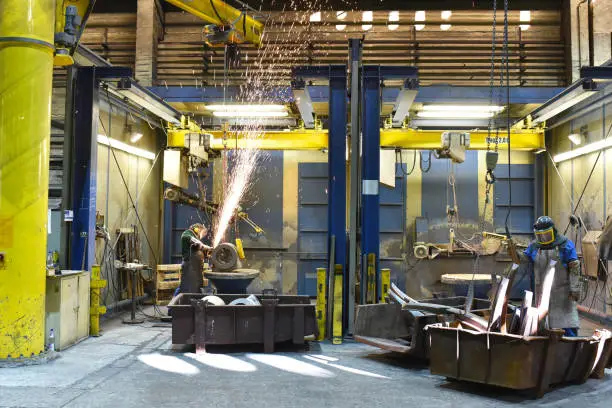
Understanding Sand Casting Process Duration
For engineering managers and buying teams today, sand casting is still one of the most flexible ways to make things. There are different steps in the process, and each one adds to the total timeline in a measured way.
The Complete Workflow Breakdown
The first step is to make a pattern, which turns your drawing into a real template. designs made from traditional wood might take one to three weeks to make, but designs made from modern 3D printers can be made in just three to five days. This basic step has a direct effect on everything that comes after it, especially when precise measurements are needed for parts like housings for cars or pumps in factories.
To prepare the mould, you have to pack specially made sand around the design to make the hole. Green sand moulds, which are made with clay and water as binding, can be made pretty quickly—often in just a few hours for simple patterns. Resin-bonded systems need more time to cure, usually between 2 and 8 hours based on the chemical mix, but they give better surface finish and control over dimensions, which mechanical engineers like when they have to stick to very tight standards.
Pouring and Solidification Realities
The metal filling process only takes a few minutes, but you have to be patient during the cooling phase. Aluminium casts that weigh less than 10 pounds may harden in 30 minutes to two hours, but steel parts that weigh more than 500 pounds may need to be cooled down slowly for 24 to 48 hours to keep them from breaking and putting too much stress on the inside. Quality teams know that this step can't be rushed without affecting the integrity of the metal, which is something they look at when they evaluate the skills of suppliers.
Finishing steps like shaking, cleaning, heat treating, and cutting can take an extra 3 to 10 days, based on the needs. Parts for cars that need PPAP paperwork need more review time, and parts for spacecraft need strict testing methods that add to the wait time but make sure they can be tracked and meet certification requirements.
Key Factors Affecting Sand Casting Lead Time
How quickly your parts go from idea to finish depends on a lot of different factors. Being aware of these factors helps sourcing directors set reasonable goals and discuss delivery times successfully.
Design Complexity and Tooling Requirements
When there are complicated internal tunnels or undercuts, the core systems need to be very complicated, which takes more time for both pattern development and mould assembly. A basic bracket might only need a two-part mould that can be put together in twenty minutes. On the other hand, a multi-cavity gearbox housing with cooling channels inside could need two to three hours of careful core placement and mould close preparation.
Pattern longevity is also important. Metal patterns can be used over and over again, but they take 4 to 8 weeks to make for production runs. Resin-printed patterns, on the other hand, can be used for 10 to 50 pulls and are faster for prototypes. Instead of using traditional methods, buying teams have been able to start projects 40% faster by choosing pattern materials that match their real volume needs.
Material Selection and Thermal Characteristics
It has a direct effect on cycle times because aluminium alloys cool much faster than heavy metals. An A356 aluminium sand casting can be deformed in an hour, but malleable iron needs to be cooled for a long time in order for the nodular graphite to form properly. These deadlines are set by your material needs—housings for power equipment that needs certain conductivity properties can't give up controlled cooling rates, no matter what the plan pressure is.
Type of sand also makes changes that can be measured. Chromite and zircon sands are better at withstanding high temperatures for pours, but they cost more and may take longer to get. Silica sand is still easy to find and can be used for most non-ferrous tasks. This makes it possible to start projects faster when materials are limited.
Production Volume Considerations
Foundries can often make prototypes of 1 to 10 pieces faster than you might think—sometimes in just two to three weeks if you need them to be done quickly. When you need to make 100 to 1000 or more units, specialised moulding lines and established processes can help, but you'll need to coordinate schedules, which can add one to two weeks to the beginning of your timeline.
Batch processing makes things more interesting. It takes a lot more time to split 200 pump housings into four different orders of 50 pieces spread out over months than to make them all in one production campaign. When it's possible, strategic buying managers combine needs, which saves money and makes sure that deadlines are met.
Comparing Traditional vs. Advanced Sand Casting Methods
A lot has changed in the casting business since many engineers learned about the old ways of doing things in materials classes many years ago. With these new ideas, you can cut down on the time it takes to do things without giving up the main benefits that make sand casting useful.
Conventional Process Characteristics
Moulding, pattern handling, and finishing are all tasks that are usually done by hand in traditional foundries. A skilled molder might make 8–12 moulds per shift for parts with a middle level of complexity. Variations in quality can cause reject rates to reach 5–8% for parts with difficult shapes. These wastes add up—each refused casting needs to be remoulded, poured again, and given more finishing time, which delays deliveries.
Another delay is making cores by hand. Making complicated sand cores by hand requires skilled workers whose availability and speed slow down the process. We have records of cases where core production became the limiting factor, adding two to three weeks to the total project timeline even though melting and moulding capacity was sufficient.
Modern Automation Advantages
These factors change a lot when automated moulding lines are used. Horizontal or vertical moulding tools can make anywhere from 60 to 200 moulds per hour with great accuracy, almost completely getting rid of the differences in size that happen when doing things by hand. When making structure frames, where every piece has to meet the same requirements so that they can all fit together on an assembly line, this level of consistency is very important.
Pattern and core production are changing a lot because of additive manufacturing. With direct sand printing, moulds can be made without any models at all. This cuts the time it takes from design to mould from weeks to days. One car supplier cut the time it took to make a prototype from six weeks to twelve days by using 3D sand printing. This sped up design approval steps that used to take months of time.
Robotic finishing systems work on casts with preset accuracy, getting rid of gates and peaks much faster than grinding by hand while still preparing the surface evenly. The shorter work hours directly lead to shorter ending times—for medium-complexity parts, this step is often cut from 5 days to 2 days.
How to Optimize Sand Casting Timelines for Your Project?
Projects that meet tight targets are different from those that fail because of delays and high costs to speed up the work. These tried-and-true methods help procurement workers and engineering managers regularly meet their deadlines.
Early Supplier Engagement
Starting talks with sand casting partners during the design phase instead of after the plans are finished saves a lot of time and trouble. During pattern trials, experienced casting providers look for problems like false changes in wall thickness, poor draft angles, and difficult coring requirements that can lead to costly delays.
We suggest sharing early CAD models four to six weeks before the official RFQ release. This joint method lets suppliers give feedback on how well the design can be made, while your team keeps the freedom to make changes to the design. Technical procurement experts who use this method say that compared to standard over-the-wall engineering handoffs, there are 30% fewer review cycles and a measurable 30% shorter time to production.
Design for Manufacturability Principles
Simplifying parting lines greatly speeds up the process of making moulds. Each extra splitting plane makes things more complicated, takes longer to put together, and increases the chance that something will not line up correctly. When the design allows it, lining up parts so that they have straight splitting lines instead of complicated three-dimensional separations can cut the time it takes to prepare the mould by 20 to 40 percent.
Standardising core measurements across part families also saves time and money. Using the same core box tooling for multiple parts spreads out the cost of the tools and cuts down on setup differences that slow down production. When manufacturers of industrial tools use this approach across all of their product lines, they save money and have more scheduling options than their competitors.
Quality Planning That Prevents Rework
Setting clear acceptance standards before production starts gets rid of the confusion that leads to delays in inspections and disagreements over rejections. Dimensional requirements, surface finish specs, accepted porosity levels, and checking methods should all be written down and agreed upon by both parties. For tolerance grades, it's better to use industry standards like ISO 8062 instead of vague terms that could mean different things.
When you use in-process checks, you find problems early, when fixing them is least disruptive. If you check the first-article castings before starting full-batch production, you won't find routine problems after hundreds of parts have been poured, cooled, and finished, which would be a headache and would add 3–4 weeks to your critical path for fixing the problem.
When to Choose Sand Casting and When to Consider Alternatives?
Knowing when sand casting works best and when other methods are better lets you make smart choices about manufacturing that fit the needs and limitations of your individual project.
Sand Casting's Competitive Sweet Spots
When large parts are needed, sand casting is the best method. When your design calls for pump housings that weigh more than 100 pounds, gearbox parts that weigh close to 500 pounds, or structural elements that weigh several tonnes, sand casting can be used instead of die casting, which is either too expensive or technically impossible because of the limited press tonnage.
Another strength is that the internal shapes are very complicated. To make complicated cooling paths inside engine parts or internal manifolding inside valve bodies, you need sand cores that dissolve or break away after they harden. Solid tooling methods can't do this. When aerospace engineers need lightweight structural casts with internal support ribs, they always come back to sand casting because it can be used in so many different shapes.
Material versatility matters when specifications demand high-melting-point metals. Casting steel, stainless steel, or special copper alloys with melting points above 1400°C don't pose a problem for sand moulds that are made to handle these temperatures. However, permanent mould processes have problems with tool life and thermal cycling that make them more expensive and limit the materials they can use.
Alternative Process Considerations
The surface finish and margins of investment casting are better than those of sand casting, usually reaching ISO 8062 CT4–CT7 grades instead of CT10–CT13 grades. If your part doesn't need to be machined much and the as-cast sides are close to the final size, investment casting is worth looking into, even though it usually costs more per piece and takes 8 to 12 weeks to make a pattern.
Die making is a very fast way to make a lot of things quickly. Once the equipment is finished, which usually takes 12 to 16 weeks for complicated dies, cycle times of 2 to 5 minutes per part allow daily production levels that are too high for sand casting to be cost-effective. Automobile companies that make tens of thousands of similar housings every year find die casting to be a good investment, even though it requires a big initial investment.
In an interesting middle ground, low-pressure casting combines metal tools that can be used more than once with controlled fill features that lower the risk of cavities. Manufacturers of electrical equipment that casts aluminium motor housings often choose this method for making 500 to 5000 pieces per year, which is too few for die casting tools but too many for sand casting, which has problems with differences between pieces.

Conclusion
Sand casting timelines show a mix between the basics of the process and current ways of making things. Knowing the normal range of 2 to 12 weeks for projects like yours and the specific factors that affect where your project falls in that range helps you make sensible plans and work well with your suppliers. Pattern creation, mould complexity, casting size, cooling needs, and finishing requirements all have a measurable effect on the total time it takes to make something. Modern foundries that use robotics, additive manufacturing, and rigors quality control can turn around jobs much faster than older ones, but they still have the geometric and material freedom that makes sand casting useful. Strategic procurement teams keep deadlines short by involving suppliers early on, designing things so they can be made, and communicating clear specifications so there aren't any expensive redo processes.
FAQ
How long does pattern making typically take?
Pattern making times change a lot depending on the method used and how complicated the pattern is. Depending on how complicated the geometry is, traditional wooden patterns take one to three weeks to make. Machined aluminium patterns, on the other hand, take two to four weeks but last longer for production runs. These days, 3D-printed patterns make this step much faster; they can often be finished in 3–5 days, which is great for testing prototypes or for low-volume needs where pattern wear is not a problem.
What factors most significantly impact cooling time?
Cooling time is affected by the width of the casting piece, its total mass, and the alloy that is used. Thin-wall aluminium parts that weigh less than 5 pounds may harden in 30 to 60 minutes, but heavy steel casts that weigh more than 200 pounds may need to be cooled down slowly for 24 to 48 hours to avoid internal pressures. Foundries can't speed up this step without risking metallic flaws that weaken the mechanical properties. Procurement teams that care about quality know this and plan their purchases around it instead of putting pressure on suppliers to get around it.
Can digital technologies reduce sand casting lead times?
Of course. With 3D sand printing, there is no need to make patterns at all, which cuts development times from 4 to 6 weeks to often less than 2 weeks. Digital pattern files let you make quick changes to designs without having to wait for real pattern repair. Simulation software guesses how fill and solidification will behave, so mistakes can be found during virtual tests instead of after costly physical casts show problems. Once progressive foundries start using these technologies, they consistently finish projects 30 to 40 percent faster than usual.
Partner with Fudebao Technology for Precision Sand Casting Solutions
Zhejiang Fudebao Technology Co., Ltd. has decades of experience making castings out of aluminium alloy, copper alloy, and stainless steel for tough jobs in the car, industrial equipment, and machinery production industries. Our building has everything from melting to surface treatment. It has high-speed machining centres, CNC lathes, low-pressure casting machines, and die casting tools that can be precise to ±0.05mm. As a sand casting company that wants to provide all-in-one solutions, we use both traditional foundry skills and modern technology to help you get your projects done faster and better without lowering the quality standards. Get in touch with hank.shen@fdbcasting.com right away to talk about your unique needs and find out how our proven skills can help you make your supply chain more reliable.
References
American Foundry Society, "Sand Casting Process Guidelines and Timeline Standards," Metalcasting Industry Journal, 2022.
Campbell, J., "Complete Casting Handbook: Metal Casting Processes, Metallurgy, Techniques and Design," Butterworth-Heinemann, 2nd Edition, 2021.
Steel Founders' Society of America, "Sand Casting Engineering Manual," Technical Publication 8-2020.
Modern Casting Magazine, "Survey of Lead Times and Production Efficiency in North American Foundries," Annual Industry Report, 2023.
Brown, J.R., "Foseco Ferrous Foundryman's Handbook," Butterworth-Heinemann, 11th Edition, 2020.
International Journal of Metalcasting, "Advances in Sand Casting Technology and Process Optimization," Volume 17, Issue 3, 2023.



_1756346371362.webp "separator housing")
_1756348543350.webp "Automotive Turbine Casting")
_1756352561845.webp "stainless steel blanking plug")
_1756352472762.webp "steel threaded plug")
_1756349957728.webp "metric v belt pulley")
_1756348356531.webp "Automobile engine oil pan")