What is Sand Casting Used to Make?
2026-05-11
By putting liquid metal into expendable sand molds, sand casting makes a huge variety of metal parts, from complex engine blocks for cars that weigh hundreds of pounds to huge industrial pump housings that weigh over several tons. This way of making things works with complicated shapes and a wide range of metals, like aluminum, iron, steel, and copper. It is the mainstay of modern metalworking in industries like aircraft, heavy machinery, cars, and planes. Die casting needs expensive fixed tools, but sand casting can be used for both low-volume prototypes and medium-volume production at a low cost. This makes it possible to solve important industrial problems when the design is complicated and the budget is limited.
Understanding Sand Casting and Its Core Applications
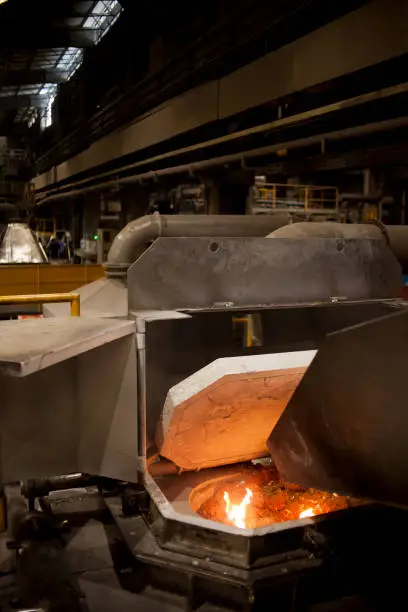
For sand casting, bonded sand mixes are used to make temporary molds with designs that can be used again and again. Engineers start the process by making a pattern of the part they want to make. This design is usually made of wood, metal, or plastic. Workers in the foundry carefully remove the carefully prepared sand that was packed around this design and then pour molten metal into the hole that was left. When the metal cools and hardens, the sand mold comes off, showing the final casting.
Green Sand vs. Resin Sand Techniques
There are two main ways that sand casting processes are done today. For green sand casting, clay and water are used to make molds that stay slightly damp while metal is poured into them. This method works well for mass production where standard deviations are acceptable. It has short run times and is cheaper. Chemical fillers, usually furan or phenolic substances, are used in resin sand casting. The molds are cured at room temperature, making them more stable and giving them a better finish. When your project needs smaller or tighter limits, resin sand gives the mold the strength it needs to stay in place when hot metal presses on it.
Material Selection for Optimal Performance
Choosing the right casting material has a direct effect on how long a part lasts and how well it works. Most of the time, aluminum alloys are used in places where strength is needed but weight is low, like in car powertrains and electrical housings. For gearbox cases and machine bases, gray iron is the best material for reducing vibrations and making parts that can be machined. Steel castings can handle a lot of mechanical stress in the frames of big equipment, and copper alloys are the best at conducting electricity for power transfer parts. When experienced foundries create molds using sand casting, they take into account that different materials have different melting points, shrinking rates, and abilities to be machined after casting.
Typical Sand Casting Products Across Industries
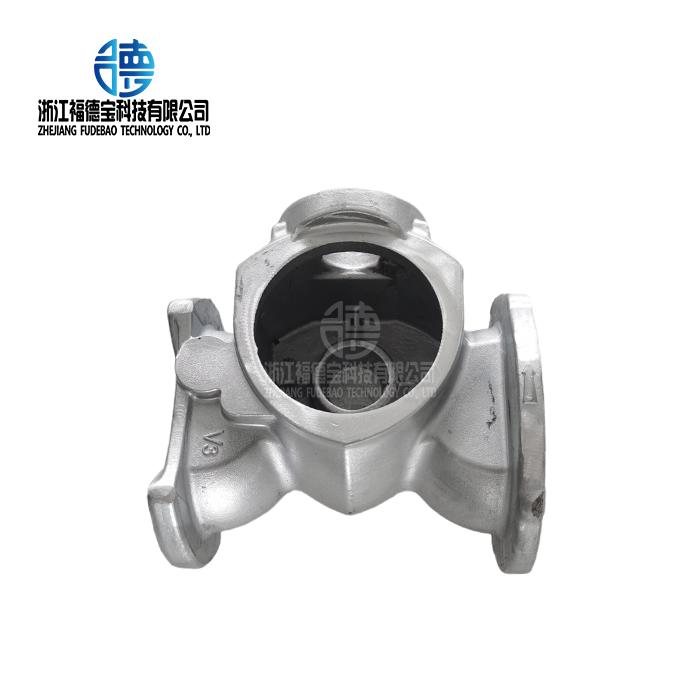
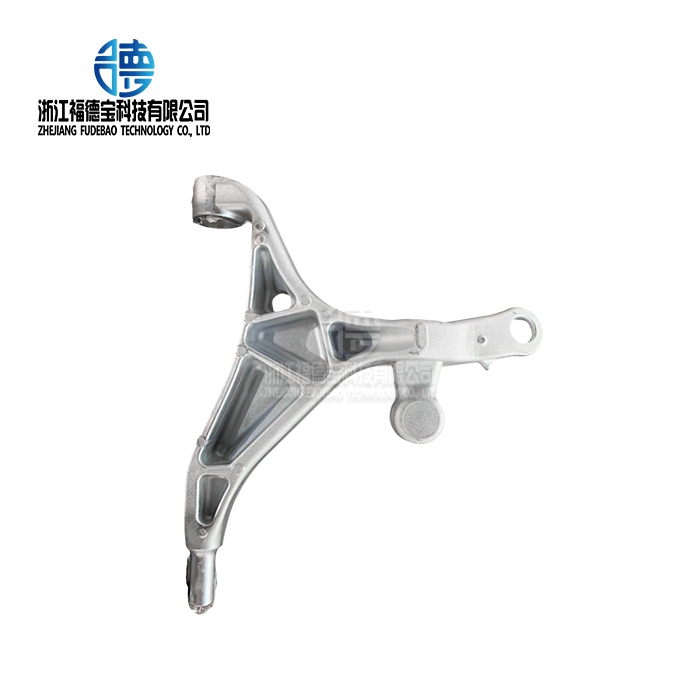
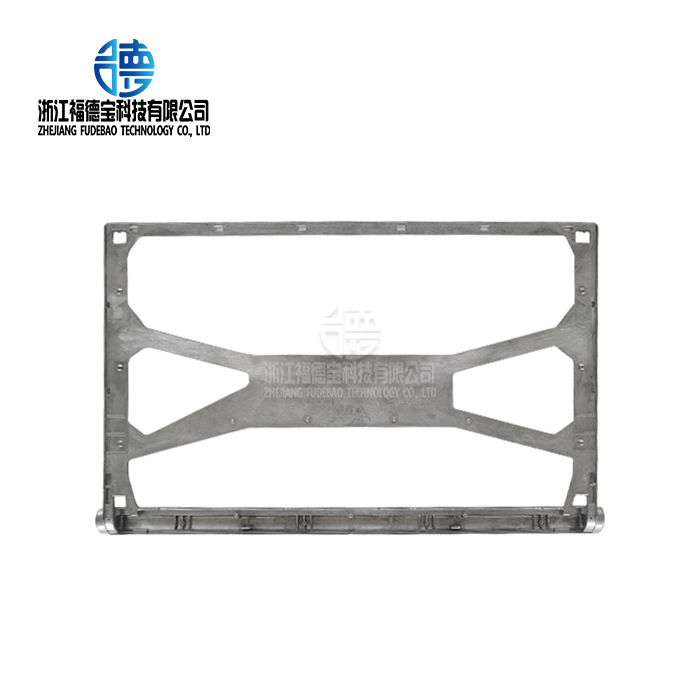
The flexibility of sand casting is clear when you look at the range of products it can make. Automakers use this method to make engine blocks with complicated cooling channels, transmission housings with complicated internal shapes, and suspension parts that need to be very resistant to wear. Aerospace makers work with strict safety standards to reduce the weight of structural frames and landing gear parts. Sand casting is used in the industrial sector for pump bodies that handle corrosive fluids, compressor housings that have to withstand constant temperature cycles, and valve bodies that need to be pressure-tight. The process can be used for more than just useful purposes, as shown by the fact that it can be used to make building elements like decorative panels and historical restoration pieces.
Key Advantages and Challenges of Sand Casting in Manufacturing
When manufacturing leaders choose metal forming methods, they look at a number of factors. For some production cases, sand casting is a very good option. When engineering teams know both the product's strengths and weaknesses, they can make buying decisions that are in line with the needs of the project.
Economic Benefits for Production Flexibility
When you use sand casting, you don't have to buy expensive hardened steel dies up front like you do when you use die casting or injection molding. Pattern tooling costs usually make up 20 to 40 percent of permanent mold costs. This means that sand casting is a good way to save money for production runs of 50 to 5,000 units per year. This cost structure works especially well during the growth stages of a product, when design changes happen a lot. We've seen sourcing teams cut the time it takes to get a product to market by 30–45 percent by using sand casting to test prototypes before investing in high-volume manufacturing tools. Casting weights range from just a few ounces for precision instrument parts to over 100 tons for ship engine blocks, all within the same basic process framework. This means that the process can handle a wide range of sizes that other methods can't.
Navigating Quality Control Challenges
Even though sand casting has some benefits, it needs careful quality control to avoid common problems. Gas porosity happens when stored air or moisture makes bubbles in metal as it hardens, which weakens the structure and makes it less resistant to pressure. This risk can be reduced by controlling how permeable the sand is and setting up the right drainage pathways. Inclusions, which are foreign bits stuck in the casting, come from mold wear or slag leftovers. This means that the gating system needs to be carefully designed and the metal needs to be filtered. Shrinkage flaws show up when molten metal cools and shrinks, especially in thick parts that aren't fed enough. Foundries with a lot of experience deal with these problems by using modeling software to guess how the metal will solidify, strategically placing risers to make up for the loss of volume, and strict inspection processes for new materials that come in.
Comparative Analysis with Alternative Casting Methods
When sand casting is up against die casting, investment casting, or fixed mold methods, the best choice is based on certain factors. Die casting is great for making a lot of things (10,000 or more) with very tight tolerances of ±0.1mm, but it can only use zinc, aluminum, and magnesium metals that have lower freezing points. Investment casting produces better surface finishes and finer details, but each part costs a lot more, which is why it's mostly used for medical and aircraft parts. Sand casting is in the middle. It can be used with a variety of materials, including high-melting-point metals like steel and titanium, can handle complex inner cores, and can still be cost-effective at medium production levels. The normal range of dimensional tolerances in ISO 8062 CT10 to CT13 meets the needs of most industrial uses. To meet final standards, important surfaces are CNC machined after casting.
How Sand Casting Serves Diverse Industry Needs?
To address industrial issues specific to their respective industries, various industries use sand casting's special powers. By looking at real-world examples, we can see how this process can be changed to fit different speed needs and legal settings.
Automotive Manufacturing Applications
Powertrains in cars need parts that can handle high temperature changes and mechanical stress over the course of more than 150,000 miles. Aluminum alloys like A356 and A319 are used to make engine blocks. These blocks have complex cooling pathways that are made by carefully positioning sand cores during molding. These internal pathways move coolant around the combustion chambers to keep them from getting too hot and to keep the engine's weight as low as possible, which is important for meeting CAFE standards for fuel economy. The ability of sand casting to produce complex internal shapes that can accommodate gear assemblies, bearing pockets, and lubrication lines in a single casting is also useful for making transmission housings. The greater fatigue resistance of ductile iron is used in suspension parts like steering knuckles and control arms, and mounting bosses and support ribs can be added during sand casting to better distribute stress.
Aerospace and Defense Requirements
When it comes to manufacturing, aerospace uses have the strictest quality standards. They need full material traceability, proof of non-destructive tests, and compliance with AS9100 approval frameworks. The mix of light weight and high strength-to-weight ratios makes sand-cast aluminum parts necessary for many parts of an airplane, from landing gear supports to engine mount pieces. Defense companies use sand casting to make parts for military power and armored vehicles that need to be able to survive being hit by a bullet and being exposed to harsh conditions. Foundries that work with this industry keep their buildings at a constant temperature, use statistical process control at every stage of production, and keep casting samples for years after they've been delivered for mechanical analysis. Because sand casting can be used to cast titanium alloys, which don't rust and stay strong at high temperatures, sand casting is the only way to go for some aircraft uses, even though titanium has a difficult melting point above 1,650°C.
Industrial Equipment and Heavy Machinery
Sand casting is used to make parts for construction and mining tools that can withstand shock loads, constant vibration, and abrasive wear. Excavator counterweights made of gray iron give the machine the mass it needs to be stable and have lifting lugs and fastening ports built into them all in one piece. Gearbox housings for wind turbines show how sand casting can be used on a large scale. Units weighing up to 15 tons have precision-machined bearing holes and oil storage holes. Sand casting allows for the volute shapes and impeller clearances necessary for hydraulic efficiency, so pump makers use corrosion-resistant metals like duplex stainless steel for chemical processing uses. A lot of the time, these industrial castings go through heat treatment steps like annealing or stress relieving that change the qualities of the metal to meet certain standards for hardness or ductility.
Electrical and Energy Sector Components
Sand-cast parts that are both electrically conductive and mechanically durable are used in power supply and distribution structures. Motor housings made of aluminum metals get rid of the heat that is produced when the motor is running all the time. They also protect the internal windings from electromagnetic fields and damage. Copper alloy castings are used in high-current electrical links and generator parts, where reducing resistance losses has a direct effect on how well the system works. Renewable energy uses have their own problems. For example, solar tracking systems need casts that can withstand UV damage and extreme temperatures. Hydroelectric turbine parts need to be able to handle cavitation erosion from fast-moving water. Manufacturers of electrical equipment like sand casting because it lets them add features like mounting bosses, wire entry ports, and ventilation that make assembly and upkeep easier over the span of the equipment.
Optimizing Sand Casting Procurement for Your Business
A successful buying process involves judging possible foundry partners based on more than just their price quotes. When engineering managers and procurement leaders know about these rating factors, quality, delivery reliability, and the total cost of ownership all go up.
Supplier Qualification Criteria
Certification standards give third parties proof of a foundry's skills and quality control systems. ISO 9001 certification shows basic quality management practices. ISO/TS 16949 (now IATF 16949) certification, on the other hand, is more specific and covers standards for the car industry, such as PPAP documentation and advanced product quality planning. Aerospace providers must keep their AS9100 certification up to date by following strict rules for change control and traceability. In addition to licenses, you should also look at the foundries' tools. Modern factories have 3D-printed sand molds for quick prototypes, automatic pouring systems that make it easier for machines to do the work, and coordinate measuring machines for making sure the sizes are correct. Ask for case studies that show experience with similar parts, making sure to look at the grade of the material, the level of complexity, and the annual number that fits your project's needs.
Managing Production Timelines and Logistics
There are different stages in the lead time for sand casting jobs. Pattern development usually takes between two and six weeks, based on how complicated it is and what production method is chosen. CNC-machined patterns are more accurate, while 3D-printed patterns speed up prototype iterations. Preparing the mold and casting the first models takes one to three weeks. Another week is needed for dimensional checking and any heat treatment that needs to be done. Production runs range from 50 to 500 units per week, depending on the size of the casting and how much space is available in the foundry. Clear communication about delivery goals keeps production from stopping. Set clear acceptance criteria up front, use stage-gate approval processes for first article inspection, and talk about extra inventory for critical path components. When you source internationally, you have to think about things like shipping methods, customs paperwork, and quality hold points that you don't have to when you source domestically.
Pricing Strategies and Volume Economics
The prices for sand casting include both set costs for the tools and changeable costs per piece. Pattern tooling is a one-time cost that can be anywhere from $2,000 for easy shapes to $20,000 for complicated multi-core systems. Costs per piece include the cost of raw materials, sand, labor, energy used for melting, and overhead. Above 500 units per year, volume savings become important because setup times are spread out over longer production runs and buying materials in bulk saves money. Ask for detailed quotes that break down the piece price and amortization of the tools. This will let you compare sellers accurately and make smart choices about how much to buy. Some foundries offer consignment tooling agreements, in which they keep ownership of the pattern in return for volume promises. This lowers the amount of money you need to pay up front and locks in stable prices.
Conclusion
Metal parts for cars, aeroplanes, factories, and energy plants are still made with sand casting, which is an essential manufacturing process. Its unique mix of design freedom, material versatility, and economic growth makes it useful for solving problems that other methods can't. Quality management needs skill and attention to detail. Our experienced foundry partners meet strict requirements by using advanced process controls and testing methods to produce parts that meet those requirements. As the manufacturing industry embraces digital transformation and sustainability efforts, procurement teams that build strategic relationships with suppliers and keep up with technological changes set their companies up to continue doing well in global markets that are becoming more competitive.
FAQ
1. What dimensional tolerances can sand casting achieve?
Dimensional limits for sand casting are usually between ISO 8062 CT10 and CT13, which is equal to about ±0.5mm to ±2mm, based on the size and shape of the casting. On the looser end of this range are green sand methods, while on the tighter end are resin sand methods. Post-casting CNC machining is almost always used to get final specs of ±0.05mm or better for critical measurements that need to fit perfectly. In the as-cast state, surface finishes run from 6.3 to 12.5 Ra (microns). When needed, machined surfaces can reach below 1.6 Ra.
2. How does sand casting compare cost-wise to die casting?
Patterns for sand casting are usually 20–40% of the cost of die casting molds, so it's a cost-effective way to make things when you only need to make a few thousand units a year. Die casting is more cost-effective above 10,000 pieces because it has faster cycle times and less labor per piece, even though the tools often cost more than $50,000. It's also important to look at how flexible the materials are, since sand casting can work with high-melting-point metals like steel while die casting can't.
3. What minimum wall thickness is practical for sand castings?
The minimum wall thickness that is practical relies on the metal chosen and the size of the casting. Non-ferrous metals, like aluminum, need walls that are 3 to 5 mm thick, while ferrous metals need walls that are 5 to 9 mm thick to keep them from solidifying too quickly before the mold holes are fully filled. Thinner parts are more likely to have cold shuts, which happen when metal streams freeze before they can fully merge. This can leave weak spots or gaps in the geometry. During the quoting process, experienced foundries give you design directions that are specific to your material and part dimensions.
Partner with Fudebao Technology for Precision Sand Casting Solutions
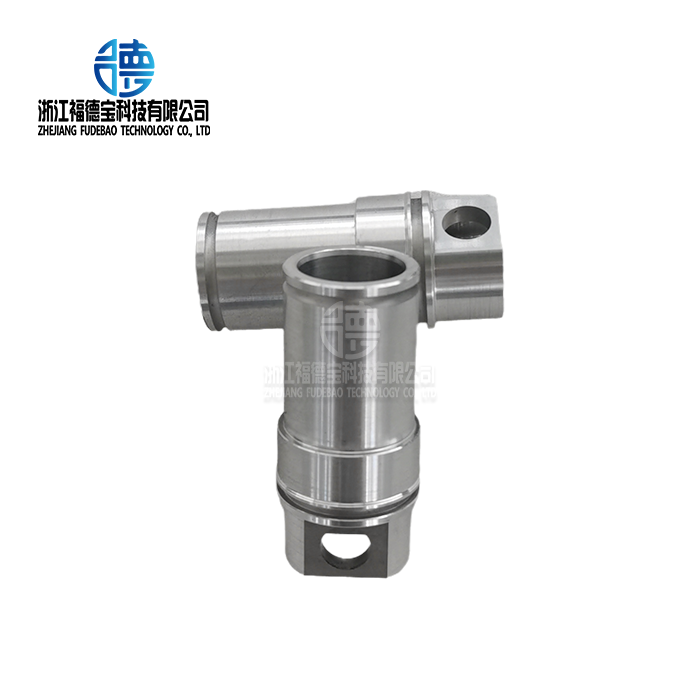
Fudebao Technology is a trusted sand casting source for manufacturers because it can work with a wide range of metals, including aluminum, copper, and stainless steel alloys. Our Zhejiang plant has low-pressure casting machines, die casting equipment, and high-speed CNC machining centers that work together to make finished parts that are accurate to within 0.05 mm. This means that we don't have to work with multiple providers. We help automakers and companies that make industrial tools by controlling the whole process, from melting to finishing the surface, and our quality systems meet international standards. By emailing hank.shen@fdbcasting.com, engineering managers can talk about project-specific needs such as PPAP documentation, timelines for prototype development, and pricing structures for large orders. Our technical team will respond quickly and provide support that fits your production schedules and performance requirements.
References
1. American Foundry Society. (2021). Casting Process Fundamentals: Sand Casting Technologies and Applications. Schaumburg: AFS Publications.
2. Campbell, J. (2015). Complete Casting Handbook: Metal Casting Processes, Metallurgy, Techniques and Design (2nd ed.). Oxford: Butterworth-Heinemann.
3. Beeley, P. R., & Smart, R. F. (1995). Foundry Technology. Oxford: Newnes.
4. International Organization for Standardization. (2019). ISO 8062-3:2007 - Geometrical Product Specifications (GPS) — Dimensional and geometrical tolerances for moulded parts.
5. Stefanescu, D. M. (2015). ASM Handbook, Volume 15: Casting. Materials Park: ASM International.
6. Brown, J. R. (2000). Foseco Ferrous Foundryman's Handbook (11th ed.). Oxford: Butterworth-Heinemann.



YOU MAY LIKE
_1756348356531.webp "Automobile engine oil pan")