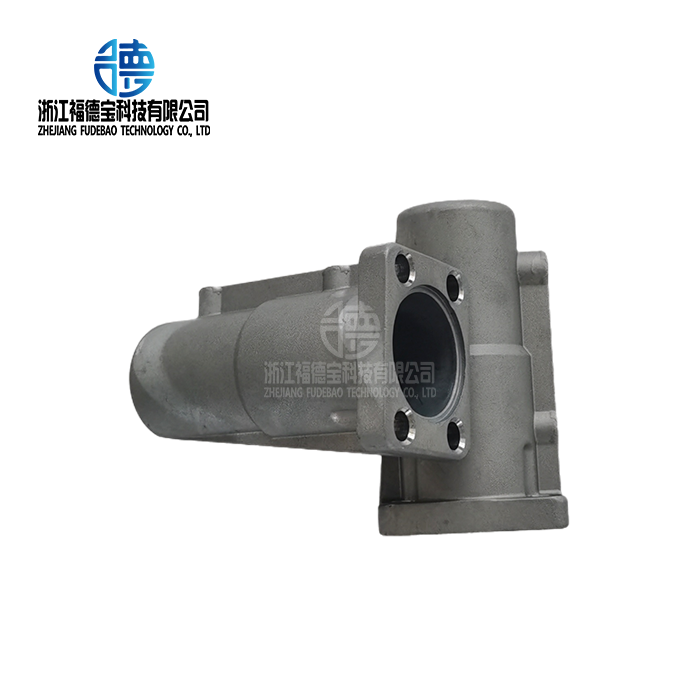
Copper Casting: A Powerful Manufacturing Method for Precision Parts
2026-05-11
Copper casting is an advanced metalworking method in which molten copper or copper alloys like brass, bronze, and cupronickel are put into carefully designed molds to make parts that need to be very accurate in size and perfectly work every time. This method solves important manufacturing problems in the electrical, automobile, and industrial sectors by making it possible to make complicated geometries that are better at conducting heat, conducting electricity, and resisting corrosion. Unlike traditional machining from solid billets, copper casting allows for nearly net-shape production while keeping the necessary limits for high-performance uses in naval equipment, power distribution, and precision machinery.
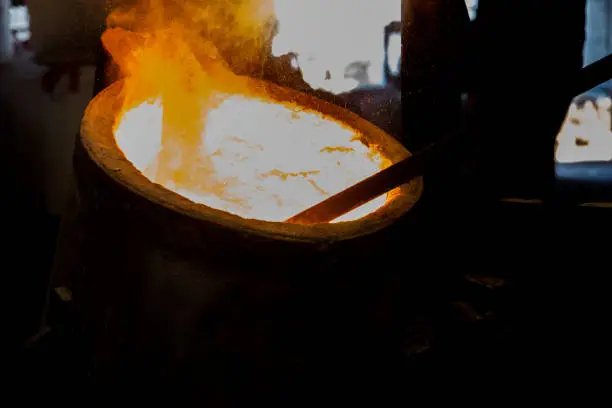
Understanding Copper Casting: Process and Techniques
The basic steps for making a copper casting start with carefully preparing the mold and making designs that exactly match the part's requirements. Having worked in foundries for foreign names, we know that controlling the temperature during the melting process has a direct effect on the structure of the material's grains and its mechanical properties. Copper melts at about 1,984°F (1,085°C), so it needs to be carefully watched to keep it from oxidizing and to make sure it stays strong.
Sand Casting for Versatile Production
Sand casting is still the most flexible way to make medium to large copper parts with a modest level of complexity. Packing sand around designs to make mold holes is how this method works. It allows for a range of batch sizes, from small ones for prototypes to medium-sized production runs. The sand mixture, which is usually silica bound with clay, can handle the heat of the molten metal while letting gases escape, which stops flaws from happening inside. Dimensional errors usually fall between ±0.010" and ±0.030", based on the size of the part. This method works well for making housings for industrial machines and big electrical boxes, since further CNC machining can make them even more precise.
Investment Casting for Complex Geometries
Investment casting, also called lost-wax casting, is a great way to make complex copper parts with tight tolerances of just ±0.005". Copper casting, using this investment casting process, works by covering wax patterns with a ceramic slurry that hardens to form precise molds. The wax is then heated off, and molten copper fills the cavity to replicate even the tiniest details. This method is especially useful for electrical connectors, valve parts, and aerospace fittings that need to have internal passages and complex external features that would be too expensive to machine. It can be used with alloys ranging from pure copper to specialized bronzes, each chosen for its specific conductivity or strength needs.
Centrifugal and Permanent Mold Methods
Centrifugal casting uses rotational forces to push molten copper against the walls of the mold, making cylindrical parts like bushings and bearing sleeves that are dense and have few holes. Permanent mold casting uses reusable metal molds for high-volume production, making sure that the quality of thousands of identical parts stays the same. Both methods lower the cost per unit while keeping the material properties needed for wear-resistant uses in industrial equipment.
Keeping an eye on the temperature during the cooling process stops thermal stress cracks and makes sure that the microstructure is uniform. These days, foundries use computerized process tracking to keep track of cooling rates and guess what the metal will do before they check it physically.
Comparing Copper Casting with Other Metal Casting Methods
Choosing the right material has a big impact on how well a part works in harsh industrial settings. When engineering teams look at casting choices, they need to think about more than just the initial cost of production.
Copper Alloys Versus Aluminum
Aluminum die casting is most common in automotive applications because it is lightweight, but copper-based alloys perform better when electrical conductivity and thermal dissipation are important. Pure copper conducts electricity at almost 100% IACS (International Annealed Copper Standard), while aluminum only conducts electricity at 61% IACS. This difference in conductivity directly leads to less resistive heating and better energy efficiency in power distribution switchgear and electric motor terminals. Copper castings also maintain their shape better when temperatures change, which is important for precise electrical connections that are subject to thermal cycling.
However, aluminum's lower density (2.7 g/cm³ vs. 8.9 g/cm³) makes it better for structural parts in cars where weight loss affects fuel efficiency. The choice of material depends on whether weight loss or functional performance under electrical or thermal loads is more important.
Bronze and Brass Performance Characteristics
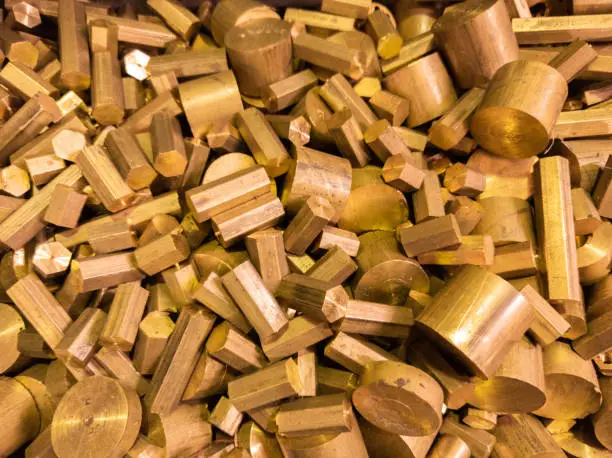
Copper can be used in more situations because bronze alloys (copper-tin) and brass alloys (copper-zinc) have better mechanical properties. For example, aluminum bronze castings resist corrosion in seawater better than stainless steel, which is why they are the standard for marine propellers and underwater valve bodies. These alloys keep their strength under compressive loads and have self-lubricating properties that lower friction in bearing applications. Copper Casting also fits within this scope.
Leaded brass casts machine very well, giving you better surface finishes for precision fittings and decorative building hardware. The lead content breaks up chips during CNC machining, which keeps your tools from wearing out and lets you make tighter tolerances.
Process Economics and Quality Trade-offs
Although sand casting requires the least amount of money to buy the molds, it is best for making prototypes and small batches. Investment casting, on the other hand, costs more up front but produces better surface finishes and more accurate measurements, which means less secondary machining is needed. Finally, die casting has the highest production rates but limits the types of alloys that can be used and the complexity of the parts that can be made.
The total cost of a component that needs a lot of post-cast machining might be higher than choosing an initially more expensive casting method that gives you nearly finished dimensions. We have seen that combining foundry and machining operations cuts down on lead times by getting rid of the need for inter-vendor logistics, which is important for just-in-time manufacturing schedules.
Applications and Advantages of Copper Casting in Industry
The unique properties of copper make it a good choice for some business problems that other materials can't solve. Let me show you how these qualities are used in different fields.
Electrical Infrastructure Components
Copper castings are used extensively in power generation and distribution networks for circuit breaker arms, busbar connectors, and grounding components. Copper's electrical conductivity reduces voltage drop and resistive heating in high-current applications, providing critical safety margins. Precision-cast copper parts are used in transformer windings and motor housings to keep electromagnetic fields from getting through. The parts' ability to stay the same size even when heated and cooled stops connections from coming loose, which could lead to high-resistance problems.
Industrial Machinery and Heavy Equipment
In mining and construction equipment, bronze castings, as well as copper casting, are used for wear plates because steel-on-steel contact would cause catastrophic galling. The material's natural lubricity under boundary lubrication conditions increases service intervals and decreases downtime. For example, phosphor bronze bushings in hydraulic cylinders can handle side loads and dirty environments that would quickly break down polymer alternatives. Copper alloys are good for parts like pump impellers and valve bodies because they don't easily cavitate. Nickel-aluminum bronze stays strong in these situations much better than cast iron or regular stainless steels.
Automotive Thermal Management
Copper is used in strategic ways to deal with thermal bottlenecks. For example, electric vehicle battery systems use copper cooling plates to quickly move heat from cell packs to liquid coolant circuits. The material's higher thermal conductivity (401 W/m·K compared to 237 W/m·K for aluminum) allows for smaller heat exchanger designs, which makes up for its weight loss by reducing the size of the system.
Turbocharger bearing housings sometimes utilize copper alloys where extreme temperatures demand dimensional stability and heat dissipation beyond aluminum's capabilities. These specialized applications justify material premiums through improved reliability and extended service life. By learning about these real-world applications, engineering teams can figure out where copper casting has a competitive edge over other materials and production methods. The key is to match the properties of the material to the needs of the function instead of using tried-and-true solutions.
How to Source Reliable Copper Casting Services for Your Business?
Choosing the right foundry partner is important if you want to make sure that your copper casting project meets technical requirements and delivery dates. Procurement professionals should look at more than just the price that a foundry quotes.
Technical Certifications and Quality Systems
While ISO 9001 certification shows basic quality management skills, industry-specific standards show more advanced skills. For example, IATF 16949 certification shows process control at the automotive level, including PPAP documentation and traceability systems. AS9100 certification shows material handling, inspection protocols, and non-conformance management at the aerospace level. These frameworks make sure that production quality stays the same across order quantities and time periods. Ask for proof that the company can do metallurgical testing, such as spectrographic analysis to check the alloy, tensile testing to check the material's mechanical properties, and dimensional inspection using equipment that is calibrated to industry standards. For example, foundries that have coordinate measuring machines (CMM) and optical comparators can check tolerances as low as ±0.002", which is necessary for precise electrical connections and mechanical interfaces.
Production Capacity and Process Integration
Check to see if potential providers offer a full range of services, including copper casting, from making the plan to finishing it off. Facilities with their own CNC machining centers make planning easier and cut down on lead times by not having to move goods between vendors. When compared to hand pour operations, low-pressure casting tools and die-casting equipment can make more in less time and in larger quantities. To find out if the manufacturer can get specific bronzes or high-conductivity copper grades for certain uses, ask about the alloy's flexibility. Lead times and cost stability are affected by the ties that are used to buy materials, especially when product prices are changing quickly.
Prototyping and Engineering Support
Strong casting partners offer design-for-manufacturability advice while parts are being made. Engineers who know about the limits of the casting process can suggest changes that raise yield rates and lower flaws without affecting the function. This joint method often finds ways to cut costs that designers who aren't familiar with how foundries work would miss. Rapid modeling speeds up the approval process. Foundries that use 3D-printed sand molds or investment casting models can make working samples in days instead of weeks. This lets the design be improved over and over again before committing to making the production tools. Ask for case studies that show how projects similar to yours have been completed successfully. Pay attention to examples of how the foundry solved technical problems. These show how flexible and in-depth the engineering is, which is something that general capability claims can't do.
Future Trends and Innovations in Copper Casting Technology
The copper casting business is still changing because of digitalization, efforts to be more environmentally friendly, and the creation of new materials. The way competition works changes because of these trends, which also open up chances to do better.
Digital Process Monitoring and Simulation
Modern foundries keep an eye on the temperature in real time during the melting, pouring, and solidification processes. Thermal imaging cameras find patterns in mold filling and possible flaws before the solidification process is finished. This information is used by machine learning algorithms to guess the quality of the casting based on the process factors. This lets strategic changes be made that lower the amount of scrap. Software for solidification simulations models differences in temperature and predicts how parts will shrink while they are being designed. Engineers can virtually improve gate systems and riser placement, which cuts down on the number of physical prototypes that need to be made. These digital tools cut down on development times and raise the success rate of first articles.
Additive Manufacturing Integration
Pattern making for investment casting and sand mold production has changed a lot because of 3D printing. Before, complex shapes needed a lot of hand work or assembly of multiple parts. Now, they can be printed as single-piece models in just a few hours. This gets rid of the costs of storing patterns and allows mass customization, which means that each casting can have its own features without having to pay extra for tools. Some advanced facilities are trying out direct metal 3D printing of copper alloys for very small amounts. For larger quantities, molds are still more cost-effective, though. When you use a hybrid method that combines printed cores with standard molds, you have more design options for the cooling pathways and internal passages.
Sustainable Casting Practices
Greener foundry processes are being used more because of environmental laws and company promises to sustainability. Electric induction heating takes the place of burners that use fossil fuels, which cuts down on carbon emissions and makes temperature control better. The amount of pollution and money spent on running closed-loop water recycling devices are kept to a minimum. Copper is naturally recyclable, which makes it a good material for circular economy models. When casting scrap is properly separated, it can be returned to the melting cycle with little quality loss, unlike plastics that lose quality during reworking. This property of the material is in line with company buying rules that put an emphasis on recyclable materials and the environmental performance of suppliers. Processes that use less energy also do so to save money. Foundries that get the most out of their heat recovery systems and melt plans can lower their running costs, which can be used to offer competitive pricing to large customers.
Conclusion
Copper casting is the best way to make precise parts that need to be good at conducting electricity, keeping heat in check, and resisting corrosion in automobile, electrical, industrial, and naval settings. Because the manufacturing method is so flexible, from the adaptability of sand casting to the accuracy of investment casting, it can be used to find the best answers for a wide range of production needs. Modern foundries use digital simulations, advanced process tracking, and environmentally friendly methods to improve quality consistency while lowering their impact on the environment. Strategic selection of materials and partnerships with qualified foundries make sure that parts meet strict requirements for size accuracy, mechanical qualities, and long-term dependability in harsh operating conditions.
FAQ
1. What factors most significantly affect copper casting quality?
Spectrographic analysis is used to check the makeup of an alloy and make sure that its qualities match the requirements. The quality of the mold preparation, such as the amount of wetness in sand molds or the stability of the ceramic shell in investment casting, has a direct effect on the surface finish and the accuracy of the dimensions. Controlling the temperature during the casting and solidification processes stops flaws like porosity, cold shuts, and thermal stress cracks. Foundries with written process controls and real-time tracking systems always make better products than ones that depend only on human experience.
2. How do I select the appropriate casting method for my project?
Ideal casting methods depend on the difficulty of the part and the amount that needs to be made. Talk to foundry engineers during the design phase to balance dimensional requirements, surface finish expectations, production timelines, and budgets. When making prototypes, using more than one method can sometimes reveal hidden cost savings through less secondary machining. Investment casting is best for complex geometries with tight tolerances below ±0.005" in smaller quantities. Sand casting is best for larger components and moderate production quantities. Permanent mold and die casting are best for high-volume efficiency for simpler shapes.
3. What lead times and documentation should I expect?
Standard lead times for investment casting production runs, which includes making the tools, are twelve weeks. High-volume die casting projects need more time to set up at the beginning, but they can be restocked quickly. PPAP documentation for automotive uses includes material certifications, dimensional inspection reports, and process capability studies. Aerospace projects need more material traceability and non-destructive testing records. Make sure that the documentation requirements are clear during the quotation phase to avoid delivery delays caused by missing paperwork.
Partner with Fudebao Technology for Expert Copper Casting Solutions
According to ISO standards, Fudebao Technology offers precision copper casting services that include melting, casting, CNC machining, and surface treatment. Our facility has high-speed machining centers, CNC lathes, low-pressure casting machines, and die-casting equipment that can support tolerances of ±0.05mm for automotive precision parts, electrical housings, and industrial components. As a trusted copper casting supplier for international automakers, energy storage system manufacturers, and machinery makers, we offer full engineering support from prototyping to mass production. Contact our team at hank.shen@fdbcasting.com or visit fdbcasting.com to talk about your copper casting needs and get detailed technical assessments that are tailored to your specific needs.
References
1. Davis, J.R. (2001). Copper and Copper Alloys: ASM Specialty Handbook. ASM International, Materials Park, Ohio.
2. Beeley, P.R. (2001). Foundry Technology: Second Edition. Butterworth-Heinemann, Oxford, United Kingdom.
3. Campbell, J. (2015). Complete Casting Handbook: Metal Casting Processes, Metallurgy, Techniques and Design. Butterworth-Heinemann, Oxford, United Kingdom.
4. American Foundry Society (2018). Copper Alloy Casting Design Guide: Technical Standards and Best Practices. AFS Publications, Schaumburg, Illinois.
5. Mouradian, G. (2020). Advanced Casting Technologies: Digital Integration in Modern Foundry Operations. Industrial Press, New York, New York.
6. International Copper Association (2019). Copper in Electrical Applications: Performance Characteristics and Application Guidelines. ICA Technical Publications, Washington, D.C.



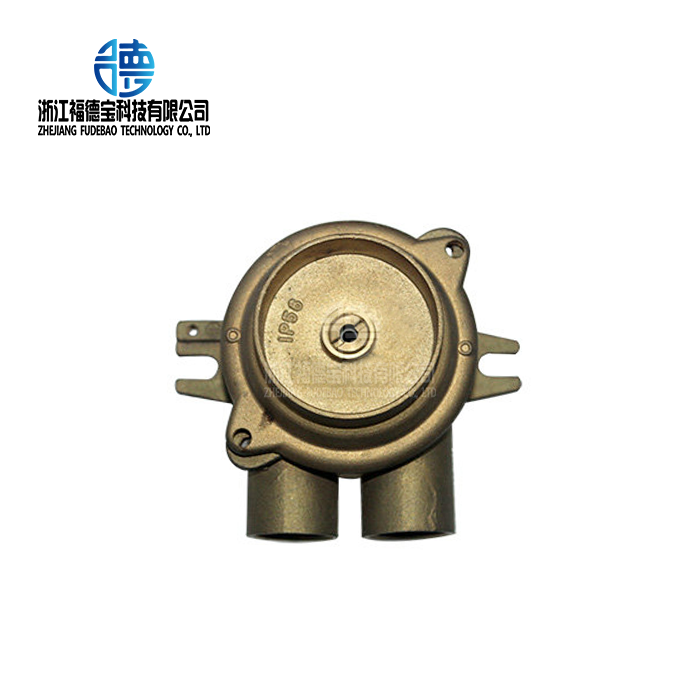
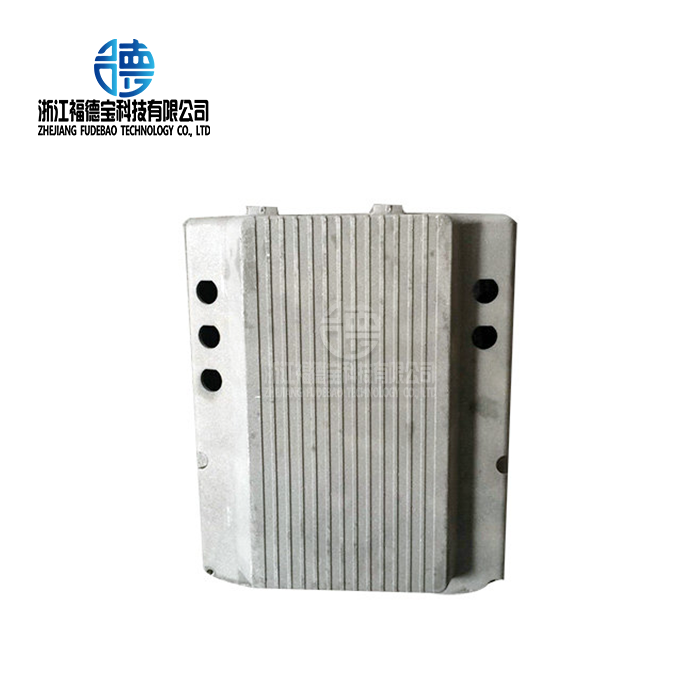
_1756352561845.webp "stainless steel blanking plug")
_1756350092126.webp "radiator cover")
_1756349862928.webp "belts pulleys")
_1756349146076.webp "Lawn mower case casting")
_1756348711711.webp "anti surge turbo housing")