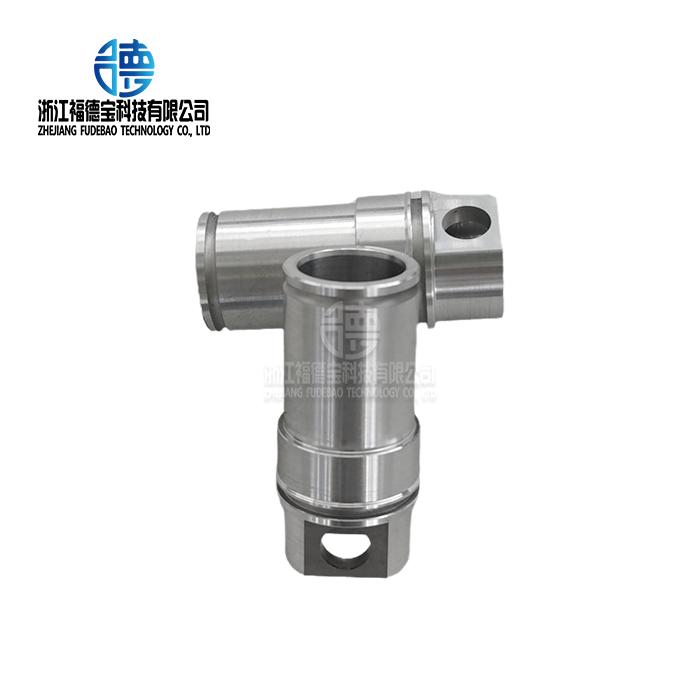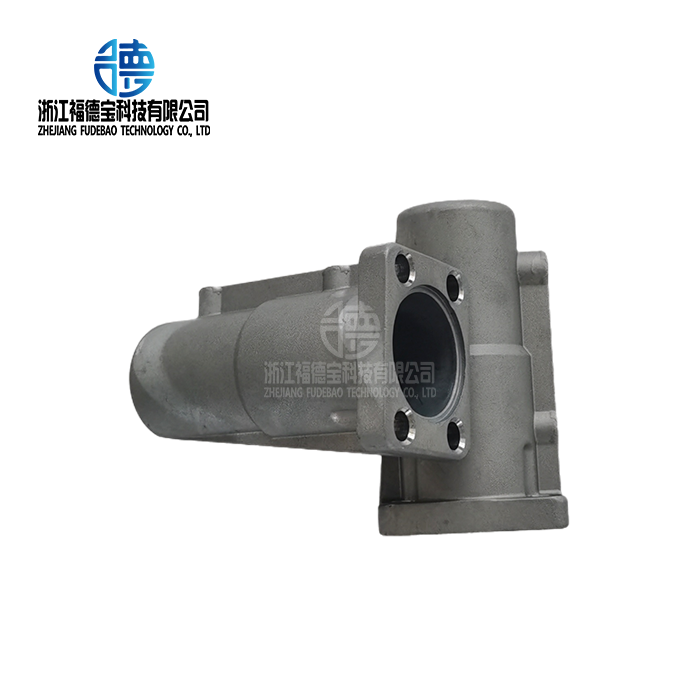
What is Sand Casting Used For?
2026-05-12
Melten metal is poured into disposable sand moulds in a basic metalworking process called "sand casting," which makes complex parts. This way of making things is used for more than 60% of all metal casts done in the world. It is the most flexible way to make parts that range from small, light aluminium housings to huge, heavy steel engine blocks. Industries depend on this method because it can work with almost any metal material, doesn't have the high costs of fixed moulds, and can be used for both prototypes and medium-volume production runs with a lot of geometric freedom.
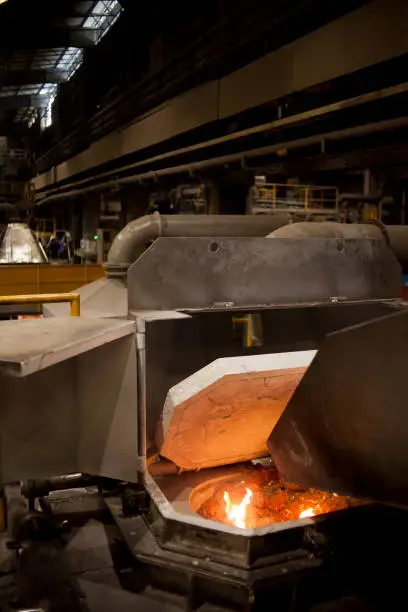
Understanding Sand Casting: Definition and Process
The Fundamentals of Sand Mold Creation
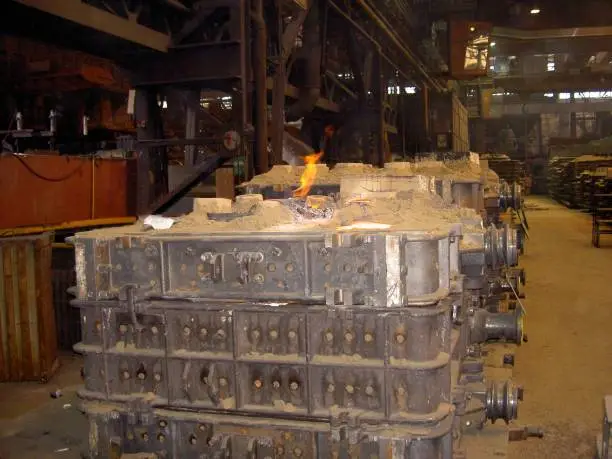
Sand casting is a way to make metal parts by pressing carefully mixed sand around a mould that has the shape of the part that is being made. The process uses two main types of sand: green sand, which is made up of silica sand, bentonite clay, and water for cheap, large-scale work, and chemically-bonded resin sand, which gives better accuracy in measurements and a smoother surface. The design is taken off the sand mould after it hardens, leaving a hole that workers in the forge pour molten metal into. Once the metal hardens and cools, the disposable mould comes off, showing the final casting that is ready to be finished.
Materials and Equipment That Make It Work
High-refractoriness silica sand is used as one of the main ingredients in sand casting. It can withstand temperatures above 1600°C without melting to the metal. Binders can be anything from basic bentonite clay to more modern furan and phenolic resins. The type of binder used is based on how strong and permeable the mould needs to be. Pattern-making tools, flask systems to hold the sand, kilns for melting different alloys, and pouring ladles for controlled metal transfer are all important pieces of equipment. Modern foundries use 3D-printed patterns and modelling software more and more to guess how metal will flow, which cuts down on the trial-and-error processes that used to be so common with older methods.
Why This Method Remains Relevant Today
Even though die casting and investment casting have come a long way, sand mould making still has important benefits in some situations. Patterns are much cheaper than steel dies, so it takes much less money to get started. This makes it economically possible for production runs of 10 to 10,000 units. It can make weights ranging from a few ounces to over 100 tonnes, which is something that pressure die methods can't do. The sand's ability to collapse when cool keeps metals with high solidification shrinkage from hot breaking, which is an important feature for cast iron and steel alloys. Because of these reasons, this tried-and-true method is still used in engine blocks for cars, pump housings in factories, and parts for big machinery.
Common Uses of Sand Casting in Various Industries
Automotive and Transportation Applications
Sand-cast parts are used by automakers in engine systems with complicated internal geometries and harsh working conditions. Using internal sand cores to make complex cooling tunnels in engine blocks lets coolant flow right where it's needed most for thermal management. This is also used to make cylinder heads, which have combustion chambers, valve ports, and water jackets all in one casting. The process can make thin-walled sections with internal support ribs, which is good for transmission housings because it balances weight loss with structural stability. Heavy-duty truck parts like differential housings and brake drums depend on this method's ability to make thick pieces with the same material qualities all the way through.
Industrial Machinery and Equipment Sectors
For heavy industrial uses, casts must be able to handle constant shaking, changing temperatures, and mechanical stress. Corrosion-resistant metals are made in sand moulds via sand casting to make complex volute shapes that make fluid flow better while fighting aggressive media in pump casings for chemical processing plants. In oil and gas uses, compressor housings need to be pressure-tight, which can be done by carefully preparing the sand (as in sand casting) and filling it. Thick-section castings have natural noise-dampening features that make them good for gearbox housings in mining equipment. They also provide mounting surfaces for precisely made bearing bores. Because these parts usually weigh hundreds of pounds, sand casting is the only way to make them that makes sense.
Energy and Electrical Equipment Manufacturing
Systems that make and distribute electricity use sand-cast aluminium and copper parts where the ability to carry electricity meets the needs of the structure. Motor housings for industrial drives have fixing holes and heat-dissipation fins. These shapes can be made easily using sand mould techniques. To balance electromagnetic protection with thermal management, transformer covers need precise wall thickness control. This can be done by carefully compacting sand and designing patterns. This method is used in renewable energy to make wind turbine hub castings and nacelle parts, where size restrictions and cost goals make disposable mould techniques more suitable than other options.
Aerospace and Defense Component Production
Aerospace uses usually need tighter tolerances than as-cast surfaces can provide. Sand methods, on the other hand, make flats that are close to net-shape for later precision cutting. Before CNC processes get to the final sizes, sand castings are used to make the aluminium structure parts for the inside of aeroplanes. Landing gear parts are usually made in rough shapes from sand moulds that are made of high-strength aluminium alloys. The most important areas are then polished to aerospace standards. This method is used for defence equipment housings for electronic and optical systems when the number of items being made doesn't warrant investing in fixed tools, like for specialised vehicles and support equipment.
Benefits of Sand Casting for Global B2B Procurement Clients
Cost Advantages for Low to Medium Production Volumes
When procurement teams look at different manufacturing choices, they find big economic benefits when the production amounts are between pilot and mass production levels. Tooling costs for sand designs are usually 10–20% of similar die casting moulds. This means that companies can release goods without having to pay a lot of money up front. This cost structure is especially helpful during the growth stages of a product, when design changes happen a lot. Being able to quickly change patterns lets engineers make changes without having to throw away expensive fixed tools. This gives engineers more options and speeds up time-to-market while keeping development costs low.
Material Versatility Across Alloy Families
The process can be used with almost any metal that can be cast, from copper-based materials and aluminium and magnesium alloys to ferrous metals like cast iron, carbon steel, and stainless steel types. Because these materials are universally compatible, purchasing managers can choose them based only on performance needs, not on limits in the process. Titanium and other high-melting-point metals can't be die cast because they react badly with steel moulds, but they can be cast safely in ceramic-reinforced sand systems. This freedom of material is very important when certain qualities are needed, like resistance to rust, magnetic properties, or strength at high temperatures.
Scalability and Production Flexibility
Manufacturing capacity for sand casting can grow from a few samples to thousands of units without having to make major changes to the way things are done. Instead of buying new capital equipment, foundries change their production rates by adding places to make moulds and filling teams. Because of this, sellers can adapt to changes in demand without having to pay the set costs that come with automated die casting lines. Custom geometries and size changes are easy to work into production plans, which helps product groups that share core designs but come in different shapes and sizes. This kind of freedom is very helpful for companies that make industrial equipment that serves a wide range of customers from a single base for parts.
Environmental Considerations and Sustainability
Modern foundries recycle and reuse sand by heating and mechanically treating it. Some of these businesses recycle over 95% of their sand material. This closed-loop method cuts down on both the amount of raw materials used and the amount of waste that needs to be thrown away, which is in line with company sustainability goals. When compared to cutting complicated shapes out of solid stock, near-net-shape casting uses less energy and less material. Because die casting doesn't need high-pressure hydraulic systems, the amount of energy used to make a part is lower. As companies try to reduce their carbon footprint and follow circular economy principles throughout their supply lines, these environmental benefits of sand casting become more important in their buying choices.
Best Practices and Techniques to Optimize Sand Casting Outcomes
Sand Selection and Preparation Standards
To get regular casting quality, you must first characterise and prepare the sand correctly. Surface finish and dimensional accuracy are directly affected by the spread of grain sizes. For example, smaller sands make surfaces smoother but need more force to be compacted. Permeability must find a balance between letting gas escape during filling and mould strength. Standardised air flow tests are usually used to measure permeability. Changes in the amount of moisture in green sand systems need to be carefully managed within small ranges, since they affect both the ability to shape the material and the production of steam during metal pouring. Sand properties must be tested regularly to make sure they stay within specifications. This stops problems like sand erosion, entry, or growth.
Pattern Design and Mold-Making Precision
The accuracy of the pattern affects the end size of the casting, taking into account the different rates at which different alloys shrink. When solidified, aluminium usually shrinks by 1.3% and grey iron shrinks by about 1%. This means that design sizes need to be bigger than stated part sizes by these amounts. Draft angles help remove patterns without hurting mould surfaces. Depending on the depth, they usually need to be between 1 and 3 degrees on vertical walls. Fillet radii at section changes lower stress concentrations and improve metal flow. For aluminium, the minimum radii are usually 3 mm, and for ferrous materials, they are 5 mm. When designing an internal core, it's important to pay close attention to the support structures and releasing paths that keep the core from shifting and causing problems related to gas.
Defect Prevention Through Process Control
Common flaws in casting, including sand casting, have clear reasons that can be fixed by managing the process in a planned way. Gas porosity happens when there isn't enough air flow or too much moisture, which can be managed by following the right procedures for checking sand permeability and moisture. Cold shuts happen when metal fronts meet without melting. This can be avoided by making sure the pouring temperature and gate design are just right to keep the metal flexible while the mould is filling. Isolated heavy areas get shrinkage holes, which can be lessened by strategically placing risers and following the rules of directional solidification. Using statistical process control for important factors like filling temperature, mould hardness, and sand qualities finds changes before they make scrap parts.
Quality Assurance and Inspection Methods
Coordinate measuring tools are used for important features, and functional gauging is used for assembly interfaces. Profilometry equipment is used to measure the surface finish to make sure that as-cast surfaces meet standards or to find places that need more cutting stock. Radiography and other non-destructive testing methods can find internal holes or inclusions in important load-bearing casts. Fluid-handling parts like pump housings and valve bodies are proven to be leak-tight through pressure testing. Chemical compliance is confirmed by spectrographic study of the material. This is especially important for medical and military uses that need full traceability paperwork for sand casting projects.
How Sand Casting Fits into Your Supply Chain and Procurement Strategy?
Vendor Qualification and Partnership Development
If you want to find skilled manufacturing partners, you need to look at more than just price quotes. Quality management system standards, like ISO 9001, show that a company is dedicated to controlling processes and making them better all the time. Credentials that are specific to an industry, like IATF 16949 for cars or AS9100 for aircraft, show that the person has experience meeting the needs of that industry. Visiting sites lets you check out the capabilities of the equipment, the cleanliness standards, and the skill levels of the workers, all of which have a direct effect on the quality of the output. Before investing in production tools, it's a good idea to look at customer references and ask for samples of casts that have been used in similar situations. This gives you real proof of your technical skills.
Cost Structures and Negotiation Strategies
Figuring out what causes foundry costs is important for better buying talks. Tooling is an initial investment that is spread out over the number of pieces that are made. Piece prices, on the other hand, take into account the costs of materials, labour, energy, and fees. Since the prices of materials change with the product markets, index-based pricing terms work well for long-term contracts. By making better use of equipment and reducing the number of times it needs to be set up, volume agreements usually lead to better prices. Negotiating combined services that include secondary machining and surface treatments can make supply chains easier and help the foundry save money by using the relationships it already has with suppliers instead of handling a lot of different ones individually.
Integrating Complementary Manufacturing Processes
The best way to create a component is often to use both sand casting and precise machining to make the most important parts. Cutting down on cutting time and cost means figuring out which areas need tight tolerances and which ones can stay as-cast. During CNC processes, surfaces that don't work are usually left as-cast and only bearing bores, sealing faces, and threaded holes are machined. After cutting, surface treatments like powder coating, anodising, or plating are added. The planned process routines protect the finished surfaces during the next steps. To keep these multi-step workflows running smoothly, there needs to be clear communication and clear quality handoff standards between steps of the process.
Managing Lead Times and Inventory Strategy
Lead times at a sand casting foundry usually range from 2 to 6 weeks for making a pattern and from 3 to 8 weeks for production, based on how complicated the job is and how many are being ordered. By keeping smart stock of long-lead or high-usage parts, procurement teams balance the costs of keeping inventory with the freedom of production schedules. With consignment inventory arrangements, the supplier's stock is kept at the customer's location. This makes the seller more responsive while transferring the load of working capital. Blanket purchase orders with planned releases let foundries see how much production they have so they can plan their capacity. They also give customers some freedom in choosing the exact dates and amounts within the agreed-upon windows.
Conclusion
There is no doubt that sand casting is still an important way to make things for businesses that need to make complex metal parts at low cost in a range of sizes and alloys. It is very useful for uses in aerospace, industrial machinery, electrical equipment, and automobile powertrains where design complexity meets modest production volumes. This is because it has low tooling costs, can be made from a variety of materials, and can be shaped in a variety of ways. When procurement experts compare this process to others, they should know about the scientific basics, quality issues, and long-term effects on the supply chain. For companies to successfully use sand-cast parts in their products, they usually work together with qualified casting partners to make sure uniform quality while keeping the freedom to change designs as industry needs change.
FAQ
1. Which metals work best for sand mold manufacturing?
The method can be used with almost any metal that can be cast, such as aluminium alloys (A356, A380), copper-based materials (bronze, brass), ferrous metals (grey iron, ductile iron, carbon steel, stainless steel), and special alloys like titanium. The choice of material is based on the needs of the product, such as the need for strength, resistance to corrosion, heat conductivity, and the working climate. Aluminium is most often used in places where weight reduction and rust resistance are important. Iron and steel, on the other hand, are used in heavy machinery that needs to be strong and resistant to wear.
2. What dimensional tolerances can sand castings achieve?
As-cast limits usually follow ISO 8062 grades CT10 through CT13, which means they are within ±0.5mm to ±2.0mm, based on the size and complexity of the casting. Because resin sand moulds are more rigid, they can hold tighter standards than green sand ways. For important measurements that need more accuracy than what can be achieved with as-cast, CNC cutting is used to get margins of ±0.05mm or better. Surface finishes run from 6.3 to 12.5 Ra in micrometres for materials that are as-cast. When required, grinding can produce mirror finishes.
3. How long does production take from order to delivery?
Depending on how complicated they are, making patterns takes anywhere from two to six weeks. 3D-printed patterns can be made faster than traditional wooden or metal patterns. Depending on the number of orders, the complexity of the mould, and the foundry's schedule, production casting runs take between 3 and 8 weeks. Rush services can shorten wait times for pressing needs, but they may not always be available because of limited capacity. It takes an extra one to three weeks for secondary processes like heat treatment, drilling, and finishing. Total lead times from purchase order to finished parts are usually between 8 and 15 weeks. For jobs that need to be done quickly, planning ahead is important.
Partner with Fudebao Technology for Precision Sand Casting Solutions
Fudebao Technology offers a wide range of metal casting and precision machining services that are specifically designed for high-end business-to-business needs in the aircraft, industrial equipment, and automobile industries. Our integrated manufacturing plant has modern CNC machining centres, low-pressure casting, and full surface treatment methods. This means that we can make everything from raw materials to finished parts all in one place. We keep the accuracy of our measurements to within 0.05 mm by using strict quality systems that support the PPAP documentation standards and traceability processes that are necessary for tier-1 car suppliers and OEM agreements. Our engineering team works together to make sure that plans are easy to make and don't cost too much. This is true whether you need samples made of aluminium sand casting or large quantities with integrated machining. Talk to our sand casting experts at hank.shen@fdbcasting.com about the parts you need and find out how Fudebao Technology's knowledge can help your supply chain by getting you reliable, high-quality metal parts from a reputable sand casting company in China.
References
1 .American Foundry Society. (2021). Casting Process Selection and Design Guidelines for Engineers. Schaumburg: AFS Publications.
2. Campbell, J. (2015). Complete Casting Handbook: Metal Casting Processes, Metallurgy, Techniques and Design. Oxford: Butterworth-Heinemann.
3. Beeley, P.R. (2001). Foundry Technology. Oxford: Butterworth-Heinemann Scientific.
4. Heine, R.W., Loper, C.R., & Rosenthal, P.C. (1967). Principles of Metal Casting. New York: McGraw-Hill Education.
5. International Organization for Standardization. (2019). ISO 8062-3:2007 Geometrical Product Specifications – Dimensional and Geometrical Tolerances for Moulded Parts. Geneva: ISO.
6. Brown, J.R. (2000). Foseco Ferrous Foundryman's Handbook. Oxford: Butterworth-Heinemann.



YOU MAY LIKE
_1756349002499.webp "Aluminum alloy clamp casting")
_1756348711711.webp "anti surge turbo housing")
_1756348623524.webp "Turbine compressor housing")