
What is die-cast aluminum? Process & Engineering Guide
2026-07-13
Die-cast aluminum is a high-performance way to make things. Molten aluminum is pushed into precise steel molds under very high pressure, usually more than 20,000 psi. This High-Pressure Die Casting (HPDC) method makes near-net-shape parts with very accurate measurements. It cuts down on expensive secondary operations while meeting the strength-to-weight ratio needs of the automotive, aerospace, and industrial sectors. The process changes simple aluminum alloys like A380 and ADC12 into complex housings, frames, and structural elements that are both thermally efficient and mechanically durable. This helps engineers solve modern engineering problems in efforts to make things lighter and more electric.
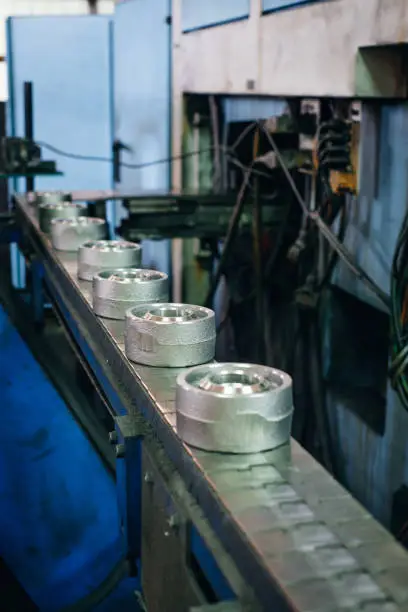
Understanding Die-Cast Aluminum
Die-cast aluminum is fundamentally different from traditional ingot aluminum because of how it is made and the properties of the material that it produces. Ingot aluminum is forged or extruded, but die-cast aluminum comes out of a fast solidification process inside hardened steel molds. This makes a fine-grained structure that improves certain mechanical properties. This difference is very important when engineering teams are looking at parts that need complicated shapes with little post-machining.
Key Material Properties Driving Industrial Adoption
Because of how they are made, die-cast aluminum alloys are essential in many demanding situations. The tensile strength of alloy A380 can reach 47 ksi, and its yield strength is about 23 ksi. It also has a low density of 2.71 g/cm³. This material is stronger than many traditional materials and lighter, so engineers can make cars lighter without sacrificing their structural integrity. When housings have a thermal conductivity of around 96 W/m-K, they become active heat dissipation elements. This is a huge benefit for power electronics and EV battery enclosures, where thermal management directly affects the reliability and lifespan of the system.
Another clear benefit is that it is stable in terms of dimensions. The North American Die Casting Association (NADCA) says that good die-cast parts should have tolerances of no more than 0.002 inch/inch. This means that they meet the exacting standards of PPAP documentation for cars and aerospace traceability protocols. The material naturally shields sensitive electronics from EMI and RFI, which solves electromagnetic compatibility problems in telecommunications and industrial automation without the need for extra shielding layers.
Environmental and Sustainability Considerations
Because aluminum die casting is so easy to recycle, it fits with companies' green goals. The alloys keep their physical properties even after being recycled many times. This means that we don't have to rely on making aluminum from scratch, which uses a lot of energy. Manufacturers can use more than 80% recovered aluminum without affecting the performance of the parts, which is becoming an increasingly important factor in buying scorecards. Die casting is also better for energy efficiency during production than other metalworking methods because it has shorter cycle times and fewer manufacturing steps, so less energy is used per part than in multi-stage machining operations.
These natural factors help make the supply chain more resilient while also meeting government requirements to lower carbon emissions. Die casting's measurable sustainable measures help companies that want to get ISO 14001 approval or deal with customer environmental audits. This creates procurement reasons that go beyond simple cost analysis.
The Die-Casting Process Explained
Step-by-Step Manufacturing Cycle
During the injection phase, molten metal moves at speeds of up to 60 meters per second into the die hole. This is the key moment. Extreme pressures are created by hydraulic systems that push aluminum into every detail of the mold. This makes it possible to make sharp edges and thin walls that would not be possible with gravity-fed casting. The temperatures are carefully controlled by built-in cooling channels, which keep the balance between fast solidification and thermal stress that could break the tooling.
The time it takes to cool depends on the mass and thickness of the wall, but it's usually between seconds and less than a minute. This quick solidification smooths out the grain structure, which helps explain the better mechanical qualities we talked about earlier. Then, ejection systems use pins that are placed in a way that keeps the surface from getting damaged or the dimensions from changing to release the solidified part. The full cycle time for moderately complex parts is usually between 30 and 90 seconds, which lets enough of them be made to justify the cost of the initial tools.
Common Alloy Selection and Applications
The choice of material has a direct effect on how well the part works and how easy it is to make. Alloy A380 is the most popular choice for general-purpose uses because it is good at filling dies, doesn't rust, and has balanced mechanical properties. A380 is often used for ECU housings and gearbox cases in cars because it has been shown to be reliable in a wide range of temperatures and pressure conditions. Although it is not as strong as A380, alloy A383 is better at flowing through very complicated shapes with lots of small details inside them.
When uses need high tensile strength and tightness under pressure, alloy A356 is a good choice. Solution heat treatment improves the mechanical properties of A356, which makes it useful for aerospace parts and hydraulic system housings. The Asian version of the A380, the ADC12, is used for similar tasks, though its parts are different depending on what materials are available in each region. When procurement teams choose an alloy, they should compare it to application-specific stress estimates and the environment it will be exposed to. To make the best material choice, they should talk to suppliers early in the design process.
Post-Processing and Precision Machining
Die casting makes parts that are very close to net shapes, but other steps are often needed to make sure that important features meet the end requirements. CNC machining centers with multiple axes can work on mounting surfaces, threaded holes, and tight-tolerance interfaces that need more precision than what an as-cast part can provide. Our high-speed machining tools at Fudebao Technology can achieve dimensional accuracy to within 0.05 mm, which is perfect for medical equipment enclosures and precise car parts.
Surface treatments make parts look better and make them work better. E-coating and powder coating methods protect against corrosion better than anodizing, which makes high-silicon die-cast metals look different, and they also meet IP67 standards for outdoor sealing. In pressure-containing housings, resin impregnation fills in microscopic holes that could cause hermetic integrity to be compromised in hydraulic or pneumatic applications.
Comparing Die-Cast Aluminum with Alternative Materials and Processes
When making choices about what to buy, you need to be able to objectively compare different manufacturing methods and material options, such as die-cast aluminum, machined metals, and other alternatives. There are different trade-offs between each approach that affect unit cost, lead time, and the performance of the parts.
Die Casting Versus Sand Casting
Sand casting can make bigger parts and smaller batches with little investment in tools. This makes it a good choice for heavy machinery housings and pump bodies where annual demand is less than 500 units. The process can handle thicker wall sections that work better with bronze and gray iron alloys that are designed to be resistant to wear. Surface finish quality and dimensional consistency, on the other hand, are much worse than with die casting, and functional tolerances are usually only reached after a lot of machining.
Die casting works best when more than a few thousand pieces need to be made each year. The initial cost of the tools—which is often quite high for complicated shapes—is spread out over a large number of units, which lowers the cost per unit below the point where sand casting breaks even. Dimensional repeatability gets rid of the need for different machining allowances, which makes quality control easier and cuts down on scrap. Automotive tier-1 suppliers are aware of this economic crossover and are switching parts to die casting as platform volumes grow past the prototype phase.
Material Alternatives Analysis
Zinc die casting can handle finer details and tighter tolerances than aluminum, which makes it a good choice for making small, complicated parts like joints and artistic hardware. Zinc's higher mass and lower thermal conductivity, on the other hand, make it less useful for uses that need to get rid of heat or lose a lot of weight. While magnesium has the lowest density of all structural metals, which makes it appealing to the aircraft industry, it is still too expensive for many commercial uses and hard to work with because it can catch fire during machining.
Aluminum alloys can't match stainless steel when it comes to resistance to corrosion and strength at high temperatures. This is why it is used in so many things, from chemical processing equipment to exhaust system parts. Metal injection molding can make complicated shapes out of stainless steel, but the size of the parts is limited by the cost of the materials and the limitations of sintering. Engineering plastics are getting better, and glass-filled composites are getting close to being as strong as aluminum in some situations. However, aluminum is still the most common material used in power electronics and telecommunications infrastructure because it is better at managing heat and shielding electromagnetic fields (EMI).
The performance needs and the total cost of ownership must be weighed in the material decision matrix. Die-cast aluminum is often the best way to get moderate strength, good thermal properties, and low cost of production all at the same time. This is especially true in the automotive and industrial equipment industries, which are where most of our customers work.
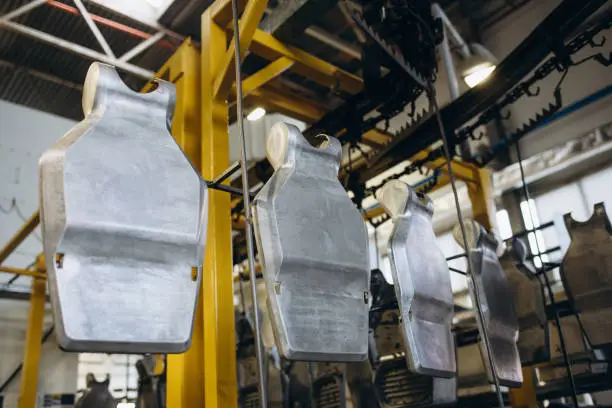
How to Choose the Right Die-Cast Aluminum Supplier for Your Business
Choice of supplier has a direct effect on the quality of the product, the reliability of delivery, and the long-term success of the program. Engineering managers and sourcing directors should look at possible partners in more ways than just the unit price they offer.
Critical Certification and Capability Assessment
Certifications for quality management systems give you a basic idea of how well processes are controlled and how well documentation is done. ISO 9001 certification shows that a basic quality system has been put in place, while IATF 16949 certification specifically addresses the needs of the automotive industry, covering things like being able to submit PPAPs, creating control plans, and following traceability protocols. Aerospace providers must keep their AS9100 approval and show that they have processes in place to handle materials in a way that doesn't cause contamination or breaks in tracking.
Production skills include more than just the mentioned press tonnage. They also include other systems that affect quality and capacity. Vacuum-assist die casting systems make structural parts much less porous, which lets them be made into pressure-tight housings without having to be impregnated again. Integration of real-time process monitoring and statistical process control shows advanced manufacturing maturity, lowering variation and improving the ability to predict maintenance needs. During site trips, tooling repair programs should be looked at. H13 steel dies can usually handle 50,000 to 100,000 shots before they need to be reconditioned, and suppliers who show systematic die care make sure that parts stay consistent throughout the production lifecycle.
Geographic and Strategic Considerations
Global providers like Alcoa and Nemak offer a lot of technical resources and multiple sites that can back up each other. This makes them appealing to international OEMs that need to organize supply across regions. During the prototype development and low-volume production phases, it's helpful to have regional specialists who can respond quickly and make changes as needed. Chinese manufacturers, such as well-known companies like Fudebao Technology, combine competitive pricing with improving technology in die-cast aluminum production to support direct relationships that cut out middlemen and maintain quality standards verified by third parties.
When it comes to OEM service capabilities and the chance to work together on R&D, strategic suppliers are different from transactional vendors. When partners offer Design for Manufacturability (DFM) advice during the idea phase, costly design changes are avoided after the pledge to make tools. Simulation tools, such as mold flow analysis and thermal modeling, help find the best gate placement and cooling channel design before the steel cutting starts. This shortens the time it takes to develop new products and raises the success rate of the first ones that are made.
Procurement Best Practices for Die-Cast Aluminum Components
Cost goals should be balanced with quality assurance and reducing supply chain risk in good sourcing strategies. When purchasing professionals are navigating die-cast aluminum markets, structured approaches that deal with changing prices, working with suppliers, and verification protocols are helpful.
Understanding Cost Drivers and Pricing Structures
The choice of metal has a big effect on the cost of raw materials. Premium alloys have higher prices because of their makeup and availability. Tooling cost and cycle time are two major cost factors that are affected by how complicated a part is. Component complexity is measured by its projected area, wall thickness variation, and feature intricacy. When you commit to a certain amount of work, you can take advantage of economies of scale. Suppliers often set their prices so that there are tiered breaks at certain points where extra shifts or dedicated cells are economically viable. Suppliers like annual contracts with quarterly releases because they give them a clear picture of the volume, which they can use to negotiate better prices.
Costs from secondary processes are very high and need to be looked at separately. Quotes should list the costs of CNC machining, surface finishing, and inspection processes. This way, you can compare quotes from providers with different levels of vertical integration. Some makers are great at providing combined one-stop solutions, while others focus on their core casting skills and hire outside companies to do the finishing work. Knowing these structural differences keeps you from making bad cost comparisons and helps you decide whether to make or buy secondary processes.
Quality Assurance and Compliance Verification
The rules for inspections must match the importance of the parts and the standards set by the industry. For automotive applications, it is common to need 100% dimensional verification on key features and statistical sampling on other features. Coordinate measuring tools (CMMs) give measurements down to the micron level, and X-rays show interior porosity that can't be seen from the outside. Suppliers should show that they can check parts that meet the requirements and keep calibration papers that can be traced back to national standards.
Material certifications make sure that the alloy composition meets the requirements. This is especially important for aerospace and defense applications where material traceability is part of the paperwork needed for airworthiness. The chemical composition requirements in ASTM B85 are set, and the corrosion resistance after surface treatments is proven by ASTM B117 salt spray testing. Specifications for purchases should clearly list any relevant standards. This sets clear acceptance criteria and lowers the number of qualification fights.
Supplier audits, which can be done directly or through a third party, make sure that what is done on-site matches what is written down. These evaluations look at controls for incoming materials, monitoring of process parameters, handling of nonconformances, and how well corrective actions work. Regular check schedules hold suppliers accountable and let you know early on when capabilities are declining, before quality problems affect production.
Conclusion
Die-cast aluminum making has been shown to be a good way to balance performance, cost, and production scalability in the aircraft, automobile, industrial equipment, and electrical industries. The technology meets the high standards of modern engineering by providing precise measurements, built-in thermal management, and lightweight structural performance. Aluminum die casting is used for many things, from EV battery housings to telecommunications infrastructure, because it has great properties like high strength-to-weight ratios, thermal conductivity, and EMI shielding. By carefully choosing suppliers based on things like certification compliance, process capability, and collaborative engineering support, businesses can form partnerships that lead to new products and a stronger supply chain. Best practices for purchasing include combining cost analysis with strict quality checks to make sure that parts meet high standards and that the total cost of ownership is minimized throughout the lifecycle of the product.
FAQ
Can die-cast aluminum components achieve pressure-tight sealing?
With vacuum-assist die casting technology, air is sucked out of mold cavities before metal is injected. This greatly reduces internal porosity that could make hermetic sealing less reliable. When applied to thick sections, squeeze pins make the metal structure even stronger while it solidifies. Applications that need to be completely leak-proof, like hydraulic valve bodies or pneumatic connectors, can benefit from secondary resin impregnation, which fills in any tiny gaps left over. With this combined method, leak rates are often less than 0.1 sccm, which meets the strict requirements of automotive and industrial equipment.
How does minimum wall thickness impact design feasibility?
Standard engineering practice says that walls should be at least 2.5 mm thick to make sure the structure is strong enough and that metal flows properly during hollow filling. Specialized designs can make some parts as thin as 1.5 mm by using ribbed structures to support the thin parts and make it easier to fill the mold all the way. Thinner walls make parts lighter and speed up the cooling process, but they need to be carefully analyzed using mold flow simulation to avoid problems that happen before they solidify.
At what production volume does die casting become cost-effective compared to CNC machining?
Die casting usually requires a modest to substantial investment in tools, based on the complexity and size of the part. This one-time engineering (NRE) cost is spread out over the number of units made, reaching a break-even point where the cost of each part is lower than alternatives made with CNC machines, around 1,000 to 2,000 units. After this point, die casting's short cycle times and low need for secondary machining make it a very good choice for unit economics, especially for parts with complicated shapes that would need a lot of CNC programming and multiple setups to be machined from solid billet.
Partner with Fudebao Technology for Precision Die-Cast Aluminum Solutions
Zhejiang Fudebao Technology operates as a vertically integrated die-cast aluminum manufacturer supporting automotive OEMs, industrial equipment builders, and electrical sector leaders throughout North America and globally. Our facility encompasses the complete production spectrum—from alloy melting through precision CNC finishing and surface treatment—delivering components accurate to ±0.05mm that meet IATF 16949 and ISO 9001 standards. Equipment, including high-speed machining centers, advanced die casting cells, and low-pressure casting systems, enables flexible response across prototype quantities through volume production. Engineering teams collaborate on Design for Manufacturability consultation, mold flow analysis, and material selection optimization, compressing development timelines while ensuring first-article success. Direct partnerships with our technical staff at hank.shen@fdbcasting.com eliminate intermediary complexity, providing responsive communication and competitive economics that strengthen your supply chain. Explore our comprehensive capabilities at fdbcasting.com and discover how our die-cast aluminum expertise supports your next program from concept through full-rate production.
References
1. North American Die Casting Association. Product Specification Standards for Die Castings Produced by the Semi-Solid and Squeeze Casting Processes (2019 Edition). NADCA, 2019.
2. American Society for Testing and Materials. ASTM B85-03: Standard Specification for Aluminum-Alloy Die Castings. ASTM International, 2003.
3. Kaufman, J. Gilbert, and Rooy, Elwin L. Aluminum Alloy Castings: Properties, Processes, and Applications. ASM International, 2004.
4. Jorstad, John L. "Understanding 'Sludge' in Aluminum Die Casting." Die Casting Engineer, vol. 50, no. 3, 2006, pp. 38-41.
5. Vinarcik, Edward J. High Integrity Die Casting Processes. John Wiley & Sons, 2003.
6. Staley, James T. and Doherty, Roger D. "Aluminum Alloys for Lightweight Automotive Structures." Materials Science and Technology in Automotive Engines, Woodhead Publishing, 2005, pp. 59-98.



YOU MAY LIKE