
How Aluminum Die Casting Supports High-Volume Manufacturing
2026-07-14
Aluminum die casting enables manufacturers to produce tens of thousands of identical components with exceptional dimensional consistency and minimal secondary operations by injecting molten aluminum alloy into precise steel molds under pressures above 1,500 psi. This high-pressure method quickly changes liquid metal into complicated, nearly net-shaped parts. It cuts cycle times by a huge amount compared to normal methods of machining or manufacturing. This technology makes it possible for strict quality standards to be met in mass production of businesses that need to be able to make a lot of the same thing, like car powertrains, industrial equipment housings, and energy sector components.
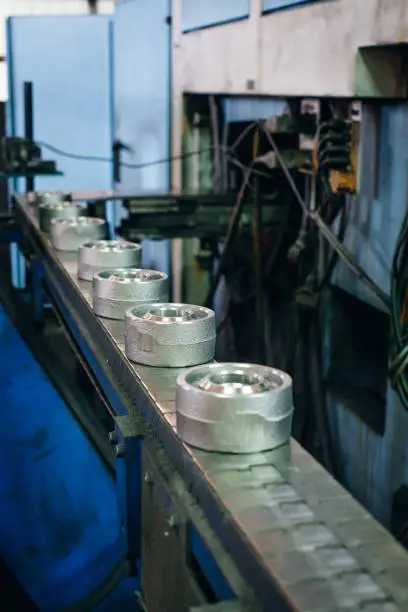
Understanding Aluminum Die Casting in High-Volume Manufacturing
The Core Process Behind Rapid Production
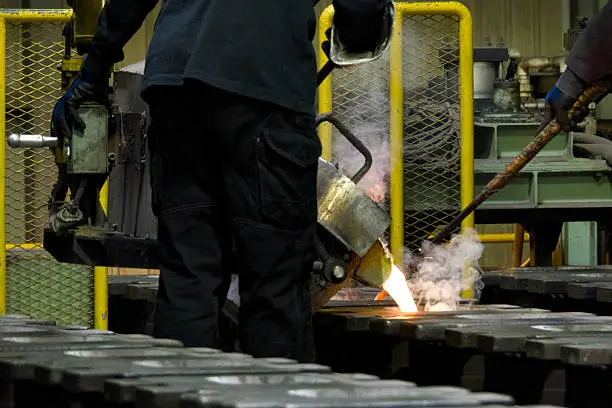
The basic idea behind high-pressure die casting is simple but complex: melted aluminum alloy heated to about 1,200°F is pushed into hardened steel holes at speeds close to 100 mph. The high pressure squeezes the metal molecules together, getting rid of any empty spaces and making parts with better mechanical properties. Depending on the size of the part, modern die casting machines cycle every 30 to 90 seconds. This means that a single production cell can make more than 500 parts every day. This speed changes the economy of manufacturing, especially when making transmission housings for automakers or electrical enclosures for infrastructure for green energy.
Material Selection and Mold Engineering
We do a lot of work with aluminum alloys like A380 and ADC12 because they are the perfect mix of being flexible while casting and strong once they harden. The specific gravity of these metals is 2.7 g/cm³, which is about one-third the weight of steel. However, their tensile strengths are higher than 45,000 psi. The steel molds are big expenses because they have to be machined to within 0.002 inches and have special coatings on them to make them resistant to heat cycles. Through strict thermal management and predictive maintenance routines, our Zhejiang plant has made molds that last more than 120,000 shots.
Production Stages and Quality Assurance
The casting process starts with preheating the mold to avoid temperature shock. This is followed by controlled aluminum injection, a waiting time to make sure the mold is completely filled, and fast cooling through built-in water channels. If you time each step wrong, porosity will form, and if you time them right, output will go down. Then, within the same production line, our high-speed machining tools do secondary operations like drilling and tapping. This way, we can get final specs of ±0.05mm without having to wait for parts to be transferred. This unified method gets rid of problems with logistics and keeps the same dimensions between batches.
Comparison of Aluminum Die Casting with Alternative Manufacturing Methods
Die Casting Versus Sand Casting and Gravity Processes
For low-volume samples or very large parts like pump housings that weigh more than 200 pounds, sand casting is still useful, but aluminum die casting is better for mass production because of its better surface finish and more accurate dimensions. To meet useful standards, sand-cast parts usually need 0.030 inches of machining stock per surface. Die-cast parts, on the other hand, usually only need 0.010 inches or less. Gravity casting has better mechanical qualities than sand methods, but it works tenths of the speed of high-pressure systems, which means it can't be used to make 50,000 car brackets a year with tight delivery dates.
Material Alternatives: Zinc and Magnesium Die Casting
Because they can have thinner walls and sharper features than aluminum, zinc alloys are great for small electrical housings and hardware that looks nice. However, aluminum has a melting point of 1,200°F compared to 787°F for zinc. This means that aluminum parts can handle operating heat better in engine compartments or industrial gears. At 1.8 g/cm³, magnesium is the lightest choice. However, its higher cost and tendency to react when melted limit its uses to aerospace and high-performance car parts where weight loss is worth the extra cost.
Economic Comparison with Plastic Injection Molding
When making very large quantities (more than a million pieces), plastic molding works best. But aluminum die-cast parts offer structural strength and thermal control that polymers can't match. A car's control arm has to withstand suspension loads and road vibrations for 150,000 miles, which is something that engineering plastics can't do consistently. When warranty claims and service breakdowns are taken into account, the total cost of ownership estimate changes. We helped companies that make industrial equipment switch from housings made of strengthened plastics to ones made of aluminum alloy. This cut down on failures in service by 68% while only adding a small amount of weight.
Key Design and Production Factors to Maximize Efficiency
Design-for-Manufacturability Principles
For aluminum die casting design to work well, product engineers and casting experts need to work together during the idea phase. As much as possible, wall thickness should stay the same, somewhere between 0.080 and 0.160 inches. Differences in thickness cause different cooling rates, which damage finished parts. Draft angles of at least 2 degrees make it easier to get rid of mold without damaging the surface. We always look over our clients' CAD models to find any problems, like shrinkage porosity in thick parts or flow restrictions at sharp corners, and let them know what needs to be fixed before the equipment production starts.
Common Defects and Prevention Strategies
The most common quality problem in high-pressure casting is porosity from trapped air. Gases can escape during the pumping phase thanks to strategically placed gates and venting pathways. When metal streams meet without enough heat to fully bond, a cold shut happens. This surface flaw can be avoided by adjusting the injection speed and mold temperature to their best levels. Our quality team uses fluoroscopic checking on important car parts to find internal holes as small as 0.020 inches in diameter that could make brake system housings or HVAC parts less pressure-tight.
Optimizing Cycle Time Through Mold Design
60% to 70% of the total cycle time is spent cooling, so controlling temperature is the main way to increase output. Straight-drilled paths don't get rid of heat as well as conformal cooling channels that are made to follow the shape of the part. Cycle times for complicated electrical motor housings have been cut by 22% thanks to baffle-cooled cores that keep mold surfaces at the same temperature. In aluminum die casting, when making 200,000 parts a year for green energy uses, faster removal without part distortion directly leads to lower costs per unit.
Procuring Aluminum Die Casting Services: What B2B Buyers Need to Know
Evaluating Technical Capabilities and Certifications
When choosing an aluminum die casting provider, you should carefully look at the tools they offer and how they control the process. Our factory in Zhejiang uses HAAS CNC machining centers that can work on four axes at the same time. This lets us keep tolerances of ±0.05mm on features like mounting faces and bearing bores without having to do anything by hand. Certifications are important. ISO 9001 shows basic quality systems, and IATF 16949 shows automotive-specific process control, such as PPAP paperwork and production part approval methods. AS9100 registration and tracking systems that keep track of material chemistry from the ingot to the finished part should be checked out by aerospace buyers.
Understanding Quoting Workflows and Lead Times
The price of aluminum die casting includes the cost of materials, the cost of the tools, and the cost of processes. Depending on the complexity of the part and the expected annual volume, tooling investments can range from modest to sizable. For example, molds that make 500,000 parts per year can afford more expensive tool steel and more advanced cooling systems than prototypes that only need 5,000 pieces.
The price of aluminum on the London Metal Exchange affects the cost of materials, but most sellers protect themselves with three-month contracts. As setup depreciation goes down, processing costs go down a lot after 10,000 units. Usually, it takes 8 to 12 weeks to make the molds and check the first product. Once the molds are accepted, it takes 3 to 5 weeks to start making the product.
Prototyping Versus Full-Scale Production Considerations
Using prototype tools made of softer P20 steel lowers the initial cost when testing designs before committing to H13 production molds. We suggest this step-by-step method for introducing new products in industrial machinery settings where design changes are expected to happen. Usually, prototype molds can make 2,000 to 5,000 shots before wear breaks down the limits. This gives you plenty of samples to test fit and confirm performance. When moving to harder production tools, the lessons learned during testing are used to improve gate locations and ejector pin placement based on how the casting actually works, rather than just simulations.
Industry Trends and Future Outlook in Aluminum Die Casting for High-Volume Production
Automation and Digital Process Control
Leaders in the industry now use robot cells to remove casts, trim gates, and load CNC machines without needing to be handled by a person in between tasks. Automated conveyors connect die-cast machines to machining centers and surface treatment lines in our building. This cuts the amount of work that needs to be done by 40% while making accuracy between parts better.
In real time, AI-driven process tracking looks at injection pressure curves to find oddities that can predict flaws before they happen. These systems change settings automatically, so the quality of the casting stays at its best across multiple shifts without any help from an operator. Such fully integrated automation is particularly impactful in aluminum die casting, where high-volume production and tight dimensional tolerances demand consistent, uninterrupted process control.
Advanced Alloys and Eco-Friendly Manufacturing
As metallurgy keeps getting better, aluminum alloys with better dynamic qualities and better castability are being made. New mixtures with tiny amounts of zirconium and scandium in them have yield strengths higher than 55,000 psi and still work very well for thin-wall uses in aircraft parts. More recycled materials are being used in aluminum die casting alloys because of environmental concerns. At the moment, we can handle feedstock that contains 40% post-consumer scrap without changing the functional specs. When compared to regular facilities, closed-loop cooling systems and waste heat recycling cut the amount of energy used per casting by 18%.
Market Growth in Electrification and Renewable Energy
The use of electric vehicles increases the need for lightweight building parts and systems that control heat. Aluminum die casting is the only way to go for growing markets like battery cases, motor housings, and power electronics heat sinks because it is strong, good at transferring heat, and light. In the same way, the renewable energy industry needs electrical housings that don't rust and structural frames for solar tracking systems and wind turbine parts. The world's investments in die casting capacity in these areas are higher than in standard automotive powertrain uses. This shows that we are moving toward electric transportation and infrastructure for sustainable energy.
Conclusion
For high-volume production, you need technologies that combine speed, accuracy, and cost-effectiveness across tens of thousands of similar parts. These needs are met by aluminum die casting, which uses high-pressure injection processes to produce complex geometries with few secondary operations. These processes help a wide range of industries from car engineering to green energy infrastructure.
The method's built-in benefits—accurate measurements, low weight, and quick cycle times—make it essential for everything from testing prototypes to making full batches. For businesses to be successful, they need to have smart relationships with manufacturers that show they have the technical know-how, quality certifications, and the ability to build tools and deliver finished parts all at the same time.
FAQ
What cost factors most significantly impact bulk die casting orders?
When the output is modest, tooling amortization is the main cost variable. Depending on the complexity of the part, the investment is usually recovered over 25,000 to 100,000 units. The prices of materials change with the price of metal on the market, but seller hedging plans keep them stable most of the time. Processing costs per unit go down a lot after 50,000 pieces per year because the time it takes to set up is spread out over more pieces.
Depending on the complexity of the feature and the finish that needs to be achieved, secondary processes such as CNC cutting and surface treatments add extra costs. When reviewing quotes from different suppliers, buyers should ask for specific cost breakdowns that separate one-time tooling costs from ongoing per-piece charges.
How do manufacturers maintain consistent quality across millions of castings?
Statistical process control keeps an eye on important factors like injection pressure, metal temperature, and cycle time to find changes before they cause parts to become faulty. Coordinate measuring tools check the accuracy of dimensions on sample intervals. Depending on the needs of the car or industrial sector, they usually measure one out of every fifty to two hundred castings.
With fluoroscopic checking, internal porosity can be found in pressure-critical parts without having to do harmful tests. Wear-related dimensional shift can be stopped by performing preventive mold repair at set shot counts. These multiple levels of controls make sure that PPAP rules and customer needs are always followed during long production runs.
Partner with a Leading Aluminum Die Casting Manufacturer
Zhejiang Fudebao Technology offers complete aluminum die casting options to meet your high-volume production needs, from helping you with the planning process to delivering finished parts. Our building has advanced CNC machining centers, low-pressure and high-pressure die casting equipment, and a single point of responsibility for complicated projects that need to be accurate to within 0.05 mm.
With IATF 16949-certified processes and helpful English-speaking engineering support, we work with car tier-1 suppliers, industrial equipment makers, and clients in the energy sector in North America and Europe. Email our technical team at hank.shen@fdbcasting.com to talk about your application needs, get a cost analysis of a component, or set up a video tour of our facility to see what we can do as a reliable aluminum die casting provider.
References
1. North American Die Casting Association. "Product Specification Standards for Die Castings Produced by the Semi-Solid and Squeeze Casting Processes." NADCA Technical Publication, 2021.
2. Kaufman, J. Gilbert and Rooy, Elwin L. "Aluminum Alloy Castings: Properties, Processes, and Applications." ASM International Materials Park, 2004.
3. Brevick, Jon R. "High Integrity Die Casting Processes." Society of Automotive Engineers Technical Paper Series, SAE International, 2018.
4. Skallerud, Bjørn and Iveland, Tore. "Dimensional Variation and Robustness in Multi-Station Assembly Processes." Journal of Manufacturing Science and Engineering, ASME Transactions, 2008.
5. Lumley, Roger N. "Fundamentals of Aluminium Metallurgy: Production, Processing and Applications." Woodhead Publishing Series in Metals and Surface Engineering, 2011.
6. Das, Sanjay K. and Green, John A.S. "Aluminum Industry and Climate Change: Greenhouse Gas Emissions Reduction Strategies." The Minerals, Metals & Materials Society, JOM Journal, 2010.



YOU MAY LIKE