
What Capabilities Define Leading Aluminum Car Parts Manufacturers?
2026-08-26
Leading aluminum car parts manufacturers differentiate themselves through integrated capabilities that span advanced precision machining, stringent quality systems, and scalable production flexibility. Top-tier suppliers combine state-of-the-art die casting with CNC precision, maintain IATF 16949 and ISO certifications, and deliver custom prototyping alongside volume production. They prioritize dimensional accuracy within ±0.05mm tolerances, material traceability through certified alloy analysis, and lean manufacturing principles that ensure consistent delivery timelines. For B2B procurement professionals sourcing automotive components, these manufacturers provide not just parts but strategic partnerships built on technical expertise, robust documentation like PPAP, and proven reliability across thermal cycling and vibration-intensive environments.
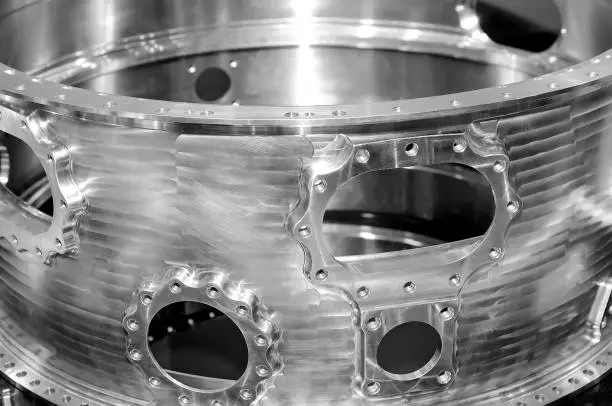
Understanding the Landscape of Aluminum Car Parts Manufacturing
Over the past ten years, the car business has seen a big shift toward parts made of aluminum. Aluminum alloys from the 6xxx and 7xxx series are now mostly used for chassis parts, transmission housings, engine blocks, suspension brackets, and structural body panels. This change is needed to meet important performance goals: lowering weight directly improves fuel economy in cars that use gasoline, and new studies in automotive engineering have shown that extending the driving range of electric cars by up to 15%.
There is a complex series of steps needed to make aluminum car parts. High-pressure die casting makes transmission cases and motor housings with complicated shapes, while low-pressure casting makes long-lasting parts like control arms that need to have consistent mechanical properties. Structural shapes for frames and crash control systems are made by extrusion. Then, CNC machining removes any extra material and makes mounting surfaces, threaded holes, and tight-tolerance bores in these cast or extruded blanks to exact specs. Surface treatments like anodizing, powder coating, and chemical conversion finishes protect against rust, which is important for vehicles that will be used in a variety of conditions for many years.
Because of its natural benefits, aluminum is the best material for building modern cars. With a density of about 2.7 g/cm³, aluminum weighs about a third as much as steel, but it is just as strong in the right alloys, like 7075-T6, which can reach tensile strengths of over 570 MPa. The material naturally creates a layer of protective oxide that stops corrosion from getting worse. Controlled anodizing processes make this property even better. OEMs are becoming more concerned about the environment. Aluminum can be recycled over and over again without losing any of its qualities. This creates closed-loop supply lines that lower carbon footprints. These traits explain why procurement teams at all levels of the automotive industry are always looking for qualified aluminum car parts manufacturers who can meet both technical and environmental standards.
Why Aluminum Dominates Lightweighting Initiatives?
More and more pressure is being put on automotive experts to lower the weight of vehicles without sacrificing safety or performance. In places like suspension parts and structural members, aluminum parts are 40–50% lighter than steel ones of the same size and shape. This decrease in mass immediately leads to better acceleration, stopping, and handling mechanics. Manufacturers of electric vehicles really like this benefit because every kilogram taken off the chassis means more battery space or a longer range. Leading providers are aware of these technical requirements and make sure that their production methods maximize strength-to-weight ratios while still meeting crash performance and longevity standards needed by global car laws.
Integrated Manufacturing Processes
Suppliers of aluminum car parts that do well run integrated factories that manage the whole supply line. Using precisely controlled furnace temperatures during melting makes sure that the alloy has the right composition, which can be checked using optical emission spectroscopy. With modern die casting machines, low-pressure systems, and sand casting capabilities, casting departments can make parts with a variety of shapes and in a range of quantities. Multi-axis CNC equipment on machining machines makes it possible for them to make parts for cars with tight specs and complex features. Surface treatment lines finish the value chain by adding protection and decorative finishes that meet the needs of automakers for how they look, how well they fight corrosion, and how well they wear. With this vertical integration, there are no more handoffs between different vendors. This cuts down on lead times and keeps quality control high throughout production.
Key Capabilities That Define Leading Aluminum Car Parts Manufacturers
When procurement experts look at possible suppliers, they have to look at a number of different areas of their capabilities that set competent suppliers apart from industry stars. The following core competencies are what make a company great at making automotive aluminum parts.
Advanced Manufacturing Technology Integration
The making of modern car parts requires advanced technology that goes beyond simple casting and machining. Leading manufacturers are always putting money into new processes and better equipment. Here are the main technology benefits that set top-tier suppliers apart:
Precision CNC Machining Centers: Multi-axis machining centers with automatic tool changers can work with complicated shapes in a single setup and keep positional accuracy within ±0.05mm for all features. High-speed spindles that run at 12,000 RPM or more make cutting metal faster and better while also cutting down on the time needed for extra operations and inspections.
High-Pressure Die Casting with Vacuum Assist: Modern die casting machines have vacuum systems that remove air from mold holes before metal is injected, and aluminum car parts manufacturers using this technology can make pressure-tight parts like transmission housings and electric motor cases. With this technology, makers can meet standards for leak-proof products without having to use extra impregnation steps.
Digital Process Control Systems: Top aluminum car parts manufacturers in the industry use these to keep an eye on casting temperatures, injection pressures, cooling rates, and machining parameters in real time. Statistical process control software finds patterns before they lead to parts that don't meet quality standards. This keeps quality high across production runs with thousands or millions of parts.
Additive Manufacturing for Prototyping: Traditional casting methods are used for large-scale production, but 3D printing makes it possible to make prototype parts quickly, which speeds up the design validation process. With this feature, tech teams can try fit, form, and function before spending a lot of money on expensive tools.
These investments in technology directly improve the abilities of suppliers, which helps procurement teams by shortening development times, increasing first-pass yield rates, and making delivery schedules more reliable. Manufacturers who show they know how to use these technologies usually have stronger positions during the design partnership stages and are better able to adapt when engineering changes happen during production ramps.
Comprehensive Quality Management Systems
Quality assurance is an important part of the automotive supply chain because faulty parts can lead to expensive recalls and safety problems. Layered quality systems are used by top producers to find possible flaws at multiple stages of production. Certification to IATF 16949 standards is a basic way to make sure that quality management is mature, but leading suppliers go above and beyond the minimum requirements by doing other things.
Material proof starts with checking the aluminum ingots that come in and using spectroscopy to prove the alloy's makeup before melting it. During casting, key factors are checked during in-process inspection, and the first parts from each production run are sized. Coordinate measuring machines check complicated shapes against CAD models and make inspection reports that show if the geometry is correct and meets tolerances and dimensioning calls. Testing the roughness of the surface makes sure that the finishes that are made meet the standards for sealing surfaces and bearing bores.
Tensile testing, hardness checks, and metallurgical analyses of grain structure are all part of destructive testing methods that confirm mechanical qualities. As per ASTM B117, salt spray testing shows that surface treatments are resistant to corrosion. Tests can last anywhere from 96 hours for normal uses to 1000 hours or more for heavy-duty parts. Before machining operations add value, X-ray and dye penetrant inspection find internal porosity and surface flaws in castings.
Flexible Production Scalability
As car programs go through different stages in their lives, they need different ways to be made. During the development stage, prototype parts need to be made in small amounts and quickly. During the launch phases of production, volumes must rise while strict quality checks are carried out. When a production phase is fully developed, it needs to keep producing at the right level and at the right cost. Leading suppliers set up their businesses so they can help clients through all of these stages without making them switch between vendors.
Dedicated project management teams keep track of everything from the first quote to mass output, making sure that information and relationships stay the same. Small batches can be made efficiently in flexible manufacturing cells during the validation phase. As production volumes rise, the cells can be scaled up to dedicated automation. Suppliers who have more than one production facility can carefully divide up the available space, spreading out the work across all of them to meet changing demand while keeping quality high through standard procedures.
Evaluating and Comparing Aluminum Car Parts Manufacturers
Buying things has long-lasting effects because ties with aluminum car parts manufacturers usually last for five to seven years or longer, depending on the vehicle program. A careful review of the seller stops problems with quality and supply that cost a lot of money later on.
Production Capability Assessment Framework
A full capability assessment looks at both the technical ability and the maturity of the organization. Facility checks show the state of tools, process controls, and cleaning standards that show how well things are run. Looking at past customer projects gives you an idea of similar uses and production amounts, which confirms that you have the right experience. Quality documentation, such as control plans, FMEA analyses, and capability studies, shows how to prevent defects in a planned way.
Specific process parameters should be discussed in technical discussions. These include casting pressure ranges, the best way to optimize cooling time, tool maintenance schedules, and machining strategies for difficult features. Suppliers who know what they're talking about are happy to talk about these details and explain how their methods solve common problems like controlling porosity, keeping dimensions stable during heat treatment, or getting a smooth surface finish on complex shapes. Lack of technical depth may be shown by vague answers or a refusal to share specifics about the process.
When figuring out a production capacity for aluminum car parts manufacturers, you have to look at both the theory and actual output rates of the equipment. A company may have enough machines, but not enough skilled workers, maintenance programs, or material flow systems to keep up production rates. Ask for proof of current usage rates and look over plans for expanding capacity in case program numbers go beyond what was expected at the start.
Cost Structure and Value Analysis
In cost-sensitive car markets, the price of a component is very important, but buying choices based only on the lowest unit price are often not the best ones. The total cost of ownership covers the cost of tools, development support, quality incidents, transportation, and the cost of managing the program. Manufacturers who charge a little more per piece may offer better value by speeding up development, getting better results, or providing faster expert help.
In situations where reducing weight makes a car perform better, aluminum parts are a clear improvement over steel ones. A lighter suspension part makes it possible for related systems like springs and dampers to be made smaller, which saves money all around. Better fuel efficiency or electric range gives customers perks that are valuable enough to support higher material costs. Corrosion resistance makes things last longer and cuts down on guarantee claims. Instead of just looking at piece price, these things should be used to compare suppliers based on value.
Supplier Geographic and Strategic Positioning
There is a balance between the benefits of being close to customers in different regions and the costs and benefits of doing business on a large scale. Just-in-time delivery strategies are possible when suppliers are close to factories that put together cars. This cuts down on logistics costs and lead times. But specialized processes like vacuum die casting or tight-tolerance machining may focus in certain areas where there is a lot of knowledge and money spent on equipment.
A lot of procurement teams use dual-sourcing strategies to spread risk across different regions and supplier portfolios. This method makes sure that there is a steady supply even if one source is interrupted, and it keeps prices and quality under pressure from competitors. When using dual sourcing for aluminum parts, make sure that both providers use similar quality systems and methods to keep the sources from being different.
Procurement Best Practices for Aluminum Car Parts in B2B Context
To strategically buy metal parts for cars, you need organized methods that go beyond simple transactional buying relationships.
Supplier Development and Partnership Models
Most of the time, the best ties between car suppliers are more like partnerships than fights. When suppliers are involved early on in the design of a component, they can use their knowledge of how things are made to improve quality, make the part easier to cast, and simplify the cutting process. When suppliers take part in design reviews, they often find ways to save money that are good for everyone and also improve the performance of the parts.
Clear communication helps people set reasonable goals for details like quantities, due dates, and business terms. Misunderstandings that lead to later disputes can be avoided by clearly documenting requirements through detailed drawings, material specifications, and quality standards. Performance measures like quality PPM rates, delivery adherence, and cost reduction progress are looked at in regular business meetings. Concerns are also addressed before they become major problems.
Suppliers are more likely to invest in specialized tools, automation, and process improvements that lower costs over the lifecycle of a program when they have longer-term deals with volume promises. Buying groups gain from these investments because they guarantee better prices, quality, and capacity. Setting up business terms that fairly divide risk among all parties makes the supplier's finances stronger and their dedication to the program's success stronger.
Supply Chain Resilience Planning
Recent problems around the world have shown how vulnerable long supply lines are when they depend on just a few areas or sources. Now, procurement plans need to clearly talk about resilience in a number of different ways. Keeping strategic inventory buffers for important parts gives you time to deal with supply problems without having to stop making cars. Finding alternative sources for important parts, even if they aren't used right away, gives you choices in case your main suppliers have problems with quality or capacity.
When you plan out the supply chain beyond the first few suppliers, you can find hidden dependencies on material or service providers further down the road. When shortages of goods or problems in the region threaten supply continuity, knowing these relationships lets you manage risks before they happen. Leading suppliers are happy to share information about the supply chain and work together on backup plans because they see openness as a way to strengthen the relationship, not a threat to it.
Performance Monitoring and Continuous Improvement
Systematic performance measurement makes seller relationships better all the time for aluminum car parts manufacturers. Quality performance should be measured by the number of PPM defects and the number of customer complaints. Delivery performance should be tracked by the number of on-time shipments and line-side arrivals. And responsiveness should be measured by the speed at which issues are resolved and the quality of expert help. Regularly go over these measures with your sellers, noticing when things are getting better and working together to fix things that are getting worse.
Set up quick ways to escalate and solve problems when there are concerns about quality or supply problems. Clear contact processes, set standards for reaction times, and organized problem-solving methods like the 8D methodology make sure that problems are dealt with quickly and correctly by getting to the root cause. Long-term partnerships with suppliers that can solve problems well and communicate clearly when things go wrong are often more useful than partnerships with suppliers that have perfect records but don't respond well when problems do happen.
Future Trends and Environmental Impact of Aluminum Car Parts Manufacturing
The aluminum car component business is still changing quickly, thanks to electric vehicles, the need to be more environmentally friendly, and improvements in manufacturing technology.
Electrification and Lightweighting Intensification
As more electric vehicles come out, makers are looking for lighter parts to balance out the weight of the batteries and increase the driving range. There is already more aluminum in electric cars than in similar cars with internal combustion engines. There are also more options for aluminum in battery casings, structural frame components, and thermal management systems. For these uses, you need special skills, like vacuum-tight casting for coolant tunnels, high thermal conductivity alloys for getting rid of heat, and crash-resistant designs to keep the batteries safe.
As autonomous vehicles become more common, they need more sensor mounting systems, computer hardware containers, and structural parts that can support the new vehicle designs. Suppliers who put in the time and effort to learn about these new applications will be in a better position for programs for the next generation of vehicles.
Sustainable Manufacturing Practices
As automakers commit to carbon neutrality goals, environmental responsibility plays a bigger role in purchasing decisions. Aluminum is naturally useful because it can be recycled. Making recycled aluminum from ore takes only 5% of the energy needed to make new aluminum. Leading providers recover production waste in a closed loop and get more and more recycled materials for their raw materials.
The efficiency of the manufacturing process has a direct effect on the environmental impact. Modern die casting machines with better heating systems, machining centers that only lubricate the parts they need, and heat treatment ovens that reuse waste heat all use less energy per part they make. Solvent-based systems are being replaced by water-based systems, which lowers the release of volatile organic compounds. More and more buyers want suppliers to show proof of their green efforts by getting environmental certificates and sharing their carbon footprint.
Digital Manufacturing and Industry 4.0 Integration
Smart factory technologies change how aluminum parts are made by connecting systems that improve production in real time. Temperatures, pressures, cycle times, and quality factors are measured by sensors built into production tools. This data is analyzed by artificial intelligence programs that can tell when equipment needs to be serviced before it breaks down, change process settings automatically to keep quality goals met, and find the best production schedule to get the most work done while using the least amount of energy.
Digital twin simulations make virtual versions of manufacturing processes. This lets engineers test changes to the processes in a virtual setting before putting them into action on production equipment. This feature speeds up cycles of continuous improvement and lowers the cost of optimizing processes. When suppliers invest in these technologies, they gain a competitive edge by making better use of their equipment, reducing the amount of waste, and responding more quickly to changes in engineering.
Conclusion
In conclusion, when choosing providers of aluminum car parts, you need to look at their technical skills, quality systems, and strategy alignment, and aluminum car parts manufacturers with these attributes are the ideal partners. Leading makers are skilled at casting, precise machining, and surface treatment, and they can support programs from the pilot stage all the way through high-volume production. They spend money on cutting-edge technologies, use strict quality control, and see their relationships with customers as partnerships where everyone wins. As the auto industry moves toward electric vehicles and sustainability, procurement strategies must give more weight to suppliers who are always coming up with new ideas, care about the environment, and have the technical knowledge to meet the needs of more complex parts. These ties with suppliers have a direct effect on how well the vehicles work, how well the quality is known, and how profitable the programs are over the course of several years of production.
FAQ
What tolerances can precision aluminum car parts manufacturers achieve?
Positional tolerances of ±0.05mm can be reached by modern CNC machining tools on important parts like mounting surfaces and bearing bores. When the right fixturing and tool management techniques are used, geometric tolerances like flatness, perpendicularity, and concentricity all reach the same level of accuracy. Die cast parts usually have tolerances of ±0.1mm on surfaces that haven't been made; for tighter tolerances, more work needs to be done on the cut surfaces.
How do manufacturers verify aluminum alloy composition?
Reliable providers use optical emission spectroscopy to check the chemical makeup of aluminum ingots and finished parts that come in. This test makes sure that the right amounts of alloying elements, such as magnesium, silicon, copper, and zinc, are present. These elements determine the mechanical properties of the metal. Material certifications that can be linked to particular melt batches show that the paperwork meets the standards of EN 10204 3.1 for quality processes in the automotive industry.
What surface treatments protect aluminum automotive components from corrosion?
Type II anodizing makes protective oxide layers 10 to 25 microns thick, which are good for parts inside and mild conditions. Type III hard anodizing makes coatings 50 microns or more thick that protect outer parts from wear and rust better. Powder finishing comes in a variety of colors and is very resistant to chemicals. Chemical conversion coatings get surfaces ready to be painted and protect against corrosion temporarily.
Can aluminum parts withstand automotive thermal cycling requirements?
When the right aluminum alloys and heat treatments are used, parts can handle repeated thermal cycling between -40°C and 150°C, which is what happens under the hood of a car. In these temperature ranges, alloys like 6061-T6 and A380 die casting alloy keep their mechanical properties and shape stability. When designing, thermal expansion factors must be taken into account to keep joined parts from coming loose or interfering with each other.
Partner with Fudebao Technology for Superior Aluminum Automotive Components
Zhejiang Fudebao Technology Co., Ltd. is a leading aluminum casting business that provides precision-engineered parts to automakers and top providers around the world. As aluminum car parts manufacturers, our integrated manufacturing facility has advanced CNC machining centers, high-pressure die casting, low-pressure casting, and full surface treatment capabilities. It can handle the whole production process, from raw materials to finished parts. Through coordinate measuring machine verification, we keep the accuracy of the dimensions to within ±0.05mm. This makes sure that your important housings, brackets, engine parts, and structural elements meet all of your exact requirements. Your quality needs are met by IATF 16949 certification and detailed PPAP paperwork. During the planning phase, our experienced engineering team works together to make things easier to make and lower costs. Fudebao Technology has the capacity to meet your needs, whether you need small quantities of prototypes for testing or large quantities of mass production for mass production. Their project management is also very responsive. Email our aluminum car parts manufacturers supplier team at hank.shen@fdbcasting.com to talk about the parts you need and find out how our proven skills can help your supply chain. You can look at our full list of production services and ask for technical advice at fdbcasting.com.
References
1. ASM International, "Properties and Selection: Nonferrous Alloys and Special-Purpose Materials," ASM Handbook Volume 2, Materials Park, OH, 2021.
2. Hirsch, J., "Recent Development in Aluminum for Automotive Applications," Transactions of Nonferrous Metals Society of China, Vol. 24, 2014, pp. 1995-2002.
3. Lumley, R., "Fundamentals of Aluminum Metallurgy: Production, Processing and Applications," Woodhead Publishing Series in Metals and Surface Engineering, Cambridge, UK, 2018.
4. Society of Automotive Engineers, "Castings Classification and Inspection," SAE Standard J452, Warrendale, PA, 2020.
5. Kaufman, J.G., and Rooy, E.L., "Aluminum Alloy Castings: Properties, Processes, and Applications," ASM International, Materials Park, OH, 2019.
6. European Aluminum Association, "Aluminum Automotive Manual: Applications - Car Body - Crash Management Systems," Brussels, Belgium, 2022.



YOU MAY LIKE