
How to Select the Right Aluminum Die Casting Partner?
2026-04-24
To find the best aluminum die casting partner, you need to look at their professional skills, quality certifications, and ability to work with your supply chain. The best partner should have experience with high-pressure die casting, keep certifications like ISO 9001 and IATF 16949, provide full design help, and consistently meet measurement requirements. In addition to their manufacturing skills, you should also look at how long they've been working with companies in your field, such as aerospace, automotive, industrial machinery, electrical equipment, or aerospace. You should also look at how well they can communicate, build prototypes, and make production more scalable. A strategic relationship strikes a mix between technical know-how, solid logistics, and the chance to work together for a long time.
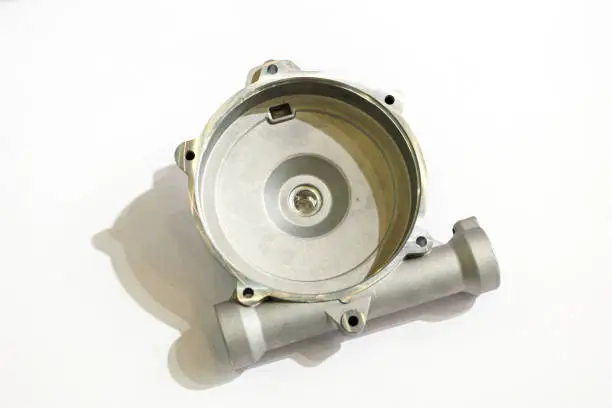
Understanding Aluminum Die Casting and Its Role in Your Supply Chain
Aluminum die casting is a precise way to make metal parts. Molten aluminum alloy is pressed into hardened steel molds under high pressure, which can be anywhere from 1,500 to over 30,000 psi. This High-Pressure Die Casting (HPDC) method makes it easy to make parts quickly that are the right size, have clear features, and have smooth surfaces. The process solves a number of important industrial problems that have a direct effect on the efficiency of your supply chain.
The Core Manufacturing Process
Aluminum metal is heated to about 1,200°F at the start of the HPDC cycle. It is then poured into precision-machined dies at speeds of up to 100 mph. This fast filling fills complicated shapes in milliseconds, catching fine details that other casting methods can't reach. After a short cooling period, usually less than 60 seconds, the hardened part instantly ejects, which means that for smaller parts, cycle times can be as low as two minutes. This speed immediately leads to the ability to scale up production and save money for high-volume uses.
Industry-Preferred Alloy Selection
Some common die casting alloys are A380, which is great for general applications because it flows easily and doesn't leak under pressure; ADC12, which is great for car parts because it keeps its shape better; and A356, which is better for structural applications because it has better mechanical qualities. Each metal has different trade-offs between how easy it is to make, how strong it is, how well it resists corrosion, and how well it transfers heat. The metallurgical knowledge and alloy selection skills of your partner have a direct effect on how well the part works in your unique working area, such as the heat inside an engine, the risk of corrosion along the coast, or the need for electrical conductivity.
Advantages Across Industrial Applications
The process gives very high strength-to-weight ratios, which are important for projects to make cars lighter and for use in aircraft. Aluminum parts are about one-third as dense as steel, so they make vehicles lighter by 40 to 60 percent compared to metal options. This directly improves gas mileage and EV range. These castings are great for getting rid of heat in power circuits and 5G communications equipment because they have a thermal conductivity of about 96 to 120 W/m·K. The formation of a natural oxide layer protects against corrosion, which extends the service life in harsh conditions without the need for extra protective coats.
Besides the qualities of the material, aluminum die casting allows for near-net-shape production, which gets rid of the need for multiple assembly steps. Complex shapes with mounting ends, cooling channels, and built-in fixing features can be cast as a single unit, which cuts down on the number of parts and assembly work. This combination makes the structure stronger while also lowering the total cost of the system, which is a huge benefit when it comes to lowering bill-of-materials costs across product lines.
Quality Considerations in Process Control
Even with these benefits, die casting has quality problems that need careful process control. Gases that get caught can cause holes in materials that are supposed to be tight and strong. If you don't use gate design and cooling control correctly, shrinkage during solidification can lead to changes in size. Surface flaws like cold shuts and flow marks can make something look bad or stop it from working properly. Your partner's process knowledge in controlling these factors through simulations, real-time tracking, and statistical process control directly affects the consistency of the parts and your guarantee risk.
Core Criteria to Evaluate When Selecting an Aluminum Die Casting Partner
To choose the right aluminum die casting partner, you need to carefully look at them from a number of different angles. It doesn't matter how advanced your manufacturing skills are if your quality processes aren't rigorous or your communication isn't reliable. Structured evaluation models that combine technical skill, quality assurance, operational flexibility, and strategy fit are used by successful procurement teams.
Manufacturing Capabilities and Technical Expertise
First, look at the core equipment for production. Does the facility use a range of casting technologies, such as high-pressure die casting for intricate thin-wall parts, low-pressure casting for structural parts that need to have better mechanical properties, and gravity casting for bigger, less-frequent jobs? This variety shows that they have a lot of knowledge and can help you find the best processes for your needs. Check how well they can make molds, and make sure they have modeling tools that can predict fill patterns and thermal stress. This will keep you from having to make expensive tooling changes.
Precision cutting capabilities built into the casting facility speed up production and make it easier to control the sizes of the parts. When post-casting CNC processes happen in the same building, there are no handoff delays or quality risks that come with sending rough casts to machine shops outside the company. Look for places that have high-speed machining centers that can hold limits of ±0.05mm. This is especially important for electrical link connections and mounting surfaces for cars, where misalignment can cause problems with assembly.
Quality Assurance Systems and Certifications
Although certifications give you a basic level of trust, you should still do more research. ISO 9001 shows basic quality management, while IATF 16949 talks about the needs of the car industry, covering things like PPAP documentation, FMEA processes, and methods for ongoing improvement. For aircraft uses, you have to have AS9100 certification and strong traceability methods. Instead of looking at certificates in the lobby, look at real quality paperwork like control plans, inspection records, and responses to corrective actions to see how rigorous things are in practice compared to how they are supposed to be.
Using high-tech testing tools for aluminum die casting shows that you are committed to quality control. Coordinate measuring tools (CMM) that are paired with statistical process control software can check the dimensions of all important features one hundred percent of the time. X-ray inspection tools find internal porosity that can't be seen with the naked eye. This keeps pressure-containing devices from failing in the field. Spectrometers check the makeup of new materials and find alloy replacements before production starts. These investments in metrology set partners who see quality as a competitive benefit apart from those who see it as a compliance problem.
Lead Times and Production Flexibility
Knowing what reasonable lead times are helps keep schedules from getting thrown off. Usually, making tools for complicated dies takes 8 to 12 weeks. However, faster methods can cut this time down to 6 weeks for an extra fee. Sample creation and validation can take an extra two to four weeks, based on the needs of the tests. Production wait times depend on how complicated the part is and how many of them are ordered. For example, simple clamps can ship within three weeks, but complex housings that need a lot of machining take six to eight weeks. Instead of making hazy vows, your partner should give you clear timelines with tracking of milestones.
When demand changes, production flexibility is important. Can they increase sales by 30% with two weeks' notice, or do their strict schedules force you to keep extra stock? Do they keep extra capacity on hand to meet your urgent needs without stopping scheduled deliveries? Partners whose facilities are only 85% full show more freedom than those whose facilities are 98% full, where any problems cause delays. This business profit is especially useful when a new product comes out and sales suddenly go up.
Geographic Location and Logistics Optimization
Global buying gives you more choices, but the location affects the total cost and danger. Partners in the United States that are based in the same country offer faster lead times, easier site trips for process validation, and less tariff risk. But they might have higher labor costs, which could change the price for large orders. It's easier to compare prices when you know the landed cost, which includes freight, duties, the cost of moving goods over longer pipes, and risk premiums.
Think about tactics that use two sources to balance cost and resilience. A main overseas partner for steady-state numbers and domestic capacity for prototypes and spike demand are the best ways to improve both cost and flexibility. This strategy was very important during recent problems in the supply chain, when companies with a wide range of suppliers kept making things while rivals had to shut down. Your partner's willingness to work with you on these kinds of strategies instead of expecting exclusive deals shows that they want to focus on the customer.
Matching Your Project Needs to the Right Die Casting Partner
The success of partner selection depends on how well their skills match your needs. If a supplier is great at making a lot of cars, they might not be able to handle making modest amounts of industrial tools with lots of design changes in aluminum die casting. Matching skills to needs keeps everyone from getting frustrated and improves results.
Industry-Specific Application Requirements
For car applications, aluminum die casting needs strict PPAP documentation, automotive-grade quality processes, and the ability to handle change over long production lifecycles. Partners who work with this sector know the size requirements that come from being able to swap parts between assembly sites and the guarantee issues that come up when things break in the field. They take care of production tools for hundreds of thousands of rounds by using preventative maintenance to stop fatal die failures.
Custom Versus Standard Component Decisions
Custom die casting is needed when combining parts makes assembly easier, when intellectual property needs to be protected by special shapes, or when performance needs are higher than what a catalog can provide. Buying specialized tools, which usually cost between $15,000 and $75,000 based on how complicated they are, is a good idea when the number of units produced each year is more than a few thousand or when the need for a competitive edge supports the up-front cost. Your partner should give you a break-even analysis that compares custom development to standard components that have been changed.
Prototype Services and Design Validation Support
Robust prototype methods make production changes less risky. Some partners offer 3D-printed metal samples that can be used for form-fit testing within two weeks, but the qualities of the material are different from those used in production casting. Others offer short-run tooling that makes real die-cast models for functional testing. This takes an extra 4 to 6 weeks, but it gives production-representative confirmation. Knowing these choices and the pros and cons of each helps set development schedules that balance speed with trust in confirmation.
Balancing Cost, Quality, and Timeline Constraints
Cost goals, quality standards, and release dates all have to be balanced in every job. Partners with a lot of experience can help you figure out these trade-offs by having open conversations about what's possible and what the effects will be. To meet strict cost goals, designs may need to be simplified so that less work needs to be done on them, or limits may need to be widened slightly when the function allows it. Due to tight deadlines, it may be necessary to pay more for freight or work extra hours, which will cost more. The best way for these talks to go is for both sides to be honest about their limitations instead of making promises that neither side thinks they can keep.
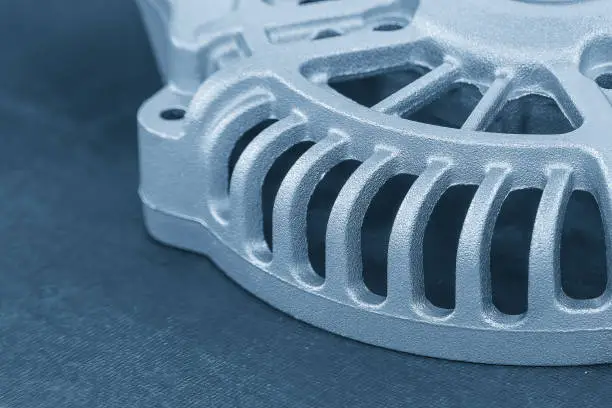
Conclusion
To find the best aluminum die casting partner, you need to think about their technical skills, quality systems, operating flexibility, and culture fit. It's not enough to just compare quotes; you also need to see if a potential partner knows the specific needs of your business and is willing to work with you to solve problems. Partnerships work best when both people are committed to each other's success through open communication, common goals, and taking responsibility for the outcomes.
The review method described here—looking at the company's ability to make things, its quality certifications, its design support, and its experience in this particular industry—gives this difficult choice some structure. False starts that cost a lot of money can be avoided by thoroughly validating and having clear expectations. When you find a partner whose technical depth fits your needs and whose operational values are the same as yours, you build a basis for long-term economic edge through better component quality, on-time delivery, and constant improvement.
FAQ
What are typical lead times for aluminum die casting projects?
Lead times depend on the stage of the job and how complicated it is. Usually, making new die tools takes 8 to 12 weeks, but for smaller shapes, it may only take 6 weeks. For initial confirmation, making prototype samples takes an extra two to three weeks. Production runs vary based on quantity and complexity, ranging from three weeks for simple brackets to six to eight weeks for complicated housings that need a lot of secondary cutting. Giving partners accurate forecasts and keeping in touch on a regular basis helps them focus your needs while keeping their production plans under control.
How do casting defects impact component performance?
In situations where fluid is present, porosity makes it harder to keep the pressure inside, and it also weakens the tensile strength of structure parts. Shrinkage changes the size of things, which can make it harder for them to fit together. Surface flaws, like cold shuts, make places where cracks can start, which shortens the wear life. Because of these flaws, strict quality control is needed, such as checking for internal holes with an X-ray, making sure the dimensions are correct with a computerized measuring machine, and using metallography to confirm the microstructure. Knowing the effects of a flaw helps you choose the right level of inspection rigor based on how important the application is and how much risk you are willing to take.
Can die casting partners assist with design optimization?
Partners with a lot of experience can help with design, which can reduce weight, make it easier to make, and lower costs. Their application experts figure out the best wall thicknesses based on strength and filling capacity. They also offer rib patterns that give the most stiffness per unit weight and draft angles that make ejection easier without damage. These talks usually happen during the idea stages, before the final plans are made. This keeps expensive changes to the tools from having to be made. Partners who see themselves as creative engineers instead of order-takers provide this proactive support, which speeds up development and improves the performance of the final component.
Partner With Fudebao Technology for Your Aluminum Die Casting Needs
With full manufacturing skills that cover the whole production process, Zhejiang Fudebao Technology is ready to meet your needs for precision parts. Our building has high-speed machining centers, CNC lathes, low-pressure casting machines, and aluminum die casting tools all in one place. This means that we can send your parts from the first melt to the final surface treatment all in one trip. We keep our measurements accurate to within 0.05 mm, which lets us meet the high standards of precise parts for cars, medical equipment housings, and industrial parts sold all over the world.
Get in touch with our tech team to talk about the needs of your unique application. As a well-known company that makes aluminum die castings, we offer full technical proposals with process suggestions, quality plans, and reasonable price structures. Visit fdbcasting.com or email us at hank.shen@fdbcasting.com to find out how our precision production services can help your supply chain for parts.
References
North American Die Casting Association. (2022). Product Specification Standards for Die Castings: Produced by the High Pressure Die Casting Process. NADCA Publication.
American Foundry Society. (2021). Aluminum Casting Technology: Fundamentals and Applications in High-Pressure Die Casting. AFS Technical Publications.
SAE International. (2023). Die Casting Dies and Equipment: Design, Construction, and Performance Standards. SAE J1960 Standard.
ASM International. (2020). Casting Design and Performance: Properties of Aluminum Die Cast Alloys. ASM Handbook Volume 15.
Society of Manufacturing Engineers. (2022). Advanced Die Casting Technologies: Process Optimization and Quality Control Methods. SME Technical Paper Series.
International Journal of Metalcasting. (2023). Quality Assurance in High-Pressure Die Casting: Defect Prevention and Process Control Strategies. Springer Manufacturing Research Publication.



_1756347888208.webp "New energy motor shell")
_1756348543350.webp "Automotive Turbine Casting")
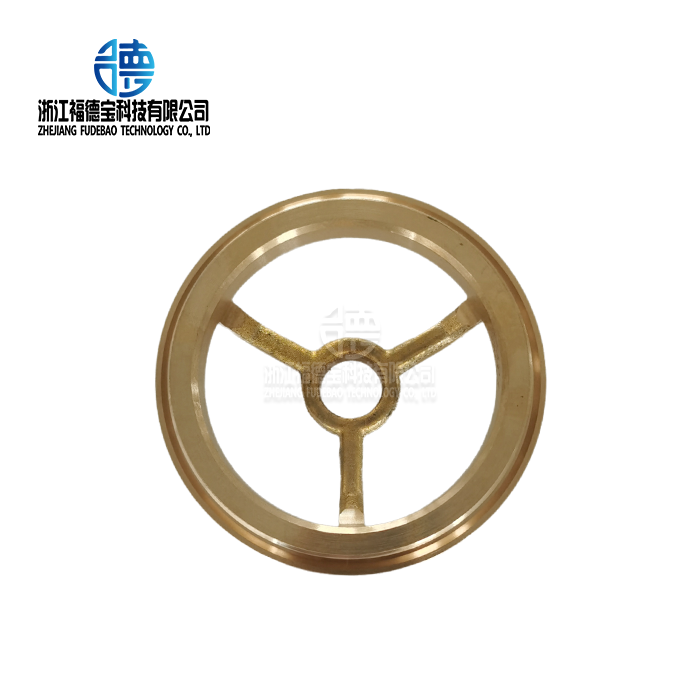
_1756352822273.webp "Stainless steel plugs")
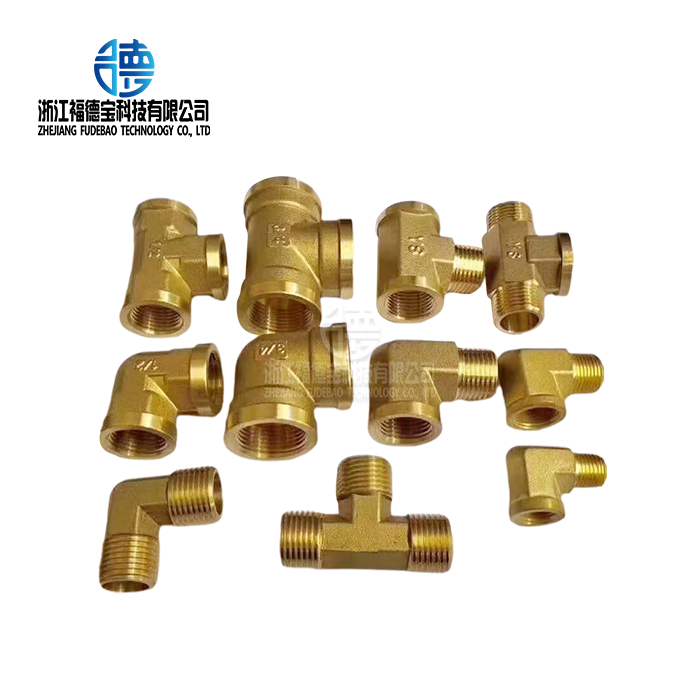
_1756349071334.webp "HAAS mounting bracket")
_1756348711711.webp "anti surge turbo housing")
_1756346421748.webp "Aluminum casting telescopic bracket Parts")