What are Common Applications for Aluminum Die Cast Components?
2026-04-07
Aluminum die casting components serve as critical elements across diverse industrial sectors, from automotive engine housings and transmission cases to telecommunications infrastructure heat sinks and aerospace structural brackets. This manufacturing process leverages molten aluminum alloy injected at high pressure into precision steel molds, producing parts with exceptional dimensional accuracy, complex geometries, and superior strength-to-weight ratios. The technology addresses key engineering challenges including weight reduction for fuel efficiency, thermal management in high-performance electronics, and scalable mass production with minimal secondary operations, making it indispensable for OEMs prioritizing both performance and cost-effectiveness in their supply chains.

Understanding Aluminum Die Casting and Its Benefits
High-pressure aluminum die casting is a precise way to shape metal. It uses controlled pouring into hardened steel molds to turn liquid aluminum into parts that are very close to a net shape. With pressures ranging from 1,500 to 30,000 psi, this method makes parts right from the mold that have clear details and smooth surfaces. We have seen how this process greatly improves the efficiency of manufacturing by combining several welded assemblies into a single casting. This cuts production time and possible failure spots by a huge amount.
How the Process Works
Before being injected at high speed into the die hole, the molten aluminum metal heats up to about 1,200°F. When pressure is kept on the material for a long time, it hardens quickly and accurately copies even the most complex mold features. Depending on the size and complexity of the parts, this fast cooling cycle lets more than hundreds of parts be made every hour. Modern machines with automatic systems keep shot weights and fill patterns the same, so the same dimensions are always used in production runs.
Key Advantages for Industrial Manufacturing
This technology is the best choice for challenging tasks because it has many technical benefits. The process makes wall parts as thin as 1.5 mm while keeping the structure strong, which is hard to do with standard casting methods. With thermal conductivity values between 96 and 120 W/m·K, these parts are great for getting rid of heat in power electronics and EV battery systems. The natural oxide layer that forms on metal surfaces protects against corrosion, so parts last longer in harsh settings without having to pay extra for coatings. When looking at startup costs, die casting is more cost-effective for making more than 5,000 units per year because the equipment amortization per part is much lower than with CNC machining.
Comparison with Alternative Manufacturing Methods
Sand casting produces parts that are bigger, but the surface quality and measurement accuracy aren't as good, so they often need a lot of machining to meet standards. Fine features can be made with investment casting, but the process takes longer and more material is wasted. When CNC machines are used on billet stock, they can ensure tight tolerances, but they have to remove up to 70% of the raw material as chips, which adds to the cost and wait time. From working on many projects, we've learned that die casting is the best way to go, especially when the design is complicated and has undercuts, internal passages, or built-in mounting features that would need to be machined on multiple axes or put together using other methods.
Common Industry Applications of Aluminum Die Cast Components
Pressure-cast aluminum die casting can be used in many different fields where engineers need to balance mechanical performance with weight and heat qualities. Different industries use different qualities of materials to solve different problems.
Automotive and Transportation Sector
Weight reduction has a direct effect on fuel economy scores in many areas, but it's especially important for engine parts. Cylinder heads made of the A356 metal can handle high temperatures and combustion pressures, and they have many coolant tubes for precise temperature control. ADC12 metal is used in transmission housings because it is easy to make and very strong. It supports gear assemblies while keeping the total drivetrain mass low. Die-cast structural parts are being used more and more by electric vehicle makers. Some new designs include whole rear underbodies that are made of a single casting that weighs less than 80 kg but provides the same level of crash protection as stamped steel sections. The process can make complicated load-bearing shapes with consistent wall thickness, which is useful for making steering column brackets, suspension mounting points, and differential cases. There are strict PPAP paperwork standards that these applications must meet. These include dimensional reports, material certifications, and process capability studies that show Cpk values above 1.33 for key features.
Electrical and Energy Equipment
Aluminum molds are used in power distribution structures because they are good at conducting electricity and last a long time in harsh environments. Transformer housings made of metallic metals block electromagnetic waves and get rid of the heat that is produced during use. Motor end-shields are made of a single piece that has fastening bosses and bearing pockets built in. This keeps the balance precise for the life of the motor. Components made of cast aluminum are used in wind turbine hubs and sun tracking devices for renewable energy sources because they are resistant to corrosion and strong mechanically. Grid-scale energy storage battery management system housings need to be sealed to IP65 standards. This can be done with precise die surfaces that fit with gasket materials without the need for extra sealing steps. The low density of the material compared to copper or steel makes it less likely that outdoor installations will be damaged by wind and earthquakes.
Industrial Machinery Components
Cast aluminum alloys are used to make pump bodies and compressor housings that can withstand constant shaking and keep their shape when temperatures change. The material's damping properties make gearbox parts less likely to transmit noise compared to iron or steel parts of the same size. Die casting lets hydraulic valve manifolds include internal flow paths with smooth changes, which reduces pressure drops and turbulence. Parts of a conveyor system like sprocket guards and tensioning brackets are strong and easy to handle when repair work needs to be done. The production process is flexible enough to make both standard, high-volume parts and custom designs for specialized equipment. Lead times are often 40% shorter than for fabricated options that need to be welded and put together.
Aerospace and Defense Applications
Strong-to-lightweight ratios and material pedigrees that can be tracked are needed for aircraft structural braces and electronics housings. Alloys that meet AMS standards go through strict checking procedures, such as an X-ray to check for internal cracks and a dye-penetrant test to check for surface flaws. Ribs and gussets are used in component designs to make them as strong as possible while keeping their weight as low as possible. Some aircraft braces have structural efficiency ratios higher than forged aluminum at half the cost. Weapons system parts need to be able to withstand temperatures ranging from -40°F to +100°F in the desert. Aluminum's thermal stability stops it from warping, which would affect the accuracy of targets. To make sure that AS9100 quality control standards are met, each batch of castings needs to have written records of its heat treatment and destructive samples to check its mechanical properties.
Design Guidelines and Quality Considerations for Aluminum Die Cast Components
To create good aluminum die casting components, you need to know how the flow and solidification of materials affect the quality of the end part. We've learned from years of production experience that paying close attention to certain geometric factors keeps mistakes and redo rounds from happening, which costs a lot of money.
Optimizing Wall Thickness and Draft Angles
Even cooling is helped by uniform wall sections, which also lower internal stress amounts that can cause buckling. Most structural uses aim for a thickness between 2.5 mm and 6 mm, with smooth changes between different parts to avoid hot spots during solidification. Draft angles between 1.5 and 3 degrees make it easier to remove parts without hurting their finishes or other sensitive parts. We require radii of at least 0.5 mm, and ideally larger when functional needs allow. This is because sharp internal corners concentrate stress during both casting and service loading. To keep sink marks from showing up on the other side of the support, rib designs should keep width ratios below 80% of the walls next to them.
Alloy Selection for Specific Requirements
The A380 alloy is mostly used in cars in North America because it has good die-filling properties and balanced mechanical qualities. Its maximum tensile strength is about 315 MPa. In Asian production, ADC12 does similar things, but it is a little more flexible, which is good for parts that are going to be hit hard. The T6 heat treatment is done on A356 for aircraft uses that need it to be stronger, up to 280 MPa yield with 5% stretch. Copper in these metals makes them easier to work with, but it also makes them less resistant to corrosion in marine settings. This means that you should choose the right material based on how it will be used. Adding magnesium strengthens the grain structure through precipitation hardening, while adding alloying elements like silicon makes the material flow better when it's being poured into a mold.
Quality Control and Defect Prevention
The most common flaw in casting is still porosity, which is caused by trapped gas or not enough pressure during solidification. By emptying the die hole before metal injection, vacuum-assisted die casting methods make X-ray-clear casts that can be used in pressure-tight situations. Cold shuts happen when two metal streams meet without properly joining. This can be avoided by making the gate design better and raising the injection temperature. Coordinate measuring tools are used for measure verification to make sure that feature locations are within certain limits, usually ±0.1mm for non-critical dimensions and ±0.05mm for machined datums. Multi-cavity tools use statistical process control charts to keep track of changes from one cavity to the next. This helps find wear trends before they cause parts that don't meet specifications.

Procuring Aluminum Die Cast Components – How to Choose the Right Supplier
Choosing the right aluminum die casting supplier affects not only the quality of the parts, but also the timeliness of the program and the total cost of the product at the end of its existence. Procurement teams should look at more than just the piece prices that are given.
Certifications and Quality Systems
ISO 9001 certification shows basic quality management infrastructure, while IATF 16949 covers the needs of the car industry with advanced product quality planning and stacked process checks. Aerospace manufacturers need to keep their AS9100 license up to date and get special process approvals for things like heat treatment and non-destructive testing. In addition to certificates, you should also look at real quality records that include first-pass yield rates, customer return data, and timelines for when corrective actions were completed. Suppliers who give you clear access to quality data through web sites show that they are confident in their processes and make it easier to solve problems before they get to your dock.
Manufacturing Capabilities and Capacity
Die casting machines can clamp up to 4,000 tons of metal, and the size of the parts they can make is limited by the machine's capacity. Make sure that potential sources use equipment that is right for the range of parts you need without pushing the limits of the equipment to the point where it affects the security of the process. Integrated facilities that combine casting with CNC machining, surface treatment, and assembly make handling easier and lower the quality risks that come with handing off work from one provider to another. At Zhejiang Fudebao Technology, our factory has high-speed machining centers, CNC lathes, low-pressure casting machines, and high-pressure die casting cells. These machines work with HAAS Automation equipment to make parts from raw alloy all the way through to finished assemblies with accuracy of up to ±0.05mm. With this kind of vertical integration, wait times are cut down while quality control is kept up at all stages of production.
Custom and Low-Volume Production Services
When tooling costs are high, prototype development and small-batch production pose special problems. Soft aluminum dies allow for test runs of 500 to 2,000 pieces at a third of the cost of solid steel production dies. This lets designs be proven before investing in full-scale casting. Suppliers who offer design for manufacturability reviews during the quote phase find casting problems early on, which saves money on changes that have to be made after the tool is built. We've helped many clients choose the right metal and find the best shape for their parts by using our knowledge from making precision parts for cars and housings for medical equipment to shorten development times while still meeting strict accuracy standards.
Conclusion
Due to their superior strength-to-weight performance and thermal qualities, aluminum die casting components are very useful in a wide range of applications, including automobile powertrains, telecoms infrastructure, industrial machinery, and aircraft structures. The manufacturing method makes complex geometries with great accuracy in the dimensions at a price that is competitive for middle to high production numbers. It's not enough to just compare prices to be a good buyer; you need to know about design factors, alloy properties, and suppliers' skills as well. Strategic relationships with qualified makers guarantee consistent quality, a stable supply chain, and technical help during the creation and production stages of a product. This is what determines the success of the program in the global market, which is very competitive.
FAQ
What factors affect the cost of aluminum die casting parts?
Tooling complexity requires the biggest initial investment. For example, multi-cavity production dies require a lot of money up front, but they will pay for themselves over time as they are used. The size of the part directly affects the machine needed and the cycle time. Bigger parts need heavier equipment and longer solidification times, which lowers the hourly output. The choice of material affects the cost of the raw materials, but the price of aluminum alloy stays pretty fixed compared to copper or specialty metals. It takes more time and work to do secondary operations like machining, surface treatments, and testing routines. When you commit to a certain number of pieces, the unit economics change dramatically. Between 5,000 and 50,000 pieces per year, costs drop sharply as tooling wears out across more parts.
How long does it usually take to make something from order to delivery?
It takes 8 to 12 weeks to build a new tool, based on how complicated the die is and how many cavities it has. This time includes getting approval for the design, steel cutting, polishing, and testing samples. Production sample makes first items for checking measurements and getting approval from the customer. This process takes an extra two to three weeks. Once accepted, production runs go on all the time. Cycle times for small parts are 30 seconds, while cycle times for big, complex parts are several minutes. Post-casting tasks like trimming, machining, and surface finishing can take an extra one to three weeks, based on the needs of the standard. When a buy order is received, established production tools that can handle repeat orders are shipped within 4 to 6 weeks, as long as regular material availability and capacity scheduling are followed.
Can aluminum die casting make parts with complicated insides?
When sand cores are put inside the die opening before the metal is injected, they make holes and passages inside that can't be machined out of solid material. With this method, cooling channels are made in engine parts, fluid paths are made in hydraulic manifolds, and weight-reduction pockets are made in structure brackets. It is important for core designs to take into account how the metal will expand when it is made and how it can be removed through holes in the end shape of the part. Collapsible cores made of salt or ceramic allow for shapes with undercuts or enclosed spaces. Chemical or heat processes dissolve the cores after casting. Product engineers and tools experts working together on design finds the best core strategies early on in the development process, which saves a lot of money on redesigns that are needed because of problems with how the product can be made.
Partner with Fudebao Technology for Your Die Casting Needs
Zhejiang Fudebao Technology is a world-class company that makes aluminum die casting for automakers, companies that make industrial equipment, and people in North America who need accurate parts. Our combined manufacturing campus has cutting-edge high-pressure die casting machines, low-pressure casting systems, and CNC machining centers from HAAS Automation. These tools help with the whole production process, from melting the raw alloy to finishing it precisely and treating the surface. We give you parts that are within 0.05 mm of tolerance along with full PPAP paperwork, material approvals, and dimensional reports to help your quality systems. During the planning phase, our engineering team works together to make sure that the geometries are optimized for casting while still meeting functional needs and cost goals. No matter if you need gearbox housings for cars, parts for electrical enclosures, or special industrial parts, our vertical integration guarantees consistent quality and on-time delivery. Contact our technical team at hank.shen@fdbcasting.com to talk about your needs, get quotes, or find out how our skills as an aluminum die casting supplier can improve your supply chain through proven knowledge and top-notch production.
References
North American Die Casting Association (NADCA). Product Specification Standards for Die Castings Produced by the Semi-Solid and Squeeze Casting Processes. NADCA, 2019.
Kaufman, J. Gilbert, and Elwin L. Rooy. Aluminum Alloy Castings: Properties, Processes, and Applications. ASM International, 2004.
Bralla, James G. Design for Manufacturability Handbook. Second Edition, McGraw-Hill Professional, 1998.
American Foundry Society. Aluminum Casting Technology. AFS Technical Publications, 2017.
Society of Automotive Engineers. AMS 4291: Aluminum Alloy Die Castings 7.0Si-3.0Cu (A380) Solution and Precipitation Heat Treated. SAE International, 2020.
Bonollo, F., et al. Aluminum Alloy Engineering: Comprehensive Overview from Processing to Applications. Materials Science Foundations, Trans Tech Publications, 2011.



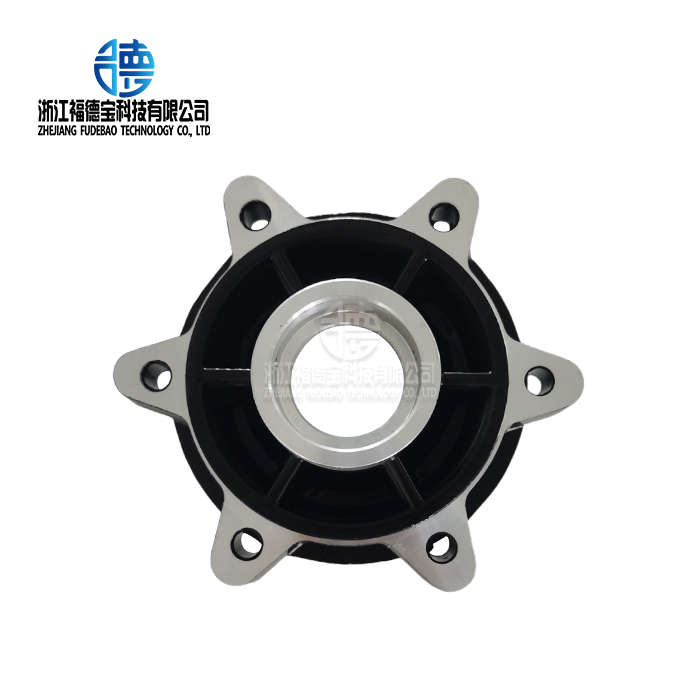
_1756345939856.webp "Aluminum casting chassis")
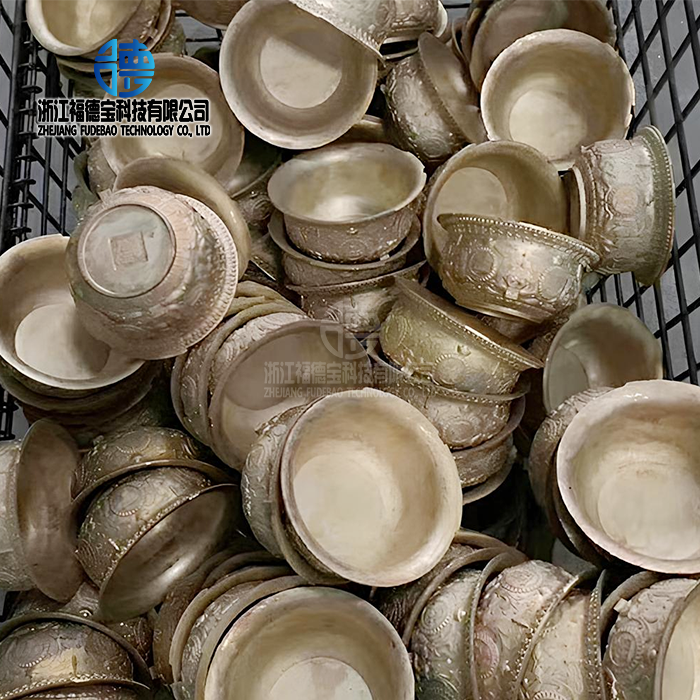
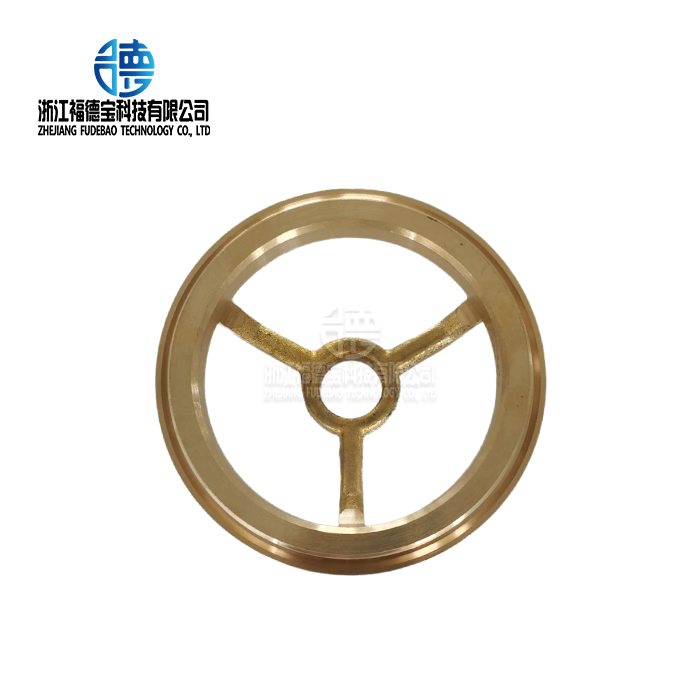
_1756352712247.webp "stainless steel hex plug")
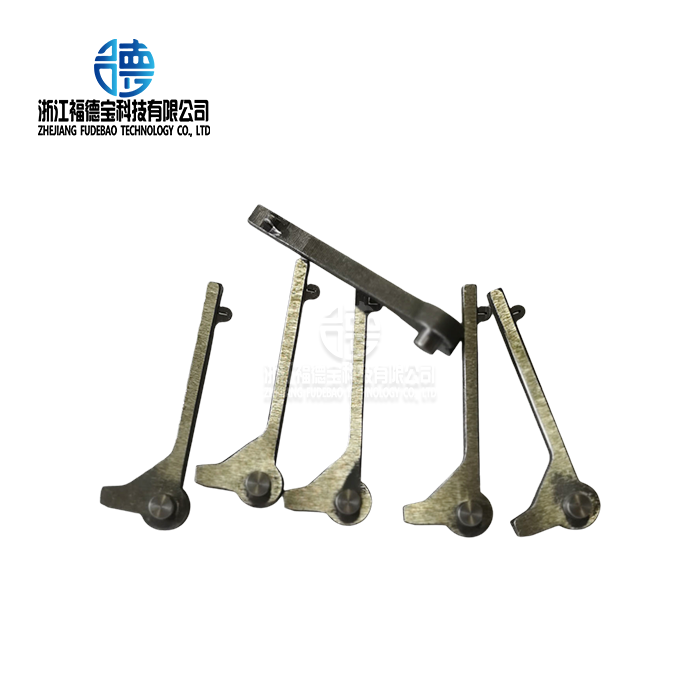
_1756348711711.webp "anti surge turbo housing")