
Trends in Aluminum Casting for the Automotive Industry
2026-03-04
Aluminum die casting has become a key technology in contemporary production as a result of the auto industry's ongoing efforts to make cars that are lighter, stronger, and use less fuel. This advanced casting method gives car OEMs and tier-1 suppliers the accuracy, strength, and weight reduction they need for a wide range of uses. Manufacturers are using high-pressure die casting, vacuum-assisted methods, and automated production systems more and more to meet strict car standards and make mass production more cost-effective.
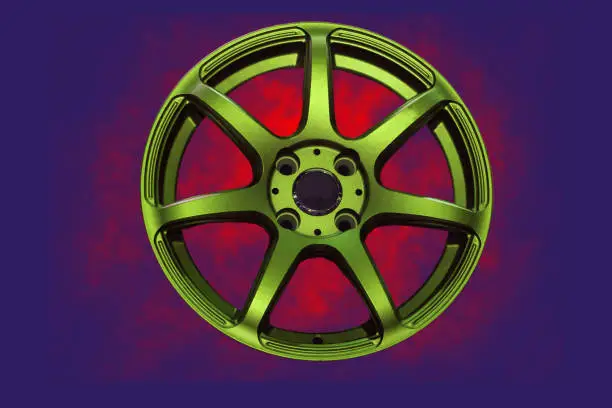
The Evolution and Current Trends in Aluminum Die Casting for Automotive Applications
Cutting-edge aluminum casting technologies are being used more and more because of changes in the way cars are made. These changes have completely changed how we make parts for cars. This change is very different from the way things have been done in the past. It was caused by the pressing need in the industry for lightweight solutions and better performance.
Advanced Casting Technologies Revolutionizing Production
In modern car production, complex die casting methods have been adopted that provide unmatched accuracy and dependability. High-pressure die casting methods can now work at pressures higher than 4,000 psi, which makes it possible to make shapes with walls as thin as 2 mm. These systems make housings, frames, and structural parts for cars that are very accurate in terms of size, meeting the ±0.05mm standards needed for important uses.
Vacuum-assisted die casting has become a game-changer for parts for cars that need to have better mechanical qualities. Compared to traditional ways, this technology gets rid of air pockets, which cuts density by up to 90%. This makes the parts stronger and more reliable so they can handle the rough conditions found in engine bays and frame uses.
Squeeze casting technology takes the best parts of both forging and casting and mixes them to make parts that are almost net-shaped and have mechanical properties similar to those of worked aluminum. This method works especially well for parts of cars that are safety-critical and must be strong and reliable at all times.
Integration of Smart Manufacturing and Process Monitoring
Modern foundries that make aluminum die castings use tracking tools that work in real time to keep an eye on important process variables during the whole casting cycle. Computerized quality control systems, pressure tracking tools, and temperature monitors make sure that the parts' quality stays the same and that there isn't too much waste. With these technologies, companies can get first-pass yield rates of over 95%, which cuts costs and shipping times by a large amount.
Machine learning and artificial intelligence programs can now predict casting flaws before they happen, which lets operators change process parameters before they happen. Leading automotive casting centers have cut scrap rates by 30–40% using this predictive method. This has had a direct effect on the bottom line for both makers and their automotive customers.
Material Innovations and Design Guidelines Shaping Aluminum Die Casting in the Automotive Sector
A good choice of aluminum alloys and using the best design techniques are still very important for making car casting projects successful. By understanding these material properties and design rules, engineering teams can make parts that work better while also making them easier to make and less expensive.
Advanced Alloy Selection for Automotive Applications
Due to its high strength-to-weight ratio and resistance to rust, A356 aluminum alloy has become the best choice for structural parts in cars. After the right heat treatment, this metal can hit 310 MPa tensile strength, which means it can be used for engine mounts, suspension parts, and chassis parts. Its silicon content makes it easy to cast and keeps the mechanical qualities that are important for car uses.
A380 alloy is great for complicated car housings and brackets because it is better at die-filling and keeping its shape. Because it has the right amount of silicon, copper, and magnesium, A380 gives stable casting results for parts with different shapes. Because this alloy is so easy to machine, it can be used for accurate secondary processes that are needed for current automotive systems.
For large production runs, the car industry has also started to use special metals like A383. This alloy's better fluidity and lower shrinkage make casting flaws less likely while still having good enough mechanical qualities for non-critical uses like artistic trim and housing parts.
Design Optimization Principles for Automotive Castings
Managing wall thickness well is a key part of avoiding common casting flaws and making sure parts are strong enough. Wall widths for automotive parts should usually be between 3 and 6 mm, with slow changes to avoid stress concentrations. Lack of uniform thickness stops porosity and shrinking flaws that damage the part's structure.
Draft angles between 1-3 degrees make it easier for parts to come out of casting dies smoothly and with few surface flaws. The right rib design strengthens the structure without adding extra weight, which is important for car uses that need to stay light. Placement of gates and vents in a planned way makes sure that the die is fully filled while reducing flaws caused by flow.
Fillet angles at section changes lower stress levels and make the flow of the casting better. Large radii at corners and joints are good for automotive parts. Depending on the part size and application needs, these radii are usually between 1.5 and 3 mm.
Comparative Insights: Aluminum Die Casting vs Alternative Methods in Automotive Manufacturing
Learning about the benefits of aluminum die casting compared to other ways of making things helps buying teams make smart choices about how to source parts. Through this research, we can see why major automakers are choosing die-cast aluminum parts for more and more uses.
Performance Advantages Over Competitive Materials
When compared to zinc and magnesium alternatives, aluminum die casting has better strength-to-weight ratios. It can save 40–60% of weight compared to standard iron casts. This weight loss directly leads to better gas mileage and lower pollution, which is in line with the environmental goals of the car industry. Aluminum doesn't need expensive protective coats like metal materials do because it doesn't rust naturally.
Aluminum casts are great for engine parts and electrical housings because they are thermally conductive and can get rid of heat quickly. This thermal management feature keeps parts from getting too hot and keeps their dimensions stable across a wide range of working temperatures.
When it comes to strength and temperature stability, aluminum die casting is much better than plastic injection molding. Plastics may have lower material costs, but aluminum parts for safety-critical car uses are stronger and more durable.
Manufacturing Efficiency Compared to Traditional Methods
Die casting can make things 5–10 times faster than sand casting, and the finished products have better surface finishes and are more accurate in size. This speed benefit cuts down on lead times and makes supply chain management more flexible, both of which are important in today's fast-paced car development cycles.
Because die casting can make shapes that are close to net shapes, less material is wasted and less extra cutting is needed. Parts usually only need a few finishing steps, which speeds up production and lowers the total cost of production.
Die casting tooling costs are higher than sand casting tooling costs at first, but they go down quickly over the large production volumes that are common in car uses. Modern die casting equipment is worth the initial investment because it has longer tool life and consistently high-quality parts. This is because it lowers the cost per piece and makes the process more reliable.
Procurement Strategies and Market Considerations for Aluminum Die Casting in Automotive Projects
To successfully buy aluminum die-cast parts, you need to know a lot about what affects costs, what suppliers can do, and how the market works. Strategic methods that balance quality, cost, and delivery needs while keeping the supply chain flexible are helpful for engineering managers and buying directors.
Cost Structure Analysis and Optimization Strategies
Material costs usually make up 40–50% of the total cost of an assembly, and the choice of aluminum metal has a big effect on the overall project's cost. Understanding how product prices change over time and setting up the right contractual processes can help keep costs from going up and down and make sure that planning for car projects is reliable.
Tooling costs vary a lot depending on how complicated the parts are and how many are being made. Tooling costs for simple housings can range from $50,000 to $100,000, while costs for complicated structure parts can go over $300,000. Spreading these costs out over the expected amounts lets you get accurate piece-price estimates and make smart choices about where to get materials.
20 to 30 percent of the total cost of a component goes to secondary processes like grinding, surface treatment, and finishing. When you choose providers with combined capabilities, you can keep operations as simple as possible and often save money by cutting out markup layers.
Supplier Selection and Partnership Development
If you're looking for a casting partner, you should check out their professional skills, quality control methods, and output. For suppliers of aluminum die castings, they should show that they know how to follow quality standards for the car industry, like the IATF 16949 certification and PPAP paperwork methods. Coordinate measuring machines and non-destructive testing equipment are two examples of high-tech checking tools that show a company is serious about meeting quality standards for cars.
Cost patterns and supply chain risk levels are both affected by geography. When it comes to logistics, domestic providers are closer and easier to work with, while foreign partners may offer lower costs in some situations. Automotive companies that do well tend to have a wide range of suppliers, which helps balance these different factors.
Planning for capacity is very important during the launch part of a product, when production rates rise quickly. Suppliers should show that they can allocate their capacity and make investments in a way that can adapt to changing needs without lowering quality or delivery performance.
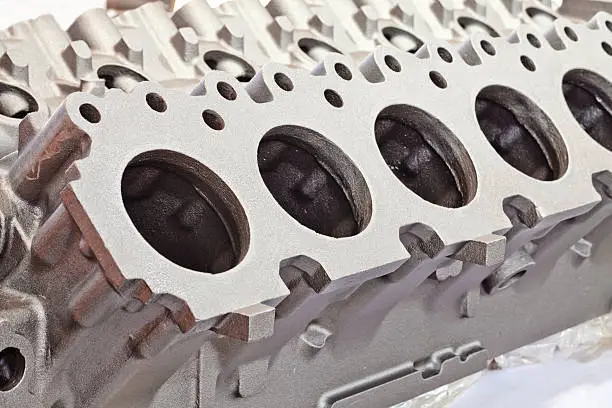
Addressing Challenges in Aluminum Die Casting: Quality Control and Defect Mitigation
To get uniform quality in aluminum die-cast automotive parts, possible flaws must be found and fixed before they happen. Knowing the most common ways that parts fail and taking the right steps to stop them from happening makes sure that parts work reliably and cuts down on guarantee claims and failures in the field.
Common Defects and Prevention Strategies
Porosity is still the biggest problem with car aluminum castings because it can change the mechanical features and make leak paths in parts that hold pressure. By keeping air out of the mold during filling, vacuum-assisted casting methods stop gaps from forming. Turbulence that leads to gas trapping can be reduced even more by using the right gates and keeping an eye on the filling speeds.
Cold shuts happen when metal flows don't bond properly, leaving behind weak planes that weaken the part. Making sure the metal stays at the right temperature and the gates are placed in the best way possible guarantees full die filling and proper melting. Die temperature control devices keep the temperature stable, which helps solidification patterns be regular.
When aluminum solidifies, it shrinks, leaving holes or depressions on the surface or inside the metal. These are called shrinkage flaws. To get rid of these flaws, the solidification processes are controlled by where the feeds and chill zones are placed. Simulation software on a computer can guess how solidification will happen, which lets you make changes before you have to make expensive tools.
Advanced Quality Verification Methods
X-ray screening methods find flaws inside parts, like holes and other foreign objects, without breaking them. High-resolution images from modern digital radiography tools can show flaws as small as 0.1 mm, which allows for a full review of all important parts. Software that automatically finds defects speeds up inspections while keeping the same standards for finding problems.
Coordinate measuring tools check the correctness of measurements and geometric tolerances that are important for car uses. Multi-sensor CMM systems use both touch and non-contact measurement methods, which lets you check the whole part in a single setup. Statistical process control integration keeps an eye on measurement trends and takes corrective steps before parts go beyond the limits of what is allowed.
Using helium mass spectrometry or pressure decay methods, leak testing verifies parts that are under pressure. These non-destructive methods find leak rates below 10^-6 mbar·l/s, which makes sure that car parts meet strict sealing standards for the whole time they are in use.
Conclusion
To meet the growing needs of automakers for lightweight, high-strength parts, the aluminum die casting business is still changing very quickly. Advanced casting technologies, smart metal choice, and high-tech quality control systems make it possible to make parts that work better than usual while also lowering the weight of the whole car and the cost of making them. Automotive companies that use smart buying strategies that take advantage of the skills of global suppliers while still upholding quality standards are better positioned to succeed in markets that are becoming more competitive. Automation, real-time tracking, and predictive quality systems working together are what the future of car aluminum casting looks like. They will make next-generation vehicle platforms more reliable and efficient.
FAQ
What are the main advantages of aluminum die casting for automotive applications?
When compared to iron parts, aluminum die casting has a much higher strength-to-weight ratio, which means that vehicles can be 40–60% lighter. The process gives very accurate measurements, great surface finishes, and high output rates that are good for making a lot of cars. Natural resistance to corrosion means that no coating is needed, and thermal conductivity makes it possible to control heat well in engine and electrical uses.
How do automotive aluminum alloys differ from standard casting alloys?
Alloys made of aluminum for cars, like A356 and A380, are specially made to meet strict quality and functional property standards. These metals have better fatigue resistance, higher tensile strength, and stable castability even when production conditions change. They also meet certain requirements for crash performance, corrosion resistance, and recycling that normal metals might not meet.
What quality certifications should automotive aluminum casting suppliers maintain?
car casting suppliers you can trust should have IATF 16949 certification, which shows they follow car quality control systems. ISO 9001 certification sets the basic standards for a quality system, and specific customer approvals and PPAP documents show that a seller can make cars. More standards, like ISO 14001 for environmental management, are becoming more and more important for auto companies that care about the environment.
How does part complexity affect aluminum die casting costs and lead times?
Complex geometries that need complex tools raise the original cost and lengthen the time it takes to create, but they often lower the cost of additional operations and assembly. Simple parts can be ready for production in 8 to 12 weeks, but complicated parts need 16 to 20 weeks for casting to be finished. Part complexity has a bigger effect on tooling costs than on piece prices. This means that die casting is still a good option for high-volume car uses, even when the shapes are complicated.
Partner with Fudebao Technology for Advanced Aluminum Die Casting Solutions
Zhejiang Fudebao Technology Co., Ltd. is ready to help you with your car aluminum casting needs. They have cutting-edge manufacturing tools and have worked on many global automotive projects before. Our facility has high-pressure die casting machines, precise CNC machining centers, and full quality control systems that work together to make parts that meet the strictest car standards. We are a reliable aluminum die casting provider that can help with everything from making prototypes to mass production. Our services are backed by IATF 16949 approval and years of experience working with cars. Contact hank.shen@fdbcasting.com to talk about your specific needs and find out how our advanced features can help you find the best parts at the best prices while also ensuring the highest quality and dependability.
References
American Foundry Society. "Aluminum Casting Technology Trends in Automotive Manufacturing." Modern Casting Magazine, 2023.
Automotive Industry Research Institute. "Lightweight Materials and Manufacturing Processes for Vehicle Weight Reduction." SAE Technical Papers, 2023.
International Journal of Cast Metals Research. "Advanced Die Casting Techniques for Automotive Applications." Taylor & Francis Publications, 2023.
North American Die Casting Association. "Quality Standards and Best Practices for Automotive Aluminum Components." NADCA Technical Publication, 2023.
Society of Automotive Engineers. "Materials and Manufacturing Processes for Next-Generation Vehicle Platforms." SAE International Standards, 2023.
Aluminum Association Technical Committee. "Aluminum Alloy Selection Guidelines for Automotive Die Casting Applications." Technical Bulletin AA-2023, 2023.



YOU MAY LIKE
_1756360265131.webp "Aluminum casting chair legs")
_1756346668222.webp "Aluminum castings Decorative buckles")