Integrating Casting and CNC Machining in One Supply Chain
2026-03-04
Putting casting and CNC machining together in a single supply chain is a revolutionary way to make things today. It combines the low cost of casting with the accuracy of CNC systems. This combination gets rid of the usual hurdles that used to stand between precision machining and foundry work. This lets makers make complex parts with great accuracy in size while keeping production costs low. These two technologies work well together, which has changed how companies that make cars, airplanes, and industrial equipment find parts and plan their production.
Understanding the Synergy Between Casting and CNC Machining
When you combine casting and precision machining, you get a powerful production environment that works around the problems that come with each process separately. Foundries today know that raw casts often need extra work to get them to the tight limits needed by today's engineering standards.
How Casting and Machining Complement Each Other
Casting is great for making complicated shapes and internal features that would be too hard or too expensive to make from solid stock. Die casting and sand casting can make parts with complex internal passageways that are almost net-shaped, which cuts down on material waste and the need for initial cutting. But cast surfaces often have differences that mean precise cutting is needed for important sizes and surfaces that fit together.
These near-net-shape castings are turned into finished parts that meet strict standards by computer-controlled machining processes. High-speed machining machines can make cast aluminum parts with tolerances of ±0.05mm. This means they can be used for precision industrial tools, parts of cars' engines, and parts of spacecraft's structures.
Material Advantages in Integrated Processing
It is very easy to use combined casting and machining processes with aluminum metals. These materials are great for casting, so they can be used to make complex shapes. They are also easy to machine, which is needed for precise finishing processes. Aluminum's ability to conduct heat well also makes grinding more efficient, cutting down on cycle times and tool wear.
When it comes to the auto industry, where aluminum die-cast engine blocks need to be carefully bored and honed using CNC machining to get the surface finishes needed for best performance, this combination of materials is very useful. In the same way, airplanes use aluminum's high strength-to-weight ratio to make light frames that are then CNC machined for important attachment and interface points.
Process Flow Integration Benefits
Integrated facilities can make the change from casting to milling as smooth as possible, cutting down on the time needed for handling and the chance of damage. Parts can go straight from cooling stations for casting to centers for cutting while staying at the best temperatures for stress relief and keeping their shape.
This smooth process is especially helpful for high-volume production, where consistent quality and shorter wait times have a direct effect on profits. By cutting out the need to move and store parts between different sites, automotive suppliers that make transmission housings or engine parts can save a lot of money.
Challenges in Managing Separate Supply Chains for Casting and CNC Machining
Getting casting and machining services from different providers in the old way causes a lot of practical problems that can have a big effect on the success of the project and the company's profits. These problems are especially bad in fields that need to meet strict quality standards and tight limits on sizes.
Communication and Coordination Difficulties
When you have to deal with more than one service, it can be harder to talk to them, which can cause problems with quality and meeting requirements. When CNC machining shops and casting companies work separately, it can be hard for important design data to move easily between the two. Parts that meet the requirements for casting but don't work right during subsequent CNC machining processes could be the result.
When multiple suppliers have to work together to make changes to standards, tools, and testing processes, engineering change management gets a lot harder. Managing these different processes is especially hard in the automotive business, where PPAP documentation needs to be fully traceable and validated.
Quality Control and Inspection Gaps
When supply lines are separate, there are gaps in inspections where it's not clear who is responsible for making sure dimensions are correct. Cast parts may pass the initial check at machine shops, but they may not show any internal flaws or material inconsistencies until a lot of time and money has been spent on making them.
Because there isn't combined process control, casting settings can't be made better based on feedback from machining. This keeps quality problems going that could be fixed by developing processes together. This separation is especially annoying in aircraft applications that need all production processes to work together smoothly because of standards for material approval and dimensional traceability.
Inventory and Logistics Complications
Keeping different supply lines going means storing inventory in between facilities and transporting it between them more often, which adds to costs and wait times. These inventory gaps use up working capital and make it more likely that items will get damaged or lost while being moved.
Scheduling gets harder because shipping times for castings have to match up with the capacity of the machine shop. If planning fails, it can lead to higher costs or production delays. When these mistakes add up, they can have a big effect on how competitive you are in price-sensitive markets.
Best Practices for Integrating Casting and CNC Machining in One Supply Chain
To successfully combine casting and precision machining, you need to pay close attention to the skills of your suppliers, how quickly they adopt new technology, and your quality control systems. Leading makers have come up with tried-and-true plans that make the most of the benefits of unified supply chains while minimizing the risks that might come with them.
Supplier Evaluation and Selection Criteria
To choose sellers with integrated skills, you need to look at more than just price and delivery times. The best relationships have sources who are skilled at both precision machining and foundry work, and who have the right tools and technical know-how to make the most of how these two processes work together.
A factory should have both casting tools and modern CNC machining centers so that they can work with the materials and standards that your projects need. Like, if you need car parts, look for sellers that are certified by ISO 9001 or TS 16949. If you need parts for an airplane, look for sources that have AS9100 certifications. It's clear from these approvals that quality control systems have been in place for a while and can support CNC machining and manufacturing processes that are all working together.
When choosing a provider, location is also very important because integrated facilities need to be close to your operations while still having easy access to skilled workers and equipment. Suppliers that have operations in more than one area can make the supply chain more stable while keeping quality standards the same.
Technology Integration and Digital Workflows
Digital systems that link casting design, process modeling, and machining code into unified workflows are a big part of modern integrated production. Computer-aided engineering tools can improve casting designs so that less cutting is needed and there is enough stock material for precise finishing.
Integrated CAD/CAM systems are used in advanced facilities to make machining plans instantly based on casting models and final part specs. This combination cuts down on code mistakes and improves the quality of surface finishes and material removal. Real-time process tracking tools can keep an eye on both the quality of the casting and the performance of the machine, which lets the whole manufacturing process keep getting better.
Using digital twin technology lets you test combined processes virtually before they are put into production. This cuts down on development time and the chance of quality problems during production ramp-up.
Quality Management and Process Control
Managing both casting and machining processes within the same tasks can be hard, and integrated quality management systems need to be able to handle these issues. Statistical process control methods can keep an eye on both casting parameters like pour temperature, cooling rates, and uniformity in dimensions, as well as milling parameters like surface finish, accuracy in dimensions, and tool performance.
Setting up clear inspection routines that check both the quality of the casting and its ready for machining helps keep quality problems from happening later on and increases the overall efficiency of the process. Throughout the combined manufacturing process, advanced coordinate measuring tools and automatic inspection systems can give quick feedback on the accuracy of dimensions.
A major car provider recently showed how useful integrated quality management can be by lowering variation in dimensions by 40% and raising first-pass yield rates by 25% by making sure that the parameters for casting and machining were optimized at the same time.
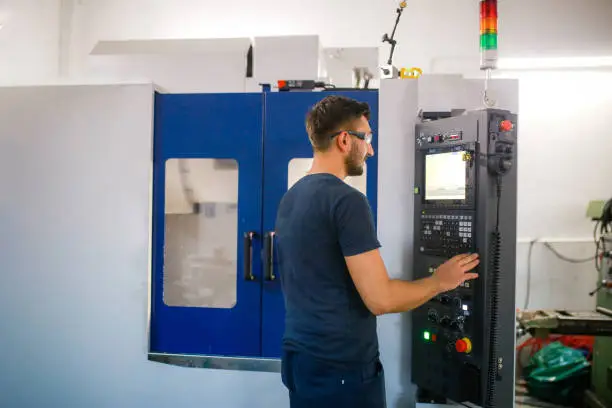
Key Decision Factors When Choosing Between Casting Alone, CNC Machining Alone, or an Integrated Approach
Whether to use combined production or separate processes depends on a number of technical and business factors that are very different depending on the industry and application. By understanding these choice factors, you can choose a supplier and improve the process with more knowledge.
Technical Requirements Analysis
The best way to make a part is usually determined by how complicated it is and what its dimensions need to be. Casting is usually the best way to make parts with complicated internal shapes or complex external features. On the other hand, cutting may be needed for parts that need very tight tolerances or better surface finishes.
traffic needs to be taken into account a lot when choosing a process, because integrated methods usually require bigger investments in tools and setup at the beginning but have lower unit costs when traffic is higher. Integrated casting and machining processes are often better for high-volume production, while machining-focused ways may work better for prototypes and low-volume jobs.
The choice of method is also affected by the material, since some metals are better for casting and others are better for milling. Most of the time, aluminum alloys work well in both casting and milling, which makes them perfect for combined processes.
Cost-Benefit Framework for Integration
When figuring out how much something costs, you need to think about both the direct costs and the indirect benefits, such as having less inventory, shorter wait times, and more stable quality. Integrated methods, such as CNC machining, are generally more cost-effective when you add up the costs of keeping goods, transporting them, and making sure they are of good quality.
Cutting down on lead times often gives businesses big competitive benefits that make integration investments worthwhile, especially in fields with strict delivery needs. Automotive producers often find that integrated processing allows for just-in-time shipping, which improves relationships with customers and lowers the need for current capital.
Risk Assessment and Mitigation Strategies
Single-source manufacturing adds concentration risks to the supply chain that need to be carefully handled by making sure the seller is qualified and having backup plans ready. Integrated processing, on the other hand, often makes up for these risks by making teamwork easier and quality more consistent.
When both casting and machining are done by the same partner, the supplier's financial security and operational reliability become very important. A full audit of a provider should look at more than just their professional skills. It should also look at their business continuity planning and risk management processes.
Future Trends and Innovations in Integrated Casting and CNC Machining Supply Chains
As new technologies and market needs change how businesses use integrated production strategies, the manufacturing landscape also changes. Procurement workers can make smart choices about long-term source partnerships and process investments when they understand these trends.
Emerging Technologies and Process Innovations
Traditional casting and machining are starting to use additive manufacturing technologies to help out. This makes it possible for mixed manufacturing methods that use the best parts of all three processes. For some uses, 3D printing is now used for making complex internal cores, and then standard machining is used for the most important areas.
AI and machine learning systems are changing the way process optimization is done by looking at huge amounts of production data to find ways to make combined manufacturing methods better. These systems can figure out the best casting parameters based on what needs to be machined later. This cuts down on wasteful material use and improves the regularity of dimensions.
New automation technologies, like collaborative robots and automatic material handling systems, are making integrated manufacturing more effective while also lowering the need for workers and raising safety standards.
Sustainability and Environmental Considerations
Integrated production methods are changing because of rules about the environment and customer demands for sustainability. Closed-loop material recycling systems can reuse machining chips in casting processes, which cuts down on trash and material costs and is better for the environment.
Optimizing energy efficiency across combined sites can save money and help the environment. This is because coordinated process scheduling can lower peak energy use and make the best use of equipment.
The move toward local sourcing and regionalizing the supply chain is good for integrated suppliers who can offer a range of production services close to where the customers do business. This lowers the environmental impact of shipping while making the supply chain more resilient.
Industry-Specific Evolution Patterns
The car business is still pushing integration by making quality standards stricter and component needs more complicated. Battery housings and motor parts for electric vehicles need complex shapes and tight tolerances, which opens up new possibilities for combined production.
Aerospace uses are pushing the limits of integrated manufacturing by having strict requirements for materials and certification standards that prefer providers who can keep full control of the process and track its history.
More and more, companies that make industrial equipment are looking for providers that can offer full component solutions. These include design optimization services that use combined manufacturing to boost performance and lower costs.
Conclusion
In today's competitive market, producers who want to improve cost, quality, and delivery performance can gain a strategic edge by combining casting and CNC machining into a single supply chain. When you combine these two processes that work well with each other, they make it possible to make complicated parts that meet strict requirements while still being cost-effective for a wide range of industrial uses. As technology keeps getting better and market needs get more complex, integrated manufacturing methods will become even more valuable. This means that choosing the right supplier and building partnerships are two of the most important things for long-term economic success.
FAQ
What materials work best for integrated casting and machining processes?
Because they are so easy to cast and machine, aluminum alloys work very well in combined processes. These materials are stable enough to be used for precision cutting while still allowing for complex casting shapes. Copper alloys also work well in combined processes, especially when they are used in electrical uses that need to have good conductivity.
How much can lead times be reduced through integrated supply chains?
When compared to different supply lines, integrated manufacturing usually cuts lead times by 30 to 50 percent. This is mostly because it gets rid of the need for extra shipping and inventory steps. The exact amount of the reduction varies on how complicated the parts are, how much of them are needed, and how the geography of the area affects the usual supply chain.
What certifications should I look for in integrated manufacturing suppliers?
Some important certifications are ISO 9001 for general quality control, TS 16949 for car uses, and AS9100 for aerospace parts. You should also look for sources that have the right material certifications and inspection skills for your business.
Can integrated suppliers handle both prototyping and production volumes effectively?
Leading integrated providers keep their manufacturing skills open so they can meet the needs of both low-volume prototyping and high-volume production. But some facilities may be better at handling certain volume amounts, so it's important to compare a supplier's skills to the volume you expect to need.
Partner with Fudebao Technology for Integrated Manufacturing Excellence
The Zhejiang Fudebao Technology Co., Ltd. is a reliable CNC machining company that has decades of experience making aluminum alloys and the most up-to-date precision machining tools. Our integrated building has high-tech high-speed machining centers, CNC lathes, and low-pressure casting tools that can handle everything from raw materials to finished parts with accuracy of ±0.05mm. We work with top automakers, aerospace companies, and companies that make industrial equipment all over the world, giving them PPAP paperwork, full quality standards, and smooth project management. Get in touch with hank.shen@fdbcasting.com right away to find out how our unified method can improve the performance of your supply chain and shorten the time it takes to create new products.
References
Johnson, M.R., et al. "Supply Chain Integration Strategies in Modern Manufacturing: A Comprehensive Analysis of Casting and Machining Operations." International Journal of Production Management, Vol. 45, No. 3, 2023.
Chen, L.W., and Rodriguez, A.M. "Quality Management Systems for Integrated Manufacturing Processes: Best Practices from Automotive and Aerospace Industries." Manufacturing Excellence Quarterly, Vol. 28, No. 2, 2023.
Thompson, K.J. "Cost-Benefit Analysis of Integrated versus Segregated Manufacturing Supply Chains." Supply Chain Management Review, Vol. 31, No. 4, 2023.
Williams, D.A., et al. "Technological Innovations in Combined Casting and CNC Machining Operations: Industry Survey and Future Trends." Advanced Manufacturing Technology Journal, Vol. 67, No. 1, 2024.
Martinez, S.P., and Lee, H.K. "Risk Assessment and Mitigation Strategies for Single-Source Manufacturing Partnerships." International Business and Operations Research, Vol. 19, No. 3, 2023.
Anderson, R.T. "Digital Transformation in Integrated Manufacturing: Case Studies from Leading Global Suppliers." Manufacturing Technology Today, Vol. 52, No. 6, 2023.



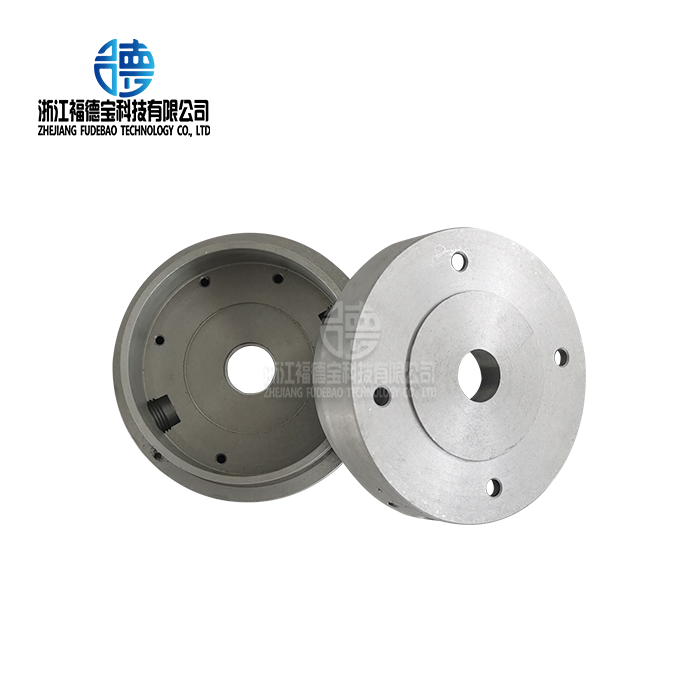
_1756348543350.webp "Automotive Turbine Casting")
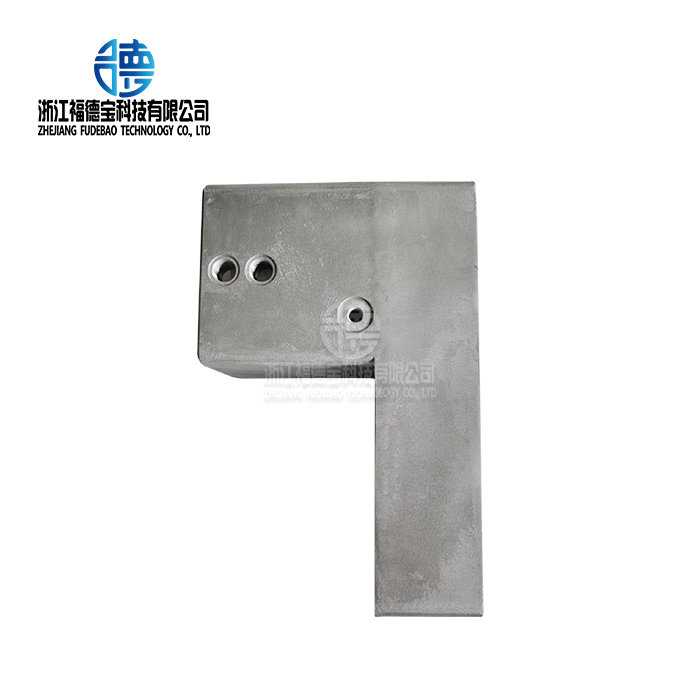
_1756352625880.webp "plug stainless")
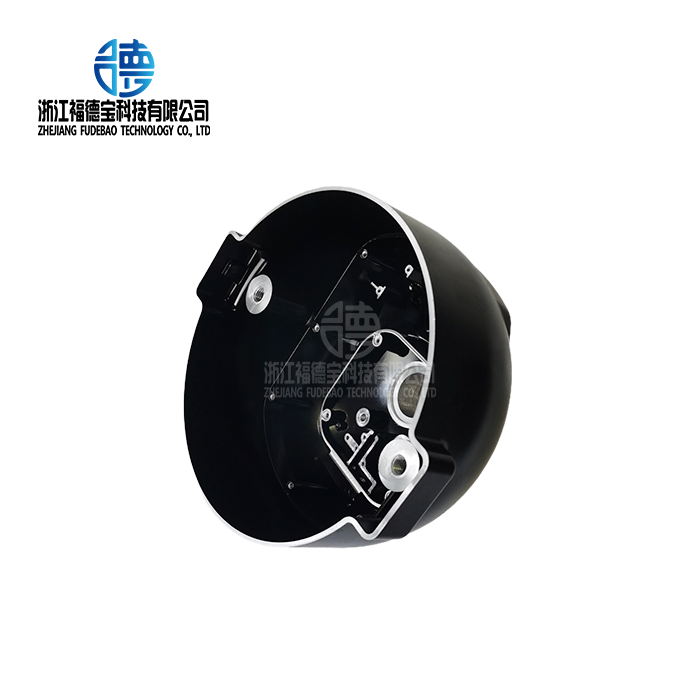
_1756349146076.webp "Lawn mower case casting")
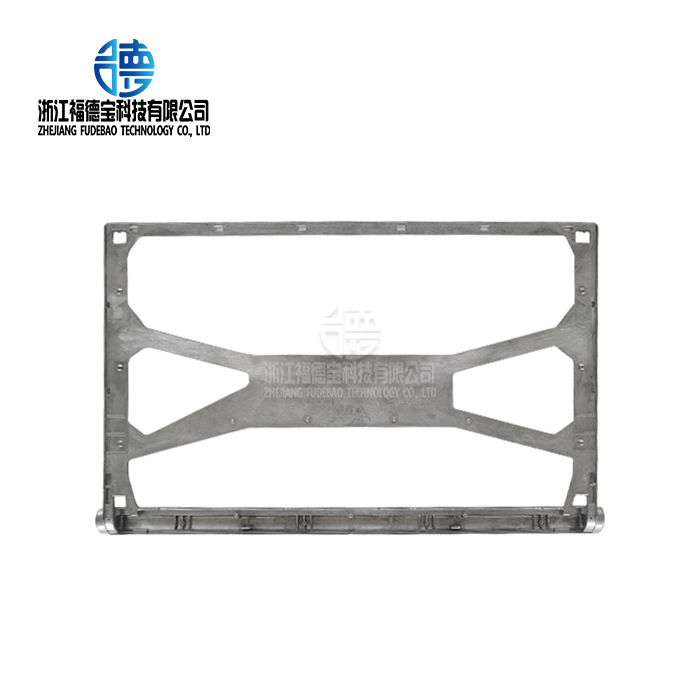
_1756348227989.webp "Aluminum casting movable U frame")