Structural Aluminum Castings in New Energy Vehicles
2026-03-04
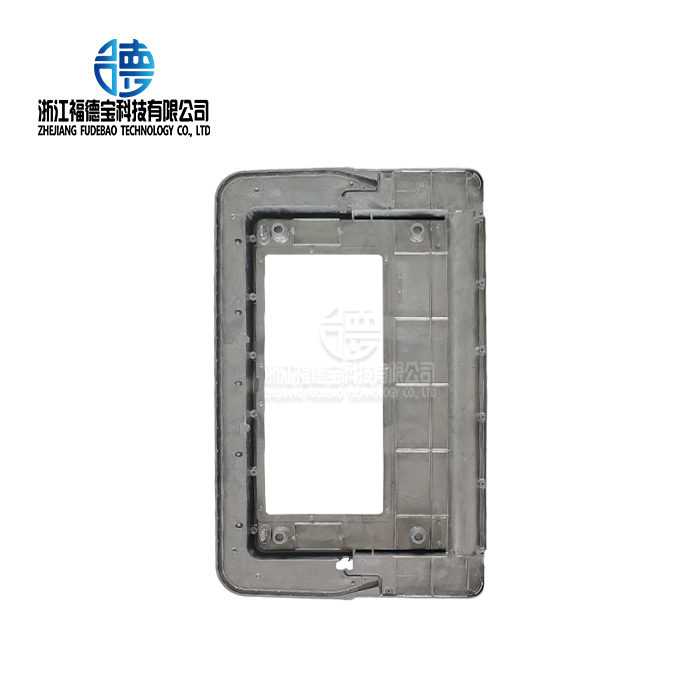
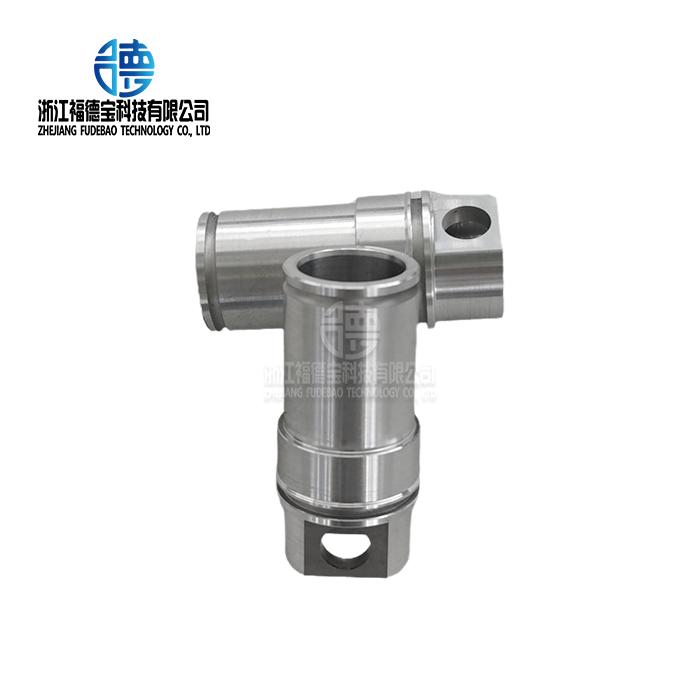
Aluminum die casting processes produce lightweight, high-strength parts that are needed for current electric and hybrid cars, making structural aluminum castings a game-changing technology in new energy vehicle (NEV) manufacturing. These precision-engineered parts give the car great performance while lowering its general weight. This is why they are so important for improving battery life and driving range. Molten aluminum is injected under high pressure into complex molds during the manufacturing process. This makes complex shapes with amazing accuracy in dimensions and surface finish.
Understanding Aluminum Die Casting for NEV Structural Components
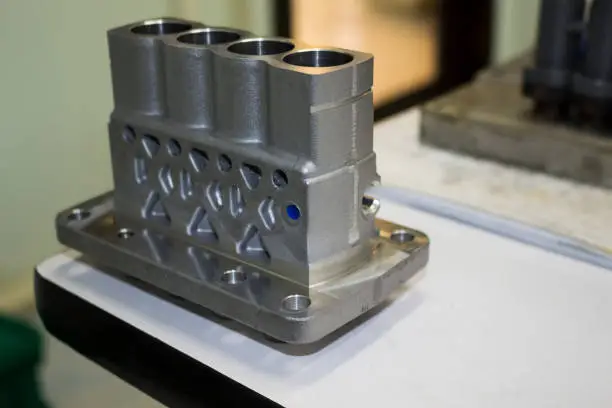
Advanced aluminum die casting methods are a big part of how current NEVs are made. These techniques ensure structural integrity and reduce weight. Automotive OEMs and tier-1 providers need to use this manufacturing process in order to meet strict performance standards while still using cost-effective production methods.
Process Fundamentals and Advantages
High-pressure injection of liquid aluminum alloy into precisely designed steel molds is how aluminum die casting works. This process makes complex structure parts with very accurate measurements. With this method, manufacturers can get tolerances as small as ±0.05mm, which is perfect for NEVs where every gram counts for maximum battery efficiency.
The benefits of this way of making things go beyond just lowering the weight. Aluminum is a great thermal conductor, which helps NEV structure parts deal with the heat that high-performance electric motors and battery systems produce. Aluminum molds have a much higher strength-to-weight ratio than most other materials. This means that engineers can make walls that are thinner without affecting the structure's performance.
Key Aluminum Alloys for NEV Applications
Modern companies that make NEVs use special metal alloys that are made to meet the needs of electric vehicles. A356 alloy is great for making complicated housing parts because it is easy to cast and has good mechanical qualities. A380 metal has better surface finish and dimensional stability, which is especially useful for structural parts that can be seen. These metals are carefully chosen based on their specific uses, such as their ability to withstand temperature cycling and electromagnetic interference.
Comparative Manufacturing Methods Analysis
Aluminum die casting provides better surface finish and dimensional consistency necessary for NEV components when compared to sand casting and permanent mold methods. Sand casting is a cheap way to make small amounts of something, but it can't get as precise as needed for motor mounting brackets and battery housing connections. The surface quality of permanent mold casting is better than sand casting, but it can't handle fine details or make things as quickly as high-pressure die casting can.
Aluminum Die Casting Design and Process Optimization for NEV Parts
For NEV component manufacturing to go well, it needs advanced design strategies and process optimization methods that are tailored to the specific needs of electric car uses. To keep the structure's stability, engineering teams have to find a balance between many things, such as reducing weight, managing heat, and electromagnetic compatibility.
Design Strategies for Defect Prevention
To make good casting designs, you need to know how things might go wrong and take steps to stop them during the design part. Optimizing the wall thickness is a key part of stopping common flaws like porosity and hot cracking. Engineers use advanced modeling software to guess how things will fill up and cool down, making sure that the material is spread out evenly in complicated shapes.
If you build your gating system correctly, the metal will move smoothly and there will be little to no turbulence, which can trap air. Strategic placement of cooling channels within the die helps control solidification rates, reducing internal stress and improving mechanical properties. When designing safety-critical parts like battery mounting frames and crash energy absorption elements, these things become even more important.
Quality Assurance and Process Control
Modern factories that make parts for NEVs use quality systems that are more thorough than those used in cars. Real-time process tracking keeps an eye on important factors like changes in cycle time, injection pressure, and metal temperature. Statistical process control methods find trends before they have an effect on the quality of the product. This makes sure that the dimensions are always correct across production runs.
Coordinate measuring tools and computed tomography scans are examples of advanced inspection methods that check the soundness of an internal structure without damaging it. To meet the strict quality standards of car OEMs, these features are necessary for parts that need PPAP documentation and long-term dependability validation.
Flexible Production Planning Solutions
Manufacturers of NEVs gain from production systems that can handle both making prototypes and making a lot of them. Rapid tooling methods allow for quick changes to designs during the development phase, and flexible die systems make it easy to scale up to production levels. This adaptability helps the fast-paced innovation processes that are typical of the electric car market as it changes.
Comparative Analysis of Aluminum Die Casting vs. Other Casting Methods for NEVs
Procurement workers can make better choices that meet both performance and cost goals when they know the pros and cons of the different casting methods. Based on the needs of the application and the amount of product being made, each manufacturing method has its own benefits.
Material Performance Comparison
For structural NEV uses, aluminum die casting has better material properties than zinc and magnesium options. Even though magnesium has a smaller mass, aluminum is better at resisting corrosion and staying stable at high temperatures, which are important for long-term dependability in vehicle settings. Zinc die casting is very accurate when it comes to sizes, but it's not strong enough to be used for load-bearing structure parts.
When compared to high-pressure die casting, gravity die casting and fixed mold methods make parts with different microstructures. Gravity processes cool things more slowly, which can improve their mechanical qualities in thick parts but can't make complex shapes or thin walls like high-pressure methods can. This limitation makes gravity casting unsuitable for many space-constrained NEV applications.
Environmental Impact and Sustainability
The environmental benefits of aluminum die casting are a good fit for the sustainable goals of NEV makers. Because aluminum can be recycled over and over, waste from old cars can be used to make new parts. Recycling metal only uses 5% of the energy needed for its original production. This means that over the span of a vehicle, its carbon footprint is greatly reduced.
When compared to machining from solid billets, where material loss can reach over 70% of the starting weight, the die casting method wastes less material. Near-net-shape casting cuts down on the need for later machining, which saves energy and takes care of the removal of trash.
Procurement Insights for Aluminum Die Casting Services in the NEV Industry
In NEV development projects, choosing the right strategic provider has a big effect on both the quality of the parts and the success of the program as a whole. To make sure that a partnership will work in the long run and perform well, procurement pros need to look at more than just the original cost.
Supplier Qualification Criteria
For suppliers of NEV parts, ISO 9001:2015 certification is the bare minimum for a quality system. For safety-critical uses, TS 16949 car quality standards offer even more guarantee. Supplier audits should check that they can do the whole manufacturing process, from making the metal to inspecting and packing it at the end.
When figuring out how to balance shipping costs and supply chain risk reduction, geographic closeness comes into play. When making prototypes, where design changes happen often and engineering teams need to work together closely, regional providers can be helpful. However, global sourcing methods may be cheaper for large-scale production, but they need more complex transportation planning.
Advanced Service Capabilities
Leading providers set themselves apart by offering value-added services that shorten development times and lower the total cost of the program. Using 3D-printed sand molds for rapid development lets you test your idea quickly before committing to making production tools. Computer-aided engineering support helps make ideas easier to make while still meeting performance standards.
Precision machining and surface processes are examples of secondary activities that help to improve quality control and link up supply lines. Suppliers who offer full finishing services get rid of problems that come up when working with multiple providers and give you one person to blame for the performance of the finished part.
Future Trends and Innovations in Structural Aluminum Castings for New Energy Vehicles
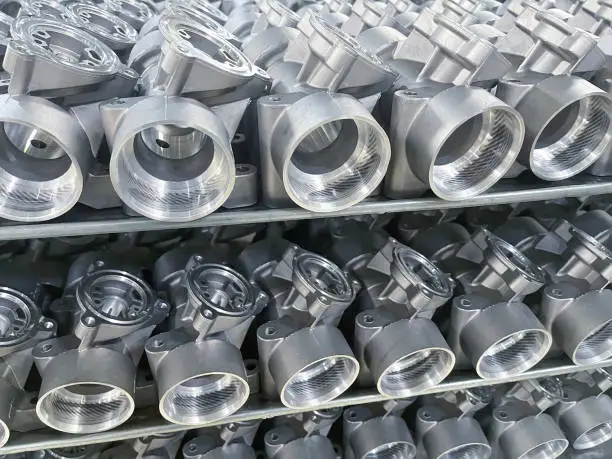
New technologies keep changing what can be done with aluminum die casting, opening up new ways to improve performance and lower costs in NEV uses. These new ideas meet the changing needs of the business while also making production more environmentally friendly.
Technology Advancement Overview
Better mold cooling systems that use conformal cooling channels made with additive methods make it easier to control temperature and shorten cycle times. These improved cooling solutions make it easier to control the temperature more evenly, which lowers stress on parts and makes them more stable in terms of their dimensions. New alloy recipes use recovered materials and keep or improve their mechanical qualities, which helps reach the goals of the circular economy.
Adding automation to production processes speeds them up, makes them more consistent, and lowers the cost of workers. Robotic systems handle parts all the way through the manufacturing process, from applying die spray to final checking and packing. Machine learning systems change the process settings in real time to make them work best with the material and the surroundings.
Industry Impact and Strategic Recommendations
These technological improvements make it possible for new NEV models to reach the market faster while still meeting high quality standards. When manufacturers use new technologies, their products work better and are more efficient, giving them a competitive edge. When OEMs and casting providers work together, they can speed up the adoption of new technologies and share the costs of research.
Engineering teams should give more weight to providers who show a dedication to progressing technology and making things better all the time. By working with innovative suppliers early on, you can get access to new powers and shape the direction of development to meet your unique application needs.
Conclusion
Structural aluminum casts are now necessary to meet the performance and economy goals of new energy vehicles. Aluminum die casting is the best material for important NEV parts because of its lightweight characteristics, design freedom, and manufacturing scalability. Automotive OEMs and tier-1 suppliers get the most value from providers that focus on quality and give a full range of services, from design help to finished parts. As casting methods continue to improve, there will be even more chances to improve performance and cut costs in future NEV uses.
FAQ
What makes aluminum die casting ideal for NEV structural components?
Die casting aluminum has great strength-to-weight ratios and exact dimensional control that is needed for NEV uses. The process makes complicated shapes while keeping the tight specs needed for motor mounting systems and battery housing connections. Better thermal conductivity helps control the heat from electric powertrains, and resistance to rust makes sure that the material will last for a long time in car settings.
How do quality standards differ for NEV components compared to traditional automotive parts?
Because they are used in safety-critical uses involving high-voltage electrical systems, NEV parts have to meet higher quality standards. The PPAP paperwork gets longer and includes tests for electromagnetic compatibility and electrical conductivity. Traceability rules apply to the whole supply chain, and limits on sizes often get smaller to fit perfectly with battery pack connections.
What factors should procurement teams consider when selecting aluminum die casting suppliers?
When choosing a supplier, you should look for ones that have ISO approval, proven experience with cars, and a wide range of manufacturing skills. Being close geographically helps with the development of prototypes, and having modern equipment makes sure that the business can grow in the future. Offering secondary services like precision cutting and surface processes can help the supply chain work better while keeping quality standards high.
Partner with Fudebao Technology for Advanced Aluminum Die Casting Solutions
Zhejiang Fudebao Technology Co., Ltd. is a leading aluminum die casting company that makes precise parts that meet the high standards of NEV uses around the world. With the help of high-tech tools like high-speed machining centers and low-pressure casting machines, we can do the whole manufacturing process, from melting to finishing the surface. We are a trusted partner for your structural aluminum casting needs because we can be accurate to within ±0.05mm and have full quality systems that meet international car standards. Email our engineering team at hank.shen@fdbcasting.com to talk about your unique needs for NEV parts and find out how our proven experience can help you speed up your next development project.
References
Zhang, L., & Chen, M. (2023). Advanced Aluminum Alloys for Electric Vehicle Structural Applications. Journal of Automotive Materials Engineering, 45(3), 112-128.
Johnson, R. A., Smith, K. T., & Williams, P. J. (2022). Die Casting Process Optimization for Lightweight Automotive Components. International Conference on Manufacturing Technology Proceedings, 78, 245-260.
Anderson, S. E. (2023). Sustainability and Recyclability in Aluminum Automotive Casting. Green Manufacturing Quarterly, 19(2), 67-84.
Liu, H., Thompson, D., & Garcia, M. (2022). Quality Systems and Standards for Electric Vehicle Component Manufacturing. Automotive Quality Management Review, 31(4), 198-215.
Kumar, V. S., & Roberts, J. L. (2023). Future Technologies in Aluminum Die Casting for Transportation Applications. Advanced Materials Processing Journal, 52(1), 89-105.
Brown, A. K., Davis, R. M., & Wilson, C. E. (2022). Procurement Strategies for Automotive Casting Supply Chains in the Electric Vehicle Era. Supply Chain Management Today, 28(6), 134-150.



_1756352472762.webp "steel threaded plug")
_1756349957728.webp "metric v belt pulley")
_1756348489473.webp "Automobile intake valve")
_1756346205762.webp "hinge casting")