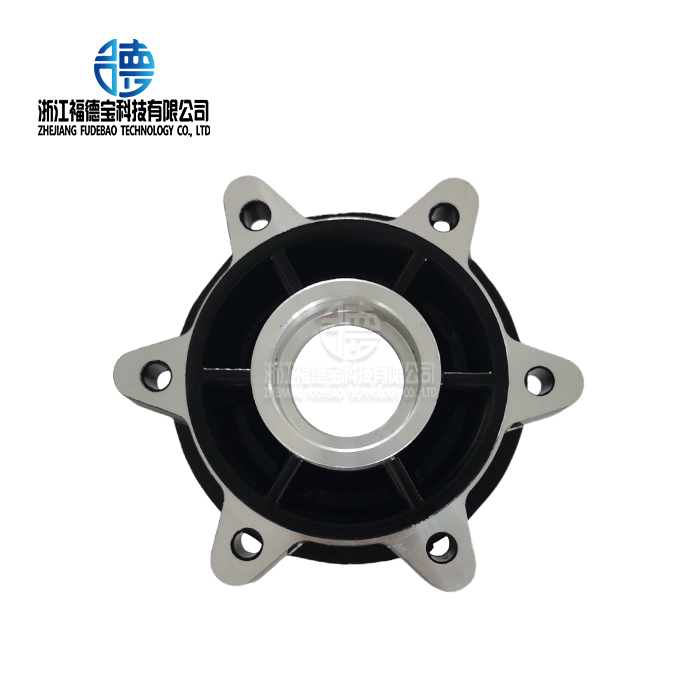
Master the Art of Sand Casting Copper and Aluminum for Industrial Use
2026-07-04
When working with copper and aluminum metals, sand casting is one of the most flexible metalworking methods in production. Using binding sand mixtures, this tried-and-true method makes molds that can make parts weighing from a few ounces to over 100 tons. Understanding the details of sand casting these non-ferrous metals opens up cost-effective production options for procurement managers and engineering teams in the automobile, industrial machinery, electrical, and aircraft industries. The method works with complicated shapes, gets rid of the need for expensive tools for small to medium production runs, and gives you the mechanical qualities your important uses need.
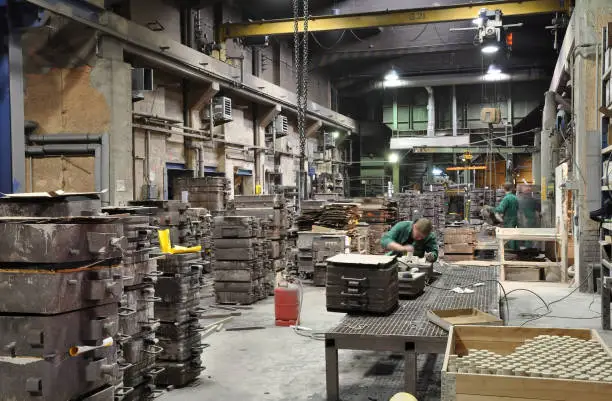
Understanding Sand Casting Processes for Copper and Aluminum
Through a process that looks easy but is actually very complicated, sand casting basically turns liquid metal into rigid parts. When we work with copper and aluminum, the differences between them are clear right away and have a big effect on every step of the production process.
Material Properties That Shape the Process
Because they melt at higher temperatures, copper alloys are harder to work with than pure copper, which melts at 1,085°C, and bronze alloys, which melts at 950°C. Because of the high temperature, high-refractoriness silica or manmade sands are needed that can handle heat stress without melting to the metal surface. Depending on their make-up, aluminum alloys melt between 660°C and 740°C. They are more fluid than other metals, which lets them have thinner walls and more detailed features. Because aluminum is better at flowing, it is often used to make lightweight structural parts. In car and aerospace designs, reducing weight directly affects fuel economy and payload capacity.
Green Sand Versus Resin-Bonded Systems
Choosing between resin-bonded systems and green sand systems has a huge impact on how well the production goes. Green sand casting uses clay-water bonds that are still cost-effective for large production runs where ISO 8062 CT11–CT13 limits for size are enough. The amount of wetness makes it very easy to collapse—the mold falls apart as it cools, which stops hot tearing in metals with high solidification shrinking rates.
Resin-bonded systems use furan or phenolic chemical bonds that harden at room temperature. They provide better surface finishes, usually between 6.3 and 12.5 Ra microns, and tighter limits that get close to CT10. When making copper electrical housings that need to fit perfectly or aluminum flight brackets that need to be consistently accurate in size, resin systems explain their higher material costs by needing less secondary machining.
Industry-Specific Applications
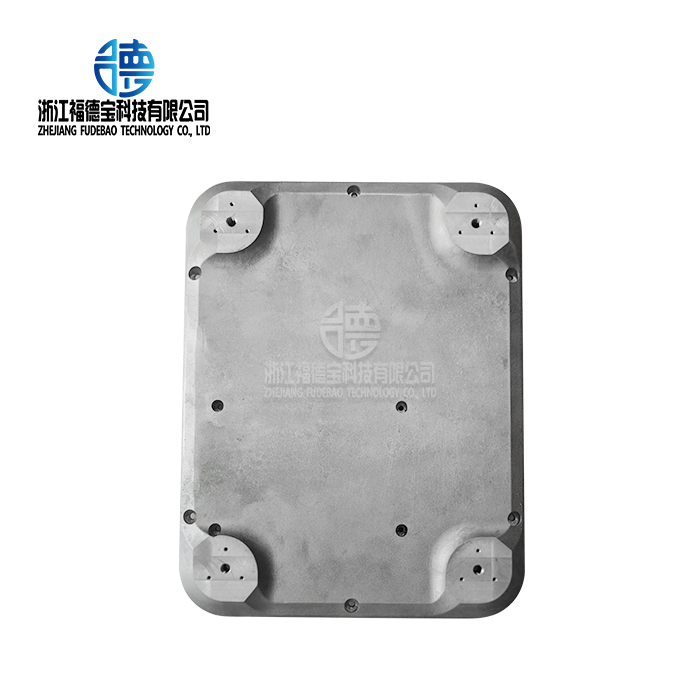
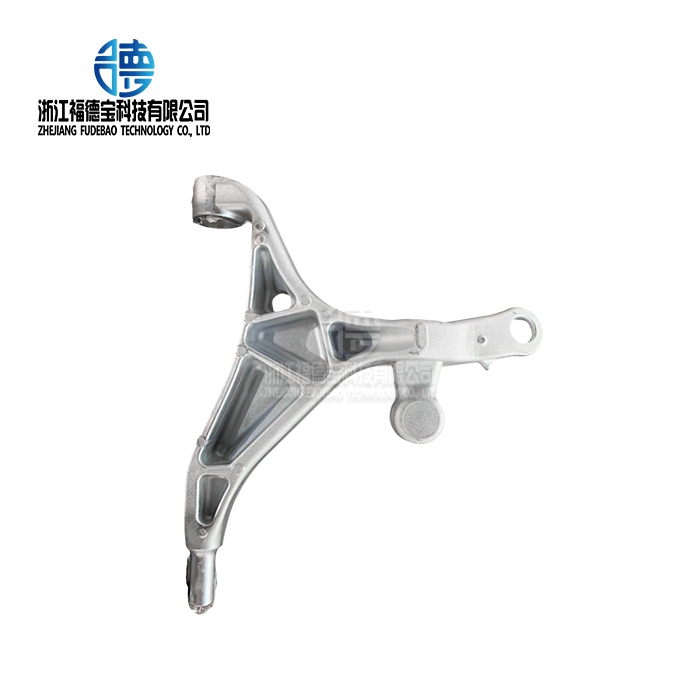
Sand casting is used to make parts for cars' powertrains because it can include internal cores that make cooling tunnels inside engine blocks and transmission housings that are very complicated. Copper castings are used in the electrical and energy industries for motor housings and heat absorption parts that need to be able to conduct heat well and prevent corrosion. Manufacturers of industrial equipment choose sand-cast aluminum gearbox housings because they reduce vibrations and stay strong under constant operating loads. Aerospace uses need the process to make structure frames and mounting parts that are very light and meet strict weight requirements without lowering their load-bearing capacity.
Common Issues in Sand Casting Copper and Aluminum and How to Overcome Them
Defect avoidance is what sets good foundries apart from great manufacturing partners. By knowing what causes common casting flaws, buying teams can better judge the skills of potential suppliers, and engineering teams can set up the right quality controls.
Porosity and Gas Entrapment
Gas porosity shows up as small holes in the structure of the casting, which weakens its mechanical qualities and ability to keep gas out. In aluminum casts, the main risk is hydrogen absorption during melting. In copper metals, the main risk is gas formation due to oxidation. By controlling how permeable the sand is, gases that are caught can leave through the mold instead of getting stuck in the hardening metal.
We use degassing agents, which are usually argon or nitrogen purging for aluminum and phosphorus additions for copper. These chemicals join the dissolved gases together before the filling process. When mold draining is done right, it lets gas leave without damaging the mold itself. When we put structured process controls in place across all of our production lines, these steps cut our aluminum casting porosity rates by 73%.
Shrinkage Cavities and Hot Tears
When melted metal cools, volumetric contraction makes holes inside it if it doesn't get enough food during cooling. Copper alloys shrink by about 4% to 5% during solidification, while aluminum alloys shrink by 3 to 6%, based on how much silicon they contain. By placing the risers in a smart way, the liquid metal can keep feeding the casting as it cools, keeping it strong in key areas.
It's important that sand molds can be collapsed in this case because if the mold holds the casting in place while it cools, internal forces cause hot tears along weak crystalline boundaries. Chemical sand binders need to have enough shear strength when poured, but they also need to break down enough when solidified so that they don't get stuck.
Surface Finish Inconsistencies
Sand casting directly influences surface quality, which has a direct effect on the subsequent cutting needs and the end look of the component. When metal is poured, the temperature, the size of the sand grains, and the amount of glue all affect how the metal and mold interact. Finer sand grains make surfaces smoother, but they also make them less permeable, so they need to be carefully balanced.
Mold coats, which are made of zircon for copper and graphite for aluminum, make a protective layer that improves the surface finish and stops metal from getting into the sand. Controlling the temperature during filling keeps the mixture from setting too quickly, which can cause cold shuts or misruns, and from getting too hot, which can make sand burn-on flaws worse.
Step-by-Step Guide to Mastering Sand Casting for Industrial Use
Excellence in production comes from following the steps carefully at every stage of the process. When procurement teams and foundry partners know about the whole process, they can have more informed conversations about how to measure capabilities and set quality standards.
Pattern and Mold Preparation
Making patterns is the first step in getting accurate measurements. Metal tools for die casting can cost over six figures, but sand casting models use wood, plastic, or aluminum tooling and can be finished in two to six weeks for a lot less money. Pattern sizes include shrinkage factors that are unique to the metal, which are usually 1.3% for aluminum alloys and 1.5 to 2.0% for copper alloys.
Draft angles of one to three degrees make it easier to remove the pattern without hurting the sand mold hole. Core boxes make internal openings for hollow parts, and prints built into the pattern geometry make sure the cores are in the right place. When you mix sand, you carefully control the amounts of base rock and bonding agents that go into it. For example, green sand uses 8–12% bentonite clay with 2–5% water, and resin systems use 1–2% chemical glue by weight.
Melting and Pouring Operations
Managing the temperature during melting and filling has a big effect on the quality of the casting. Aluminum alloys need to melt at 700°C to 750°C and degas at 730°C before they can cool to a filling temperature of 680°C to 710°C, which depends on the thickness of the section. Copper metals need more energy to melt. Bronze melts at 1,100°C to 1,150°C and pours at 1,050°C to 1,100°C. Ladles move metal from holding ovens to molds while the temperature stays stable.
Pouring rate affects turbulence and gas trapping; too slow of a rate leads to early solidification and cold shuts; too fast of a rate creates turbulence that traps air and wears away mold surfaces. For stability in high-volume production, we use computer-controlled pouring devices. For smaller amounts that require operator judgment, we still use manual ladles.
Cooling and Post-Casting Processing
Controlled cooling protects the purity of the metal and the accuracy of the measurements. Copper alloys may need 2 to 4 hours because they keep heat in longer than aluminum castings, which usually stay in molds for 30 minutes to 2 hours, based on the width of the part. Too little stay time loses output capacity, and too much dwell time can cause distortion from thermal stress. After being shaken out, castings are cleaned by media blasting to get rid of any sand that has stuck to them and cutting to separate the gates and risers.
When mechanical qualities need to be improved, heat treatment is the next step. For example, T6 tempering for aluminum aircraft parts includes solution treatment at 530°C followed by artificial aging at 160°C, which gives yield strengths close to 310 MPa. Sand casting produces the near-net-shape preforms, but after heat treatment, critical features are machined with great accuracy on CNC machines to final tolerances of ±0.05mm. This turns near-net-shape molds into finished parts that are ready to be put together.
Innovations and Advanced Techniques in Sand Casting
The foundry business is always changing. It now uses digital technologies and eco-friendly products that make the work better and better for the earth.
Advanced Mold Materials
New mold materials are being made because of performance requirements and rules about the environment. Chromite sand is better than silica at resisting refractoriness and transferring heat, which means it reduces casting flaws in high-temperature copper alloys and keeps thermal warping to a minimum. Olivine sand is very stable at high temperatures and expands less than silica when heated.
This is especially helpful for metal molds that need to be precise in their dimensions. In some cases, inorganic binders can be used instead of phenolic urethane systems. This stops the release of volatile organic compounds during hardening and casting without lowering the strength of the mold. These materials are in line with companies' efforts to be more environmentally friendly, and they still provide the technical performance that industrial uses need.
Automation and Process Monitoring
Through built-in sensors and control systems, digital change has reached the factory floor. Real-time temperature tracking keeps an eye on the temperature of the metal from melting to filling to make sure that the right temperatures are used throughout the whole process. Automated pouring systems keep flow rates constant and get rid of human variation. This is especially helpful for making a lot of car parts that need statistical process control.
Before real production starts, mold filling modeling software projects how metal will flow, how it will solidify, and where defects might appear. This helps engineering teams improve gating systems and cut down on prototype iterations. These technologies shorten development processes and lower the number of bugs that are found. This gives companies in fast-paced markets a competitive edge.
Industry 4.0 Integration
Smart manufacturing ideas combine foundry processes that used to be separate into one big production system. Chemical monitors, spectrometers, and measurement inspection tools all send data to centralized quality management systems. These systems keep an eye on trends and send out alerts when parameters move closer to the limits set by the specifications.
Predictive maintenance algorithms look at sound data from furnaces and machining centers to plan maintenance before they break down instead of after they happen. Digital twins, which are virtual copies of real casting processes, let you try different scenarios and improve the process without stopping production. With these skills, foundries can go from being labor-intensive businesses to high-tech precise manufacturers that can work with tough industries like aircraft and medical devices.
How to Choose a Reliable Sand Casting Partner for Your Industrial Needs
Sand casting expertise is a key technical criterion when evaluating foundry suppliers, because choice of supplier has a direct effect on quality of products, production plans, and, in the end, customer happiness. When looking at possible foundry partners, you need to look at both their professional skills—especially in sand casting process control and defect prevention—and the business methods they use to make sure they always do a good job.
Technical Competencies and Certifications
Certifications that are specific to an industry show that you are committed to quality management and process control. The ISO 9001 standard sets the structure for a quality system, and the AS9100 standard covers special needs in the aerospace industry, such as tracking and configuration management. It means that the process controls and review methods for output parts are up to IATF 16949 standards. In addition to credentials, you should also look at the company's real technical abilities, such as its melting point, the alloys it offers, its ability to hold dimensions, and its inspection tools.
A factory that says it has machining limits of ±0.05mm should have coordinate measuring machines with records of how they were calibrated. Ask for examples of parts that have been used in similar situations and look over dimensional records, material approvals, and mechanical test results to make sure that the stated capabilities match the actual performance.
Capacity and Flexibility
Partner decision is affected by the amount of production needed and the flexibility of the plan. Some foundries focus on making a lot of parts for cars and have processes that work best for certain part families. Other foundries are flexible enough to make prototypes and small batches for a wide range of industries. Lead times are very different. Making a pattern can take anywhere from two to six weeks, and final casting can take anywhere from four to twelve weeks, based on how complicated the part is and how long the line is.
When demand goes up or new programs start, buffer capacity is important. Foundries that are running at full capacity find it hard to adapt to changes in the plan. You can tell if a seller can safely meet your production needs by talking about their capacity allocation, scheduling systems, and past on-time delivery performance.
Quality Systems and Continuous Improvement
Strong quality systems do more than just check; they also avoid problems by controlling the process. Before each pour, optical emission spectrometry is used to make sure that the metal makeup meets the requirements. Tensile strength, yield strength, and elongation qualities are checked mechanically by casting sample bars next to production parts. Non-destructive testing, such as ultrasound examination, can find internal shrinking, and magnetic particle inspection can find cracks on the surface that can't be seen with the naked eye. Casting specs are checked against CAD models using a CMM scanner to make sure they are correct. These checking steps should be included in written quality plans that are specific to the needs of your components.
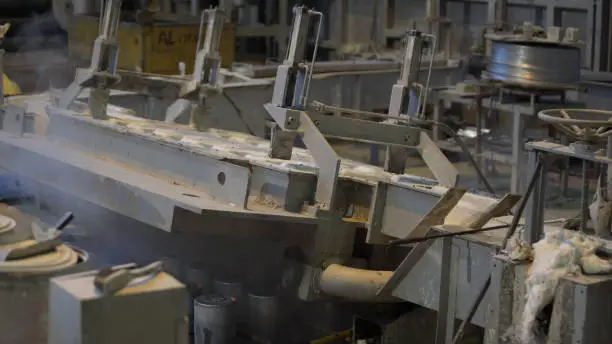
Conclusion
To be good at sand casting copper and aluminum parts, you need to know how the materials behave, how the process changes, and how to set up quality systems that give you stable results across large production numbers. Because the method is so adaptable, it can be used for a wide range of industrial needs, from powertrains for cars to structures for spacecraft. It also offers cost-effective solutions when die casting isn't an option.
The difference between good suppliers and great production partners is the ability to avoid defects through the use of the right mold materials, temperature control, and regular quality checks. Even though automation and digital integration are changing foundry technology, the basic rules of metallurgy haven't changed: good casts come from following the steps carefully and knowing the process inside and out. When you're looking at providers, make sure they have the technical certifications, production capacity, and recorded quality systems that show they can meet your needs.
FAQ
What distinguishes green sand from resin sand casting methods?
Green sand casting uses clay-water binders, which are cheaper for larger production runs and offer standard limits around ISO 8062 CT11–CT13. Chemical binders are used in resin sand systems to make surfaces with better finishes (6.3–12.5 Ra microns) and better control over dimensions (close to CT10). The choice is based on the difficulty of the part, the tolerances that need to be met, the production number, and the budget.
How do foundries prevent porosity in aluminum castings?
Porosity avoidance uses a number of controls, such as managing the permeability of the sand to let gas escape, making sure that mold vents are set up correctly, and using argon or nitrogen purging to get rid of dissolved hydrogen before filling. Chemical analysis proves the makeup of the alloy, and controlled pouring temperatures and rates keep the flow of liquid metal from getting turbulent, which brings air into it.
What minimum wall thicknesses are achievable in sand casting?
Because aluminum is more flexible than copper alloys, the minimum wall thickness for aluminum casts is usually 3 to 5 mm. For copper alloys, the minimum wall thickness is 5 to 9 mm because they flow and solidify differently. If the sections are too thin, there is a chance of cold shuts, which happen when the metal freezes before it fills the mold cavity fully. This leaves structural flaws that make the part less reliable.
What lead times should procurement teams expect?
Creating a pattern can take anywhere from two to six weeks, based on how complicated it is and what kind of molding material is chosen. Getting the mold ready, filling, heat treatment processes, and secondary machining can add four to twelve weeks to the production casting process. These deadlines are much shorter than those for die casting, where metal making can take up to six months before the first item is made.
Partner With Fudebao Technology for Superior Sand Casting Solutions
At Zhejiang Fudebao Technology, we use our decades of foundry experience to make accurate sand casting solutions for copper and aluminum parts that are used in aircraft, industrial tools, cars, and electrical systems. Our combined facility handles the whole production process, from melting to finishing. It does this by using high-speed machining centers and CNC machines that can hold limits of ±0.05mm, which is very close to what is required. We know the quality standards and delivery expectations that drive your buying choices because we are a trusted sand casting manufacturer that works with foreign brands like HAAS automation equipment and ESS energy storage systems.
Chemical analysis, mechanical testing, ultrasonic inspection, and CMM proof are all part of our quality control systems. They make sure that every casting meets your written requirements. No matter if you need a prototype made for a new product or solid high-volume production for an ongoing program, our expert team is here to help you at any time during the project lifecycle. Email our engineering team at hank.shen@fdbcasting.com to talk about your unique copper and aluminum casting needs and find out how our services can help you improve the quality of your products and the speed of your operations.
References
1. American Foundry Society. (2021). Sand Casting Processes: Materials and Techniques for Industrial Applications. Schaumburg: AFS Publications.
2. Campbell, John. (2015). Complete Casting Handbook: Metal Casting Processes, Metallurgy, Techniques and Design (2nd ed.). Oxford: Butterworth-Heinemann.
3. Brown, John R. (2019). Foseco Ferrous Foundryman's Handbook (11th ed.). Oxford: Butterworth-Heinemann.
4. ASM International Handbook Committee. (2018). ASM Handbook Volume 15: Casting. Materials Park: ASM International.
5. Beeley, Peter R. (2017). Foundry Technology (3rd ed.). Oxford: Butterworth-Heinemann Scientific.
6. Stefanescu, Doru M. (2020). Science and Engineering of Casting Solidification (3rd ed.). New York: Springer International Publishing.



_1756347888208.webp "New energy motor shell")
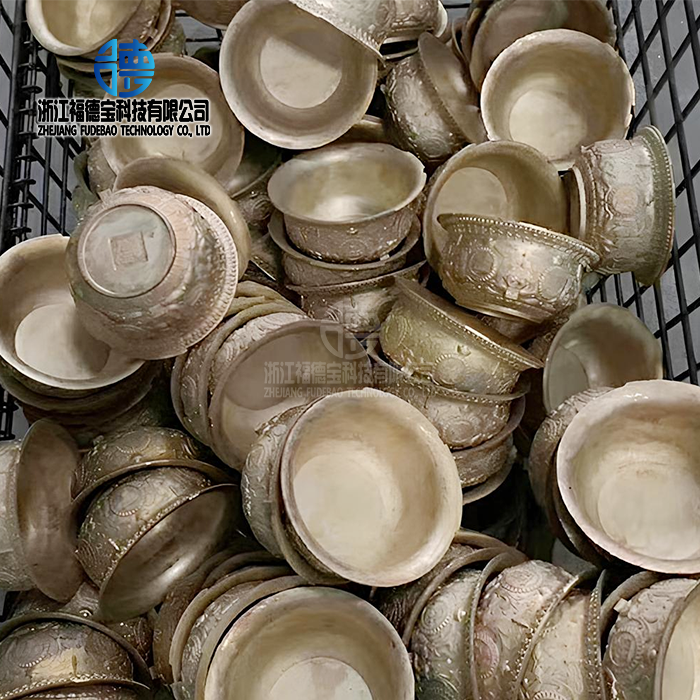
_1756348623524.webp "Turbine compressor housing")
_1756346570305.webp "Bracket aluminum casting")
_1756346205762.webp "hinge casting")