
The Future of Low Pressure Casting in Automotive Manufacturing
2026-05-21
The future of low pressure casting in automotive manufacturing centers on enhanced structural integrity, sustainable production, and digital transformation. As the automotive industry shifts toward electrification and lightweight design, low pressure casting addresses critical demands for precision, repeatability, and minimal defect rates through its controlled metal-forming process. With pressurized filling systems operating between 0.02 to 0.1 MPa, manufacturers achieve dense microstructures ideal for safety-critical components while reducing material waste by over 30% compared to conventional gravity methods.
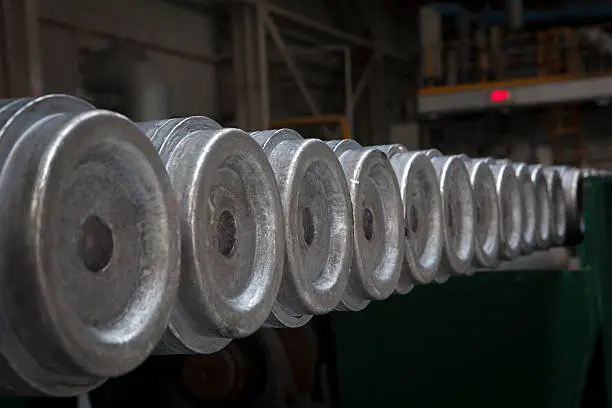
Understanding Low Pressure Casting and Its Role in Automotive Manufacturing
Making parts for cars that need to be both complex and reliable has never been done before with low-pressure casting. Using controlled pneumatic pressure, usually between 20 and 100 kPa, this counter-gravity process pours molten aluminum or magnesium metals into mold holes. In contrast to high-pressure die casting, which causes turbulence and gas to get trapped, this method keeps smooth flow throughout the filling phase, which reduces the amount of oxide inclusion and porosity.
The Fundamental Process Architecture
A sealed holding oven is linked to a fixed mold through a vertical riser tube to start the process. Molten metal is slowly pushed up into the mold hole by compressed air. There, it hardens under constant pressure. This feeding system fixes the shrinking that happens during solidification in real time. This is especially important for thick-walled parts that tend to have holes inside them. As soon as the casting hardens, the pressure drops, letting the metal that wasn't used go back into the oven. This closed-loop method gets material yields of over 90%, which is a big jump from the 50–60% that is usual for sand casting.
Materials and Thermal Parameters
Because they are stronger for their weight and conduct heat better, aluminum alloys like A356 and A380 and magnesium alloys like AZ91D are the most common materials used. For aluminum, the pouring temperature range is usually between 680°C and 720°C, and the mold needs to be heated up to between 200°C and 300°C to make sure the right flow properties. To keep the ductility of premium A356, the iron content is carefully kept below 0.15%. Adding strontium improves the elongation qualities that are needed for dynamic load uses.
Advantages Over Traditional Casting Methods
When compared to gravity casting, low pressure casting doesn't need big feeders and lifters, which usually take a lot of time and material to make. Even though sand casting is flexible for testing, it's hard to get consistent dimensions and a good surface. Because counter-gravity systems use a fixed mold structure, they can meet tolerances within ISO 8062 CT6–CT7 standards, often getting as close as ±0.3 mm on important measurements. Surface finishes can hit Ra 3.2–6.3 µm, which cuts down on the need for extra machining and speeds up production.
Emerging Trends and Future Paradigms in Low Pressure Casting
There is more pressure than ever on the car industry to cut down on pollution, lower costs, and shorten the time it takes to get products to market. Traditional casting methods are having a hard time keeping up with these growing needs. This is opening the door for new counter-gravity technologies to change how parts are made.
Industry 4.0 Integration and Smart Manufacturing
The move to digital is changing the way foundries work. Real-time monitoring tools keep an eye on pressure curves, temperature differences, and filling speeds. Programmable logic controls now run complicated pressure-rise routines that keep the gate velocity constant. This stops solidification before it's supposed to and avoids flow-line defects. Predictive maintenance sensors find mold layer wear before it affects the quality of the parts, which makes the H13 tool steel mold last longer than 40,000 rounds. These automation layers make it so that operators aren't needed as much and improve accuracy from batch to batch, which is a must for tier-one suppliers that work with global OEMs.
Simulation Software and Defect Prediction
Modern computer fluid dynamics tools can now very accurately model how metal flows, finding possible shrinkage zones and gas entrapment risks during the design process. Before making actual tools, engineers can visually try different gating setups, cooling channel placements, and pressure profiles. This method, which is based on simulations, cuts development time by 40% and the number of prototype versions by half. This has a direct effect on engineering budgets and program start dates. Being able to guess where defects will be allows test coupons to be placed strategically for destructive testing. This makes sure that the mechanical property verification is based on the real integrity of the casting and not on samples that were made separately.
Lightweight Alloy Development
Scientists working on materials are still coming up with new metal combinations that are good for both low pressure casting and mechanical performance. Scandium-modified aluminum alloys can finetune the grains without affecting the flow, which lets thinner wall sections stay strong against wear. Even though magnesium metals are more reactive, they have densities that are about 35% lower than aluminum, which is important for maximizing the range of electric vehicles. These material innovations are in line with business sustainability goals because lighter cars use less energy over their entire lifetime, whether they are powered by gas engines or batteries.
Comparative Analysis: Low Pressure Casting vs Alternative Casting Methods
To choose the right casting technology, you need to know how to balance the costs of production, the difficulty of the part, and the quality standards. Engineering teams have to look at a lot of things at once, weighing the costs of upfront tools investments against the costs per unit and the quality of the results.
High-Pressure Die Casting Comparison
High-pressure die casting is the best when it comes to cycle speed and thin walls. It can make parts with walls thinner than 1.5 mm at production rates of more than 100 shots per hour. But the process creates a lot of turbulence, which traps gas and stops the T6 heat treatment from working because blisters form. This method can't be used for parts that need a post-casting solution and age hardening to reach structural-grade qualities. This problem is solved by counter-gravity systems, which have a controlled filling environment. This makes them essential for parts like suspensions, steering knuckles, and control arms that could break suddenly and pose a safety risk.
Gravity Casting and Sand Casting Limitations
When gravity casting, the mold holes are filled by hydraulic head, which leads to incomplete feeding during solidification and higher porosity rates. Since there isn't any steady pressure, thick parts often get internal shrinkage holes that can only be seen with x-rays, as required by ASTM E155 standards. Sand casting lets you be creative with shapes because the models can be thrown away after use. However, it loses accuracy in measurements and surface quality. Tolerances rarely go beyond CT9–CT10 grades, which means that a lot of cutting stock is needed. This makes materials more expensive and takes longer to make. In pressure systems, the permanent mold structure fills in this gap by adding sand cores to create complicated shapes while keeping tight control over the sizes.
Investment Casting and Vacuum Casting Considerations
Investment casting makes surfaces with great finishes and fine features that are good for aircraft use, but the cost per unit is still too high for mass production in the car industry. Vacuum casting stops oxide from forming by emptying the mold spaces, but it needs special tools and takes longer to do. The counter-gravity method is a practical middle ground that achieves 85–90% of the quality benefits at 50% of the investment casting cost structure. This means that it can be used to make between 50,000 and 500,000 units per year.
Optimizing Low Pressure Casting for Automotive Manufacturing Performance
To get uniform quality in counter-gravity casting, process problems must be found and fixed in a planned way. The speed of production depends on optimizing many factors at the same time, ranging from the chemistry of the alloy to the heat management of the mold.
Process Parameter Calibration
To get the right pressure-rise profiles in low pressure casting, you have to carefully tune them to match the flexibility of the metal and the shape of the mold. Too big of a difference in pressure causes turbulence to start too soon, and not enough pressure doesn't fix the shrinking that happens during solidification. Engineers use PID control loops to keep the speed of the metal at the gate steady. Depending on the section width, they usually aim for 0.5 to 1.5 m/s. The temperature spread in the mold has a big effect on the direction of solidification, and strategically placing cooling channels makes sure that the solidification process moves toward the feed point. When applied to mold surfaces, refractory coatings control the rate of heat extraction and make it easier for parts to come out. These coatings need to be reapplied every 150–200 cycles to keep working.
Defect Prediction and Quality Assurance
Radiographic inspection is still the best way to find internal porosity, though the acceptance standards depend on how bad the treatment is. Porosity levels in automotive wheels usually can't go above ASTM E155 Level 2, but electric motor assembly housings need to be at least Level 1. Testing for leaks using air pressure decay confirms that the seal is hermetic, and leak rates below 1×10⁻⁴ mbar·L/s are acceptable for important fluid routes. Chemical spectrum analysis checks that the alloy's makeup is correct, especially by keeping an eye on the levels of strontium and iron pollution that weaken the material's flexibility.
Putting these quality control steps into place builds trust throughout the supply chain. Instead of separately cast test bars, mechanical testing of coupons taken straight from castings gives a more true picture of the properties as delivered. After the T6 heat treatment, the tensile strength, yield strength, and elongation values must meet OEM standards. For crash-load cases, structural parts usually need a minimum elongation of 3-5%.
Automation and Continuous Monitoring
Robotic systems now do routine tasks like filling molds, placing cores, and taking out castings. This cuts down on the need for human labor and makes the workplace safer. Constantly checking machines keep an eye on the stable temperature of the furnace, the accuracy of the pressure sensor, and the consistency of the cycle time. If there are any problems, the workers are warned before they make scrap. Statistical process control charts show patterns in measures of dimensions, which lets you make proactive changes to the die that stop tolerance drift. This data-driven method changes foundries from places where problems are fixed after the fact to places where production systems are planned ahead of time and improved.
Procurement Guide: Choosing the Right Low Pressure Casting Solutions for Automotive Needs
When procurement pros look for counter-gravity casting supplies, they find a wide range of options, from complete equipment sets to full-service outsourcing partnerships. When making strategic sourcing choices, you need to make sure that the technical skills match the business scale and budget.
Evaluation Metrics for Supplier Selection
Several important factors set good partners apart from capable sellers. The technology level includes how advanced the equipment is, how well it works with robotics, and how well it can watch digitally. Suppliers who offer fully automatic systems with closed-loop pressure control and real-time defect forecast show that they care about quality. Technical training, remote troubleshooting, the availability of spare parts, and process improvement advice are all parts of after-sales support. Production capacity and scalability show if a seller can handle the changes in volume that happen naturally over the lifecycle of a car program.
Equipment Versus Outsourcing Models
Buying your own equipment takes a big input of money. For full systems with furnaces, molds, and automation infrastructure, the price tag is usually in the seven figures. This method gives you the most control over the process and gets rid of any supply chain dependencies, but it requires ongoing upkeep skills and the ability to handle materials. By outsourcing to specialized casting providers, you can turn the costs of capital into routine costs while still using quality systems and process skills that are already in place. This plan works well for OEMs that want to focus their own resources on key tasks like final testing and assembly.
Strategic Supplier Partnerships
When you work with casting specialists on a long-term basis, you can get more than just business benefits. Joint development deals allow co-engineering of parts that are optimized for manufacturing, which cuts down on tooling iterations and speeds up program starts. Supplier-managed inventory plans make sure that production schedules and just-in-time shipping needs are always in sync. This keeps working capital from getting stuck in large inventories of parts. Cost structures that are clear and prices that are adjusted to match the price of metal on the market protect both parties from changes in the prices of commodities while keeping program economics stable.
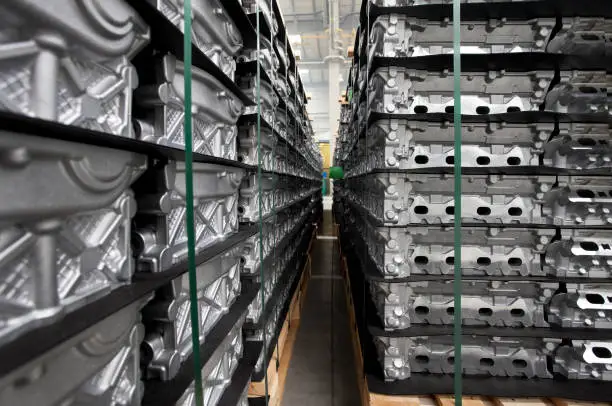
Conclusion
Counter-gravity casting and low pressure casting are becoming more popular in the car industry because of the need for electric vehicles, the need to be environmentally friendly, and the need for high quality. With the help of Industry 4.0 technologies, digital integration changes traditional foundries into places where accurate manufacturing can happen that meet aerospace-grade standards. Progress in material science keeps increasing the performance range of lightweight alloys, making it possible to make thinner parts and more complicated shapes than were possible before. As purchasing teams look at different ways to make things, these technologies stand out as key parts of the next age of component production because they have great mechanical qualities, can be heat treated, and use materials more efficiently.
FAQ
What materials work best with counter-gravity casting processes?
Aluminum alloys, especially A356 and A380, are used a lot in cars because they are easy to make, easy to heat treat, and resistant to rust. For non-structural uses, magnesium metals like AZ91D can save even more weight. Copper alloys are used in specific electrical tasks that need better conductivity.
How does this method compare to high-pressure die casting for automotive parts?
What makes them different is how well they trap gas and how well they can be heated. High-pressure systems make turbulence that traps gas and stops solution heat treatment without making boils on the surface. This problem is solved by counter-gravity filling, which makes T6 processing possible. This is necessary for structure parts that need to be strong and flexible.
What quality standards apply to automotive castings produced through this process?
As part of ASTM B618 standards for aluminum permanent mold casts, the parts must have porosity levels that meet ASTM E155 radiographic acceptance guidelines. For cars, there are standards like dimensional tolerances according to ISO 8062, leak tests for uses that need to be pressure-tight, and checking the mechanical properties by breaking down coupons made from casting.
Partner with Fudebao Technology for Advanced Casting Solutions
At Fudebao Technology, we are experts at precision casting in aluminum alloys and copper alloys, and we also have full CNC milling capabilities. For full "melt-to-finished-part" production, our plant has high-speed machining centers, automated finishing systems, and modern counter-gravity casting tools. As a North American company that works with car OEMs and tier-one suppliers, we provide parts that are within 0.05 mm of tolerance and come with full PPAP paperwork and material traceability. We know how important it is to find the right mix between quality, cost, and delivery performance because we've been making low-pressure castings for a long time. Email our engineering team at hank.shen@fdbcasting.com to talk about your unique needs and find out how our turnkey solutions can improve the reliability of your supply chain while lowering the total cost of acquisition.
References
Campbell, J. (2015). Complete Casting Handbook: Metal Casting Processes, Metallurgy, Techniques and Design. Butterworth-Heinemann, Oxford.
American Foundry Society. (2018). Low Pressure Permanent Mold Casting: Process Control and Quality Assurance. AFS Technical Publication, Schaumburg, Illinois.
Kaufman, J.G. and Rooy, E.L. (2004). Aluminum Alloy Castings: Properties, Processes, and Applications. ASM International, Materials Park, Ohio.
SAE International. (2020). Automotive Casting Quality Requirements and Inspection Methods. SAE J1677 Standard, Warrendale, Pennsylvania.
Birch, M. (2017). Advanced Manufacturing Technologies in Automotive Component Production. Society of Manufacturing Engineers, Dearborn, Michigan.
Zhu, J. and Liu, Y. (2019). Simulation and Optimization of Low Pressure Die Casting Process for Aluminum Alloy Wheels. Journal of Materials Processing Technology, Volume 267, Pages 390-402.



YOU MAY LIKE
_1756348543350.webp "Automotive Turbine Casting")
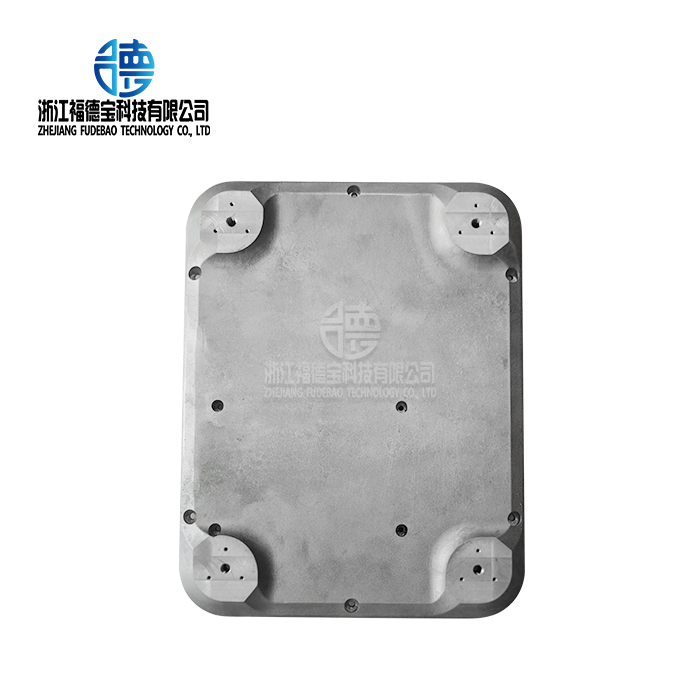
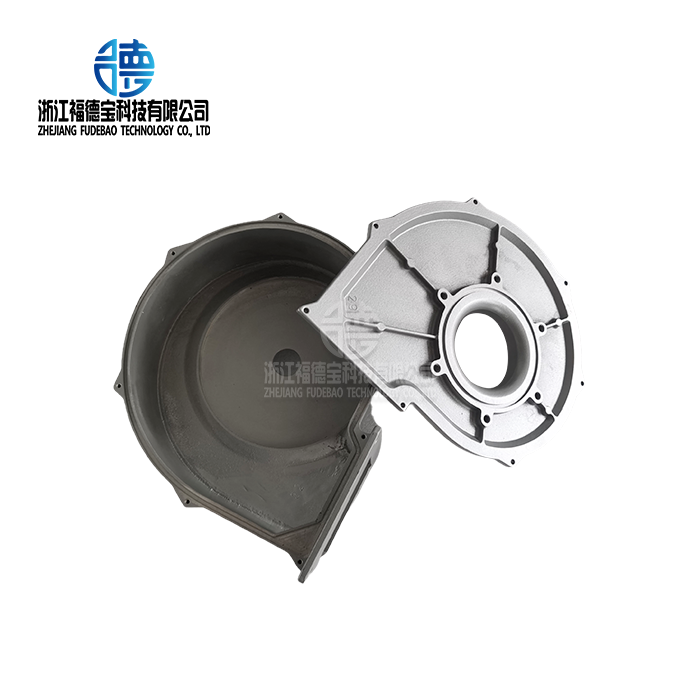
_1756350046757.webp "Heat sink aluminum casting")
_1756348489473.webp "Automobile intake valve")