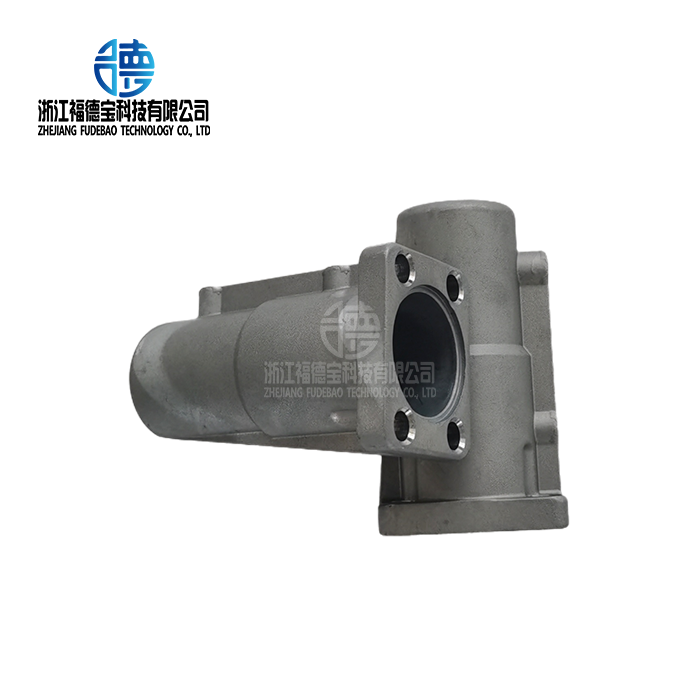
The Evolution of CNC Machining in Manufacturing
2026-05-06
The development of CNC machining is one of the most important changes in industrial history. It has completely changed how businesses make accurate parts. Traditional production was changed by CNC machining, which replaced human tasks with computer-controlled, automated processes. With this change, producers were able to achieve levels of accuracy, repeatability, and output efficiency that had never been seen before. From the first numerical control systems in the 1950s to today's high-tech multi-axis machining centres, this technology has kept getting better. It has solved important problems in the industry, like inconsistent quality and limited scalability, while also making it easier to work with complex shapes and tight tolerances.
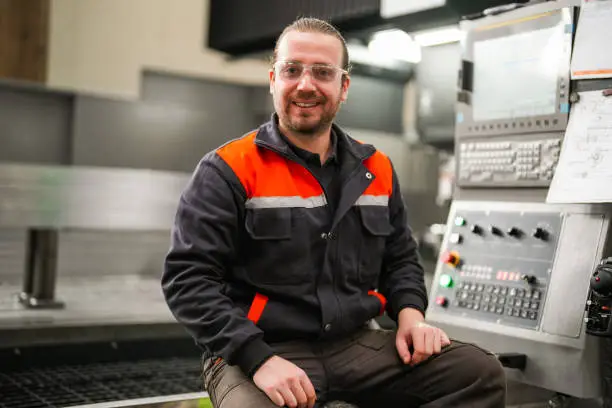
From Manual to CNC Machining – The Paradigm Shift in Manufacturing
The Limitations of Traditional Manual Machining
For decades, manual cutting was the main way that things were made, but it had problems that made production less reliable. Lathes and mills were managed by handwheels and switches, which meant that each part could be different depending on the person using it. Automotive suppliers had trouble meeting strict OEM standards because the measurements weren't always the same, and long setup times pushed back delivery dates. Quality inspection teams always had problems making sure that dimensions were correct, and trained machinists had to train for years to get good at what they did. Because of these limitations, buying costs went up because of more work that had to be redone and more wasteful materials. The aircraft industry had a hard time with manual methods when they had to make complicated turbine housings with precise wall thicknesses and complicated internal pathways.
Breakthroughs in Numerical Control Technology
In the middle of the 20th century, numerical control methods were introduced. This was the start of automated precision production. Early NC machines were made by engineers at MIT. These machines read directions from punched tape and automatically guided cutting tools along set paths. This new idea got rid of variations caused by operators, laying the groundwork for production that is uniform and can be repeated. In the 1970s and 1980s, as digital computers got better, CNC machining systems with microprocessor-based controls that could do complicated machining routines started to appear. Workflows were made even easier by integrating CAD/CAM software, which let engineers turn digital designs straight into machine directions. These important steps forward allowed makers to work with shapes that were thought to be difficult or impractical to do by hand before.
Impact on Modern Manufacturing Workflows
Computer-controlled processes are the only way to get the speed and accuracy that are needed in today's industrial world. CNC machining technology allows industrial equipment designers to make quick prototypes of new gearbox designs and also handle production runs of car brackets that need PPAP paperwork. Because the technology can be scaled up or down, tier-1 providers can go from validating prototypes to full-scale production without changing how they're made or affecting the accuracy of the measurements. Quality teams depend on CNC machining's built-in consistency to keep statistical process control, which lowers the number of inspections needed to make sure that every housing, connection, or structure element meets engineering standards. Because of this change, buying standards have changed, and now automation and accuracy are must-haves.
Understanding the CNC Machining Process and Its Core Types
Design Input and Programming Workflow
Every precise part starts with a computer model made in CAD software that specifies the exact sizes, tolerances, and surface finish that must be met. Manufacturing experts look at this geometry to figure out the best ways to do machining, such as the best cutting processes, tool choices, and ways to hold the workpiece. Then, CAM software makes G-code, which is the computer language that tells CNC machining equipment how to do each cutting job. This code describes the spindle speed, feed rate, tool paths, and how much coolant to use. It turns technical purpose into directions that machines can understand. Modern CAM systems have simulation features that let coders check toolpaths electronically, finding any possible collisions or errors before the actual machining starts. This digital process makes sure that the first part is correct and cuts down on material waste.
Core Machining Operations: Milling and Turning
Cutting tools that rotate in CNC machining milling are used to take material from fixed workpieces. This method is great for making flat surfaces, pockets, contours, and complicated three-dimensional shapes. Multi-axis milling centres, especially 4-axis and 5-axis models, let makers make complex aluminium housings for electrical equipment without having to set them up more than once. This keeps tolerances tighter because shifting mistakes are eliminated. In CNC machining turning, on the other hand, a fixed tool forms cylindrical features like shafts, bores, and threads while the material spins. This method works great for making motor shafts for green energy uses or precise fasteners that need to have exact thread profiles. Multitasking machines that can do both milling and turning are even more efficient because they can make a whole part in a single setup. These tasks are essential for precise manufacturing in the aerospace, industrial gear, and car industries.
Advanced Processes and Material Capabilities
CNC machining platforms can do more than just basic cutting and turning. They can also support specialised processes that make manufacturing more flexible. When you drill, you make precise holes for attaching brackets and electrical plugs. When you grind, you get very smooth surfaces on the bearing and sealing faces. Wire EDM (Electrical Discharge Machining) can cut through hardened tool steels and rare metals used in aircraft uses, making shapes that can't be made any other way. One thing that sets CNC machining equipment apart is its ability to work with a wide range of materials. For example, they can cut aluminium alloys like 6061-T6 and 7075-T6 for making lightweight auto parts, copper alloys for power equipment that needs to conduct electricity, stainless steel grades for resistance to corrosion, and titanium for aerospace needs that need high strength to weight ratios. The technology always keeps margins within ±0.05mm, meeting the high quality standards needed by companies that make medical devices and work on defence. This level of accuracy makes sure that parts fit and work right in everything from car engines to industrial pump housings.
Benefits of CNC Machining for B2B Manufacturing Clients
Enhanced Repeatability and Quality Consistency
Automated control gets rid of the variation that comes with doing things by hand, so the parts that are made are the same whether 10,000 production parts are made or ten samples are made. For car providers to keep their PPAP approval, this repeatability is a must. Long-term dependability is ensured by consistent dimensions across production batches. When aerospace companies make important structural parts, even small changes could put people's safety at risk, they count on this stability. Because CNC machining processes are stable and reliable, they keep statistical control, which means that quality teams don't have to do as many inspections. Because the technology is so accurate, it can handle tighter tolerances than casting or forging alone. This makes it essential for uses like precision gearbox housings, where the connecting surfaces need to be perfectly flat and aligned.
Rapid Turnaround and Agile Production
CNC machining speeds up the development process by making it easy to go from a concept to a real sample quickly. Developers of industrial equipment that are trying new compressor designs get working parts within days instead of weeks. This speeds up the development process and the time it takes to get the product on the market. Small-batch production lets companies that make electrical equipment make a limited number of unique motor housings without having to buy expensive tools. This flexibility is very different from injection moulding, which has high start-up costs and long wait times for making moulds. This level of timeliness is valued by procurement teams, especially when market needs change or when technical changes happen during product development. In businesses with a lot of competition, being able to quickly change machining programmes without having to retool is a significant benefit.
Cost Efficiency Through Waste Reduction
Subtractive production always makes chips and scrap, but CNC machining accuracy keeps the amount of extra material removal to a minimum compared to human methods. With accurate design and optimised toolpaths, machining time is cut down, which lowers the cost per part by increasing output. Lower rework rates help keep costs down even more. When parts meet standards the first time, makers don't have to pay to throw away failed parts or do extra work. When expensive materials like titanium or Inconel are used in aerospace uses, these saves are especially important. When comparing CNC machining to 3D printing, which has limited material options, and casting, which needs extra machining, it is more cost-effective for medium- to large-scale production runs where investment casting dies aren't necessary but additive manufacturing doesn't have the right material qualities.
Industry Versatility and Broad Applications
The technology is used in many different areas with different needs. Tier-1 automotive makers use CNC machining to make engine parts and transmission housings that need to be precisely measured and made of light aluminium. CNC machining pump and compressor parts that can handle high pressures and thermal cycles are used by companies that make industrial gear. When thermal management and conductivity are very important, buyers in the electrical sector demand carefully cut aluminium heat sinks and copper busbars. Defence companies want structural parts that were made with CNC machining equipment and come with full approval and traceability paperwork. This adaptability comes from the technology's ability to work with a wide range of materials and with great accuracy. This makes it a perfect choice for buying managers in all areas of manufacturing. CNC machining can be used to make prototype kits or production parts. It can change to the needs of each project while keeping quality standards high.
Comparing CNC Machining with Alternative Manufacturing Methods
CNC Machining Versus Additive Manufacturing
In today's manufacturing environments, both tools play different roles. Additive manufacturing, also called 3D printing, makes parts one layer at a time. It is very good at making complex organic shapes and lattice structures that are hard or impossible to machine in the traditional way. Additive manufacturing can make parts straight from CAD models without having to programme toolpaths, which is helpful for prototyping. However, the material's qualities are still not as good as those of worked metals, and finishing the surface usually needs extra work after the fact. CNC machining gives better mechanical qualities by using solid stock materials like aluminium, steel, and titanium. These materials are strong and reliable, which is important for load-bearing parts in cars and structures in spacecraft. As-machined consistency in dimensions and surface finish often meet final requirements without any extra work. When procurement teams choose between these ways, they look at the shape of the part, the amount of material needed, and the production number. For samples that are complicated but don't need to be stressed, additive methods might work better. On the other hand, CNC machining is needed for production-grade parts that need to have approved material qualities and tight tolerances.
CNC Machining Compared to Casting and Molding
Casting methods, like sand casting, die casting, and low-pressure casting, can make a lot of parts with a near-net shape quickly and easily. OEMs in the auto industry use die-cast aluminium for parts like engine blocks and transmission housings because the original geometry is close to the end shape. However, casts usually need extra work to make sure that the mating surfaces, bearing bores, and mounting holes are all within critical limits. As a separate method for low-volume parts, CNC machining can be used, and it can also be used to finish cast parts. When order numbers are too low to warrant investing in tools (usually less than a few thousand units), it becomes cheaper to use straight CNC machining fabrication from billet stock. There are also lead time benefits here; samples that are machined arrive weeks faster than those that are waiting for pattern and die manufacturing. Injection moulding is also good for making a lot of plastic parts, but it requires a lot of money up front for the mould and longer wait times. When buyers of industrial equipment need several hundred custom brackets or housings, CNC machining is more cost-effective and quick than moulding. Procurement professionals can find the best manufacturing strategy for a project based on its size, schedule, and quality needs by understanding these trade-offs.
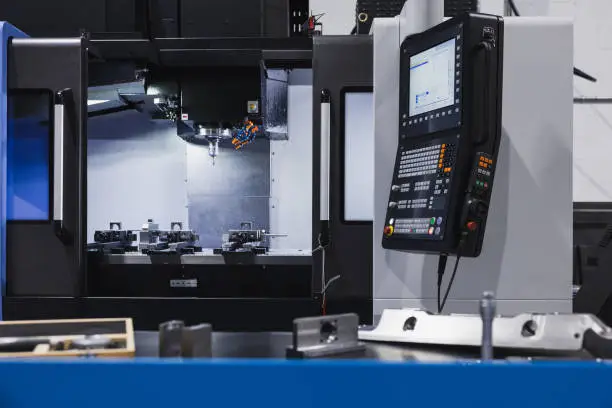
How to Choose the Right CNC Machining Partner for Your Business?
Evaluating Precision Capabilities and Equipment Investment
Before choosing a supplier, it's important to make sure that their professional skills match the needs of the job. The level of precision a maker has determines whether they can meet the ±0.05mm tolerances needed for structural parts in cars or the even tighter tolerances needed for aerospace uses. Going to factories and seeing how they take care of their equipment can tell you a lot about their commitment to quality. For example, well-kept tools from well-known names like HAAS, Fanuc, or Makino show that they really care about producing good products. Advanced multi-axis machining centres used by suppliers show they can work with complex shapes, and large CNC machining turning capacities say they can make shaft-type parts efficiently. Checking measuring tools like coordinate measuring machines (CMMs), optical comparators, and surface roughness testers makes sure that checking skills are the same level of accuracy as production. Certifications like ISO 9001 or AS9100 give you even more confidence in the quality control systems that help you get regular results.
Industry Experience and Application Knowledge
Manufacturing partners with knowledge in the same field can offer more than just simple machining skills. When car suppliers know what PPAP standards are, they can speed up the approval and paperwork processes because they know exactly what OEMs want. Manufacturers with experience in aerospace know that defence companies need to be able to track materials and follow specific inspection processes. This subject understanding stops mistakes that cost a lot of money and speeds up project timelines. Claimed experience can be checked by looking at case studies or asking for references from people who have worked on similar projects. Whether it's getting rid of heat in electrical housings, stopping vibrations in industrial equipment, or lowering weight in flight structures, procurement managers should look for sellers who know how to solve their specific problems. This connection makes sure that the maker understands what the designer meant and can suggest ways to improve the process or materials.
Turnaround Time and Production Flexibility
Different projects have very different due dates. Some need quick samples within days, while others need steady production for months. Suppliers must show that they can respond quickly and on time with the project schedule. Transparency in lead time during quotes shows how reliable planning is, and flexible capacity shows that production can be scaled up as demand grows. When a manufacturer can handle both prototype and production needs, it saves time and effort because the provider doesn't have to be changed between research and full-scale production. Partners who are good at adapting to changes in engineering and quickly changing machine programmes without charging too much are helpful for procurement teams. Clear lines of contact and project management help make working together even better, making sure that problems are fixed quickly and without delaying plans.
Cost Transparency and Service Level Comparison
In order to make real comparisons between providers, detailed quotes should list all of the costs, such as material, machining time, setup fees, tools, finishing, and inspection. It's harder to make choices about purchases and plan budgets when there are hidden fees or unclear pricing systems. By looking at quotes, you can tell if providers use process engineering to improve their machining methods or just use standard rates. Value-added services like reviewing the design to make sure it can be manufactured, helping with material buying, or finishing operations like anodising, plating, and painting make supply lines more efficient and lower the cost of coordination. The best way to choose a provider is to weigh cost, quality, wait time, and service level. The cheapest provider might not be able to be precise or quick to respond, while the most expensive providers might have skills that go beyond what the project needs. Effective buying matches the skills of suppliers with the needs of the project, which ensures both low costs and good results.
Conclusion
From its early numerical control systems to today's complex multi-axis platforms, CNC machining has completely changed how precise and efficient production is. This technology solves important problems in the aircraft, automobile, industrial machinery, and electrical industries by making production more consistent, accurate in size, and able to use a wide range of materials. Procurement teams can make smart choices about where to buy things when they understand the CNC machining process, from digital design to code, machining, and testing. When you compare CNC machining powers to those of other methods, such as 3D printing, casting, and moulding, you can see which ones are best for different volume, complexity, and accuracy needs. To find the best production partner, you need to look at their precision, knowledge in the field, ability to quickly turn around orders, and openness about costs. This will help you make sure that they can meet your project's goals and quality standards.
FAQ
1. What tolerance levels can CNC machining typically achieve?
Standard CNC machining always keeps limits of ±0.05mm to ±0.1mm, which is good for most industry and car uses. Precision machining can reach the ±0.01mm to ±0.025mm standards needed by the aircraft and medical device industries as long as the right tools are used and the environment is controlled. When important mating areas need to be very flat or cylindrical, grinding and other specialised finishing processes can get even tighter tolerances.
2. How does multi-axis machining improve component quality?
Multi-axis CNC machining equipment, especially those with 5 axes, can reach complicated shapes from different directions without having to move the material. This gets rid of the mistakes that come from having to do multiple sets and cuts down on run time. When you use continuous tool contact across compound curves, you can make parts like turbine housings or carved aluminium heat sinks that have a better surface finish and more consistent dimensions than when you use 3-axis machining, which requires multiple operations.
3. Which materials work best for CNC machining applications?
Aluminium alloys—6061-T6 for general uses and 7075-T6 for high-strength needs—are easy to machine and light, which makes them popular in the aircraft and car industries. Stainless steel grades make commercial equipment and food preparation equipment less likely to rust. Copper alloys are needed for power equipment parts because they carry electricity well. Titanium is used in aircraft uses that need the highest possible ratios of strength to weight. The choice of material is based on the needs of the product, such as mechanical qualities, environmental exposure, and following the rules.
Partner with Fudebao Technology for Precision CNC Machining Solutions
As a precision CNC machining company that specialises in making parts out of aluminium alloy, copper alloy, and stainless steel, Fudebao Technology has built a strong name. Our building has modern high-speed machining centres, CNC lathes, low-pressure casting machines, die-casting equipment, and American HAAS automation machine tools. These machines work with "melting-casting-finishing-surface treatment" processes that are fully integrated. We always get accuracy of ±0.05mm on precision parts for cars, housings for industrial equipment, electrical parts, and structure elements. We offer one-stop delivery from billet to finished component, with full traceability and quality paperwork, to clients around the world in the automobile, industrial machinery, green energy, and aerospace industries. Get in touch with us at hank.shen@fdbcasting.com to talk about your precision machining needs and find out how our technical skills and manufacturing know-how can help you with your next project.
References
1 .Groover, M. P. (2020). Fundamentals of Modern Manufacturing: Materials, Processes, and Systems. Wiley Publishing, Seventh Edition.
2. Kalpakjian, S. and Schmid, S. R. (2019). Manufacturing Engineering and Technology in SI Units. Pearson Education Limited, Eighth Edition.
3 .Stephenson, D. A. and Agapiou, J. S. (2018). Metal Cutting Theory and Practice. CRC Press, Third Edition.
4 .Boothroyd, G. and Knight, W. A. (2011). Fundamentals of Machining and Machine Tools. CRC Press, Third Edition.
5 .Lynch, M. (2018). CNC Control Setup for Milling and Turning. Industrial Press Inc., First Edition.
6 .Machinery's Handbook (2020). Industrial Press Inc., Thirty-First Edition, Toolbox Edition.



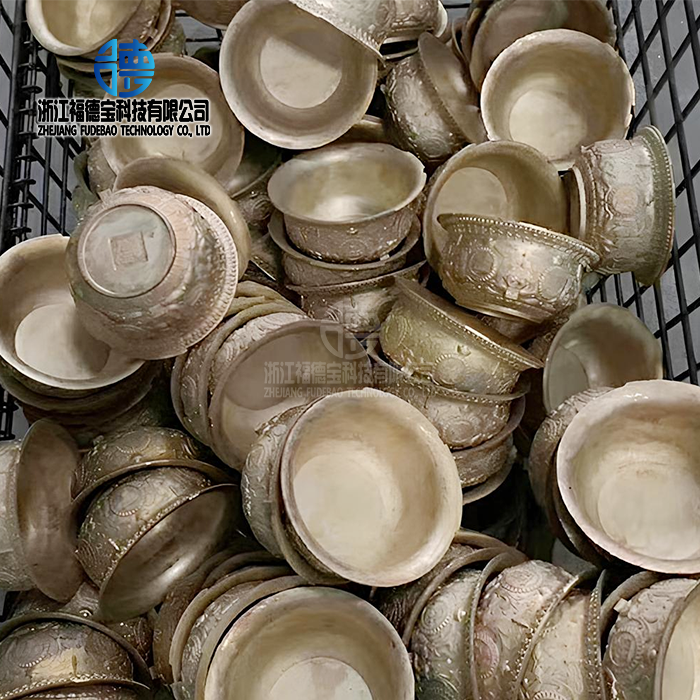
_1756350092126.webp "radiator cover")
_1756349794241.webp "round belt pulley")
_1756348623524.webp "Turbine compressor housing")
_1756346259673.webp "heavy duty hinges")