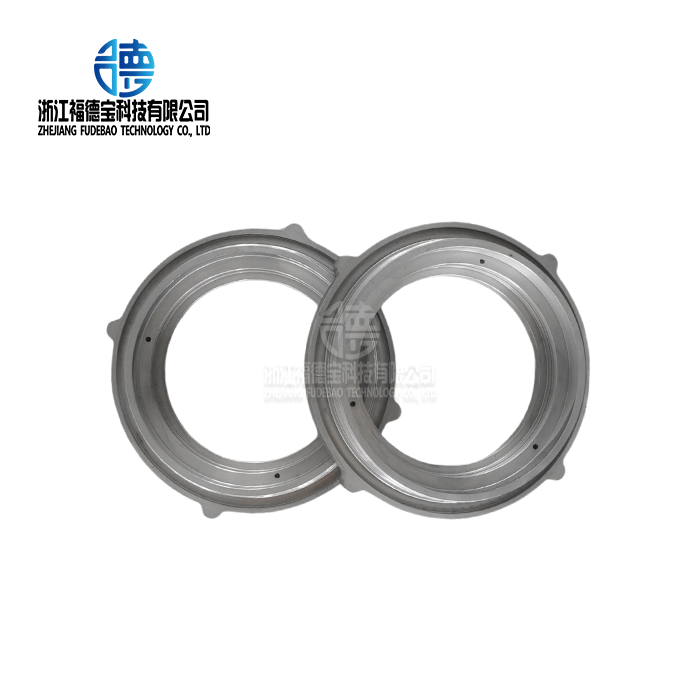
Aluminum Castings for Electric Vehicle Power Systems
2026-03-05
Extreme operating conditions must not affect the performance of exact, lightweight parts used in electric car power systems. Aluminum molds have become the standard way to make important parts for electric vehicles because they are so durable and efficient. Manufacturers can make complicated geometries with great accuracy using the aluminum die casting method. This is why it is essential for making the battery housings, motor enclosures, and inverter parts that power today's high-tech electric cars.
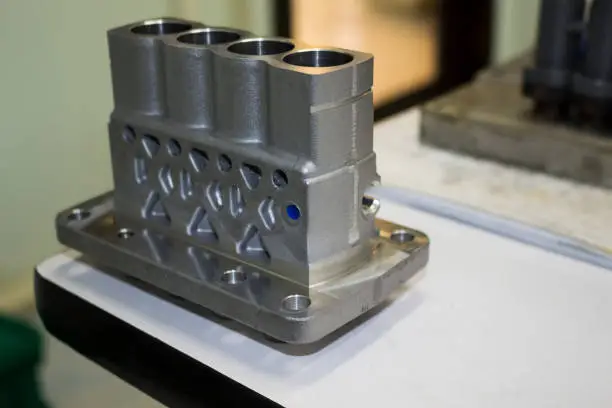
Understanding Aluminum Die Casting in EV Power Systems
Utilizing a sophisticated manufacturing process, the aluminum die casting process turns molten aluminum into precise parts that are necessary for electric car use. This high-pressure injection method shoots liquid aluminum into steel molds at speeds of more than 100 feet per second. This makes parts with fine features and better surface finishes that can't be made any other way.
Fundamentals of the Die Casting Process
Aluminum alloys are heated to temperatures between 1150°F and 1300°F at the start of the die casting cycle. This depends on the individual alloy makeup. Once the metal is as flexible as it can be, it is pushed into precision-machined steel dies by hydraulic systems that apply pressures between 1,500 and 25,000 PSI. This quick drilling and cooling process turns the metal into a solid within seconds. It's possible to make parts with walls as thin as 0.040 inches while still keeping the part's structural integrity.
Throughout this process, strict quality controls make sure that every casting meets the highest standards for the car industry. During the cycle, temperature tracking systems keep an eye on the thermal profiles, and automated extraction mechanisms keep cycle times constant and stop die damage. Modern factories use real-time process tracking to find changes in injection pressure, fill time, and cooling rates. This lets them make changes right away that keep the quality of the parts.
Key Benefits and Material Properties
Aluminum casts have great strength-to-weight ratios that have a direct effect on how well an EV works. Aluminum has a specific gravity about one-third that of steel. This means that aluminum parts make vehicles lighter while still having tensile strengths of over 45,000 PSI in high-performance metals. This weight loss means better battery performance and a longer driving range, both of which are important for getting people to buy electric cars.
Because it conducts heat well, aluminum is a great material for use in EV power systems. With a thermal conductivity of 237 W/mK, aluminum effectively removes heat from batteries and electrical parts, stopping thermal runaway situations that could threaten system safety. Aluminum is also good at conducting electricity, which makes it useful for power transfer and protecting sensitive computer systems from electromagnetic radiation.
Common Aluminum Alloys for EV Applications
Material choice has a big effect on how well a component works and how easy it is to make. Because it is so smooth and doesn't rust, A380 aluminum alloy is the most popular choice for die casting. This makes it perfect for making battery casings and structural parts. This metal has about 8.5% silicon in it, which makes it easier to cast and gives it good mechanical qualities at high temperatures.
The A383 metal is better at keeping out pressure in places where airtight sealing is needed, like in cooling system parts and electrical housings. The higher silicon content in A383 keeps it from shrinking when it hardens, which keeps it from having holes that could damage the seal. Special metals, such as A365, have better thermal conductivity for use in heat sinks because they have the right amount of silicon and magnesium to make thermal transfer work as well as possible.
Design and Manufacturing Guidelines for EV Aluminum Die Castings
Effective design optimization has a direct effect on how well parts work in electric vehicles and how well they are made. Engineers have to find a balance between the needs to reduce weight, make structures stronger, and make sure that the parts can be made while still meeting quality standards and cost goals for the car industry.
Critical Design Considerations
Wall thickness consistency stops internal forces and porosity that could weaken the structure. For most EV parts, the recommended wall thickness is between 0.060 and 0.250 inches, with smooth changes between layers to avoid stress clusters. Draft angles between 1-3 degrees make it easier for parts to come out of the mold while reducing die wear, which extends the life of the tools and keeps the same dimensions across production runs.
Pay close attention to rib and boss design to avoid sink marks and internal gaps. The thickness of the ribs shouldn't be more than 60% of the thickness of the wall next to them, and boss designs need to include the right draft and fillet angles to make sure that the holes fill and release properly. Placement of these features in a smart way can improve the performance of the structure while keeping it easy to make. This is especially important for big parts like battery boxes and motor housings.
Quality Control and Defect Prevention
The most common flaw in aluminum die castings is porosity, which can be a problem in uses that need to keep air in. During injection, vacuum-assisted die casting methods get rid of any stored air, which lowers porosity to below 2% by volume. Porosity formation is directly affected by process variables such as injection speed, gate design, and venting placement, so each component shape needs to be carefully optimized.
Controlling the rates of cooling and the spread of stress during solidification is one way to stop hot cracks. Placing cooling ducts in die blocks in a smart way lets temperature differences be uniform, and changing the shape of a part can move stresses away from important areas. During the design process, advanced modeling software suggests where cracks might appear. This lets engineers change geometries before tooling manufacturing starts.
Manufacturing Method Comparisons
Aluminum die casting has a lot of benefits over other ways of making things when it comes to making a lot of EV parts. Die casting has better surface finishes and measurement standards than sand casting, and many features don't need to be machined again after casting. With cycle times between 30 and 90 seconds, it's possible to make more than 1,000 parts per day from a single set of dies, which meets the huge scale needs of car production.
Investment casting has a better surface quality than die casting, but it takes a lot longer to make and costs more per part. Die casting can get dimensional limits of ±0.005 inches on important parts, which is about the same level of accuracy as investment casting but with much faster production rates. Even though it costs less and can be done faster, plastic injection molding can't match the thermal and electrical conductivity qualities of aluminum that are needed for EV power system uses.
Why Aluminum Die Casting is the Preferred Choice for EV Power Systems
Choosing the right materials for electric car power systems means balancing efficiency, cost, and the ability to make the material. Aluminum die casting has become the most popular method because it has a unique set of properties that make it perfect for the tough needs of current electric vehicle (EV) uses.
Performance Advantages Over Alternative Materials
Aluminum is much better at conducting electricity than zinc and magnesium metals, with a conductivity of 37.7 million siemens per meter. This makes it necessary for uses that need to flow current or block electromagnetic fields. This feature is very important in motor housings and battery pack enclosures where grounding and electrical isolation must be kept for the whole life of the car.
Another big benefit is that it doesn't rust, which is especially important in automobile settings where parts are exposed to road salt, water, and changing temperatures. The natural oxide layer on aluminum protects it from rust, and special surface treatments can make this safety even better for longer service life. To get the same level of corrosion protection, zinc die casts need extra protective coatings, which raises the cost and difficulty of production.
Economic and Lifecycle Considerations
In high-volume car production, the cost of parts is directly affected by how efficiently the parts are made. Die casting aluminum allows for almost net-shape production with few extra steps, which cuts down on labor costs and production wait times. Because complex internal parts can be cast instead of manufactured, they don't need to be put together, which makes supply chain management and quality control easier.
Recycling is good for the economy in the long run because metal keeps its qualities even after being recycled many times. About 75% of all the metal that has ever been made is still being used today. This creates a sustainable supply line that lowers the cost of raw materials and the damage they do to the environment. This ability to be recycled is in line with the environmental goals of the car industry and is good for the economy throughout the lifecycle of the part.
Real-World Applications and Case Studies
A lot of different types of EV power systems have been successfully used by big automakers that use aluminum die casting. Using aluminum die casting to make battery pack covers gives them better crash protection while keeping the best thermal management properties. These enclosures have complex internal features like cooling channels, mounting bosses, and electrical feedthroughs that are all cast in one step, instead of having to be put together in several steps like manufactured options.
Inverter housings are another popular area where aluminum die casting is used because it blocks electromagnetic radiation and lets heat escape quickly. The complicated internal shapes needed for best cooling can be cast directly into the housing, so there is no need for cutting or possible leak paths that could weaken the system. The use of aluminum die casting in these situations shows that it can meet strict car standards while also allowing for cost-effective mass production.
How to Source and Procure Custom Aluminum Die Castings for EV Power Systems
In car aluminum die casting uses, the choice of supplier has a big effect on the success of the project. Because EV power system requirements are so complicated, they need partners with a track record of success, the right certifications, and manufacturing skills that meet car quality standards.
Essential Supplier Qualification Criteria
ISO/TS 16949 certification is the basic condition for suppliers to the car industry. It makes sure that quality control systems meet the needs of the industry. This license shows that the provider is dedicated to ongoing growth, statistical process control, and measuring customer happiness, all of which are important for building long-term relationships. PPAP (Production Part Approval Process) capability also shows that a seller knows about the documentation and validation methods needed in the car industry.
When you do a production capacity review, you look at both the equipment's skills and the facility's ability to grow as the program does. Suppliers should show that they have access to several die casting machines with the right mass ranges, usually between 400 and 3000 tons for parts of EV power systems. Secondary tools like CNC machining centers, coordinate measuring machines, and leak testing systems should be able to finish all of the parts without needing help from outside sources that could delay deliveries.
Production Planning and Cost Considerations
Expected lead times vary a lot depending on how complicated the part is and what tools are needed. After the tool design is approved, it usually takes 8–12 weeks to make the first sample parts. For complex shapes, it can take up to 20 weeks to make the production tools. To help with program planning, suppliers should give specific project timelines that include reviews of the tool design, inspection plans for the first item, and production ramp-up phases.
Minimum order numbers are based on the need to amortize tools and the need to make production as efficient as possible. Most sellers set MOQs between 1,000 and 5,000 pieces per year to keep prices low and explain the cost of tools. However, prototype numbers of 50 to 100 pieces can usually be met with temporary tooling or modified production dies. This lets the design be tested before investing in full production casting.
Best Practices for Supplier Evaluation
Requests for quotes should include thorough technical requirements, quality standards, and delivery goals so that suppliers can give correct answers. By giving 3D CAD models, material specs, and finish requirements, you clear up any confusion and let sellers see any possible manufacturing problems early on in the quotation process. Clear communication about expected volume, start dates, and program length helps providers come up with the best ways to make the product.
Before giving out contracts, suppliers are audited to make sure they can meet high standards and make good products. As part of these reviews, the state of the equipment, the process control systems, and the quality management practices should all be looked at. Previous car experience and customer recommendations should also be looked at. On-site evaluations give information about the supplier's attitude and dedication to continuous growth that can't be gleaned from looking at paperwork alone.
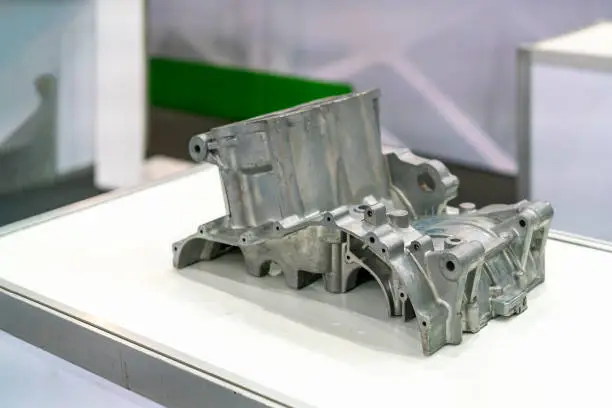
Future Trends and Innovations in Aluminum Die Casting for Electric Vehicles
The aluminum die casting business is always changing to keep up with the needs of the growing market for electric vehicles. Recent improvements in casting methods, materials, and automation are changing the way things can be made while also meeting efficiency and environmental issues.
Advanced Manufacturing Technologies
Controlled oxygen injection in vacuum die casting methods makes it possible to get porosity levels below 1%, which is a big step forward in casting quality. These systems take out the air from the die cavities before the injection process. This gets rid of flaws caused by turbulence and makes it possible to make thinner walls and more complex shapes. Vacuum casting makes the material's properties better, which helps with efforts to reduce weight while still meeting standards for structural stability.
Automation integration includes more than just moving parts around. It also includes watching the process in real time and using adaptable control systems. During each cycle, high-tech sensors keep an eye on the injection pressure, temperature profiles, and fill patterns. They instantly change the settings to keep the quality at its best. Machine learning algorithms look at past data to predict possible quality problems before they happen. This lets proactive changes be made that lower the number of parts that need to be thrown away and keep the quality of the parts uniform.
Sustainable Alloy Development
Next-generation aluminum alloys have more recovered material in them than standard casting alloys, but their mechanical properties stay the same or get better. Advanced refining methods get rid of impurities in recovered aluminum, which lets it be used in tough car uses. These sustainable metals have less of an effect on the environment and may even lower the cost of materials by using recovered content more.
New developments in heat treatment make it possible to improve the qualities of materials for specific EV uses. Controlled cooling methods can be used during and after casting to get the desired qualities of the material without having to go through additional heat treatment steps. This saves energy and lowers the cost of production. These improvements are especially helpful for big structural parts that need to have the same qualities all the way through for safety and function.
Regulatory and Industry Developments
New safety rules for electric car battery systems mean that aluminum casting uses need to meet new standards. Better fire safety rules need materials that can keep their shape at high temperatures and keep heat from getting into the battery cells and car frames. New types of aluminum alloys and casting methods are being created to meet these new needs while keeping the cost of mass production low.
Automotive OEMs are looking for integrated solutions from fewer, more capable suppliers. This is changing the competitive environment through industry consolidation and supplier agreements. This trend leads to more money being spent on advanced manufacturing technologies and more services, such as design engineering help, making prototypes, and finishing all of the parts under a single-source agreement.
Conclusion
Aluminum molds are now necessary for electric vehicle power systems because they are lightweight, good at managing heat, and easy to make, all of which are important for current EV uses. The aluminum die casting method makes it possible to make complicated parts that meet strict quality standards for the auto industry while also meeting the huge scale needs of making cars around the world. As the market for electric vehicles continues to grow quickly, aluminum die casting technology changes to meet new challenges. It does this by using more advanced production methods, eco-friendly materials, and creative design ideas that will shape the future of transportation.
FAQ
What makes aluminum die casting suitable for EV battery enclosures?
Die casting aluminum gives it great dimensional stability and thermal conductivity, which are both important for battery safety uses. By using this method, airtight seals are made that keep out water while also letting heat from battery cells escape quickly. Additionally, aluminum's electromagnetic shielding qualities keep sensitive electronic parts from being interfered with while keeping the structure's strength during crashes.
How do lead times compare between aluminum die casting and alternative manufacturing methods?
After the plan is approved, the first production run of aluminum die casting usually takes 16 to 20 weeks. This includes making the tools and making sure they work. This schedule is better than investment casting, which can take 24 to 30 weeks, and much better than machined options, which can take 35 to 40 weeks for complex shapes. Once production starts, though, die casting cycle times of 30 to 90 seconds make it possible to make a lot more than with other ways.
What quality standards apply to aluminum castings for automotive EV applications?
To be used in cars, aluminum castings must meet ISO/TS 16949 quality control standards as well as specific customer standards for material features, surface finish, and size limits. The PPAP documentation proves that the production methods always make parts that meet all the requirements. Some other tests that might be done are pressure tests for protected parts, thermal cycling for battery uses, and shaking tests for structure parts.
Partner with Fudebao Technology for Premium Aluminum Die Casting Solutions
Fudebao Technology makes precise aluminum die casting parts for electric car power systems that exceed automotive industry requirements. Our modern factory is equipped with advanced die casting machines, CNC machining centers, and comprehensive quality control systems, ensuring dimensional accuracy within ±0.05 mm. With extensive experience serving global automakers and Tier-1 suppliers, we support EV development programs with reliable, high-quality aluminum die casting services—from initial design consultation to delivery of finished components. Contact us at hank.shen@fdbcasting.com to discuss your project requirements and explore customized solutions.
References
Society of Automotive Engineers, "Aluminum Alloy Selection Guidelines for Electric Vehicle Applications," SAE Technical Paper Series, 2023.
American Foundry Society, "Die Casting Process Optimization for Automotive Components," Modern Casting Magazine, 2023.
International Journal of Advanced Manufacturing Technology, "Thermal Management Solutions in Electric Vehicle Battery Systems Using Aluminum Castings," Volume 127, 2023.
Automotive Engineering International, "Lightweight Materials and Manufacturing Processes for Electric Vehicle Powertrains," Annual Review, 2023.
Journal of Materials Processing Technology, "Quality Control and Defect Prevention in High-Pressure Die Casting of Aluminum Alloys," Volume 315, 2023.
Electric Vehicle Research Institute, "Material Selection and Design Guidelines for EV Power System Components," Technical Report EV-2023-048, 2023.



YOU MAY LIKE
_1756345939856.webp "Aluminum casting chassis")
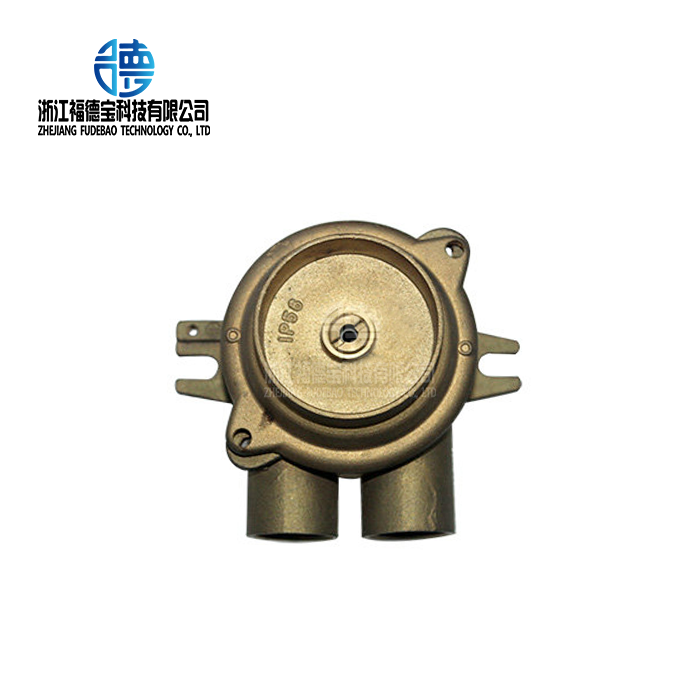
_1756352561845.webp "stainless steel blanking plug")
_1756348489473.webp "Automobile intake valve")