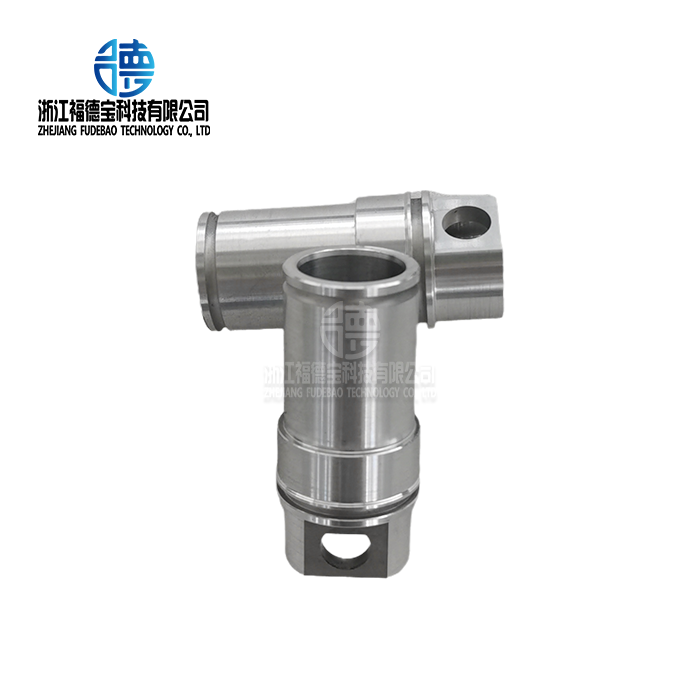
Sand Casting Steel Pump Body Quality Inspection Methods
2026-02-07
Sand casting steel pump body quality inspection methods are critical for ensuring reliable performance in industrial applications. Sand models are used in this complete manufacturing process to make complex steel parts that meet strict quality standards. Effective inspection methods find problems early, keep the accuracy of measurements needed for pumps to work properly in harsh environments, and stop failures that cost a lot of money.
Introduction to Sand Casting and Its Role in Steel Pump Body Manufacturing
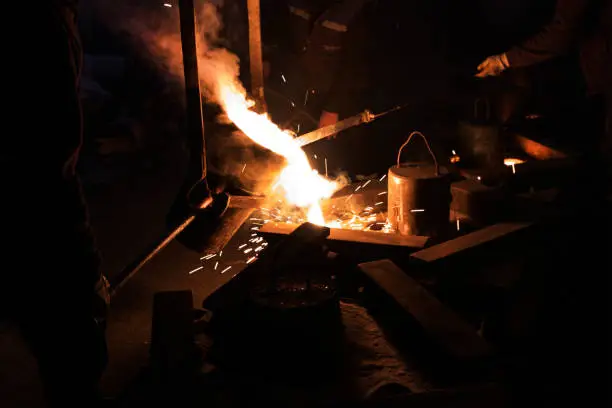
One of the most useful and cost-effective ways to make steel pump bodies for a wide range of businesses is through sand casting. Molds are made from specially mixed sand in this tried-and-true method. This lets manufacturers make complicated shapes that would be hard or impossible to make with other casting methods.
Understanding the Sand Casting Process
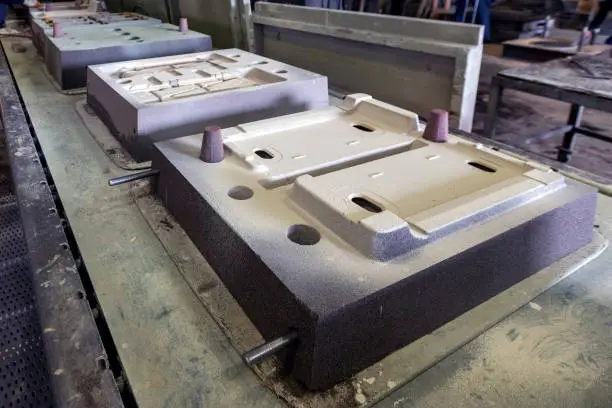
Pattern creation is the first step in the sand casting process. This is where engineers make exact copies of the pump part they want to cast. These designs will be used as guides to make sand molds that will hold molten steel in the end. Several important steps are needed to complete the process: preparing the mold, placing the core, filling the metal, cooling, and finishing.
During every step, quality control is very important because steel pump bodies have to work in harsh situations like high pressures, corrosive fluids, and changes in temperature. The internal structure of the casting has a direct effect on its ability to stay strong under pressure and resist wear over long periods of time.
Common Challenges in Steel Pump Body Casting
Sand casting is a unique method of making steel pump bodies, but it comes with its own problems that need close quality control. Porosity can happen when gases get caught during solidification. This makes weak spots that could break before they're supposed to under pressure. Sand inclusions are another issue to consider, as these outside substances can weaken the structure of the casting and cause stress concentration points.
When it comes to pump bodies, precise specs are especially important for making sure they fit properly with other parts and keep hydraulic efficiency high. Even small changes can cause performance to drop, upkeep needs to go up, or the whole system to stop working.
Key Quality Inspection Methods for Sand Casting Steel Pump Bodies
By putting in place thorough quality inspection processes, manufacturers and end users can avoid the problems that come with using defective sand castings. These inspection methods work together to cover all possible types of defects while keeping production running smoothly.
Visual and Dimensional Inspection Techniques
The best way to find surface flaws, casting irregularities, and clear dimensional problems is to look at the product closely. Each casting is checked by trained inspectors for cracks, surface porosity, sand burn-in, and other obvious flaws that might affect its performance. This method finds many mistakes before more expensive testing starts, and it doesn't cost much.
To make sure that castings meet certain tolerances, dimensional checking uses precise measuring tools like coordinate measuring machines (CMMs), calipers, and special gauges. Modern inspection facilities use laser scanning to make detailed three-dimensional maps of casting surfaces that can be quickly compared to the design specs.
Non-Destructive Testing (NDT) Methods
NDT methods give us very useful information about the quality of the casting without hurting the parts we're testing. Here are the most important NDT techniques used to check the inside of a steel pump body:
- Ultrasonic Testing: High-frequency sound waves go through the steel to find holes, cracks, and other imperfections that can't be seen with the naked eye.
- Radiographic Inspection: X-ray or gamma-ray imaging makes clear pictures of the inside structures of the casting, showing differences in density and secret flaws.
- Magnetic Particle Inspection: Magnetic fields and special particles show cracks on the surface and close to the surface of ferromagnetic materials like steel.
- Liquid Penetrant Testing: Under the right lighting, colored dyes seep into surface flaws and make tiny cracks and holes visible.
With these advanced checking methods, quality teams can check the integrity of castings in a wide range of ways, all while keeping production schedules and avoiding the high costs of destructive testing.
Mechanical and Metallurgical Analysis
Standardized methods, such as tensile testing, hardness measurement, and impact resistance testing, are used in mechanical testing to find out how strong steel castings really are. These tests show that the casting material meets the performance standards and can handle service loads.
Metallurgical analysis uses optical microscope and chemical composition analysis to look at the microstructural features of steel castings. This in-depth test shows the uniformity of the grain structure, the spread of carbides, and any possible metallurgical flaws that might affect the long-term performance.
How to Improve Quality Control in Sand Casting Steel Pump Bodies?
To improve quality control, you need a methodical approach that covers both finding and preventing sand casting flaws. Integrated quality control systems are used in modern foundries to keep an eye on every step of the casting process, from choosing the raw materials to the final inspection.
Root Cause Analysis and Prevention Strategies
To improve quality, you must first figure out why mistakes happen and then take specific steps to stop them. The quality of the sand preparation has a direct effect on the surface finish and accuracy of the casting's dimensions. Molds that make great casts with few flaws are made when the clay's moisture content, bonding, and sand grain distribution are just right.
The way metal is handled has a big effect on the quality of the end casting. Inclusions and gas-related flaws are less likely to happen when melting temperatures are controlled, degassing is done correctly, and transfer systems are clean. Monitoring the temperature throughout the process makes sure that the metal has the best properties for melting and solidifying.
Advanced Process Control Technologies
Modern foundries use automation and tracking systems that work in real time to make sure that the quality of the castings stays the same. Computerized pouring systems precisely control the flow rates and temperatures of metal, making it hard to do by hand. Automated sand preparation systems make sure that mold properties are the same from batch to batch.
Statistical process control (SPC) methods keep track of quality metrics over time. This lets workers spot patterns before they lead to bad casts. These methods that are based on data help to improve process parameters and make casting qualities more consistent.
Real-world implementations demonstrate the effectiveness of integrated quality systems. After putting in place automated process controls and thorough inspection protocols, a major pump maker cut the number of casting rejections by 40%. This made customers happier and cut down on production costs.
Choosing the Right Inspection Method for Your Steel Pump Casting Needs
When choosing the right inspection methods, you need to carefully think about the needs of the product, how sensitive the defects are, and the cost. Depending on how they are used and how important they are, different pump uses need different levels of quality assurance.
Application-Specific Inspection Strategies
Usually, full NDT coverage is needed for high-pressure pump uses to make sure that all defects are found. Critical parts may be inspected using more than one way, such as x-rays, ultrasonic tests, and pressure tests, to make sure they are intact. For less important tasks, visual and dimensional inspections with some NDT covering might be enough.
Choosing a checking method is often based on how well it meets regulations. For nuclear use, pump parts must meet strict ASME standards that call for a lot of paperwork and inspections. Different standards are used for chemical processing equipment, with a focus on material approval and resistance to corrosion.
Comparing Inspection Methods Across Casting Technologies
Inspection for sand casting is different from inspection for other casting methods because of the way sand models work and the finish they produce. Die casting allows for better control of dimensions but may introduce different types of defects. Investment casting, on the other hand, usually results in smoother surfaces that need less thorough surface inspection.
By knowing these differences, procurement workers can make smart choices about which casting technology to use and how to inspect it. Sand casting is great for complicated shapes and low to medium production volumes because of its flexibility, and with the right planning, its inspection requirements can be met.
Company Introduction and Our Casting Solutions
Zhejiang Fudebao Technology Co., Ltd. is a world-renowned leader in precision metal casting and machining, and it serves customers all over the world with its wide range of production services. We know how to make castings out of aluminum alloys, copper alloys, and stainless steel that meet the strict needs of the automotive, industrial equipment, and machinery making industries.
Advanced Manufacturing Capabilities
Important machines like high-speed machining centers, CNC lathes, low-pressure casting machines, and die casting tools are kept in our state-of-the-art building. This unified method includes the whole making process, from melting to treating the surface. This makes it possible to send blanks to finished parts all in one place, with accuracy up to ±0.05mm.
Fudebao Technology's full quality assurance system includes high-tech checking tools and strict testing procedures that go above and beyond what is required by the industry. International names, such as American HAAS automation machine tools and ESS energy storage batteries, have recognized our dedication to quality, which has helped us become known as a leading aluminum foundry business.
Customer-Focused Service Excellence
By working directly with foreign manufacturers, you can avoid the problems that come with going through middlemen and be sure of clear communication and on-time deliveries. Our engineering team works closely with clients to make sure that designs are optimized for production while still meeting performance and cost goals.
Customized solutions meet the specific needs of each application by using flexible production methods and a deep understanding of the materials used. Fudebao Technology always provides consistent quality that helps our partners succeed in tough markets, whether they are making prototypes or handling large-scale production runs.
Conclusion
Quality control methods for sand casting steel pump bodies are the basis for manufacturing processes that are effective and used in important industrial settings. Visual inspection, measurement verification, and advanced non-destructive testing are all part of thorough inspection strategies that keep production running smoothly while ensuring the integrity of castings. Automation and data analysis are used in modern quality control systems to stop mistakes and keep process factors at their best.
To choose the right inspection methods for a project, you need to know about the application needs, legal standards, and cost factors that are unique to that project. Partnering with experienced manufacturers who keep up strong quality systems and advanced inspection tools saves procurement investments and ensures that parts will work reliably for a long time in tough service settings.
FAQ
What are the most common defects found in sand cast steel pump bodies?
The most frequent defects include porosity caused by trapped gases during solidification, sand inclusions from mold breakdown, shrinkage cavities due to improper feeding, and surface irregularities from poor mold quality. Cold shuts and misruns can occur when metal temperature is insufficient or pouring procedures are inadequate.
How long does comprehensive quality inspection typically take?
Inspection duration depends on component complexity and required testing scope. Basic visual and dimensional inspection can be completed within hours, while comprehensive NDT testing may require 1-3 days. Radiographic examination needs additional time for film processing and interpretation, while ultrasonic testing provides immediate results.
Can non-destructive testing detect all potential casting defects?
NDT methods detect the majority of significant defects, but no single technique provides complete coverage. Combining multiple NDT methods increases defect detection capability substantially. Some very small defects or those with orientations parallel to inspection surfaces may escape detection, which is why comprehensive inspection protocols use multiple complementary techniques.
What industry standards apply to steel pump body casting inspection?
Common standards include ASTM A216 for steel castings, ASME Section VIII for pressure vessels, and API standards for petroleum industry applications. Specific requirements vary by application and customer specifications, with some industries requiring additional certifications or testing procedures beyond standard requirements.
Partner with Fudebao Technology for Superior Steel Pump Body Castings
Demanding applications require precision manufacturing partners who understand quality inspection and deliver reliable results consistently. Fudebao Technology combines decades of casting expertise with advanced inspection capabilities to ensure your steel pump body requirements meet exact specifications. Our comprehensive sand casting manufacturer capabilities include custom design support, rapid prototyping, and volume production with competitive lead times. Contact our engineering team at hank.shen@fdbcasting.com to discuss your specific requirements and receive detailed quotations for your next project.
References
Campbell, John. "Complete Casting Handbook: Metal Casting Processes, Metallurgy, Techniques and Design." Butterworth-Heinemann, 2015.
American Society for Testing and Materials. "ASTM A216/A216M-17: Standard Specification for Steel Castings, Carbon, Suitable for Fusion Welding, for High-Temperature Service." ASTM International, 2017.
Beeley, Peter R. "Foundry Technology." Newnes, 2001.
American Society of Mechanical Engineers. "ASME Boiler and Pressure Vessel Code Section V: Nondestructive Examination." ASME Press, 2019.
Davis, Joseph R. "Cast Irons: ASM Specialty Handbook." ASM International, 1996.
Stefanescu, Doru Michael. "Science and Engineering of Casting Solidification." Springer International Publishing, 2015.



YOU MAY LIKE
_1756361494985.webp "sliding block copper castings")
_1756352712247.webp "stainless steel hex plug")
_1756352340434.webp "Aluminum chassis cover")
_1756348489473.webp "Automobile intake valve")
_1756344684491.webp "Explosion-proof lamp housing aluminum casting")