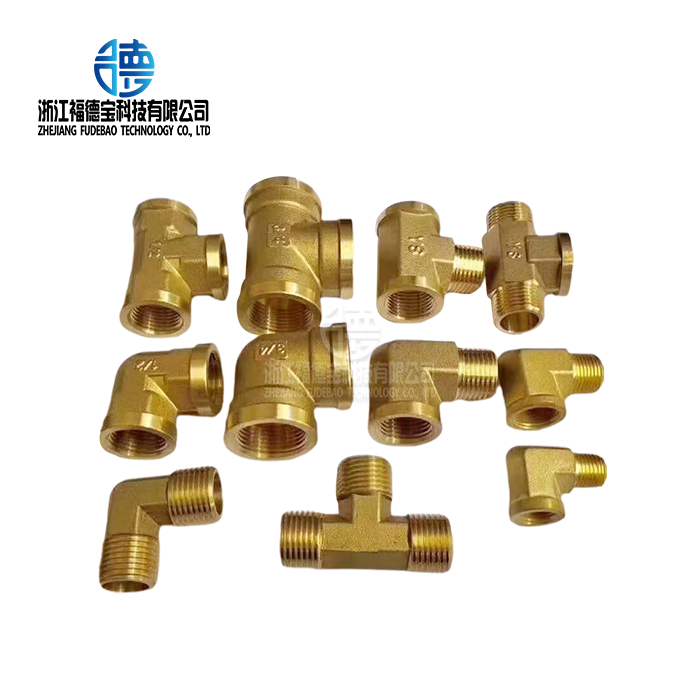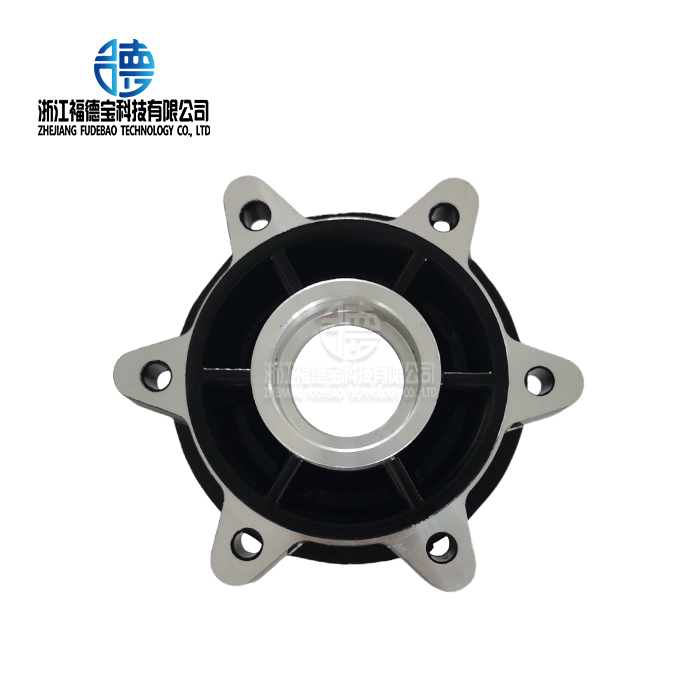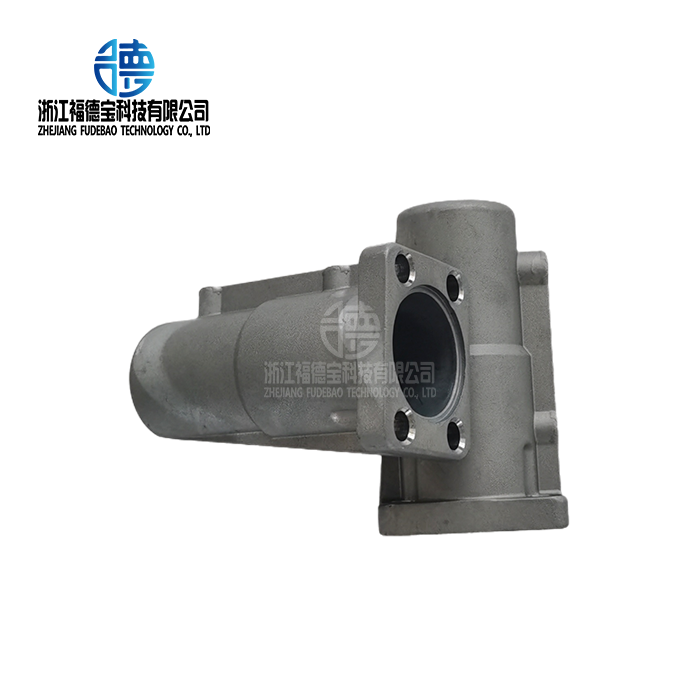
CNC Machined Parts for Automotive and Industrial Applications
2026-02-07
CNC machining parts are the backbone of modern manufacturing in both the car and industrial sectors. They make precise parts that meet the needs of today's complex systems. Computer numerical control technology turns raw materials into high-performance parts that are very accurate and repeatable. This makes it essential for auto OEMs, tier-1 suppliers, and industrial equipment manufacturers that need reliable parts for engines, transmissions, pumps, and structural assemblies that have to work in harsh conditions.
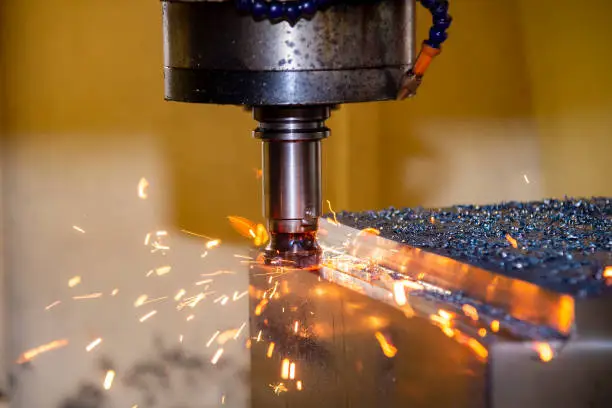
Understanding CNC Machined Parts and Their Applications
Computer-controlled machining processes are a big part of modern manufacturing. They take raw materials and turn them into carefully engineered parts. Software that has already been programmed controls the movement of workplace tools and machinery in this advanced manufacturing technology. This makes it possible to make parts with exact measurements that can't be achieved by hand.
Fundamentals of Precision Machining Technology
CNC technology works in a planned way that starts with computer-aided design files and turns them into directions that a machine can understand. Fixtures are used to hold the workpieces in place, the right cutting tools are chosen, and designed tool paths are run to remove material with micron-level accuracy. Specialized machines, multi-axis lathes, and high-speed machining centers all work together to make parts that meet strict standards for geometric dimensions and tolerances.
Choosing the right materials is a very important part of cutting. For automotive uses, aluminum alloys have great strength-to-weight ratios. Stainless steel, on the other hand, doesn't rust and is used in harsh environments for industrial equipment. Copper alloys are better at conducting electricity, which makes them ideal for power transmission parts. To get the best surface finishes and dimensions, each material needs its own set of cutting factors, tooling strategies, and cooling methods.
Machine Types and Capabilities
In the automobile and industrial sectors, different machining centers are used for different types of manufacturing tasks. Three-axis milling machines are great at making flat surfaces, slots, and simple geometric shapes. Five-axis machining centers, on the other hand, can make complicated shapes and undercuts that would not be possible with regular tools. When it comes to cylindrical parts like shafts, bushings, and threaded bolts, turning centers are the best at achieving perfect concentricity and surface finish.
Multi-axis skills have changed the way parts can be designed, letting engineers make integrated assemblies that cut down on the number of parts needed and the complexity of the assembly. Swiss-type lathes make small, complicated parts with many features in a single setup, which reduces the amount of work that needs to be done and improves accuracy. Wire EDM and sinker EDM are used in addition to standard machining to work with hard materials and complex internal shapes that cutting tools can't reach.
Comparison and Advantages of CNC Machining Over Traditional Methods
People who make decisions about manufacturing are always looking at new ways to improve quality, speed, and cost-effectiveness. CNC machining has clear benefits over other ways of making things, especially in industrial and automotive settings that need tight tolerances and consistent quality.
Precision and Repeatability Benefits
When someone does manual machining, their skill and experience play a role, which can lead to variations that affect the quality and accuracy of the parts. Automated machining gets rid of the chance of human mistake, making identical parts with differences in size measured in thousandths of an inch. Statistical process control data from modern machining centers shows capability indices that go beyond what the car industry needs for important safety parts.
Additive manufacturing technologies, such as 3D printing, let you be creative with your designs, but they have trouble meeting the high standards for surface finish and dimensional accuracy that are common in car applications. Layer bonding problems and differences in material properties mean that printed parts can't be used in high-stress situations where dependability is very important. To get the final measurements, traditional casting methods need a lot of secondary machining, which adds time and cost to production compared to near-net-shape machined parts.
Efficiency and Scalability Advantages
When you look at cycle times and setup needs for different ways of making things, you can see how automated machining improves production efficiency. Lights-out manufacturing lets machining centers run constantly with little supervision, which makes the best use of equipment and lowers the cost of labor. Quick-change tooling systems and automatic part handling cut down on the time needed to set up between runs of different parts, which makes it cheaper to make smaller batches.
Because it takes a long time to make molds and costs a lot of money to buy the tools, injection molding is not good for making prototypes or small batches of products. Laser cutting and waterjet cutting can work with a variety of materials, but they can't make complex parts for cars and factories that are three-dimensional. Because of these problems, computer-controlled cutting is the best option for companies that want to be flexible with their production without lowering quality standards.
Choosing the Right CNC Machining Service for Your Procurement Needs
More and more, procurement professionals are under pressure to find manufacturing partners who can meet strict cost and delivery goals while also providing high-quality parts. To choose a good supplier, you need to carefully look at their technical skills, quality systems, and operating dependability, all of which have a direct effect on how well the supply chain works.
Quality Certifications and Production Capabilities
While ISO 9001 certification covers basic quality management needs, automotive suppliers engaged in CNC machining also need other certifications, such as IATF 16949, which cover quality standards specific to the automotive business. For aerospace applications, AS9100 certification is now necessary, and many original equipment manufacturers (OEMs) now expect their suppliers to have ISO 14001 certification to show they are committed to environmental management.
In addition to basic cutting tools, production facilities also have systems for measuring and inspecting to make sure that quality is always the same. Coordinate measuring tools, optical comparators, and statistical process control software allow for quality tracking and documentation in real time, which is needed for PPAP submissions and ongoing production part approval needs. Systems for capacity planning and scheduling help suppliers keep track of multiple projects at once and meet supply deadlines.
Cost Factors and Lead Time Considerations
Material costs usually make up the biggest part of the price of a machined part. The prices of aluminum, steel, and unique alloys can change with the commodity market. Design complexity directly affects the amount of time and tools needed for cutting. For example, deep pockets, thin walls, and tight tolerances need special tools and longer cycle times. The amount of production affects how setup costs are split, with economies of scale and process optimization possibilities available for larger amounts.
Managing lead times means finding a balance between getting materials, planning output, and making sure quality standards are met. Suppliers who already have relationships with material suppliers and systems in place to manage their stock can act more quickly to urgent needs. Advanced software for planning and scheduling helps manufacturers get the most out of their machines while still meeting delivery promises for a variety of customer programs.
Ensuring Quality and Safety in CNC Machining Operations
Quality assurance methods are the basis for good manufacturing partnerships. This is especially true for industrial and automotive uses where broken parts can cause safety issues and warranty claims. Design validation, process control, and final checking are all parts of comprehensive quality systems that work together to make sure that the quality of parts stays the same throughout production runs.
Advanced Quality Control Methods
Coordinate measuring tools can measure things in three dimensions and check complex geometric relationships and surface profiles with accuracy down to the micron level. In-process tracking systems keep an eye on cutting forces, spindle loads, and tool wear to find quality problems before they change the size of the part. Vision inspection systems instantly check the quality of the surface finish, the completeness of the features, and the size and shape of the parts as they are made.
Statistical process control methods look for patterns in measurement data to find changes in the process before they lead to parts that don't meet standards. Control charts show how important factors change over time, which lets workers make changes that keep the process stable. Capability studies show how well a process will work in the long run and help customers meet the qualification requirements for important car parts.
Safety Protocols and Maintenance Practices
Safety systems for machine tools include built-in guards, light screens, and emergency stop circuits that meet OSHA standards. These systems keep workers safe while keeping production going smoothly. Lockout/tagout processes make sure that safe maintenance practices are used when tools and equipment are being serviced or changed. Personal protective equipment rules cover things like eye protection, hearing protection, and safe hand hygiene for machining settings.
Preventive maintenance plans for CNC machining include regular checks, lubrication, and part repairs that keep machines running smoothly and avoid unplanned downtime. Schedules for calibrating measuring tools make sure that measurements stay accurate and can be traced back to national standards. Tool life tracking systems make sure that cutting tools are replaced at the best times and that they don't break down and damage workpieces or equipment.
Our Commitment as a Trusted CNC Machining Supplier
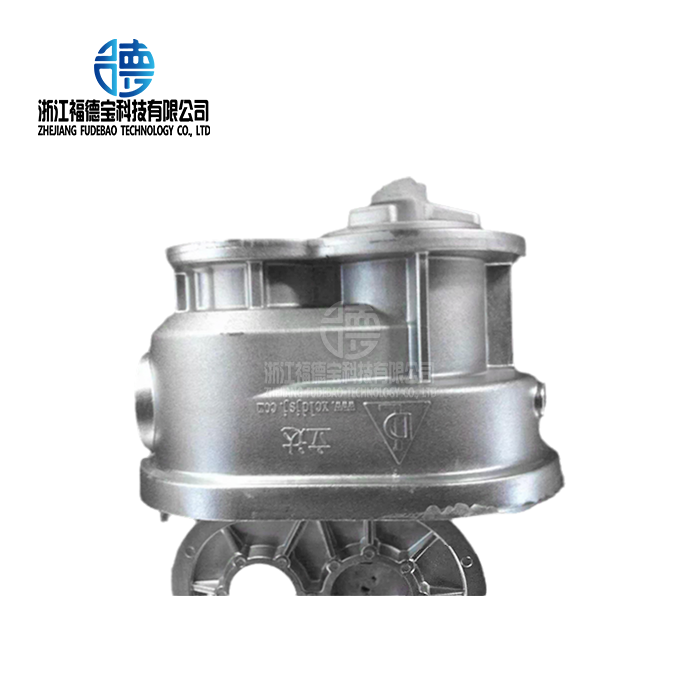
Zhejiang Fudebao Technology Co., Ltd. has become a leading aluminum foundry company by focusing on precision manufacturing for the automobile and industrial markets around the world for many years. Our wide range of skills covers the whole manufacturing process, from melting the raw materials to treating the end surface. This lets us offer our customers one-stop delivery options that make managing their supply chains easier.
Advanced Manufacturing Capabilities
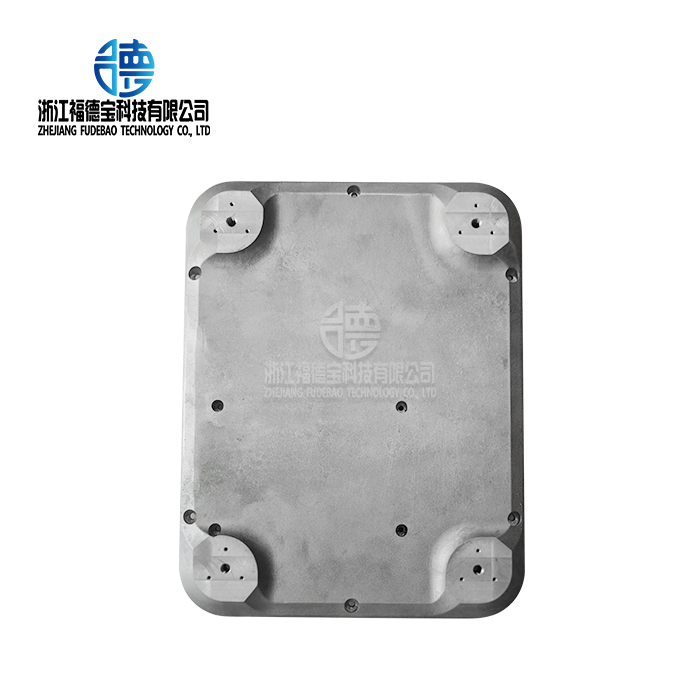
Modern machines like high-speed machining centers, precision CNC lathes, low-pressure casting machines, and advanced die casting systems are all housed in our building. These machines help with the whole manufacturing process, from making blanks to finished parts. This integrated method gets rid of the need for transport and handling in the middle, which cuts down on lead times while keeping quality control high throughout production. The highest level of accuracy possible for machining is ±0.05mm, which meets the strict needs of precision car parts and medical equipment housings.
Processing aluminum alloys, copper alloys, and stainless steel is something that they are very good at. They also know a lot about automotive-grade materials and how to machine them. The ability to heat treat and finish the surface of a component means that customers can get full solutions that meet their needs without having to go to other suppliers. Quality systems include thorough inspection tools and processes for keeping records that help with PPAP submissions and ongoing production needs.
Global Partnership Approach
We are committed to global quality standards and advanced technology, as shown by our direct supply relationships with foreign brands such as American HAAS automation machine tools and ESS energy storage systems. These relationships give our customers access to cutting-edge manufacturing tools and technical support, which helps them be more efficient and get better results.
During the design creation process, our engineering team works closely with customers to provide manufacturability analysis and cost optimization suggestions that raise product performance while lowering production costs. Technical consultation services help customers choose the right materials, make sure tolerances are optimized, and make sure processes are validated. This makes sure that new products start successfully and that the supply chain stays stable over time.
Conclusion
CNC machining parts are the foundation of modern manufacturing in both the car and industrial sectors. They provide the accuracy, dependability, and performance that today's tough applications need. A computer-controlled cutting process has more and more benefits over traditional ways of making things as technology improves and customer needs get more complex. Finding manufacturing partners with a wide range of skills, strong quality systems, and a history of on-time delivery is a key part of successful buying strategies. Using high-tech tools, skilled workers, and organized quality methods together makes sure that parts are always made that meet the strict needs of automakers, tier-1 suppliers, and companies that make industrial equipment around the world.
FAQ
What materials are most suitable for automotive CNC machined parts?
Aluminum alloys, particularly 6061 and 7075 grades, offer excellent strength-to-weight ratios ideal for automotive applications requiring lightweight components with high structural integrity. Stainless steel grades provide corrosion resistance for exhaust systems and underhood applications, while carbon steel offers cost-effective solutions for structural components. Material selection depends on specific application requirements including operating temperatures, load conditions, and environmental exposure factors.
How do typical production lead times compare for different order quantities?
Prototype quantities typically require 2-3 weeks including material procurement and first article inspection procedures. Production runs of 100-1000 pieces generally require 3-4 weeks depending on complexity and material availability. Larger quantities benefit from optimized setups and dedicated production schedules, with lead times of 4-6 weeks for quantities exceeding 1000 pieces. Rush orders can often be accommodated through expedited scheduling at premium pricing.
Can CNC machining handle complex geometries and tight tolerances simultaneously?
Five-axis machining capabilities enable complex contours and undercuts while maintaining tight tolerances through single-setup operations that eliminate repositioning errors. Advanced CAM software optimizes tool paths for complex geometries while maintaining surface finish requirements. Tolerance capabilities depend on part geometry and material properties, with typical achievable tolerances ranging from ±0.001" to ±0.005" for most automotive applications.
How do CNC machining costs compare with alternative manufacturing methods?
Initial tooling costs for machined parts are typically lower than injection molding or die casting, making it economical for prototype and low-volume production. Higher material utilization efficiency compared to subtractive processes like laser cutting reduces raw material costs. Setup costs become negligible for larger production quantities, while shorter lead times reduce inventory carrying costs and improve cash flow management.
Partner with Fudebao Technology for Superior CNC Machining Solutions
Zhejiang Fudebao Technology delivers comprehensive precision machining solutions tailored to automotive and industrial manufacturing requirements through advanced equipment, proven expertise, and unwavering commitment to quality excellence. Our integrated manufacturing capabilities, spanning from material melting to final surface treatment, position us as your ideal CNC machining supplier for complex component needs. Connect with our technical team at hank.shen@fdbcasting.com to discuss your specific project requirements and discover how our precision manufacturing capabilities can optimize your supply chain performance while ensuring exceptional component quality and reliability.
References
Smith, J.A. "Advanced CNC Machining Techniques for Automotive Component Manufacturing." Journal of Manufacturing Science and Engineering, Vol. 143, 2021.
Johnson, R.M. "Quality Control Standards and Practices in Precision Machining Operations." International Journal of Production Engineering, Vol. 98, 2022.
Williams, K.L. "Material Selection Guidelines for High-Performance Automotive Applications." Automotive Engineering International, Vol. 129, 2021.
Brown, T.S. "Comparative Analysis of Manufacturing Methods for Industrial Component Production." Manufacturing Technology Review, Vol. 45, 2022.
Davis, M.R. "Supply Chain Optimization Through Strategic Manufacturing Partner Selection." Procurement and Supply Management Quarterly, Vol. 67, 2021.
Anderson, P.J. "Safety Protocols and Best Practices in Modern CNC Machining Facilities." Industrial Safety and Health Management, Vol. 54, 2022.



_1756361323684.webp "column guide sleeve")
_1756352822273.webp "Stainless steel plugs")
_1756352625880.webp "plug stainless")