How Engineers Select the Right Aluminum Casting Method
2026-03-18
Choosing the right metal casting method is a big choice that has a big effect on the quality of the product, the cost of production, and the time it takes to finish a project in a lot of different industries. Engineers have to look at a number of casting methods, such as investment casting, sand casting, aluminum die casting, and gravity casting, to find the best one for their needs. During the decision process, things like the need for precise measurements, the amount of work that needs to be done, the qualities of the material, and the budget are all taken into account. When high precision, a smooth surface, and fast production cycles are needed, aluminum die casting is the best choice. This makes it a popular choice for parts for cars, electronics, and precision machinery where tight tolerances and consistent quality are important.
Understanding Aluminum Casting Methods and Their Applications
There are different ways to cast aluminum in the manufacturing world, and each one is made to solve a different technical problem or meet a different output need. Engineers can make choices that are in line with their project requirements and business goals when they understand these methods.
Die Casting Excellence in High-Volume Production
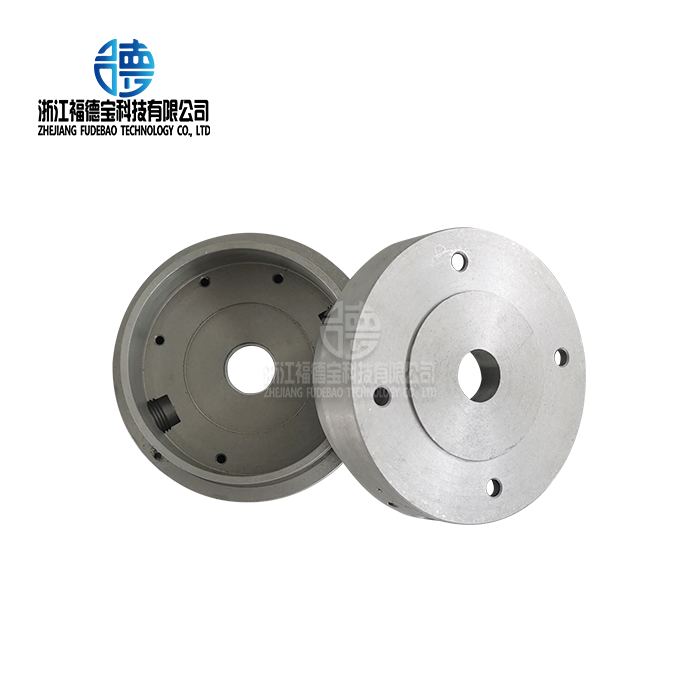
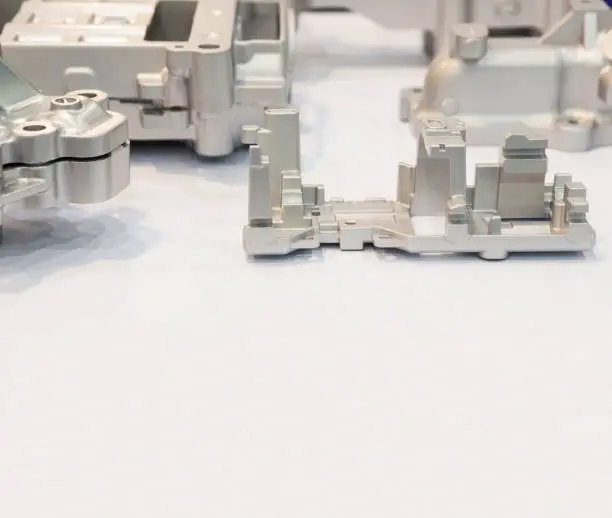
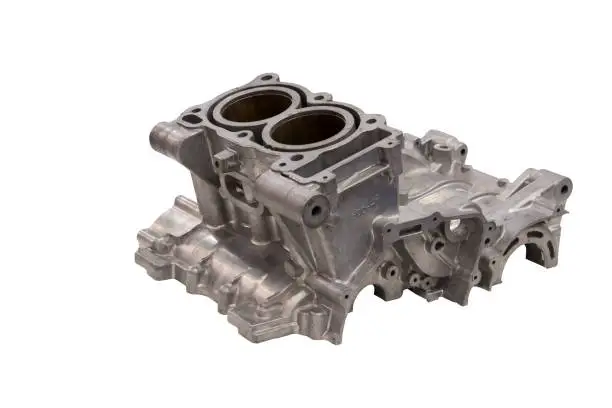
High-pressure injection systems are used in aluminum die casting to push liquid aluminum into carefully machined steel molds. This makes parts that are very accurate in size and have a smooth surface. This method works really well for car parts that need regular wall thickness and close specs, like transmission housings, engine brackets, and structural elements. The car industry relies on this method a lot because it produces parts with dimensions that are accurate to within ±0.05mm, which is a very high standard for safety-critical parts.
The process works at pressures between 1,500 and 25,000 psi, which makes it possible to make thin-walled pieces and complicated shapes that would be hard to make any other way. Modern die casting tools can finish injection processes in less than 30 seconds, which is great for industries like electronics and cars that need to make a lot of parts.
Sand Casting for Large-Scale Industrial Components
Sand casting is still the best way to make big metal parts where tolerances in size are not as important and strength and reliability are more important. This method is used by companies that make industrial gear to make parts for heavy equipment, pump housings, and compressors that need to work in harsh conditions. Using cores and advanced molding methods, the process can handle parts of almost any size and with complex internal shapes.
Sand casting gives engineers a lot of freedom in choosing alloys, so they can choose materials that are best for certain performance needs, like resistance to rust, heat conductivity, or mechanical strength. Because it can be used in so many ways, it is very useful for unique industrial uses where standard alloy formulas might not work well in certain conditions.
Gravity Casting for Balanced Performance Requirements
Low-pressure and gravity casting are a middle ground between expensive sand casting and high-precision die casting. They offer modest physical accuracy with lower tooling costs. These methods work well for medium-sized production runs where quality standards are higher than what sand casting can handle but not high enough to support the high costs of die casting tools.
When weight reduction and material quality are very important, aircraft and defense industries often use gravity casting for structural parts. Because the filling process is slower, there is less turbulence and less chance of porosity. This makes parts with better mechanical qualities that are needed in aircraft uses.
Key Criteria for Choosing the Right Aluminum Casting Method
When engineers choose aluminum die casting methods, they have to look at a lot of interconnected factors. This is because the best choice rests on how well technical needs are balanced with cost and time limits.
Production Volume and Economic Considerations
The amount of production has a big impact on the choice of casting method, since different processes have different cost structures for different amounts of production. Die casting needs a lot of money to buy the tools up front, but it has low costs per unit when done in large quantities, so it's a good choice for making more than 10,000 pieces a year. When amortized tooling costs are less than alternative production costs, the break-even study usually favors die casting.
Even though the initial costs are lower, the cost per unit is higher with sand casting. This makes it good for making prototypes, small batches, and large parts where die casting tools would be too expensive. The split point is different for each application because it depends on the part's complexity, size, and the finishing steps that need to be done.
Material Properties and Choice of Alloy
Choosing the right aluminum metal has a big effect on the best casting method because different alloys have different flow patterns, solidification patterns, and thermal qualities. A356 aluminum alloy, which is made up of silicon and magnesium, is very easy to cast and is commonly used in car uses that need high strength-to-weight ratios. Due to its excellent flow properties and resistance to hot cracking, this metal works very well in die casting uses.
The A380 aluminum metal is great for die casting and doesn't rust, so it can be used to make electrical and electronic housings that need to be resistant to both heat and the environment. The alloy's make-up lets thin-wall casting happen while keeping the structure's integrity, which supports the move toward smaller consumer electronics.
Design Complexity and Geometric Requirements
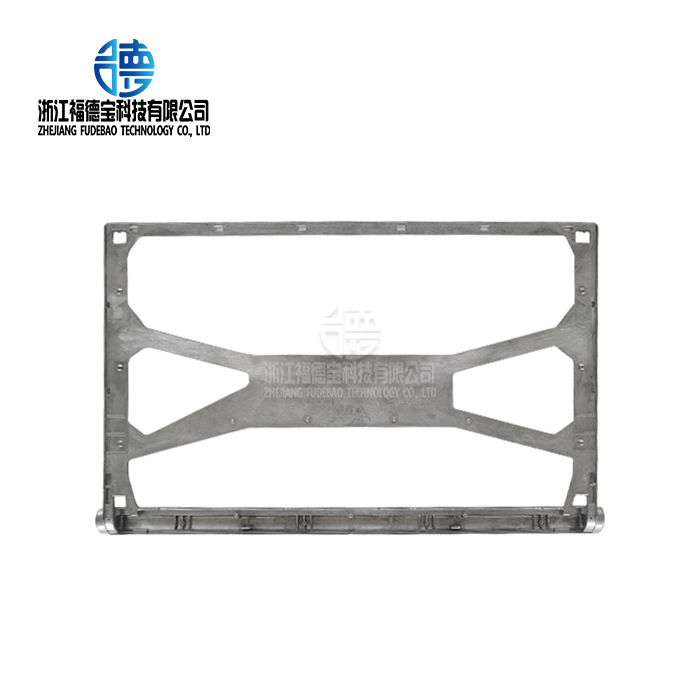
The shape of the part directly affects the choice of casting method, since different methods can handle different levels of design complexity and measurement accuracy. Die casting is great at making complicated parts with thin ribs, complicated internal passages, and built-in fixing points that would need to be machined separately using other methods. The high-pressure drilling process makes sure that the mold is fully filled, even if the shape is tricky.
The required wall thickness also affects the choice of method, since die casting can reliably make sections as thin as 2 mm while still maintaining structural integrity. For sand casting to work properly, the walls need to be at least 5 to 8 mm thick so that the material can flow and the structure stays stable. This can affect design choices for uses that need to be light.
Comparing Aluminum Die Casting with Alternative Methods
By learning about the pros and cons of each casting method, engineers can make fair comparisons based on measurable performance standards and the needs of the particular project.
Precision and Surface Quality Analysis
When it comes to accuracy, aluminum die casting always beats other methods. It can achieve normal tolerances of ±0.1mm on key measurements without the need for extra machining. The surface roughness is usually between 1.6 and 3.2 micrometers Ra, so there is no need for the lengthy finishing steps that are needed for sand-cast parts.
Dimensional tolerances for sand casting are usually between ±0.5mm and ±2.0mm, based on the size and complexity of the part. This means that important areas and mounting connections need extra work. The surface roughness of sand-cast parts is between 6.3 and 25 micrometers Ra, so they need to be finished if they need smooth surfaces or tight fits.
When it comes to precision, investment casting is good for aerospace uses where moderate precision needs don't support investing in die casting tools. Tolerances for investment casting are usually between ±0.13mm and ±0.25mm. The ceramic shell process makes surfaces that are rough between 1.6 and 6.3 micrometers Ra, so they usually don't need to be finished again.
Production Speed and Cycle Time Comparison
Cycle time analysis shows that there are big differences between casting methods that have an immediate effect on the amount that can be made and when it needs to be delivered. Modern aluminum die casting processes can finish full cycles in 15 to 60 seconds, based on the size and complexity of the part. This means that each machine can make more than 1,000 pieces every day. Because of its high throughput, die casting is perfect for meeting the tight delivery plans that are common in the car supply chain.
Sand casting takes between 2 and 24 hours per cycle, based on the size of the part and how fast it needs to cool. This limits the number of parts that can be made each day, but it does allow for unique shapes and material requirements. When making big parts that need to be put together from several die-cast pieces, the longer cycle times are helpful.
Material Utilization and Waste Considerations
Die casting can use 85–95% of the material it produces because it has exact shot control and doesn't need much machining. This lowers the cost of raw materials and helps meet green goals. Because die casting is a closed-loop process, sprues and spills can be recycled right away, which reduces the amount of trash that is made.
Due to the needs of the gating system and the following cutting processes, sand casting usually only uses 60 to 75% of the material that is used. However, metal can be recycled over and over again, so waste materials keep their full value when they are handled correctly. This means that the industry can stay profitable even when utilization rates are low.
Procurement Considerations for Aluminum Die Casting in B2B Markets
To successfully buy metal casting services, you need to know how the market works, what the suppliers can do, and how their quality systems and price structures affect delivery times and performance.
Supplier Evaluation and Quality Certifications
Quality certifications like ISO 9001, IATF 16949 for car uses, and AS9100 for aircraft components show that modern aluminum die casting suppliers are good at what they do. These certifications show that suppliers can keep quality levels stable and use methods for ongoing growth, which is important for building long-term relationships.
To make sure they always give quality goods, advanced sellers buy systems like statistical process control, automated inspection tools, and tracking systems. Coordinate measuring tools, X-ray inspection systems, and the ability to test metals allow providers to check the correctness of measurements, the strength of the material, and its properties throughout production runs.
Tooling Investment and Lead Time Management
Die casting tooling is a big investment that usually costs between $15,000 and $150,000, based on the complexity, size, and expected output volume of the part. From design approval to first item production, tool building takes 8 to 16 weeks. This means that suppliers need to be involved early in the product development cycle.
Suppliers that offer prototype services through quick tooling or 3D printing let you test your idea before you spend money on production tools. These services lower the risks of development and let you improve designs based on real-world testing results instead of just theory analysis.
Geographic Sourcing Strategies
When you use global sourcing choices, you can get access to expert skills and save money, but you also have to think about scheduling, communication, and quality control. Asian providers usually have good prices for making a lot of things, and they keep quality high by using modern tools and approved quality systems.
North American suppliers provide advantages in communication, shorter lead times, and reduced logistics costs that may offset higher labor rates depending on project requirements. When looking at different regional sourcing choices, you should include the total cost of ownership analysis, which should include the costs of transportation, holding inventory, depreciation of tools, and quality risks.
Ensuring Quality and Avoiding Common Casting Defects
For metal casting quality assurance, it's important to know what problems could happen, use preventative design techniques, and set up strict checking procedures that are used throughout the whole production process.
Common Defects and Prevention Strategies
The most common flaw in aluminum molds is porosity, which can be caused by trapped gases, shrinking, or not enough air flow in the die design. Porosity is less likely to happen when the gating system is designed correctly, there is enough air flow, and the process factors are adjusted. To make sure that the results are always the same, die casting operations keep a close eye on the filling speeds, temperatures, and pressures.
When melted metal fronts meet without properly fusing, weak spots form in the finished part. This is called a cold shut. This flaw usually happens when the mold temperature is too low, the filling speed is too slow, or the gate is not placed correctly. Engineers can use advanced modeling software to make mold designs better and find possible trouble spots before building the tooling.
Non-uniform cooling, bad ejection systems, or leftover forces in the casting can all cause warping and physical distortion. These problems can be fixed with balanced release systems, proper cooling channel design, and stress-relieving heat treatments. These days, suppliers use coordinate measure tools and statistical process control to make sure that the sizes of their products stay the same during production runs.
Design for Manufacturing Excellence
Design-for-manufacturing concepts are used in successful aluminum die casting projects to improve both the performance of the parts and the efficiency of the production process. Even wall thickness, the right draft angles, and the strategic placement of parting lines all help make production easier while staying true to the design purpose.
Fillet curves and corner shapes have a big effect on how material flows and where stress is concentrated in produced parts. Generous curves make it easier to fill the mold, spread out stress, and make the tool last longer while also making the part last longer. When designing parts for cars, where they need to be able to handle shaking and changes in temperature, these things become even more important.
Environmental Benefits and Sustainability
Aluminum can be recycled over and over again, which has big environmental benefits that are in line with both business sustainability goals and government regulations. Recycling aluminum uses only 5% of the energy needed to make new aluminum, which makes made parts much less carbon-intensive.
Modern foundries use closed-loop recycling systems that reuse production trash right away. This keeps the quality of the materials and has the least effect on the environment. Life-cycle analysis studies regularly show that aluminum is better for the environment than other materials, both during production and when it comes time to recycle it.
Conclusion
To choose the best metal casting method, you need to carefully look at the technical needs, cost concerns, and production goals that are unique to each job. Aluminum die casting is becoming the best option for high-volume uses that need accuracy, a smooth surface, and quick production processes. This is especially true in the electronics, automobile, and precision machinery industries. Sand casting is still useful for making big parts and small quantities of things when the cost of the tools needs to be kept as low as possible. The investment casting and gravity casting methods are good for medium-sized needs where the level of accuracy and quality is acceptable. When engineers make these important choices that affect how well a product works and how well it does in the market, they have to think about production rates, dimensional limits, material qualities, and the total cost of ownership.
FAQ
What factors determine whether to choose aluminum die casting over sand casting?
The main thing that determines is the amount of production. Die casting becomes cost-effective for numbers above 5,000 to 10,000 pieces per year. The need for precise measurements also plays a role in the choice, since die casting can achieve limits of ±0.1mm while sand casting can only do so for ±0.5–2.0mm. Needs for surface quality, wall thickness, and physical complexity also play a role in the decision process.
How long does it usually take for an aluminum die casting job to go from price to delivery?
Standard aluminum die casting projects need two to four weeks for quotes and technical review, eight to sixteen weeks to build the tools, two to three weeks for samples and approval, and then production schedule. These times can be cut down for rush jobs by using faster tools and parallel processing, but the costs usually go up by 15 to 30 percent.
Can aluminum die casting accommodate complex internal shapes and undercuts?
Modern aluminum die casting easily handles complicated shapes by using advanced production methods like slides, lifters, and cores that can be folded up. But every cutaway or complicated feature makes the casting more difficult and expensive. Design optimization usually gets the functionality that is wanted by using different methods that make production easier while still meeting speed standards.
Partner with Fudebao Technology for Your Aluminum Die Casting Needs
Zhejiang Fudebao Technology offers top-notch aluminum die casting services thanks to its wide range of manufacturing options and unwavering dedication to precision engineering. Our cutting-edge building has advanced die casting machines, high-speed machining centers, and CNC tools that help with every step of a project, from designing the first part to delivering the finished product. With dimensional precision of up to ±0.05mm and full PPAP documentation, we can handle tough jobs in the aircraft, automobile, and industrial industries. Email our engineering team at hank.shen@fdbcasting.com to talk about your unique needs and get quotes from a reliable aluminum die casting company.
References
Campbell, John. "Complete Casting Handbook: Metal Casting Processes, Metallurgy, Techniques and Design." Butterworth-Heinemann Engineering Materials and Processes Series, 2nd Edition, 2015.
Kaufman, J. Gilbert and Rooy, Elwin L. "Aluminum Alloy Castings: Properties, Processes, and Applications." ASM International Materials Engineering Handbook, 2004.
Vinarcik, Edward J. "High Integrity Die Casting Processes: Advanced Manufacturing Technologies for Automotive Applications." Society of Manufacturing Engineers Press, 2003.
Shivkumar, S., Ricci Jr., S., and Apelian, D. "Influence of Solution Parameters and Simplified Supersaturation Treatments on Tensile Properties of A356 Alloy." Journal of Heat Treating Engineering Applications, Vol. 8, No. 2, 1990.
American Foundry Society. "Aluminum Casting Technology Manual: Design Guidelines and Process Selection Criteria for Engineering Applications." AFS Technical Publication Series, 2018.
North American Die Casting Association. "Die Casting Engineering Guidelines: Best Practices for Design, Tooling, and Production Management." NADCA Technical Standards Publication, 2019.



_1756352400994.webp "chassis enclosure")
_1756349862928.webp "belts pulleys")
_1756346043433.webp "guardrail connecting block")
_1756345858191.webp "Aluminum casting crafts")