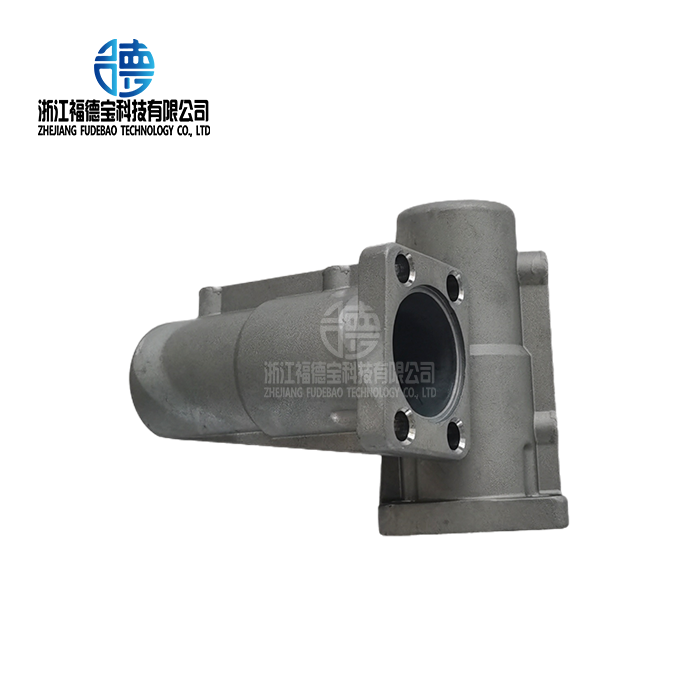
Low Pressure Casting- Process and Design Principles
2026-03-31
Low pressure casting is a complex way to make things. Melting metal runs into molds while managed pneumatic pressure, usually between 20 and 100 kPa, keeps it there. This counter-gravity method gets rid of turbulence during filling, which makes the material denser and more accurate in size than with regular gravity casting. The controlled pressure environment keeps the metal flowing smoothly and cuts down on flaws, making it perfect for making high-integrity parts for use in aircraft, automobile, and other industries.
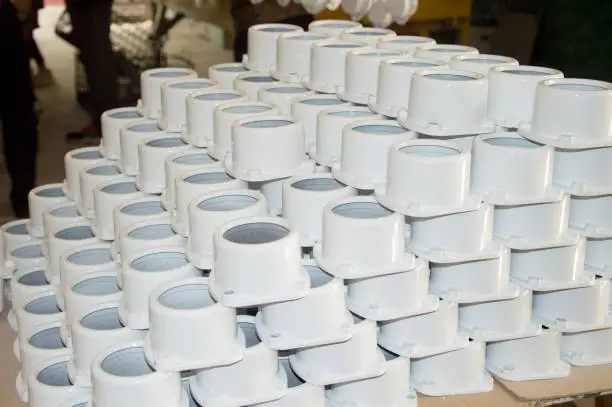
Understanding Low Pressure Casting: Process and Core Principles
Basically, low pressure casting works by using a riser tube system to connect a pressurized holding furnace straight to the mold body. This arrangement lets the liquid metal rise gradually against gravity, making laminar flow conditions that keep oxide formation and air trapping to a minimum. The first step is to heat aluminum, magnesium, or copper metals in a sealed furnace room until they are at the right temperature for pouring.
Step-by-Step Process Overview
The first step in the casting process is to prepare the molds. This is done by heating and sealing permanent steel molds correctly. For aluminum alloys, the molten metal temperature hits around 700–750°C, which makes sure that the flow is good during the filling cycle. Controlled pressure application forces the liquid metal through the riser tube into the mold cavity at predetermined rates, typically 10-50 mm/second, maintaining consistent velocity to prevent flow-related defects.
As the metal solidifies, the holding pressure keeps bringing liquid metal from the container to make up for the shrinking in thick areas. This feeding system gets rid of the internal flaws that often happens in gravity casting methods. When the solidification process is done, the pressure is released, letting the empty metal in the lift system go back into the furnace. This makes the material yields over 90%.
Critical Design Principles
Wall thickness management plays a crucial role in successful casting outcomes. Minimum wall thickness is usually between 2.5 and 3.0 mm, which is the right amount of thickness to balance material flow with structural needs. Engineers need to do estimates for thermal modulus to make sure that the material solidifies properly from thin to thick parts. This keeps hot spots from forming that could lead to problems with shrinkage.
Controlling the speed of the metal and making sure there are enough vents are important parts of designing a gate system. Size of the gates affects how the filling works. Smaller gates make it easier to control the flow, but they might cause the filling to solidify too soon. Mold exhaust systems need to be able to handle the air that is lost during filling while also keeping metal from getting into the vent ducts.
Equipment and Alloy Considerations
Modern low pressure casting furnaces have accurate methods for controlling the temperature and PID loops that automatically adjust the pressure. These methods keep the processing settings stable, which is necessary for getting the same high-quality results every time. Mold heating devices keep the temperature even, which stops cold shuts and improves the quality of the surface finish.
Aluminum alloys, especially A356 and A357, are used a lot in low-pressure situations because they are easy to make and have good mechanical qualities after being heated. For aircraft uses, magnesium alloys have better strength-to-weight ratios, and copper alloys are better at conducting electricity for electrical parts. Each material needs to be processed using specific settings that are best for its specific properties.
Advantages and Applications of Low Pressure Casting in B2B Manufacturing
When making safety-critical parts that need to be very strong mechanically, low pressure casting is the best way to go. The controlled filling process gets rid of oxide inclusions and gas entrapment, making microstructures that are thick and strong enough to survive dynamic stress conditions. This quality advantage translates directly into improved component reliability and extended service life across demanding applications.
Superior Mechanical Properties and Quality Benefits
Low-pressure methods make uniform grain structures throughout the casting because they use laminar flow. This metallurgical uniformity makes it possible to fully heat treat the material, which means that T6 solution and aging processes can make the parts as strong and flexible as possible. Low pressure castings can reach final tensile strengths above 350 MPa and elongation values above 8%, as opposed to high-pressure die casting, which traps gas and stops heat treatment.
Surface finish quality usually gets Ra values of 3.2 to 6.3 micrometers, which means that non-critical areas don't need to be machined again very often. The dimensional limits are in line with ISO 8062 CT6-CT7 standards, and smaller features are accurate to within ±0.3mm. These quality traits lower the costs of working further down the line while maintaining uniform performance in precise applications.
Industrial Applications and Market Sectors
The biggest application area is automotive production, especially for alloy wheels, which need to be strong and look good at the same time. The process makes it possible to make complicated spoke designs that have the best weight distribution while still keeping the mechanical qualities needed for high-speed use and resistance to impact. The process can fit sand cores, which makes complex cooling tunnels that are necessary for managing temperature. This is useful for electric car motor housings.
Controlled nanoscale growth in low pressure casting makes it possible for aerospace parts to have better strength-to-weight ratios. Important parts of the suspension, like the control arms and steering knuckles, need an internal structure that is free of flaws, which is what low pressure methods provide. These parts have to pass strict X-ray inspection standards and last through millions of wear cycles without breaking.
Pressure-tight integrity is still very important in industrial machinery parts like pump housings, compressor components, and gearbox cases. The structure of the thick casting stops leaks caused by porosity and does a great job of transferring heat. Electrical housings and motor parts are used in the energy industry. Conductivity and corrosion resistance decide how long they work and how well they last.
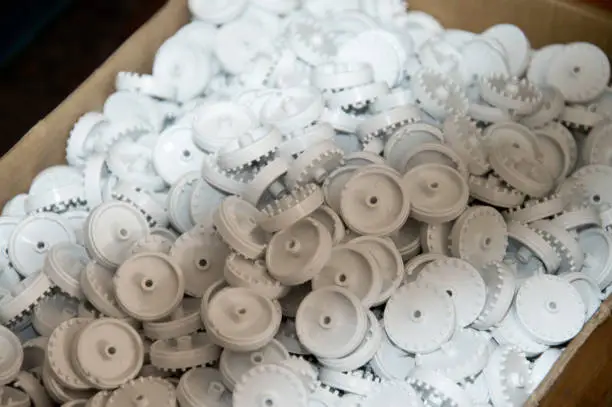
How to Choose the Right Low Pressure Casting Supplier and Equipment?
To make sure a long-term relationship works, choosing qualified providers means looking at their technical skills, quality systems, and production capacity. To reduce supply chain risks and get the best total cost of ownership over the lifetime of a component, engineering managers and procurement teams need to look at more than just the original price.
Supplier Qualification and Assessment Criteria
Manufacturing licenses are basic proof of how well a quality system works and how well it can control the production process. At the very least, you need to be certified in ISO 9001, and car suppliers need to be able to comply with IATF 16949 and provide PPAP paperwork. For aerospace uses, you need AS9100 approval with full material certification and traceability standards.
Technical skills include knowledge of alloys, facilities for heat treatment, and testing tools needed to check components. Suppliers should be able to show that they have experience with the alloy systems in question and be able to do metallurgy analysis, such as spectrographic analysis and mechanical tests. X-ray systems and coordinate measure machines are examples of high-tech checking tools that make sure that size and quality standards are met.
When you do a production capacity review, you look at how well the equipment works, how long the cycle times are, and how well the system can adapt to changes in volume. Suppliers with more than one casting line offer more reliable deliveries and more options for meeting urgent needs. Levels of automation show how consistent a process is and how stable labor costs are over time.
Equipment Selection and Technology Considerations
Modern low pressure casting equipment has advanced process control systems that keep an eye on pressure curves, temperature profiles, and cycle time to make sure that the quality of the output is always the same. PID-controlled pressure systems keep the exact filling features, and automated metal handling cuts down on human error and makes things safer.
Operating costs and environmental compliance are directly affected by the size of the furnace and how well it uses energy. Larger furnaces keep the temperature more stable, but they need more energy to run. Smaller systems, on the other hand, can change alloys more easily and keep less material on hand. Mold handling systems range from fully automatic systems that can be used without lights to systems that are operated by hand and are good for small-scale production.
The general efficiency of production is affected by how well upstream and downstream systems can work together. Predictive repair and quality trend analysis can be done with equipment that logs data and is connected to a network. These technological features help with lean manufacturing and plans for continuous growth, which are necessary for manufacturing to be successful.
Best Practices for Optimizing Low Pressure Casting Performance
Performance optimization needs a methodical approach that includes process control, operator training, and constant tracking. During casting processes, engineering teams must use structured methods to find bottlenecks, get rid of variation, and make all tools work better overall.
Process Control and Quality Improvement Strategies
Implementing statistical process control lets you keep an eye on important factors like pressure curves, temperature profiles, and cycle times in real time. Control plans that keep track of measurements of length, width, and strength help find process drift before faulty parts get to customers. Automated data collection systems cut down on mistakes made when records are made by hand and provide detailed records for quality checks.
Programs for preventative repair make sure that equipment always works well and extend the life of tools. Mold inspections and covering maintenance done on a regular basis keep quality from going down and cut down on scrap rates. Maintenance on the furnace, such as fixing the refractory and replacing the heating elements, keeps the temperature even, which is important for mechanical stability.
Automation Integration and Efficiency Enhancement
Robotic systems make casting more consistent while lowering the costs and risks of hiring people to handle hot metal. Automated mold filling, metal pouring, and part retrieval get rid of the need for human error while allowing the machine to run continuously. Integrating upstream inspection and machining tools creates smooth production lines that cut down on the costs of handling and stock.
Real-time tracking systems that use sensors and data analytics can tell when equipment will break down before it does. This cuts down on unnecessary downtime and the cost of repairs. These systems keep track of quality data, energy use, and cycle efficiency to find ways to improve things. Based on past data and the needs of the component, machine learning algorithms can find the best pressure curves and time factors.
Lean manufacturing ideas, like organizing the workplace with 5S and following standard processes, make workers more efficient and cut down on setup times. Cross-training programs give operators the freedom to work different times while still meeting quality standards. Operators are involved in problem-solving activities that lead to long-term performance gains through continuous improvement programs.
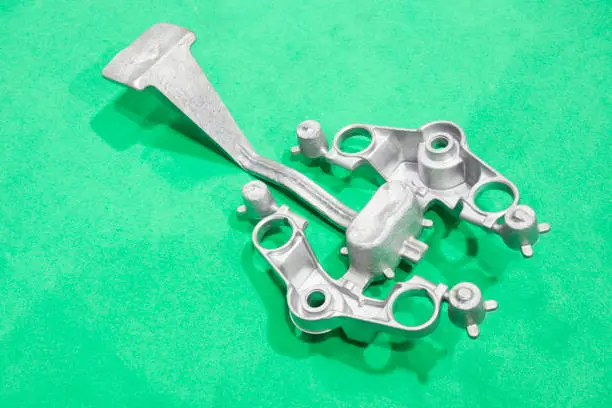
Conclusion
For parts that need to have good mechanical properties, accurate dimensions, and strong structure in industry, aerospace, and automobile settings, low pressure casting is the best way to make them. The controlled pressure setting gets rid of common casting flaws and gets material returns above 90%, which makes it a cost-effective way to make things in medium to large quantities. Procurement experts can make the most of this technology's benefits by understanding the basic processes, design principles, and criteria for choosing suppliers. Because it has good mechanical qualities, can be heated to change its shape, and can work with complex geometries, low pressure casting is an important way to make safety-critical parts that need to be reliable and consistent over time.
FAQ
What distinguishes low pressure casting from high-pressure die casting processes?
Low pressure casting utilizes controlled pressure filling at 0.02-0.1 MPa, preventing turbulence and gas entrapment that enables complete heat treatment capability. High-pressure die casting employs extreme injection speeds creating turbulent flow that traps gases, preventing T6 heat treatment due to blister formation during solution heating.
What minimum wall thickness capabilities does low pressure casting achieve?
Typical minimum wall thickness ranges from 2.5-3.0mm, depending on alloy fluidity and flow distance requirements. While thicker than high-pressure die casting minimums of 1.5mm, this range accommodates most structural applications while ensuring complete filling and adequate mechanical properties.
Can complex internal geometries be produced using sand cores?
Yes, the low pressure environment allows standard shell sand cores and cold box cores to create complex internal passages without crushing. This capability enables production of cylinder heads, pump housings, and other components requiring intricate cooling or flow channels that gravity casting cannot reliably produce.
Partner with Fudebao Technology for Superior Low Pressure Casting Solutions
Fudebao Technology stands as China's benchmark aluminum foundry enterprise, delivering precision low pressure casting components that exceed automotive, aerospace, and industrial quality standards. Our advanced manufacturing facility combines low pressure casting machines, high-speed machining centers, and comprehensive quality systems to provide complete solutions from molten metal to finished components. With accuracy capabilities reaching ±0.05mm and full PPAP documentation support, we ensure your critical components meet the most demanding specifications. Contact our engineering team at hank.shen@fdbcasting.com to discuss your low pressure casting requirements and discover how our integrated manufacturing capabilities can optimize your supply chain performance and product reliability.
References
Campbell, J. (2015). Complete Casting Handbook: Metal Casting Processes, Metallurgy, Techniques and Design. Butterworth-Heinemann Publishing.
American Foundry Society. (2018). Low Pressure Permanent Mold Casting Technology and Applications. AFS Technical Publication Series.
Dispinar, D. & Campbell, J. (2014). Metal Quality Assessment of Low Pressure Die Castings. International Journal of Cast Metals Research, Volume 27, Issue 3.
Society of Automotive Engineers. (2019). SAE J2567 - Aluminum Alloy Permanent Mold Test Castings for Automotive Applications. SAE International Standards.
Zhang, L. & Wang, H. (2020). Process Optimization and Defect Analysis in Low Pressure Die Casting of Aluminum Alloys. Materials Science and Engineering Applications.
European Foundry Association. (2017). Best Practices in Low Pressure Casting Technology for Automotive Components. EFA Technical Guidelines Series.



_1756348543350.webp "Automotive Turbine Casting")
_1756349794241.webp "round belt pulley")
_1756349071334.webp "HAAS mounting bracket")
_1756348300182.webp "Aluminum die-cast housing")
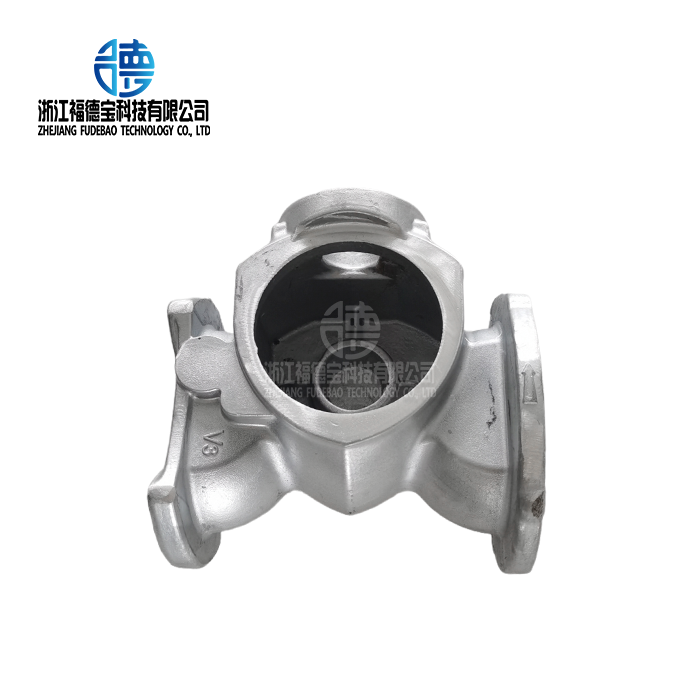
_1756346259673.webp "heavy duty hinges")
_1756346043433.webp "guardrail connecting block")