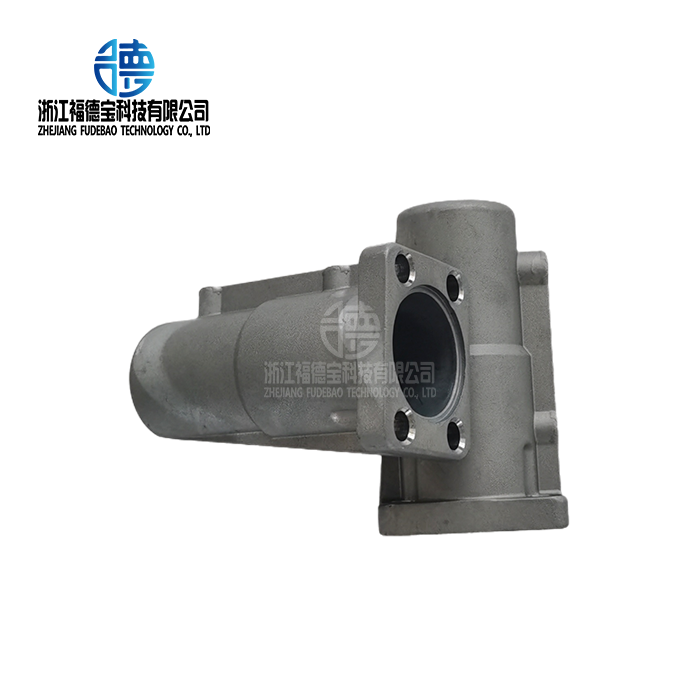
Is Sand Casting Suitable for Aluminum?
2026-05-27
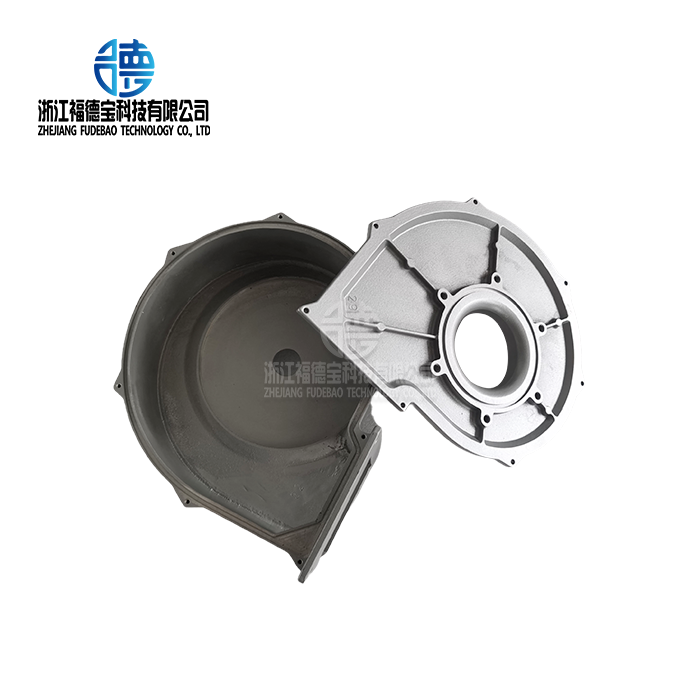
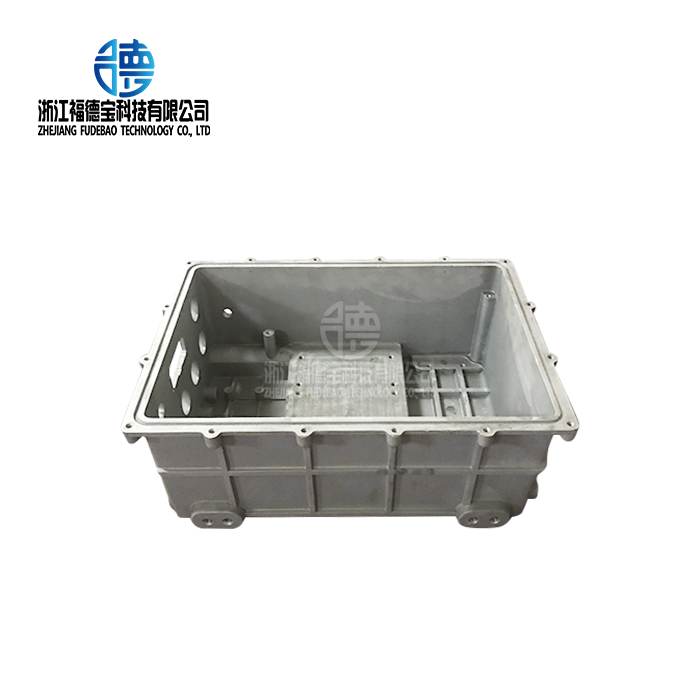
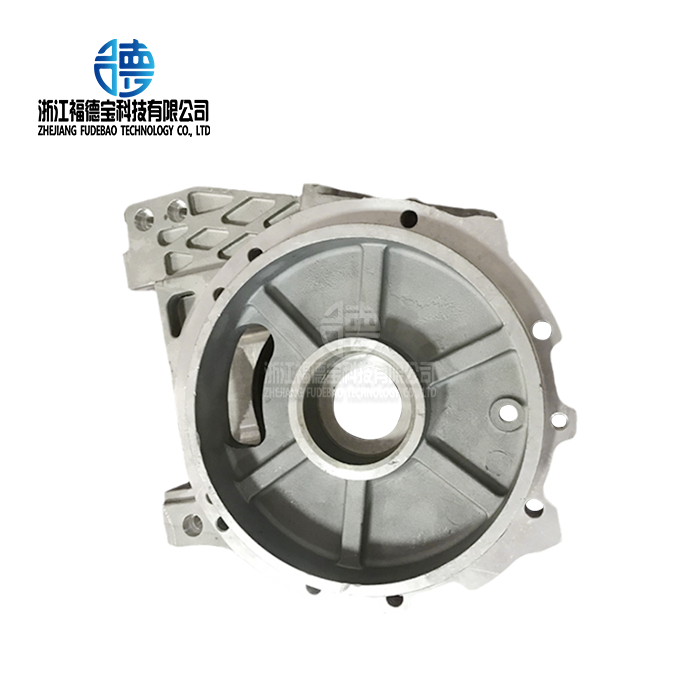
Yes, sand casting is highly suitable for aluminum, especially when manufacturing medium-to-large components that demand flexibility in design, cost-effective tooling, and moderate production volumes. Sand casting accommodates aluminum's excellent fluidity and relatively low melting point (around 660°C), enabling engineers to produce intricate geometries such as automotive housings, pump casings, and electrical enclosures. While this method may not achieve the tight tolerances of die casting, it excels in producing durable, lightweight parts where dimensional flexibility and economic batch production matter most. Understanding when and how to apply this process ensures procurement professionals make informed decisions that balance quality, budget, and lead time requirements.
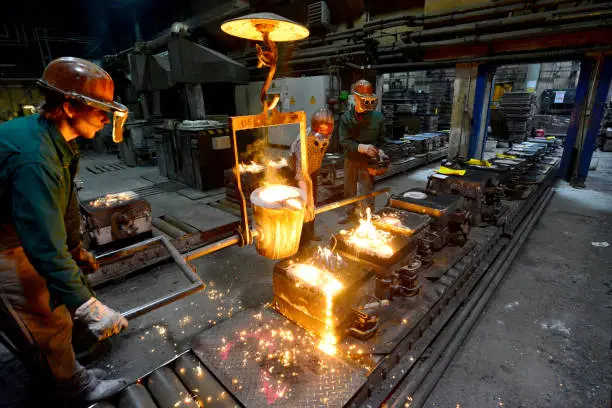
Understanding Sand Casting and Its Applicability to Aluminum
Over 60% of all casts made in the world are made by sand casting, which is one of the most flexible ways to shape metal. For this method, bonded sand mixtures are used to make molds that can withstand temperatures of molten metal. These mixtures are usually green sand with clay binders or chemically-bonded resin sand. This method has been used in many different fields because it doesn't require the very expensive original tooling costs of fixed mold methods, which makes it affordable for small to medium production runs.
Why Aluminum Works Exceptionally Well with Sand Casting
Due to its unique set of qualities, aluminum has become a popular choice in modern industry. Because aluminum alloys are only about one-third as dense as steel, they save a lot of weight, which is very important in car and aerospace uses where performance and fuel economy are very important. The material is also very resistant to rust, which makes it perfect for use in outdoor gear and on boats. Its thermal conductivity is higher than that of most metals, which makes it useful for electrical housings and parts that get rid of heat.
Aluminum and sand casting can work together because of a number of technical factors. Compared to ferrous metals, aluminum has a relatively low melting point, which means it uses less energy and puts less heat stress on molds. When the material is melted, it is very fluid, which lets it fill complicated mold holes and capture the fine details and complex shapes that mechanical engineers need. In the process of making parts with internal cooling channels or odd forms that would be hard or impossible to make from solid stock, this feature becomes very useful.
Technical Considerations for Aluminum Sand Mold Production
When using sand molding to make aluminum casts, we pay close attention to a few key factors that affect the quality of the finished part. The permeability of the sand must let any trapped gases escape during the dumping process. This stops any porosity flaws that could weaken the structure. Mold strength needs to be stiff enough to keep the shape stable when aluminum melts under hydraulic pressure, but the sand needs to be able to collapse when it cools so that hot tearing doesn't happen, which is when the metal cracks because it can't shrink enough.
Controlling the temperature during the whole process has a big effect on how the casting turns out. The temperature at which the liquid is poured affects both how the mold fills and how the grain structure forms. If aluminum solidifies too quickly, it might not fill in all the gaps in thin parts, leaving the casts unfinished. On the other hand, pouring temperatures that are too high can cause more oxide to form and gas to be absorbed, which can cause flaws on the surface and holes inside the material. Foundries with a lot of experience carefully set these factors based on the alloy's composition, the shape of the part, and the mechanical qualities that are needed.
Advantages and Challenges of Sand Casting Aluminum
When deciding to use sand casting for aluminum parts, you have to weigh different benefits against the process's natural limits. By understanding both sides, buying managers and tech teams can decide if this way of making things fits the needs of their project.
Core Benefits That Drive Procurement Decisions
There are economic benefits to sand casting that are hard to find with other methods, especially in certain production situations. When compared to die casting or investment casting, tooling costs are still very low because models don't have to be made from hardened steel but from wood, plastic, or aluminum. Because of this, sand casting is a good way to make prototypes, small batches, and parts that need to be designed over and over again. A tier-1 car seller can make 50 transmission housings without having to buy expensive permanent molds. This speeds up time to market and lowers financial risk.
Because sand casting can be done in a lot of different shapes, it lets you make designs that aren't possible with fixed molds. By placing the cores in the right places, you can make walls with different widths, undercuts, and complex internal spaces. We've worked with companies that make industrial equipment to make pump housings with built-in mounting features and internal flow pathways. If these designs were made any other way, they would require a lot of different operations and building steps. This cuts down on the number of parts needed, gets rid of possible leak paths at joints, and makes managing supplies easier.
Another big benefit is that it can hold more weight. Sand molds can hold models weighing anywhere from a few ounces to over 100 tons, which is something that die casting simply can't do because of the way the machines are built. Heavy machinery makers who make big engine housings or structural parts depend on this ability to make monolithic parts that are better at reducing vibrations and keeping the structure stable than bonded pieces.
Challenges That Require Mitigation Strategies
Even though it has benefits, sand casting has problems that procurement professionals need to solve by carefully choosing suppliers and keeping an eye on the process. This type of surface finish is usually between 6.3 and 12.5 Ra (microns), which is harder than die casting or grinding. Parts that need smooth surfaces or exact mating contacts need extra machining steps, which adds to the cost and wait time. To get the most out of manufacturing, engineering models must make it clear which areas need to be machined and which can stay as-cast.
Dimensional tolerances are usually between ISO 8062 CT10 and CT13 grades. This means that key dimensions can change by a few millimeters based on the size of the casting. This set of tolerances works well for many uses, but it needs to be carefully thought out during creation. To get the right fit and physical tolerances, mounting holes, bearing bores, and closing surfaces almost always need to be CNC machined. Strategic buying means working with foundries that offer combined finishing services. This makes planning easier and lowers the risk of quality problems that can happen when parts are moved from one facility to another.
In aluminum sand casting, the chance of porosity is still a big problem. Gas getting trapped during filling or solidification shrinking can make holes inside the material that weaken its strength and integrity under pressure. To stop this from happening, good foundries do a number of things, such as removing air bubbles from molten aluminum before pouring, designing the gating system to reduce turbulence, controlling cooling rates to make sure solidification goes in the right direction, and checking important parts with non-destructive tests like X-rays. To make sure suppliers are held accountable, procurement specs should clearly state the minimum porosity levels that are accepted and the inspection methods that are needed.
Key Considerations When Procuring Aluminum Sand Casting Services
To choose the right manufacturing partner, you need to look at more than just price quotes. Quality markers, the ability of the process, and the knowledge of the provider all have a direct effect on how well components work and how reliable the sand casting supply chain is.
Essential Quality Certifications and Capabilities
Certifications in a certain industry show that a supplier has good quality control methods and expert know-how. The ISO 9001 certification shows that there are proven ways to keep an eye on quality and make improvements all the time. The IATF 16949 certification, on the other hand, is specific to the car industry and covers things like PPAP documentation, traceability, and statistical process control. Even higher standards are needed for aerospace uses. AS9100 certification makes sure that they meet the requirements of aerospace quality management systems and configuration control methods.
In addition to licenses, we look at how well a foundry's equipment works and how advanced its technology is. Spectrographic analysis tools should be in modern facilities to check the composition of aluminum alloys and make sure they meet standards for mechanical properties. Monitoring systems that keep track of pouring temperatures and cooling rates show that the process is disciplined, which lowers the unpredictability of casting. Coordinate measuring machines (CMM) and non-destructive testing tools like X-ray or ultrasound inspection show that the company is serious about checking the dimensions and quality internally.
Leading foundries are different from basic businesses because they use modern manufacturing technologies. Engineers can improve gating systems and guess where defects might appear before cutting patterns by using simulation software that models mold filling patterns, solidification sequences, and the spread of heat stress. This feature cuts down on development time and the number of expensive "trial and error" rounds. Compared to human molding, automated molding lines produce more consistent sizes, and robotic finishing systems prepare surfaces in a way that can be repeated for covering processes.
Comparative Analysis: When Sand Casting Outperforms Alternatives
Procurement workers can make better strategy decisions when they know how sand casting stacks up against other ways of shaping aluminum. Die casting is great for making a lot of small parts with tight specs. The stability between parts is good enough to justify spending a lot of money on tools. When making more than 10,000 pieces, die casting is often the most cost-effective method. When making between 50 and 5,000 pieces a year, sand casting is better than permanent molds because the cost of the tools is spread out over fewer parts, which is not possible with permanent molds.
Investment casting has a better surface finish and more accurate dimensions than sand casting, which is why it can be used for medical devices and complex aircraft parts. To get tolerances close to machined quality, clay shell molds are made from wax models and used in the process. Investment casting usually costs more per piece than sand casting because the shell building and pattern making processes take a lot of work. Sand casting offers better value when component shapes are still relatively straightforward and tight standards only apply to features that can be machined.
Both sand casting and die casting have their pros and cons. Permanent mold casting and low-pressure casting are good alternatives. These methods use metal molds that can be used again and again. They give more consistent sizes than sand casting and cost less than high-pressure die casting tools. We suggest these methods for making between 1,000 and 10,000 pieces, where the extra cost of better tools makes the better surface finish worth it. Sand casting is still the best option when the size of the casting is bigger than what a fixed mold machine can handle or when changes to the design might mean that the pattern needs to be changed before production can stabilize.
Cost Structure Analysis for Budget Planning
Procurement managers need to know more about costs than just piece price quotes. Aluminum alloys have different raw material costs depending on their composition. A356 and AlSi7Mg are popular picks because they are good balances between being easy to cast, strong, and easy to machine. Compared to primary aluminum, secondary aluminum from recovered sources has lower material costs. However, to keep the mechanical properties constant, careful metallurgical oversight is needed to keep the composition under control.
In sand casting, labor costs cover making the mold, preparing it for casting, shaking it out, and cleaning it for the first time. Foundries in places with competitive labor costs may be able to offer better prices, but buying choices need to weigh the savings in costs against the need for better communication, shorter lead times, and security of intellectual property. Most of the time, domestic suppliers can respond more quickly, make site trips for quality checks easier, and make sending big castings easier.
Treatments done after casting have a big effect on the total cost. Some heat treatment methods, like T6 (solution heat treatment followed by fake aging), make things stronger, but they take longer to make and cost more. Surface processes like grinding, coating, and anodizing keep things from rusting and make them look better. The requirements for treatments and inspections should be spelled out clearly in the procurement specs. This way, sellers can give accurate quotes that keep production costs from going over budget.
Optimizing the Sand Casting Process for Aluminum Components
Sand casting becomes a key industrial benefit through process optimization, from a commodity service. Advanced foundries use engineering concepts and cutting-edge technologies to improve casting quality, lower the number of defects, and lower output costs.
Sand Selection and Bonding Systems
The choice between chemically-bonded sand systems and green sand has a huge impact on how well the casting turns out. Green sand, which is made up of silica sand, bentonite clay, water, and chemicals, is used for large-scale production because it can be used again and again and doesn't cost much. In addition to making the bond stronger, the clay also lets gas escape. For green sand molds to be strong and not fall apart, the water level needs to be carefully controlled. Usually, it should be between 3 and 4 percent. Too much moisture can make steam during filling, which could lead to gas porosity. On the other hand, not enough moisture can weaken the mold, which could lead to mold damage and wrong measurements.
Compared to green sand, chemically-bonded sand systems like furan resin and phenolic urethane no-bake methods give a better surface finish and more accurate measurements. Instead of mechanical compaction, these systems use chemical processes to fix, which makes molds that are stronger and better at reproducing details. Because it is more stable in terms of size, resin-bonded sand is better for making bigger objects into molds that are heavy or hard to move. Resin sand is often used to keep tight standards and reduce the amount of material that needs to be removed when making aerospace parts that need to have little stock removed.
Mold Design and Gating Optimization
The shape of the gates controls how the liquid aluminum enters and fills the mold, which has a big effect on the quality of the casting. Engineers have to find a good balance between filling speed and turbulence, which moves air and oxide films around and makes holes and other flaws in the material. Bottom gating systems, in which metal comes in from below the casting, make less noise than top pouring, but they need more complicated mold building. Filtration media put in the gate system get rid of oxide particles and slag, which makes the casting cleaner.
Riser design makes sure that solidification shrinking happens in the feed material that is thrown away instead of the final casting. Aluminum alloys usually shrink by 6 to 7 percent when they harden, which could leave holes if there isn't enough liquid metal left to fill them. Using solidification simulation software to help with strategic riser placement guides temperature gradients so that the casting hardens more quickly on the risers that stay liquid the longest. This concept of directional solidification stops hot spots from forming on their own, which would cause shrinking porosity in important areas.
Controlling the cooling rate changes both the mechanical qualities and the accuracy of the measurements. When things cool quickly, the grains become smaller, which makes them stronger but may also make leftover stresses and warping worse. Chills, which are metal pieces that are put into the mold, speed up the cooling process in thick parts, which helps walls of different thicknesses solidify evenly. Insulating materials slow down cooling in thin sections, which keeps molten metal from freezing too soon and stopping it from moving to mold regions far away.
Advanced Technologies Enhancing Quality Assurance
Simulation software has changed the way sand casting processes are developed by letting people guess how the casting will work before it is tried out in real life. Finite element analysis simulates how mold fills, finding areas where gas can get trapped, areas where there is turbulence, and risks of incomplete filling. Solidification modeling shows differences in temperature and suggests where shrinkage holes will appear, which helps engineers find the best places to put risers and set up gates. Foundries that use modeling software cut the number of prototype revisions by 40–60%. This speeds up product development cycles by a lot and lowers engineering costs.
When it comes to objective quality verification, automated inspection methods are better than human inspection. Coordinate measuring tools that are set with the standard geometry of casting check dozens of dimensional features automatically. They do this by making thorough deviation reports that show trends before parts go beyond the tolerance limits. X-ray inspection systems find internal porosity that can't be seen with the naked eye. This helps foundries make sure their process controls are working right and provide the quality paperwork needed for PPAP applications for cars and aircraft material certifications.
Real-time process tracking uses data analytics to link the quality of the casting to the process factors. Temperature monitors keep track of the filling temperature and the mold's preheating conditions, linking changes in temperature with the appearance of defects. Statistical process control charts find parameter drift before it leads to parts that don't meet standards. This lets changes be made before they happen instead of having to be made after the fact. Leading foundries combine these quality systems into full traceability platforms that connect approvals for raw materials, process parameters, and inspection results to specific casting serial numbers. This is something that customers in the aircraft and medical device industries want more and more.
Conclusion
In conclusion. When production needs to focus on geometric freedom, low quantities, and cost-effective tooling, sand casting is a great way to make aluminum parts. This process has been used for a long time and has always worked well in areas like aircraft, industrial equipment, automotive, and electrical work where the size or complexity of the part makes disposable molds more cost-effective than permanent tools. To be successful, you need to work with foundries that have the metalworking knowledge, high-tech tools, and finishing skills all in one place so they can make parts that meet strict quality standards. As long as procurement professionals know what sand casting can and can't do, they can use it wisely in their supply lines to get the biggest competitive edge.
FAQ
Which aluminum alloys work best for sand casting applications?
A356 (AlSi7Mg0.3) is still the most popular choice because it is easy to make, has good mechanical qualities after being heated to T6, and doesn't rust. This metal can be used for parts in cars, machinery housings, and other general manufacturing tasks. AlSi10Mg is better at flowing for thin-wall casts and complicated shapes. A357 (AlSi7Mg0.6) has better mechanical qualities and is used for tasks that need the most power. When a lot of extra tasks need to be done, high-copper alloys like 319 are easier to machine.
How does sand casting affect aluminum material properties compared to wrought products?
Because of changes in microstructure, cast aluminum is less flexible than wrought aluminum. However, heat treatment makes the mechanical qualities much better. When A356 casts are treated with T6, they get compressive strengths of about 240–280 MPa and elongation rates of 3–5%, which makes them good for structural uses. If there are holes in the material, it won't be as resistant to wear as worked material. Castings that meet strict requirements for car and aircraft parts are made using the right foundry techniques, such as degassing, controlled solidification, and the right heat treatment.
Can sand casting support high-volume production requirements?
Sand casting is a good way to make between 50 and 5,000 pieces per year, and automatic molding lines can make it possible to make 10,000 or more pieces for certain designs. When these amounts are reached, die making usually becomes cheaper. Things that affect the production rate are the mold cycle time, the amount of cooling needed, and the finishing processes. By using standard procedures and statistical process control, foundries with more than one molding line can increase or decrease their output to meet changes in demand while keeping quality levels high.
Partner with Fudebao Technology for Your Aluminum Casting Requirements
If you need aluminum casting, Fudebao Technology is the company to work with. Zhejiang Fudebao Technology offers precise aluminum sand casting and CNC cutting services for high-end business-to-business needs in the electrical, car, and industrial equipment industries. Our factory has modern low-pressure casting machines, high-speed machining centers, and a wide range of surface treatment options. This means that we can supply everything from molten metal to finished parts with tolerances of up to ±0.05mm all in one place. We are a leading sand casting manufacturer in China's aluminum foundry business. We work with foreign brands like American HAAS automation and ESS energy storage systems because we are experts in casting aluminum alloys, copper alloys, and stainless steel. You can email us at hank.shen@fdbcasting.com with your component specs and get a thorough technical assessment that helps you meet your supply chain needs in terms of quality, cost, and ease of manufacture.
References
American Foundry Society. (2021). Aluminum Casting Technology: Principles and Practice. Des Plaines: AFS Publication.
Campbell, J. (2015). Complete Casting Handbook: Metal Casting Processes, Metallurgy, Techniques and Design. Oxford: Butterworth-Heinemann.
Kaufman, J.G. & Rooy, E.L. (2018). Aluminum Alloy Castings: Properties, Processes, and Applications. Materials Park: ASM International.
Flemings, M.C. (2019). Solidification Processing in Metal Casting: Fundamentals and Applications. Cambridge: MIT Press.
Brown, J.R. (2017). Foseco Ferrous Foundryman's Handbook. Oxford: Butterworth-Heinemann Scientific.
Ashby, M.F. & Johnson, K. (2020). Materials and Design: The Art and Science of Material Selection in Product Design. Oxford: Butterworth-Heinemann.



_1756346371362.webp "separator housing")
_1756352625880.webp "plug stainless")
_1756348780785.webp "porting turbo compressor housing")