
Low Pressure Die Casting: A Comprehensive Process Guide
2026-05-18
Low pressure casting is a precise way to shape metal. Melting aluminium or magnesium alloy goes into a mould hole while controlled air pressure, usually between 0.02 and 0.1 MPa, keeps it there. This counter-gravity filling method uses a rising tube to connect a pressurised holding furnace straight to the mould. This is different from traditional gravity pouring methods that use hydrostatic head or high-pressure die casting systems that work at very high speeds. This managed method reduces turbulence while filling, which solves important problems in the industry like oxide inclusion generation and internal porosity. The process gets material yields of more than 90%, which means a lot less trash than with traditional casting methods, where returns are usually only 50 to 60%.

Understanding Low Pressure Die Casting
The Core Mechanics Behind Counter-Gravity Filling
For this casting method to work, the pressure has to be precisely controlled throughout the whole cycle. A sealed oven keeps the liquid metal at the right temperature while compressed air gently presses on the surface of the melt. In this controlled setting, liquid metal is pushed up through a tube sealed with refractory material and into the mould space above. Using complex PID control systems, the filling speed stays the same. This stops the splashing that makes oxide films in gravity-poured casts. During solidification, steady pressure keeps the material coming up from below, making up for the volume loss in thick-walled areas. As soon as the casting hardens, the pressure is released, and any metal that is still in the feed tube is sent back to the oven to be used again.
Material Selection and Performance Characteristics
Most of the casting is done with aluminium alloys, and the A356 and A357 types are the best because they are very fluid and have good mechanical qualities after being heated. These metals have carefully controlled amounts of silicon (6.5–7.5%) to make them easy to cast and magnesium (0.3-0.45%) to make them stronger through a process called precipitation hardening. To keep the flexibility, the iron percentage stays below 0.15%, and strontium changes make the eutectic silicon structure better. The process makes casts with finishes on the surface that range from Ra 3.2 to 6.3 µm and dimensions that meet ISO 8062 CT6–CT7 standards, usually within ±0.3mm for smaller parts. Aluminium is still the standard for structural parts, but magnesium alloys like AZ91D are used for tasks that need to be very light.
Comparative Advantages Over Alternative Methods
This way of making things solves a number of important business problems that other casting methods have. The laminar flow pattern gets rid of oxide trapping and gas pores, which weaken the structure of safety-critical parts. Feeding efficiency is higher than gravity casting because it keeps the metallostatic head steady during solidification, which makes thick microstructures even in complicated shapes. Over 90% of the material is used because there are no need for large risers or legs because the furnace itself works as an endless feeder. Cycle times are longer than with high-pressure die casting, but because there is no stored gas, the metal can be fully treated with T6 heat to make it stronger and more flexible. This makes the method perfect for structural parts in cars and spacecraft where post-cast thermal processing is needed.
Technical Insights and Problem Solving in Low Pressure Casting
Common Defects and Root Cause Analysis
Porosity is still the most important thing to think about when making low pressure castings. Shrinkage porosity shows up when there isn't enough feeding pressure to make up for solidification contraction. This usually happens in hot spots or thick areas that are far from the gate. Gas porosity happens when hydrogen is absorbed during melting or when the material fills up quickly and turbulence catches air. Flow lines show up as surface breaks when oxide films form on the moving melt front because filling speeds are too slow or pouring temperatures are too low. Inclusions happen when slag carryover, refractory weathering, or poor filtering happen. When two metal fronts meet without properly fusing, this is called a cold stop. It's usually caused by thin parts freezing too soon or not enough melt superheat.
Mold Design Optimization Strategies
Good die engineering looks at how defects might happen before production starts. Directional solidification should be aided by gate systems, with the gate placed at the largest part to create a temperature gradient that moves the material towards the feed tube. Oxide plates and inclusions are stopped before they reach the cavity by ceramic foam screens that are placed in the runner system. Putting vents at the higher points keeps air from getting trapped while the tank is being filled. Die coats have to balance two different needs: they have to insulate against heat to keep thin parts from freezing too soon, and they have to help heat escape from thick parts to keep directed solidification going. Using finite element analysis in a computer programme can predict fill patterns, solidification sequences, and stress distributions. This lets engineers find the best runner size, vent location, and cooling channel placement before they buy expensive tools.
Equipment Maintenance and Safety Protocols
Rigid preventive repair plans are needed to keep production quality high. The refractory covering of the furnace needs to be checked for erosion and cracks on a frequent basis. Any damage must be fixed right away to keep the furnace from getting dirty. The riser tube needs to be replaced when the internal diameter grows too big because of erosion. This usually happens after a few thousand cycles, but it can happen more often based on how harsh the metal is. Every few hundred shots, the die surfaces need to be re-coated with refractory wash to keep the right release properties and heat control. For correct setpoint maintenance during the fill cycle, pressure control systems need to be checked for calibration. Safety interlocks keep the mould from opening when it's under pressure and keep workers from getting too close to the hot metal. Proper ventilation gets rid of the fumes that are made during casting. All people who work in the furnace area are still required to wear protection clothes, heat-resistant gloves, and face masks.
Practical Decision-Making Guide for Procurement Managers
Understanding Machine Components and Performance Metrics
A full system is made up of several linked parts that work together. Using either electrical resistance heating or natural gas burners with closed-loop feedback, the holding furnace keeps the temperature precisely controlled within ±5°C. Crucibles can hold anywhere from 150 kg for small jobs to over 1000 kg for large-scale production. Air pumps, regulators, pressure monitors, and servo valves that follow preset fill curves are all part of the pressure control system. Moulds are attached to hydraulic or sliding clamp systems that provide enough weight to stop the moulds from separating while they are filling. These days' machines have PLC controls with touchscreens that let workers save recipes for various part numbers. Cycle times range from 60 seconds for simple geometries to several minutes for big, complicated castings. Machine utilisation rates are usually between 70 and 85%, which includes downtime for mould changes and servicing.
Supplier Evaluation and Sourcing Options
Capital investment, operational freedom, and quality guarantee are all things that procurement choices have to think about. Buying equipment directly gives you the most control over production schedules and intellectual property protection, but you need a lot of money up front and upkeep knowledge on a regular basis. Dedicated manufacturing partnerships give you options without committing any money and are good for small to medium quantities where shipping costs are still reasonable. Certifications are important when looking at casting suppliers. For example, IATF 16949 is used in the car industry, AS9100 is used for aerospace parts, and ISO 9001 is used as a standard for quality control. Ask for PPAP paperwork packages that have things like material approvals, dimensional records, and process capability studies. Check out the mould development skills because the design of the tools has a big effect on the quality of the low pressure casting. Lead times for new tools range from 8 to 14 weeks, based on how complicated they are. Ask for site tours to check on the state of the equipment, the level of cleanliness, and the technical knowledge of the staff through conversations with engineering staff.
Aligning Process Selection With Business Requirements
The best sourcing tactics are affected by things like budget limits, expected traffic, quality standards, and delivery times. When a company only needs to make 5,000 pieces a year, they often choose to outsource the work to specialised foundries, who spread the cost of the equipment over many customers. For mid-range numbers of 5,000 to 50,000 pieces, dedicated tools may be worth it with contract manufacturing to secure capacity without having to spend money on capital. Vertical integration is only cost-effective when producing more than 50,000 units per year, giving you the most control over quality and service. Part complexity is very important—counter-gravity filling is much better than gravity pours for parts that need tight tolerances, pressure-tight integrity, or a heat treatment afterwards. The smallest wall thickness that can be used is 2.5 mm, and the thickest parts can be up to 25 mm. For best economic and mechanical performance, the ideal wall thickness is between 3 and 6 mm.
Applications and Industry Use Cases
Automotive Sector Implementations
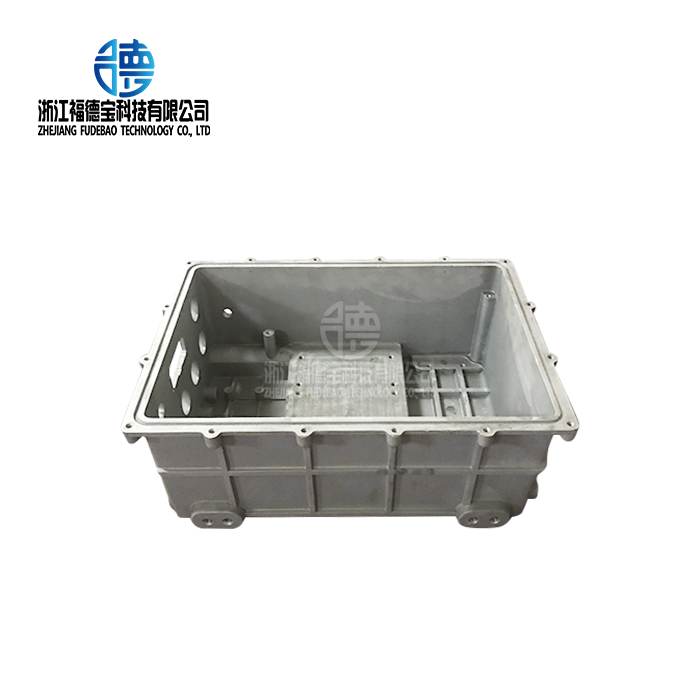
The biggest application section is the automotive industry, which is driven by rules that require lighter materials to save fuel and cut down on pollution. Millions of aluminium wheels are made each year using this method, which lets makers make wheels with complicated spoke patterns while still keeping their structural integrity under heavy impact and fatigue stress. The thick lattice keeps air from leaking out and keeps the balance stable. Electric car makers are asking for this process more and more for motor housings and battery enclosures that need complex internal pathways to handle heat. When put under pressure, these housings must not leak and must be able to get rid of heat quickly due to their high thermal conductivity. The process can make moulds that are free of flaws and can withstand millions of load cycles after being heated to T6. This means that they meet strict safety standards for car parts like control arms and steering knuckles.
Industrial Machinery and Energy Applications
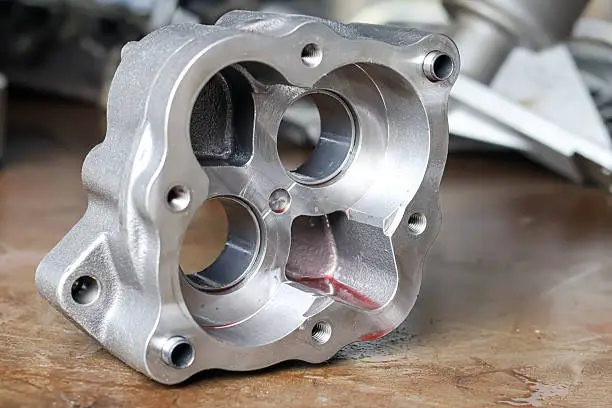
Heavy equipment makers use this casting method to make pump housings, compressor bodies, and engine parts that have to work all the time in tough circumstances. The process works with sand cores to make complicated holes inside for fluids to flow through while keeping the structure pressure-tight. When a part fails in these situations, it costs a lot to be down, so material power and heat protection become very important. For electrical housings, motor parts, and heat absorption structures, the renewable energy industry uses castings made of aluminium and copper alloys. For these uses, the method is valuable because it can keep tight standards while getting a great surface finish, which means less machining is needed later. Cast aluminum's ability to conduct heat well makes it useful for moving heat around in power systems and motor parts.
Aerospace and Defense Requirements
For aerospace uses, the highest quality standards, full traceability, and the most advanced testing procedures are needed. Airframe structural parts and rotor gearbox housings need castings that are light, strong, and have no flaws in areas that are subject to a lot of stress. This method is different from high-pressure ways that trap gas because it can do full T6 heat treatment without blisters forming. Suppliers of aerospace castings keep their AS9100 approval up to date and use statistical process control to show that their capability scores are higher than 1.67. As required by ASTM E155 standards, each casting is inspected with a bright penetrant and an x-ray. The acceptance criteria are very clear in the customer specs. Material approvals link the chemistry of an alloy to specific amounts of melt, and mechanical test bars cut from real low pressure castings check the strength and elongation qualities.
Emerging Trends and Sustainability Initiatives
Robotic mould handling, automatic trimming, and integrated vision inspection systems are just some of the ways that automation is changing the way foundries work. These systems cut down on labour while improving accuracy. IoT monitors used for real-time process tracking keep an eye on fill rates, temperatures, and pressure curves, setting off alarms when parameters move out of control ranges. Algorithms for predictive maintenance look at patterns of sound and energy use to plan when to replace parts before they break. Recycling aluminium alloys and using energy-efficient heating technologies, like induction furnaces that use less natural gas, are encouraged by environmental concerns. Some foundries use closed-loop water cooling systems and spend more on pollution collection equipment than the government requires. These projects are in response to automobile OEM supply chain environmental scorecards, which are becoming more and more important in buying decisions.
Conclusion
Controlled-pressure counter-gravity metal forming makes it possible to cast safety-critical parts for the automobile, aircraft, and industry sectors with great integrity. The process is great at making complicated shapes with few holes, close tolerances, and material returns of more than 90%. Even though the cycle times are longer than high-pressure options, the ability to fully heat treat the material gives it better mechanical qualities that are needed for structural uses. When looking at this way of making things, procurement teams should put source certifications, mould creation skills, and process control abilities at the top of their list. Automation, real-time monitoring, and improvements to sustainability are all helping to make the technology better. These changes are good for the environment and keep the quality benefits that have made this process the standard for aluminium wheels, EV motor housings, and aerospace structural components.
FAQ
How does this process compare to high-pressure die casting?
High-pressure systems push metal through at speeds of more than 40 m/s, causing turbulence that holds gas and stops heat treatment from happening later because blisters form. Counter-gravity filling works at controlled speeds of 0.5 to 1.5 m/s, creating smooth flow that keeps gas from getting stuck. Because of this basic difference, full T6 heat treatment can make metal stronger and more flexible. Cycle times make high-pressure methods better for thin-walled parts that aren't structural, while controlled-pressure methods are best for parts that need to be structurally sound and be able to be heated.
What materials work best with this casting method?
Most of the time, aluminium alloys A356 and A357 are used because they are easy to work with, cast, and have good mechanical qualities after being heated. Alloys made of magnesium, like AZ91D, are used in situations where weight reduction is important. Copper metals aren't used very often because they melt at higher temperatures and wear down tools quickly. The choice of alloy takes into account the casting qualities, mechanical needs, corrosion protection, and thermal properties that are unique to each application.
Can complex internal passages be cast?
The process works well with resin-bonded sand cores or clay cores to make complex internal shapes like cooling jackets, fluid paths, and hollow sections. The modest pressure levels—about 1 bar—keep cores from being crushed, which would happen with high-pressure die casting forces. The process is perfect for making cylinder heads, pump housings, and motor casings with complicated internal features because it can do this.
Partner With a Proven Low Pressure Casting Manufacturer
Zhejiang Fudebao Technology has been working with aluminium alloys for decades and can offer a wide range of metal casting and precision cutting services. Our factory has low pressure casting machines, high-speed CNC machining centres, and quality checking equipment that keeps errors to ±0.05mm. The whole process is integrated, from melting the metal to treating the surface. Customers in the aircraft, industrial equipment, and car industries come to us when they need PPAP paperwork, accurate measurements, and materials with consistent properties. Our engineering team works together on projects that are customised to your needs to build moulds, improve processes, and cut costs. Our one-stop features make it easier to coordinate with multiple providers, whether you need to make a prototype or a lot of them. Email our technical team at hank.shen@fdbcasting.com to talk about how our low pressure casting services can help you with your most difficult part needs.
References
Campbell, J. (2015). Complete Casting Handbook: Metal Casting Processes, Metallurgy, Techniques and Design. Butterworth-Heinemann, Oxford.
American Foundry Society. (2018). Aluminum Casting Technology, 3rd Edition. American Foundry Society, Schaumburg, Illinois.
ASM International Handbook Committee. (2017). ASM Handbook Volume 15: Casting. ASM International, Materials Park, Ohio.
Jorstad, J. L., & Apelian, D. (2009). Pressure-Assisted Processes for High-Integrity Aluminum Castings. International Journal of Metalcasting, 3(2), 29-42.
NADCA Product Specification Standards Committee. (2020). Product Specification Standards for Die Castings Produced by Semi-Solid and Squeeze Casting Processes. North American Die Casting Association, Arlington Heights, Illinois.
- Kaufman, J. G., & Rooy, E. L. (2016). Aluminum Alloy Castings: Properties, Processes, and Applications. ASM International, Materials Park, Ohio.



_1756345939856.webp "Aluminum casting chassis")
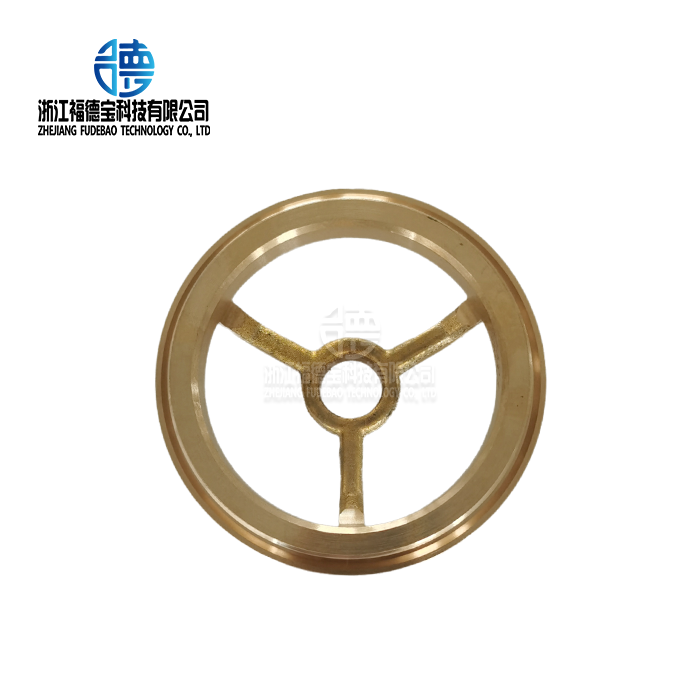
_1756349696500.webp "Pulley aluminum casting")
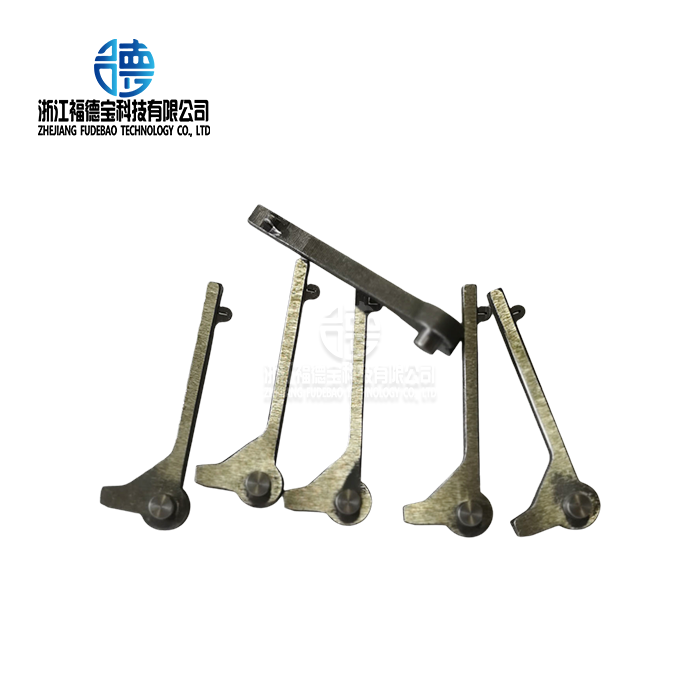
_1756345858191.webp "Aluminum casting crafts")