What is a Core in Sand Casting?
2026-05-18
How do you make the complicated internal tubes, hollow spaces, or cooling channels that modern parts need when you pour molten metal into a sand mould? Cores are the answer. Cores are special sand shapes that are put inside the mould before the concrete is poured. In sand casting, a core is a body of sand that has already been shaped. It is usually glued in place with resins or other binders and placed inside the mould to shape parts inside that the outside mould can't reach. These cores go where metal shouldn't go, which lets makers make pump housings with chambers inside, engine blocks with coolant channels, or valve bodies with complicated flow paths. These are all important shapes that describe how a part works.

Understanding the Core in Sand Casting
Cores are the creators of hollow casting shapes who you can't see. Without them, sand casting could only make solid forms or simple outlines on the outside. They make it possible to make undercuts, internal threads, and complicated passages that set useful castings apart from basic forms.
What Makes a Core Different from the Mold?
The mould makes the outside shape of a casting, and the cores fill the inside space. The mould, which makes up the outside shell, is usually made from green sand or chemically bound sand mixes. Cores, on the other hand, need to be stronger and more stable in terms of their shape because they have to withstand the buoyancy forces of liquid metal and the heat stress that comes from cooling. This difference is very important when making big engine housings or turbine parts, because the accuracy of the dimensions has a direct effect on how well the parts fit together and how well they work.
Core Types and Their Material Compositions
Different uses need different core properties, which has led to a number of well-established ways to make cores. Green sand cores use clay-water binders that are similar to the mould material. They are cheap but not very strong, so they are best for simple interior cavities in large car brackets. Shell cores use hot metal designs to cover thermosetting resin-coated sand to make thin, rigid shells with a great surface finish. These shells are perfect for precise aluminium housings in electronics. Cold box cores use chemical binders that fix at room temperature with the help of gas catalysis. This makes it possible for complex aircraft parts to be made with very accurate measurements. Hot box cores are made with heat-cured organic binders that give heavy-duty industrial metals like compressor bodies their strong strength. Knowing these differences helps procurement teams choose the right core technologies that meet the needs for tolerances, output rates, and material properties in different uses.
Core Placement and Design Considerations
For core integration to work, it needs both mechanical help and strategy planning. Core prints, which are additions that are moulded into the sand mould, hold and exactly place cores during assembly. These prints need to give the right amount of support while also allowing for heat growth when the metal is poured. To keep flaws from happening when molten metal presses down, designers must allow for core shifts of 1-3 mm, based on the size of the casting. When optimising core venting—channels that let gases escape from the core interior and keep the finished casting from being porous—design engineers and foundry teams must work together. During the design process, Fudebao Technology works closely with clients in the car and industrial machinery industries to make sure that key geometries meet both functional needs and the ability to be manufactured. This cuts down on revision cycles and speeds up time-to-market.
Problem-Solving Approach: Common Issues with Cores and How to Avoid Them
Cores make the sand casting process more complicated, which means there are more ways for it to go wrong. Buyers can better judge a foundry's skills when they know about these problems and what causes them.
Frequent Core-Related Defects
Core cracks appear when sand mixtures don't have enough binder or when uneven expansion is caused by rapid heating. These cracks let metal go through, making interior flash that makes measurements less accurate and needs expensive extra work. Core shift happens when the core moves during casting because of buoyancy forces or bad print design. This causes the walls to be unevenly thick, which weakens the structure. This is a very big problem for parts of cars that are heated and cooled many times. Core wash happens when refractory coatings fail or sand erosion lets metal get through the core surface, making rough openings inside the pump housings that make it hard for fluid to move. When there isn't enough venting, combustion gases from organic binders get trapped and cause gas flaws like porosity or blowholes. This lowers the mechanical properties of the material in load-bearing uses.
Root Causes and Prevention Strategies
These flaws are caused by process factors that can be changed. If the sand-to-binder ratio is off, the core strength is compromised. To make sure consistency, our plant follows tight batching rules and uses automated mixing systems. Chemical bonding can't happen if there isn't enough cure time. To make sure that all of the binder is activated, we use controlled-environment curing rooms that keep an eye on the temperature and humidity. Design mistakes like bad core prints or missing vent paths need to be looked over by an expert engineer during the quotation process. At Fudebao Technology, we make this a priority through collaborative design-for-manufacturing consultations. Industry data shows that when foundries do regular checks on the quality of the core, the amount of scrap metal they have to throw away drops by 15 to 25 percent. This directly cuts costs and improves delivery reliability.
Real-World Impact and Verification Checklist
A top-tier car supplier had to keep sending back aluminium transmission housings because they were too porous on the inside, which was caused by not enough core cooling. When vent ducts were added to the core and a low-gas cold box binder system was switched to, failure rates dropped from 8% to less than 1%. This saved about $45,000 a year in scrap costs. When buying teams look at casting partners, they should make sure that the providers test the core strength, keep records of the curing process, use refractory coatings that are right for the metal temperature, and show experience working with designers. These things set capable partners apart from those who just follow pictures without thinking about whether they can be made.
Core Design and Its Impact on Casting Efficiency and Performance
Core shape has a direct effect on both the quality of the casting and the cost of production. Small design choices can make the difference between a part that meets flight standards and one that needs a lot of work to fix. In sand casting, core thickness affects how much heat moves during solidification, which in turn affects how much the material shrinks and how stable its shape is.
How Core Geometry Affects Final Tolerances?
It's possible for hot spots to form in thicker cores, which can cause nearby metal sections to shrink and become porous. This is a problem for pressure-containing tanks used in energy applications. On the other hand, cores that are too thin might not be structurally strong, so they might bend when molten metal pressure is applied, which would change the internal measurements. The accuracy of the core's dimensions affects the internal parts directly; a 0.5mm difference in core dimensions causes the same mistake in internal pathways, which can affect how fluid moves in pump impeller housings or electrical connector shapes. According to research released by the American Foundry Society, cores made with automated methods have dimensional stability within ±0.2mm, compared to ±0.8mm for cores made by hand. This is a fourfold improvement that is necessary for parts that need to meet ISO 8062 CT9–CT10 tolerances.
Precision Core Fabrication for Demanding Industries
When it comes to automotive engine parts, the cores need to be accurate over and over again to make sure the cooling channels work and the structure stays strong under combustion pressures. Not only do aerospace uses need precise measurements, but they also need to be able to track down materials and test parts without damaging them to make sure they don't have any inclusions. Core-formed openings in heavy machinery parts like backhoe hydraulic valve bodies make sure that fluid flow is distributed evenly. However, if the dimensions are off, pressure imbalances and premature wear can happen. To meet these needs, new core-making technologies use automatic core blowing machines to pour sand-binder mixtures into precise tooling under controlled pressure. This makes sure that the density is the same and that the dimensions are always the same. At Fudebao Technology, we use CNC-machined core boxes with limits of ±0.05mm. This lets us make cores that always meet the strict requirements of North American automakers and industrial equipment makers.
Innovations Enhancing Core Production
New developments in binding chemistry have led to the creation of low-emission phenolic urethane systems that protect workers from exposure while having high core strength. These systems are good for both following the rules and keeping workers safe. Vision-enabled automated core handling systems find differences in dimensions before they are put together. This keeps broken cores from getting to the moulding stage. 3D sand printing technology makes it possible to make quick prototypes of complicated parts without having to buy expensive tools. This shortens the time it takes to develop new products for commercial uses from weeks to days. For example, collapsible cores are used for undercut geometries, ceramic cores are used for high-temperature superalloy castings in aircraft, and soluble salt cores are used for complex cooling pathways in high-performance car uses. These technologies make it easier to create new things and make sure the quality is always the same. This makes producers who use advanced casting methods more competitive.
Choosing the Right Core Supplier: Factors & Evaluation Criteria
When choosing a manufacturing partner, you need to look at more than just price. Core production skills are often what separates good sellers from those who always bring precision parts on time for sand casting projects.
Essential Supplier Metrics
Quality certifications like ISO 9001 set the standards for how things should be done. IATF 16949 certification, on the other hand, is only for car quality management systems and covers the PPAP paperwork requirements that tier-1 suppliers want. When casts feed just-in-time assembly lines, on-time delivery performance shows how well production planning and capacity management are done. The ability to provide technical support is what sets apart sellers who just carry out orders from partners who help with design optimisation by sharing their engineering knowledge. Buyers should check to see if potential foundries offer metallurgical analysis, physical inspection records with accurate measurements, and the willingness to take part in failure analysis when problems occur. These support services are very helpful when there are problems with production or when there are short deadlines for developing new ideas.
Comparing Core Production Methods
Using shell or cold box methods for traditional core production has been shown to be reliable and work well with a wide range of materials. It is best for established product lines with steady numbers. Robotics and inline inspection are used in modern automated systems to improve output and accuracy. These systems are perfect for making a lot of car parts that need statistical process control. 3D sand printing is great for making prototypes and low-volume complex shapes because it doesn't need any tools and can work at slower speeds right now. Each way has trade-offs between the cost of tools, the cost per unit, the ability to be flexible, and the ability to make things in different sizes. Sourcing directors should make sure that the core production methods they use are right for the stage of the product lifecycle they are in. For example, additive technologies work well for testing, while specialised automatic tooling is worth the money for high-volume, stable products.
Partnering for Risk Mitigation and Scalability
Experienced foundries lower the risks in the supply chain by having written backup plans, extra tools for important tasks, and systems for keeping track of stockpiles that stop material shortages. Competitive unit prices aren't the only things that make a business cost-effective. Less scrap, fewer revision cycles, and faster wait times that shorten cash-to-cash cycles are also important. Scalable production lets providers change their capacity when demand changes without lowering the quality. This is very important for car clients who have to deal with yearly changes in volume or for industrial equipment makers who are starting new product lines. Fudebao Technology can make patterns, make cores, do low-pressure and gravity casting, CNC cutting, and surface treatment. Because these skills are all combined, we can deliver entire parts from a single source. Our building has low-pressure casting machines that are perfect for making aluminium auto parts, CNC machining centres that can achieve tolerances of ±0.05mm, and surface treatment lines that meet automotive corrosion standards. This means that we don't have to coordinate with many different vendors and still have full control over the whole process.
Future Trends and Innovations in Core Technology for Sand Casting
Digitalisation, rules about being environmentally friendly, and the need for faster development processes are all changing the foundry industry's technology. These changes affect how cores are planned, made, and used in sand casting processes.
Emerging Core Manufacturing Technologies
3D sand printing has gone from being a study interest to a real-world production technology. Systems can now print complex cores in hours instead of the weeks it takes for standard tooling. This technology gets rid of the physical limits of regular core boxes, making it possible for organic internal passages that are best for fluid flow or weight reduction. This is especially useful for aircraft parts where every gramme counts. New binding chemicals try to lower the release of volatile organic compounds and make the material more collapsible, which makes it easier to remove the core and lowers the cost of cleaning. Inorganic binder systems that are still being developed claim to produce no fumes during casting while still having the same level of strength as organic binders. These new ideas help with both government rules and running a business more efficiently. They lower the costs of following environmental rules and make the workplace better.
Sustainability and Environmental Considerations
There is more and more pressure on the casting industry to cut down on trash and energy use. Systems that clean and reuse core sand cut the amount of raw material needed by 70–80%. This lowers the cost of waste and the damage done to the environment. Water-based and biodegradable binder systems keep performance standards high while reducing the amount of toxic trash that is made. Core production has a smaller carbon impact when it uses energy-efficient curing ovens with heat recovery systems. This is important for makers who want to meet science-based emission reduction goals. As more and more buying strategies use sustainability metrics to choose suppliers, companies that show environmental leadership gain a competitive edge. As part of Fudebao Technology's dedication, we are always improving our processes to reduce waste and energy use, which is in line with the sustainability goals of our global clients.
Supply Chain Competitiveness Through Advanced Core Solutions
Adopting cutting-edge core technologies shortens lead times by getting rid of the need for tooling delays for design changes. This lets companies respond more quickly to changes in the market. Better accuracy cuts down on the need for further cutting, which lowers the total cost of the component and makes better use of the material. Fewer scraps caused by better core quality directly boost profits and make better use of resources. If procurement workers know about these technology advances, they can find partners who are willing to think ahead and support innovation instead of just making products that people want. It's getting easier for buyers to find suppliers who invest in new technologies and digitising processes. This is because these investments lead to faster starts, lower total costs of ownership, and less supply chain risk for buyers.
Conclusion
Cores are the unseen parts that make complex cast shapes possible. They turn simple moulds into high-tech production tools that can make complex internal features that are necessary for modern parts in sand casting. Procurement pros can make choices that improve quality, cost, and delivery performance by knowing about core types, possible defects, design effects, and supplier capabilities. Working with experienced foundries is becoming more and more useful as core technologies improve through automation, additive production, and eco-friendly materials. The right seller not only has the ability to make things, but they can also work with engineers to improve product performance and shorten development processes. When you look at foundries based on their core knowledge, process control, and technological investment, you can find partners that can meet both your current output needs and your future innovation needs.
FAQ
What materials are commonly used for cores in sand casting?
Because it is easy to find and doesn't break easily, silica sand is often used as the base grain in cores for sand casting. For cold box cores, amine gas sets polyurethane or phenolic resins to work. Shell cores use thermosetting phenolic resins, and hot box cores use furan or phenolic binders that fix with heat. Zircon sand is used for high-temperature alloys, chromite sand is used for steel casts that need a better surface finish, and ceramic materials are used for investment-cast aircraft parts. Based on the needs of the application, the choice of binding strikes a mix between strength, ease of use, environmental impact, and cost.
How do cores affect casting cost and lead time?
Cores make things more complicated, which affects both costs and plans. Core tooling, which includes the designs and core boxes that are used to make cores, is an initial investment that is paid back over the amount of production. Complex cores that need more than one piece or complicated shapes make production take longer and increase the chance of mistakes. Automated core production lowers the cost of labour per unit, but it needs an investment in capital. Tooling creation (which usually takes 2–6 weeks with traditional methods but doesn't with 3D printing), core production cycles, and drying time before mould assembly are all things that affect lead time. Finding the best balance between original costs and long-term efficiency for buyers' individual volume and timeline needs is what experienced foundries do through design teamwork and process planning.
Partner with Fudebao Technology for Precision Core Solutions and Sand Casting Excellence
To get through the complicated processes of core design and sand casting production, you need a manufacturing partner who has experience with the whole process chain. Fudebao Technology offers a full range of services, from initial design advice to delivery of finished components. It works with difficult industries like energy, industrial equipment, and the automobile sector. Our engineering team works with clients to make sure that core designs are optimised for production. Our advanced production systems, which include automated core making, precision low-pressure casting, and CNC machining centers that can achieve ±0.05mm tolerances, make sure that the quality is always up to international standards. As a well-known company that supplies major North American names directly, we know what kind of paperwork, quality control, and tracking your projects need. You can email our technical team at hank.shen@fdbcasting.com to talk about your specific casting needs and problems, or you can visit fdbcasting.com to learn more about our services and download full case studies that show how we solve problems.
References
American Foundry Society. (2021). Core Making Fundamentals and Advanced Techniques. Des Plaines, IL: AFS Publications.
Campbell, J. (2015). Complete Casting Handbook: Metal Casting Processes, Metallurgy, Techniques and Design (Second Edition). Oxford: Butterworth-Heinemann.
Beeley, P. R., & Smart, R. F. (2017). Investment Casting: Fundamentals of Core Technology and Applications. London: Institute of Materials.
Brown, J. R. (2019). Foseco Ferrous Foundryman's Handbook (Eleventh Edition). Oxford: Butterworth-Heinemann.
Stefanescu, D. M. (2020). ASM Handbook Volume 15: Casting—Core Production and Quality Control. Materials Park, OH: ASM International.
Hirt, G., & Thome, M. (2018). "Advances in Core Binder Systems for Improved Casting Quality and Environmental Performance." International Journal of Metalcasting, 12(4), 721-735.



_1756352400994.webp "chassis enclosure")
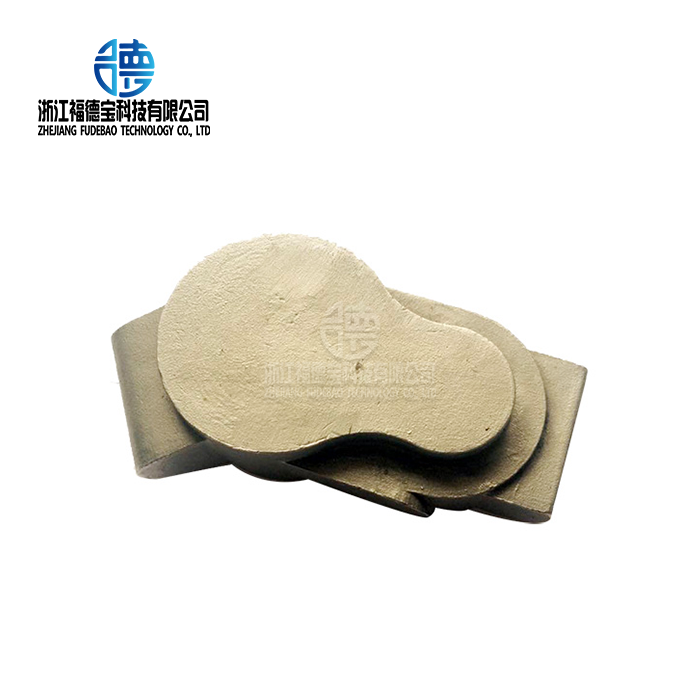
_1756348711711.webp "anti surge turbo housing")
_1756348227989.webp "Aluminum casting movable U frame")
_1756346144394.webp "aluminum die casting hinge")
_1756346043433.webp "guardrail connecting block")