Common Aluminum Die Casting Defects and Root Causes
2026-03-03
Defects in aluminum die casting are big problems in today's manufacturing. They have a direct effect on product quality, production costs, and customer happiness in the electrical, aerospace, automobile, and industrial sectors. These flaws happen because of complicated interactions between the properties of the material, the process factors, the design of the mold, and the conditions in the surroundings during the casting process. Understanding common flaws like porosity, cold shuts, surface marks, and dimensional variations - along with what causes them - helps procurement workers and engineers choose the right suppliers, set quality standards, and come up with ways to reduce risk.
Overview of Common Aluminum Die Casting Defects
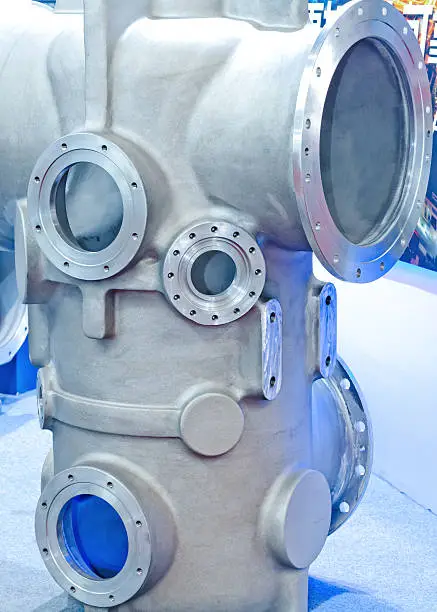
Common flaws in aluminum die casting fall into a few different groups. These flaws can affect both the mechanical and visual quality of parts, which can have an effect on how reliable the product is and how well it sells in many industries. Porosity and gas holes, cold shuts, misruns, shrinking defects, surface flaws, cracks, and dimensional deformation are some of these flaws.
Porosity and Gas-Related Defects
Porosity shows up as tiny holes or bubbles inside cast parts. This usually happens because of trapped air, gas escaping during solidification, or not properly degassing the parts. Gas holes look like bigger, separate holes that can make structures much less stable. These flaws are especially annoying in places where pressure is high, like engine blocks or hydraulic housings, where leak-proof performance is very important.
Surface Quality Issues and Dimensional Variations
Surface flaws like flash, cold laps, die marks, and rust spots can change how something looks and how it works. When two metal lines don't properly join during filling, weak spots are made that can break under stress. This is called a cold shut. Mismatches in dimensions and warping can make parts useless in precision setups, necessitating expensive extra cutting or rejection.
Procurement professionals who are in charge of handling complicated supply chains need to know how these flaws affect cost structures and quality standards for suppliers. Buyers can negotiate better on specifications, inspection processes, and quality assurance goals when they know how defects are classified and what effects they have. This lowers the risks in supply contracts while keeping prices competitive.
Root Causes of Aluminum Die Casting Defects
Defects happen when many things interact with each other, like the quality of the material, the process settings, the design of the mold, and the weather conditions that need to be carefully managed during production cycles. Problems with the materials, like inconsistent alloy makeup, high moisture levels, and contamination from recycled materials, can seriously damage the structure and performance of the casting.
Process Parameter Influences
Process factors like injection speed, pressure profiles, mold temperature control, and cycle time have a big impact on how defects form in aluminum castings. Too fast of an injection speed can cause noise and air to get trapped, while not enough pressure can lead to cold shuts and partial filling. If the temperatures in the mold are too low or too high, the material may solidify too quickly and have flaws on the surface. If the temperatures are too high, the material may stick and take longer to cycle.
Design and Tooling Factors
Design issues in aluminum die casting include changes in wall thickness that aren't right, draft angles that aren't right, air systems that don't work right, and machine wear that gets worse over production runs. All of these issues make casting mistakes worse. Where the gates are placed, how the runners are made, and where the overflow is located all have a big effect on how the metal moves and hardens. Backpressure from not enough venting keeps the room from filling up all the way and makes it easier for gas to get stuck.
Defect control and general process stability are also affected by things in the environment, such as changes in temperature and humidity, and the amount of expertise of the operators. When procurement teams fully understand these root causes, they are better able to set the right technical standards and work together with suppliers to improve the quality of the end product while keeping costs low.
Systematic Approach to Diagnose and Prevent Defects
Using an organized method to find, examine, and get rid of defects is important for keeping quality standards high and preventing production problems as much as possible. Companies can use data-driven analytical tools to find root causes in a planned way. They can start by describing defects thoroughly through eye review and nondestructive testing.
Diagnostic Tools and Methodologies
Statistical Process Control (SPC) lets you keep an eye on important factors in real time and find process drift early, before it leads to flaws. Root cause analysis methods, like the 5 Whys method, help you figure out where problems come from and how they happen. Fishbone models help you see how one thing can lead to another. X-ray inspection, computed tomography, and acoustic testing can give you a lot of information about how defects are structured inside of a product without damaging any valuable parts.
Implementation of Corrective Actions
Putting corrective action into action can include anything from choosing better material types and optimizing process parameters to improving operator training programs and mold designs. Real-life case studies show how focused changes, like improving venting systems or changing injection pressure profiles, have been able to get rid of repeated defect patterns while also making the equipment work better overall.
Effective strategies for preventing defects are based on clear quality checkpoints set up throughout production cycles, regular calibration of process tracking tools, and preventative maintenance plans for die casting equipment. This methodical approach leads to useful plans that are made just for the buying and engineering teams to keep production running smoothly and reduce the chance of mistakes.
Recommended Design and Process Tips to Minimize Defects
Design and process improvement are two of the most important ways to cut down on defects in aluminum die casting. These changes have a direct effect on the quality of the parts, how efficiently they are made, and how much they cost to make overall. Maintaining regular wall thickness distributions, using the right draft angles for easy part removal, and choosing the best aluminum alloy compositions based on the needs of the application are all good design practices.
Design Best Practices
Uneven wall thickness stops different cooling rates that can cause warping and internal stresses. Draft angles, which are usually between 1 and 3 degrees, help parts come out smoothly while reducing die wear and surface damage. Fillet curves at corners lower stress levels and make it easier for metal to move while cavities are being filled.
Process Optimization Strategies
Setting the right injection speed profiles, controlling the mold temperature precisely, doing regular equipment repair, and looking into new casting methods like vacuum-assisted die casting or squeeze casting are all important parts of process strategies. For structural uses, low-pressure casting techniques have better mechanical qualities, while high-pressure techniques are best for making thin-walled parts with great surface finishes.
Working with trustworthy OEM partners and providers is necessary to make sure that quality standards are met, that customization is possible, and that lead times are good enough to meet market needs. These combined steps improve the regularity of production while also meeting buying goals for low costs, dependability, and long-term supply chain management.
Quality Assurance and Supplier Selection for Defect Mitigation
For strong quality assurance, strict rules and tolerances must be followed for things like measuring accurately, having a smooth surface, and meeting mechanical property goals in a variety of settings. When purchasing teams look at possible makers, they need to look at standards like ISO 9001, TS 16949, AS9100, and industry-specific credentials that show a dedication to quality excellence.
Supplier Evaluation Criteria
Assessments of production potential look at things like the specs of the equipment, how much of the capacity is being used, the process control systems, and how well the company can regularly meet high quality standards. Supplier audits and plant visits give important information about organizational excellence, the skills of the workforce, and efforts to improve all the time, all of which have a direct effect on the long-term success of the relationship.
Technology Integration for Quality Control
Digital technologies like automatic quoting systems, fast prototyping, real-time process tracking, and advanced inspection tools make the whole production process more clear and better at controlling defects. Coordinate measuring tools (CMMs), optical scanning systems, and statistical analysis software make it possible to check and record the quality of things very accurately.
To lower the risk of defects and ensure long-term supply chain stability, it is important to choose suppliers strategically based on their ability to innovate, their technical knowledge, and their track record of trustworthiness. When you work with suppliers who put money into new equipment, training for employees, and quality management systems, you get better results for tough uses in the aerospace, automobile, and industrial sectors.
Conclusion
When procurement workers know about common aluminum die casting flaws and what causes them, they can make smart choices that affect product quality, cost control, and relationships with suppliers. This guide explains a methodical way to find defects, stop them, and make sure the quality of the products you make. It gives you useful information for making your factory partnerships work better. Managing casting flaws well requires buyers and sellers to work together, use tried-and-true methods, and make a promise to keep getting better all along the supply chain.
FAQ
What causes porosity in aluminum die castings?
Porosity usually happens when gas gets trapped during metal injection, when molten aluminum doesn't degas properly, when die oils have too much moisture, or when the exhaust design is wrong. High injection speeds can cause turbulence that holds air, and vacuum systems that aren't strong enough don't get rid of gases well enough during solidification.
How can procurement teams communicate effectively with manufacturers about defect reduction?
Setting clear acceptance standards, inspection methods, regular quality reviews, and group problem-solving sessions are all things that make communication work well. Giving manufacturers thorough drawings with important measurements, surface finish standards, and functional specs helps them understand what is expected of them and set up the right process controls.
Which aluminum alloys offer the best balance of mechanical properties and defect resistance?
The metals A380 and A383 are easy to cast and have good mechanical qualities for most uses. For hard automobile uses, A356 is the best choice because it is stronger and doesn't rust. ADC12 gives thin-walled parts great movement and surface finish with little post-processing needed.
Partner with Fudebao Technology for Superior Aluminum Die Casting Solutions
You can trust Zhejiang Fudebao Technology as your reliable source for aluminum die casting. They provide flawless parts that meet the strictest quality standards for use in aerospace, automobile, and industrial settings. Our modern factory has high-speed machining centers, precise CNC equipment, and advanced die casting tools that make sure the sizes are accurate to within 0.05mm. We offer one-stop delivery from blanks to final parts because we can do all the steps involved in melting, casting, finishing, and surface treatment. Get in touch with hank.shen@fdbcasting.com right away to talk about your unique needs and find out how our knowledge of defect prevention methods can help you make your product better while lowering the total cost of ownership.
References
Campbell, John. "Complete Casting Handbook: Metal Casting Processes, Techniques and Design." Second Edition, Butterworth-Heinemann, 2015.
Jorstad, John L. "Understanding Quality in Aluminum Die Casting." Die Casting Engineer Magazine, North American Die Casting Association, 2018.
Vinarcik, Edward J. "High Integrity Die Casting Processes." John Wiley & Sons, 2003.
Shivkumar, S., Ricci, S., and Apelian, D. "Influence of Solution Treatment and Aging on Microstructure and Mechanical Properties of Al-Si-Mg Alloys." Journal of Heat Treating, ASM International, 1990.
American Foundry Society. "Aluminum Die Casting Defects and Their Prevention." Technical Publication AFS-TR-14, Des Plaines, Illinois, 2019.
Zhang, L., and Wang, Q. "Root Cause Analysis of Common Defects in Aluminum High Pressure Die Casting." Materials Science and Engineering Conference Proceedings, 2020, Materials Research Society.



YOU MAY LIKE
_1756345939856.webp "Aluminum casting chassis")
_1756347888208.webp "New energy motor shell")
_1756348543350.webp "Automotive Turbine Casting")