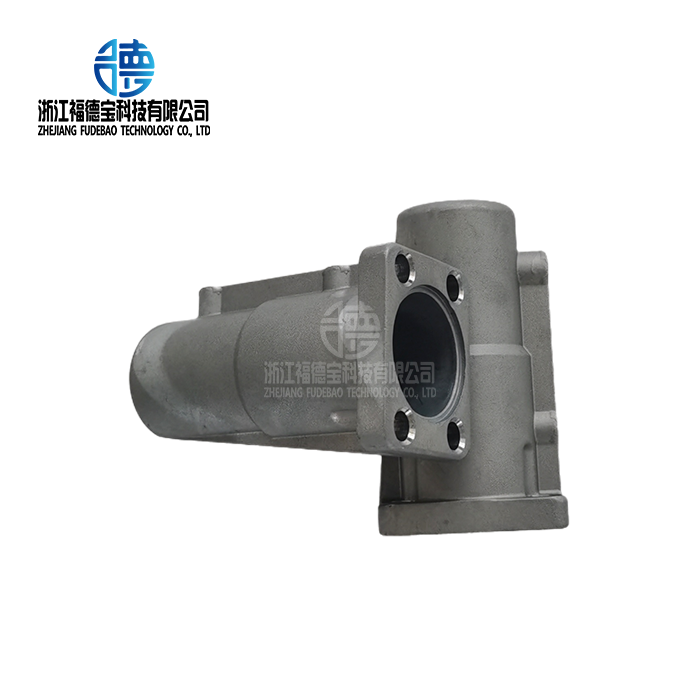
Is Sand Casting Expensive?
2026-05-16
In many workplace settings, sand casting is a fairly cost-effective way to make things, especially when compared to other metalworking methods. The total cost varies on a number of linked factors, such as the number of parts made, how complicated they are, what materials are used, and what finishing steps are needed. At first glance, it might seem like sand casting is very expensive because the mold has to be prepared by hand, but the truth is much more complicated. When you use this foundry method instead of die casting, you don't have to buy expensive fixed tools, which makes it a very cost-effective way to make small to medium-sized batches. When buying teams know about all the costs involved, they can make smart decisions about where to buy things that meet both budgetary and technology needs.
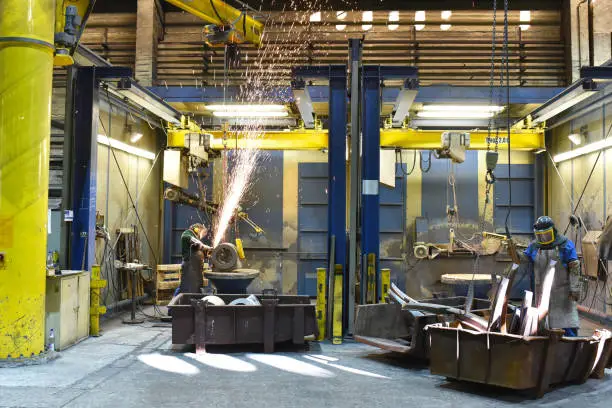
Understanding Sand Casting and Its Cost Components
In sand casting, molds are made from bonded sand mixes and are used to make molten metal into the shape that is needed. This method has been used for a long time. This basic way of making things is used for more than 60% of all metal casts made in the world, showing that it is still useful in many different industries.
The Basic Process and Materials
The process starts with making patterns, which are usually metal or wood models that show how the end part will be shaped. These patterns are put in flask boxes and surrounded by sand mixes that were made just for them. Green sand, which is made with clay and water as natural binders, and chemically-bonded resin sand systems are the two main types of sand used in foundries today. Green sand can be recycled and costs less, while resin-bonded types offer better control over dimensions and surface quality. Silica sand is still the most common aggregate because it is very refractory, meaning it can survive temperatures above 1600°C without breaking down or melting with melted metal.
Material Selection and Industry Applications
The choice of metal has a big effect on both professional ability and cost structure. Aluminum alloys are good for the economy because they melt at lower temperatures and can be made easily. This makes them perfect for making frames for cars, electrical housings, and parts for spacecraft. Cast iron types are used in heavy tools where wear protection and vibration damping are important. Copper alloys meet the needs for electrical conductivity in power equipment, and special superalloys meet the needs of difficult conditions in the energy sector, where valve bodies are exposed to corrosive fluids at high pressures.
Primary Cost Drivers in Sand Casting
When you break down the structure of expenses, you can see that there are four main groups. Sand, binders, pattern materials, and metal alloys are all examples of raw materials that add to the end unit cost in a relative way. The amount of labor needed depends on how complicated the mold is and how automated the production line is. Labor costs make up a big part of total costs in human operations. Pattern-making machines, molding systems, melting furnaces, and shakeout equipment are all examples of equipment that needs to be bought. The capital costs of these items are spread out over the output amounts. Adding finishing steps like trimming, grinding, heat treatment, and machining can raise costs, but they are necessary to meet technical standards for tolerances and surface characteristics.
Factors Influencing the Cost Efficiency of Sand Casting
There are a lot of practical and design factors that affect how profitable sand casting projects are, so they need to be carefully looked at during the planning stages of buying.
Production Volume Economics
Costs per unit are greatly affected by economies of scale. When you make a lot of things, the costs of pattern development, setup time, and quality systems are spread out over a lot of parts. This makes the price of each piece much lower. Medium-batch manufacturing keeps costs down pretty well, especially when compared to fixed mold processes that need pricey steel dies. Small production runs or prototypes have higher costs because fixed costs are spread out over fewer units. However, for complex shapes, sand casting still usually works better than making whole parts from solid stock.
Mold Complexity and Design Optimization
The amount of time and materials needed to make something are directly related to how complicated the geometry is. For simple external shapes with few undercuts, simple two-part molds and little coremaking are needed, which keeps costs low. For complicated internal features, you need complex core systems, which are made up of different sand shapes that are placed in molds to make hollow pathways or complex cavities. Each extra core boosts the number of hours of work and the chance of defects. Making smart changes to the design can cut costs by a lot. For example, getting rid of undercuts that aren't needed, raising draft angles to make pattern removal easier, and merging features to lower core count are all ways to save money without sacrificing functionality.
Defect Prevention and Quality Control
Common casting flaws cost money because they cause more scrap, more work to be done, and longer wait times. Gases that get stuck cause holes in the structure, which needs to be fixed or rejected. Because metal surfaces have sand embedded in them, they need more grinding and cleaning. When dimensions change outside of the standard bands, the machine has to make changes or rejects the part completely. Taking preventative steps pays off: limiting the permeability of the sand makes sure that gases can escape properly, designing gates correctly helps metal flow smoothly, and degassing processes get rid of hydrogen from molten aluminum. Simulation software is used by experienced foundries to guess and get rid of possible ways for defects to happen before creating the first mold. This keeps project budgets from being blown out of proportion by unexpected costs.
Comparative Cost Analysis: Sand Casting vs Other Manufacturing Processes
Comparing sand casting to other ways of making things gives you important information for making smart buying choices and shows you when this method is the best value.
Sand Casting versus Die Casting
Die casting uses steel molds that can be used again and again to pour liquid metal into them under high pressure. This makes parts that are very accurate in size and have smooth surfaces. Die casting, on the other hand, requires a big input of money—often tens of thousands of dollars up front—before the first part can be made. The economic case for this spending only comes up when production volumes are higher than a few thousand pieces. This problem isn't a problem with sand casting because it uses disposable molds made from cheap materials and designs that don't cost nearly as much as permanent dies. The break-even estimate always favors sand casting for amounts less than about 5,000 pieces, though the exact limits depend on the size and complexity of the part. While die casting can handle tighter tolerances (CT4–CT7), sand methods tend to have wider ones (usually ISO 8062 grades CT10–CT13), which means that important surfaces need more room for machining.
Sand Casting versus Investment Casting
Investment casting, which is sometimes called "lost-wax casting," makes clay shell molds from wax models to get a very smooth surface and accurate reproductions of small details. This level of accuracy comes at a high cost: making the shell takes a lot of work, processing times are longer, and materials are more expensive. Investment casting is best for making small, complicated parts with thin walls and fine details. Jewelry, turbine blades, and oral replacements are all great examples of these types of parts. Sand casting is more cost-effective for bigger parts with easier shapes because it can be done faster and costs less per pound of metal. The choice of which method to use depends on whether the application really needs the finer details of investment casting or if sand casting meets the needs properly at a lower cost.
Sand Casting versus Machining
Subtractive manufacturing methods, like CNC cutting and turning, make parts by taking away material from solid billets. This gives you very good control over the dimensions and quality of the parts. But expensive extensive cutting can't be done when removal rates go above about 60–70% of the starting material. This is because metal waste, longer cycle times, and tool consumption drive up costs. Sand casting is a fast and efficient way to make nearly-net forms that only need finish cutting on mating surfaces and precision features. This cuts down on waste and machine time. Combining casting for basic shapes with CNC processes for important sizes is the best way to get the best cost-performance ratio.
How to Optimize Costs When Procuring Sand Casting Services?
When you use strategic buying practices, you can cut costs by a large amount while still keeping quality standards and a reliable delivery system throughout the supply relationship.
Supplier Evaluation and Selection Criteria
The first step in successfully lowering costs is to find skilled manufacturing partners. Organizations that have strong quality management systems, such as those that are ISO 9001 certified, show that they are committed to uniform processes and constant growth. Specialized certificates, like IATF 16949 for suppliers to the car industry or AS9100 for aerospace uses, prove that a company can meet the needs of that industry, such as PPAP paperwork, traceability procedures, and advanced inspection methods. Technical skills need to be carefully looked at. For example, having a portfolio of equipment that includes melting systems, molding automation, CNC machining centers, and surface treatment facilities allows for single-source solutions that make transportation easier and lower the cost of interfaces. Financial stability signs protect against supply disruptions, and technical help and responsive communication make it easier for teams to work together to solve problems throughout the lifetime of a product.
Geographic Sourcing Considerations
Location planning affects more than just listed prices when it comes to costs. When you buy from domestic sellers in the US, you get benefits like shorter lead times, easier operations, lower shipping costs, and better safety for your intellectual property. People talk to each other in time zones that work for them and use the same business practices and law systems. Overseas sourcing, especially from well-known production regions, may offer lower labor costs, but it also adds complexity through longer shipping times, customs processes, currency changes, and problems with collaboration. A total cost of ownership study that includes all landed costs, inventory holding costs, and risk factors is better for making decisions than just comparing prices per piece.
Negotiation Strategies and Contract Structures
Clear talks about prices that look at what causes costs make it possible for everyone to agree on something. Volume agreements spread set costs over bigger amounts, which is why some prices are more reasonable than others. Cost sharing is possible when foundries have flexible shipping dates that let them plan production more efficiently and use all of their available capacity. Putting several part numbers on one purchase order cuts down on the amount of work that needs to be done and the number of times that setup needs to be done. When providers have long-term contracts with steady volumes, they can spend in better processes and specialized tools, which lowers costs over the life of the relationship. Collaborations in value engineering that use foundry knowledge to change designs and come up with new ideas that use less material, make production easier, and raise return rates.
Leveraging Technological Advancements
Digital tools are used in modern foundries to streamline processes and get rid of useless methods. Rapid prototyping with 3D-printed models shortens the time it takes to make something, so it can be tested for functionality before investing in production tools. During the early stages of development, computer-aided design optimization finds ways to reduce weight, save materials, and make things easier to make. Casting modeling software predicts how metal will move, how it will solidify, and where defects might appear. This lets designers make changes to the design that fix problems instead of doing expensive trial-and-error tests. These technological advances directly lead to buying benefits such as shorter lead times, lower development costs, and better first-run yield rates.
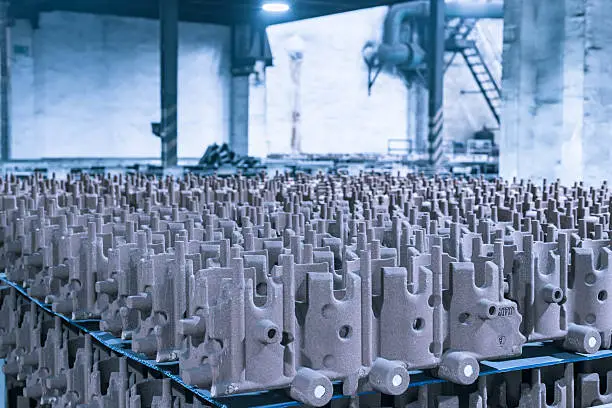
Case Studies: Successful Cost Management in Sand Casting Projects
Real-world applications demonstrate practical approaches to balancing cost objectives against performance requirements across diverse industrial sectors.
Automotive Aluminum Component Production
A major car provider needed aluminum transmission housings with complicated internal tunnels for fluid flow and structural mounting features. The first die casting quotes showed that the planned 8,000 units per year would require too much money to be spent on tools. Working with a specialized foundry that used resin-bonded sand molds and cutting-edge core-making technologies to make parts that met PPAP paperwork and size standards was a success. When compared to die casting options, sand casting required about 75% less up-front investment while still keeping good standards for later CNC machining of bearing bores and mounting faces. By strategically placing machining allowances, finishing processes were focused only on the most important functional areas. This achieved the best balance between cost-effectiveness and accuracy needs. This hybrid approach met its cost goals and met strict automotive quality standards, such as the steps for verifying dimensions, certifying materials, and approving production parts.
Aerospace Structural Components
An aerospace company that was making specialized parts for airplanes had to deal with very tight tolerances and small production amounts that wouldn't work with high-volume methods. Using aircraft-grade aluminum alloys in sand casting gave the needed material qualities, such as high strength-to-weight ratios and resistance to rust. The provider set up strict quality standards that included full tracking, advanced non-destructive tests like radiographic inspection, and thorough metallurgical analysis to check the structure of the grains and the mechanical properties of the metal. Even though the cost per unit was higher than the price of a standard casting, the overall program was cheaper because the block stock didn't need to be machined as much and the foundry was AS9100 certified. The relationship showed that top-tier suppliers with specialized skills can explain their position by lowering risks, following rules, and providing engineering support that lowers overall program costs in ways that go beyond simple piece-price comparisons.
Small Batch Industrial Equipment Manufacturing
A company that makes pumps needed different casting configurations for custom installations that would be used in specific industry settings. Typical order numbers for each design ranged from 5 to 50 units. Due to the wide range of molds and low numbers, traditional permanent mold methods were not possible from an economic point of view. A partnership with a flexible sand casting operation that uses green sand molding methods and fast pattern development made it possible to make a wide range of products at a low cost. It was very important that the foundry was ready to work with regular changes and small lot sizes without charging excessive setup fees. Digital pattern files made it easy to quickly process new orders, and joint design reviews found ways to standardize features across different product versions. This slowly pushed the limits of casting and made it cheaper, even for small batches.
Conclusion
When the right application needs and output numbers are met, sand casting offers a compelling cost-performance profile. The process gets rid of the need for expensive equipment that comes with fixed molds, works well with a variety of alloys, and can be scaled up or down easily from prototypes to medium-volume production. For cost optimization, you need to look at more than just quotes per piece. You need to look at total ownership costs, supplier skills, quality system stability, and collaborative engineering support. To get the most value, strategic buying teams use design optimization, volume consolidation, and process changes made possible by technology. For success, you need to choose manufacturing partners that show they have the technical know-how, commitment to quality, and willingness to work with you throughout the lifetime of a product. This will make sure that your casting investments give the performance you want within your budget.
FAQ
What factors determine sand casting costs?
The cost of sand casting depends on a lot of things, like the size and weight of the part, how complicated the shape is and how much of it needs to be made, how much is being made, the material being used, which can have different melt temperatures and availability, the required tolerances for dimensions that determine how much is allowed for machining, and the surface finish requirements that affect the cleaning and finishing steps. Pattern development costs money up front that is spread out over many production runs. The amount of work that needs to be done depends on how much technology is used and how complicated the mold is.
How does sand casting compare financially to die casting?
By not needing expensive permanent tools, sand casting can keep its cost benefits at smaller production rates. Die casting takes a big investment in dies up front, but it creates higher numbers with better surface finishes and tighter tolerances. Depending on the features of the part, the economic crossover usually happens between 3,000 and 10,000 units. Below these levels, sand casting is more cost-effective than die casting, and above them, it becomes more cost-effective to use both.
Can design changes reduce sand casting expenses?
Of course. Increasing draft angles for easier pattern extraction, simplifying shapes to reduce core needs, combining features to make molds simpler, and adjusting wall thickness for better metal flow are all things that can be done to lower costs. When engineers work together during the planning phase, they can find these chances before they commit to making a tool. This saves money without sacrificing functionality.
Partner with Fudebao Technology for Cost-Effective Sand Casting Solutions
Zhejiang Fudebao Technology Co., Ltd. has decades of experience in making aluminum alloys, copper alloys, and stainless steel, and they can also do precise CNC milling. Our building has high-speed machining centers, CNC lathes, low-pressure casting tools, and die casting machines that work together to support full "melting-casting-finishing-surface treatment" processes. We offer complete solutions, from the blank to the finished part, with tolerances of up to ±0.05mm. These meet the strict needs of automobile precision parts, industrial equipment housings, and electrical cases. As a leading sand casting company that works with global OEMs and tier-one suppliers, we know how important it is to find the right mix between cutting costs and maintaining the highest standards of quality. Throughout the lifetime of a project, our engineering team works closely with procurement professionals to improve designs, streamline production, and put cost-cutting plans into action. Email us at hank.shen@fdbcasting.com to talk about your unique casting needs and find out how our technical skills can help your supply chain processes in a way that you can measure.
References
American Foundry Society. (2021). Casting Process Guide: Sand Casting Fundamentals and Cost Analysis. Schaumburg, IL: AFS Publications.
Campbell, J. (2015). Complete Casting Handbook: Metal Casting Processes, Metallurgy, Techniques and Design (2nd ed.). Oxford: Butterworth-Heinemann.
Beeley, P.R., & Smart, R.F. (2017). Investment Casting: Comparative Manufacturing Economics. London: Institute of Materials.
Stefanescu, D.M. (2019). ASM Handbook Volume 15: Casting Cost Modeling and Process Selection. Materials Park, OH: ASM International.
Rowley, M.T. (2020). Manufacturing Cost Estimation for Sand, Investment, and Die Casting Processes. Journal of Manufacturing Science and Engineering, 142(8), 081-095.
Brown, J.R. (2018). Foseco Ferrous Foundryman's Handbook (11th ed.). Oxford: Butterworth-Heinemann.



YOU MAY LIKE
_1756349957728.webp "metric v belt pulley")
_1756346668222.webp "Aluminum castings Decorative buckles")
_1756346421748.webp "Aluminum casting telescopic bracket Parts")